








In the modern business landscape, the shift from manual bookkeeping to sophisticated digital accounting platforms is no longer a luxury—it is a fundamental necessity. For entrepreneurs, freelancers, and small business owners, selecting the correct accounting package is a strategic decision that impacts cash flow, tax compliance, and long-term scalability. With a marketplace saturated with diverse software solutions, understanding the nuances of each platform is vital for maintaining financial health.
Main Facts: Navigating the Accounting Software Landscape
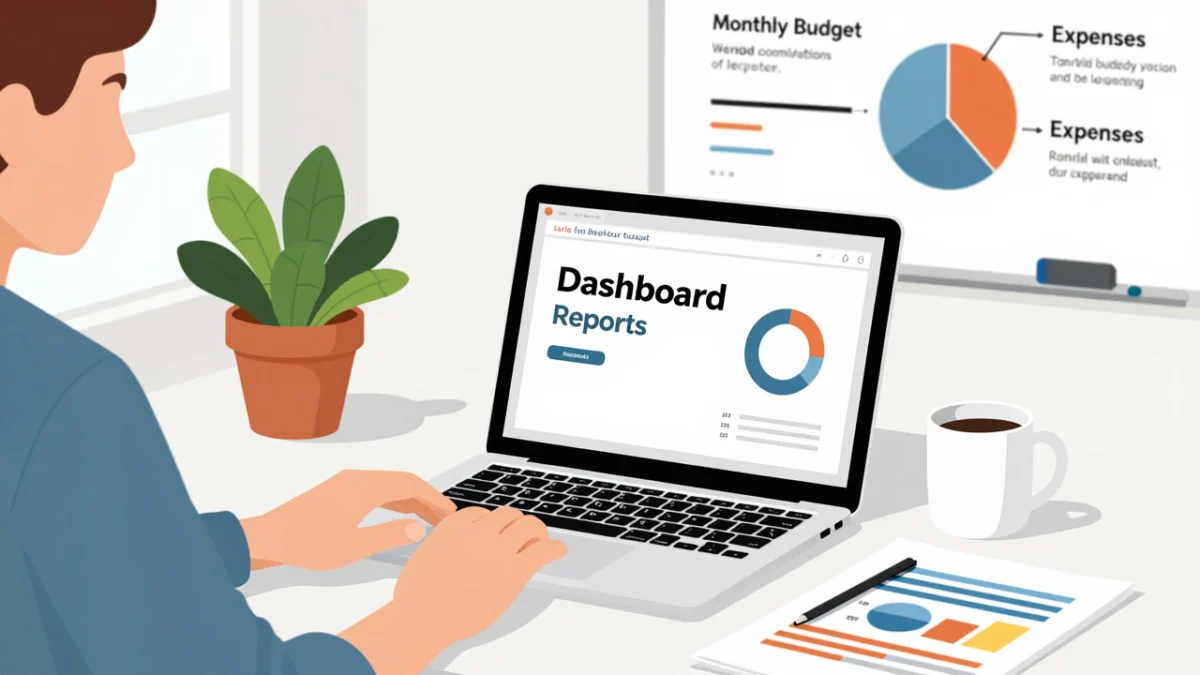
Accounting software serves as the backbone of financial operations, automating the tedious tasks of bookkeeping while providing real-time visibility into a company’s performance. At its core, these packages provide essential functions: automated invoicing, expense tracking, tax preparation, and financial reporting.

The market is broadly categorized into two delivery models: Cloud-based solutions (SaaS) and Desktop-based software. Cloud platforms, such as QuickBooks Online, Xero, and FreshBooks, offer the advantage of accessibility, allowing users to reconcile transactions from mobile devices or remote locations. Conversely, traditional desktop software like Sage 50 offers localized data control and, in some cases, deeper offline functionality. Choosing between these depends on whether your priority is remote collaboration or localized, high-capacity data management.
Chronology of Software Evolution and Market Adoption
The evolution of accounting tools has followed a clear trajectory toward automation and integration.

- The Era of Manual Entry (Pre-2000s): Accounting was largely performed via paper ledgers or basic spreadsheets, requiring significant time and high expertise to avoid errors.
- The Desktop Revolution (2000–2010): Software like Sage and early versions of QuickBooks brought accounting to the PC, allowing for digital ledger management, though data remained siloed on individual machines.
- The Cloud Shift (2010–2020): Platforms like Xero and FreeAgent popularized the "Software as a Service" model. Real-time bank feeds became standard, significantly reducing manual reconciliation time.
- The AI and Integration Age (2020–Present): Current market leaders focus on machine learning to categorize expenses automatically and integrate with hundreds of third-party apps, such as CRM, e-commerce platforms, and payment processors.
Deep Dive: Specialized Accounting Solutions
FreeAgent: The Freelancer’s Ally
FreeAgent is purpose-built for the self-employed. It excels by simplifying the complexity of tax returns and VAT submissions, which are often the most intimidating aspects of micro-business management. Its standout feature is the automated bookkeeping engine, which allows freelancers to focus on billable hours rather than administrative upkeep.
QuickBooks: The Scalable Standard
QuickBooks Online remains the industry heavyweight. Its pricing tiers—Simple Start, Fundamental, and Plus—allow businesses to scale their subscription alongside their revenue. With robust mobile capabilities, users can capture receipts on the fly, ensuring that tax-deductible expenses are never lost.

Sage: The Enterprise-Grade Powerhouse
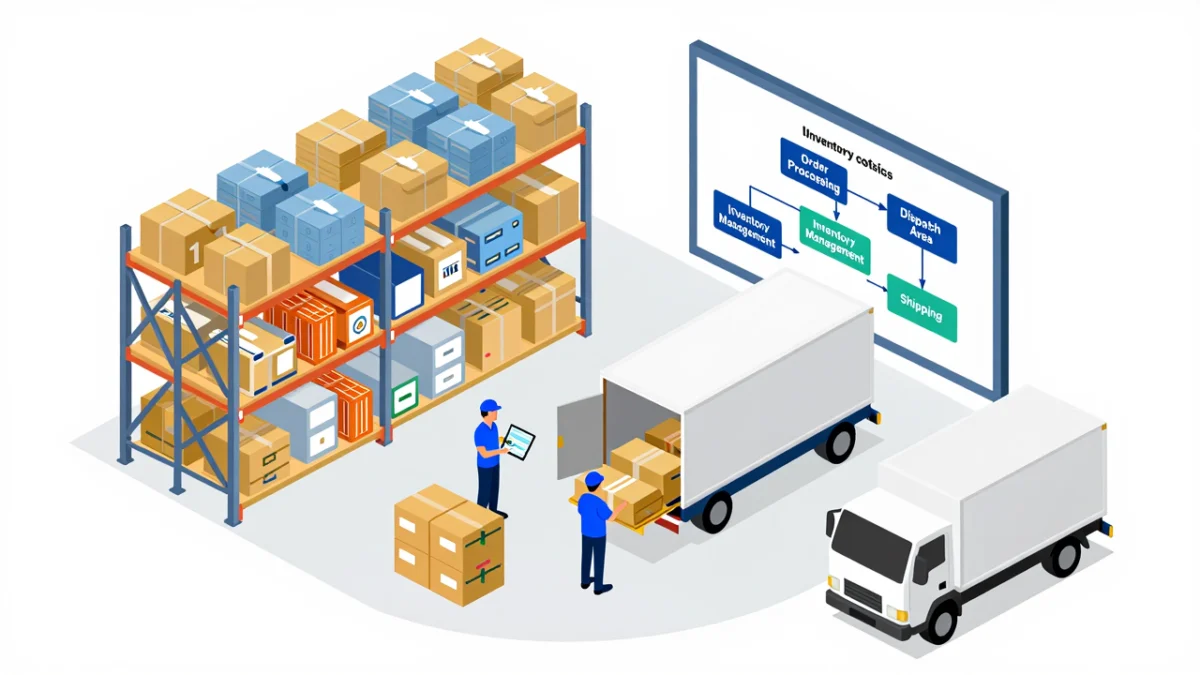
Sage occupies a unique space, serving both small businesses and large enterprises. Its strength lies in inventory management and complex payroll processing. For businesses in retail or wholesale where inventory tracking is non-negotiable, Sage provides the granular data required to maintain healthy profit margins.
Xero: The Collaboration Hub
Xero’s value proposition is its cloud-native architecture. It is widely considered the best tool for teams because of its seamless multi-user access. Accountants and business owners can collaborate on the same ledger in real-time, which is a significant advantage during tax season.

FreshBooks: Service-Based Simplicity
FreshBooks is the premier choice for agencies and service providers. Its interface is designed to facilitate quick invoicing and time tracking, ensuring that project-based work is billed accurately. It removes the "accountant-speak" that often hinders non-financial professionals.
Wave: The Budget-Conscious Solution
Wave has disrupted the market by offering a robust, free accounting suite. It is ideal for startups and side-hustlers who need professional-grade invoicing and reporting without the monthly subscription overhead. While it lacks some advanced features found in paid tiers, it is more than sufficient for most small-scale operations.

Zoho Books: The Integrated Ecosystem
Zoho Books is designed for small business owners who prefer an integrated ecosystem. As part of the wider Zoho suite, it integrates effortlessly with their CRM and project management tools, creating a unified flow of data from lead generation to final invoice payment.
Kashoo and TrulySmall: Focus on Usability
Kashoo and TrulySmall Accounting cater to the user who finds standard accounting software overwhelming. By stripping away complex features and focusing on a clean, intuitive interface, these platforms allow owners to maintain accurate records without needing a background in finance.

Supporting Data and Comparative Analysis
| Feature | Best For | Complexity | Price Point |
|---|---|---|---|
| FreeAgent | Freelancers | Low | Moderate |
| QuickBooks | Growing Small Biz | Medium | Variable |
| Sage | Wholesale/Retail | High | Premium |
| Xero | Collaborative Teams | Medium | Moderate |
| FreshBooks | Service Providers | Low | Moderate |
| Wave | Bootstrapped Startups | Low | Free |
Data suggests that businesses utilizing cloud-based accounting see a 30% reduction in time spent on manual data entry within the first six months of implementation. Furthermore, integration with third-party payment gateways can reduce invoice payment cycles by an average of 15-20%.
Official Perspectives and Expert Recommendations
Industry experts often emphasize that the "best" software is not necessarily the one with the most features, but the one that the user will actually use consistently.

"The greatest risk to any business is not an error in a ledger, but a lack of visibility," notes one financial analyst. "If a platform is too complex, the user will stop updating it. We recommend starting with a user-friendly interface like FreshBooks or Wave, and only upgrading to complex enterprise tools like Sage when your inventory and payroll requirements exceed the capabilities of lighter software."
Most providers now offer 30-day free trials. Experts strongly advise utilizing these windows not just to test features, but to test the customer support responsiveness—a critical factor when you encounter a technical glitch during tax season.

Implications: Strategic Financial Management
The choice of accounting software carries significant implications for your business:
- Compliance and Audit Readiness: Using a reputable, cloud-based platform ensures that your records are compliant with regional tax laws. Automatic updates mean you are always using the latest tax tables, reducing the risk of penalties.
- Cash Flow Forecasting: Modern software does more than track history; it provides predictive insights. By analyzing your recurring expenses and average payment times, these tools help you forecast cash flow, allowing you to make informed decisions about hiring or expansion.
- Data Security: Moving from spreadsheets to encrypted cloud-based accounting reduces the risk of data loss and security breaches. Most providers offer multi-factor authentication and bank-level encryption, which is far superior to saving financial data on a personal hard drive.
- Scalability: As your business grows, your needs will shift. Selecting a platform that offers a clear upgrade path ensures you won’t have to migrate your data to a new system when your transaction volume increases.
Conclusion
Selecting an accounting package is an investment in your business’s future. Whether you are a sole proprietor utilizing the free features of Wave, or a growing enterprise requiring the deep inventory capabilities of Sage, the goal remains the same: to reduce the time spent on administrative burdens so you can focus on the core mission of your business.

Evaluate your needs based on the following criteria:
- Is your business service or product-based? (Choose FreshBooks for services, Sage for products).
- Do you work in a team? (Prioritize Xero or QuickBooks for collaboration).
- What is your budget? (Start with Wave or TrulySmall if capital is limited).
By taking a systematic approach to your selection, you transform your accounting software from a simple bookkeeping tool into a strategic asset that drives growth and provides clarity in an increasingly complex financial environment.