









Author: Sarah Brady, NFCC
Updated: August 4, 2026
Introduction: The Rising Tide of Housing Insecurity
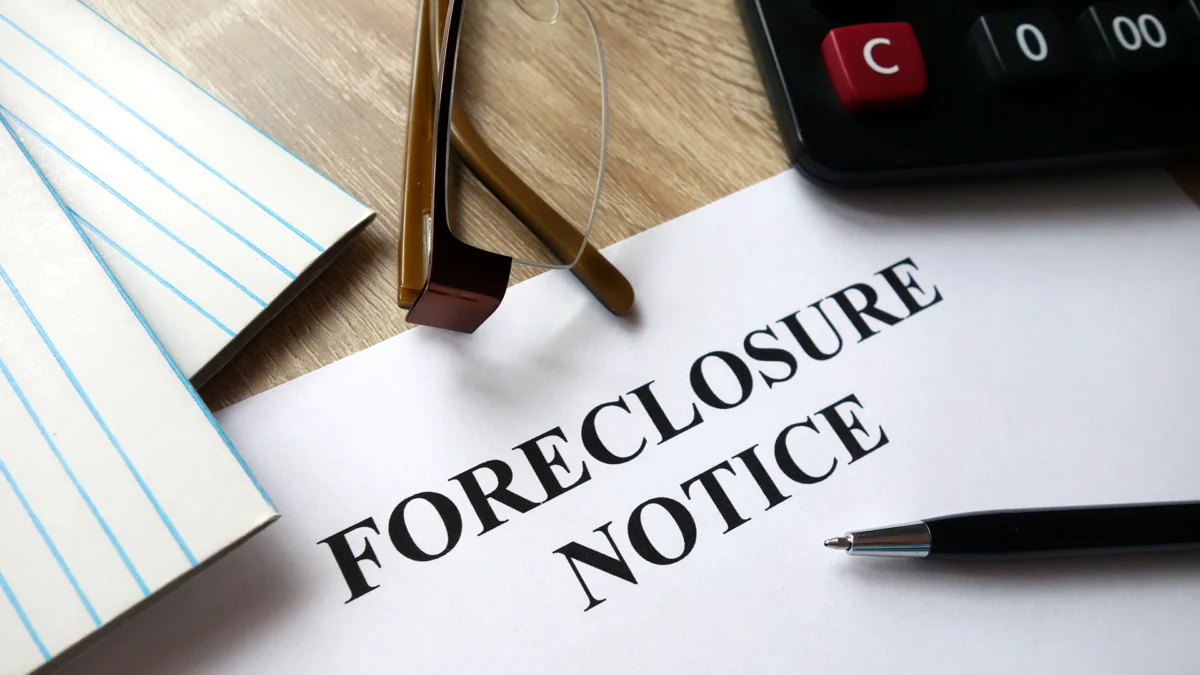
For hundreds of thousands of American families, the American Dream of homeownership is currently facing an unprecedented stress test. Home foreclosures are on a steady rise across the United States, casting a long shadow of financial anxiety over communities nationwide. If you are one of the estimated 227,500 households currently facing foreclosure in 2026, it is entirely natural to feel overwhelmed, paralyzed, or convinced that there is simply no way out of your financial predicament.
However, housing experts and consumer advocates emphasize a critical message: foreclosure does not happen overnight, and it is rarely a final sentence. Many struggling homeowners remain unaware that they have multiple, viable pathways available to save their homes—or, at the very least, to exit a difficult housing situation gracefully without enduring the catastrophic credit damage of a formal foreclosure.
If you have fallen behind on your mortgage payments, time is of the essence. Rather than ignoring warning letters from your lender or hiding from the mounting stack of bills, proactive engagement is your greatest asset. By reaching out immediately to your mortgage servicer or connecting with a HUD-certified housing counselor, you can unlock a suite of relief options designed to stabilize your finances and keep a roof over your head.
Main Facts: Understanding the 2026 Landscape
The current housing market dynamics have created a volatile environment for vulnerable borrowers. Inflationary pressures, fluctuating interest rates, and the lingering economic adjustments of the mid-2020s have stretched household budgets to their absolute limits.
The mechanics of the foreclosure process are standardized, yet terrifying for those experiencing it for the first time. Typically, formal foreclosure proceedings initiate once a borrower is approximately four months (120 days) delinquent on their mortgage payments. Ignoring this threshold allows the process to snowball, ultimately culminating in the loss of your property and long-term, severe damage to your credit score.
The Golden Rule: Do Not Wait
The single biggest mistake struggling homeowners make is avoidance. Lenders and loan servicers are generally not incentivized to seize properties; foreclosure is costly, time-consuming, and logistically difficult for financial institutions. Consequently, servicers are often willing to work with borrowers who demonstrate a good-faith effort to resolve their delinquencies.
Chronology: The Lifecycle of a Delinquency and How to Intervene
Understanding the timeline of a mortgage default can empower you to intervene before it is too late. While every loan and state has unique legal requirements, a typical foreclosure timeline follows a predictable trajectory:
- Days 1–30 (The Initial Missed Payment): Your payment is late. You will receive a late fee and a reminder notice from your servicer. This is the ideal window to make a quick budget adjustment or reach out to explain a temporary shortfall.
- Days 31–60 (Serious Delinquency Warning): You are now a full month behind. The servicer sends a breach letter or official notice of default, outlining the missed amount and warning of impending legal action if the balance is not cured.
- Days 61–90 (Escalation): Multiple payments have been missed. Collection calls intensify, and the loan is often transferred to the servicer’s loss mitigation department.
- Day 120 and Beyond (Pre-Foreclosure and Legal Filing): Under federal rules, servicers can legally initiate the formal foreclosure process once you hit the 120-day mark. Legal notices are filed, and a sale date may eventually be scheduled.
Intervening at any point prior to the actual auction date can halt or reverse this process. However, the earlier you act, the wider your array of available solutions.
Supporting Data: 7 Ways to Prevent Foreclosure and Keep Your Home
When you contact your loan servicer—the company that processes your monthly payments—or a housing counselor, you should inquire specifically about the following seven loss mitigation strategies:
1. Deferment
Deferment is designed for borrowers facing a temporary financial hardship (such as a temporary job loss or medical emergency) who have since recovered and can afford their regular monthly payment moving forward. Under a deferment agreement, your overdue mortgage payments are moved to the very end of your loan term. This instantly brings your loan status back to "current" without requiring a massive lump-sum payment.
2. Repayment Plan
If your hardship has passed and you have a small amount of extra cash flow, a repayment plan allows you to pay an additional amount on top of your normal mortgage payment for a set period—usually ranging from two to 18 months. This extra money chips away at the arrears until you are fully caught up. Be cautious, however: because your monthly payment will temporarily increase, you must ensure your budget can sustain this higher figure.
3. Forbearance
Forbearance allows you to temporarily reduce or completely pause your mortgage payments for a set number of months. While this provides immediate breathing room during a crisis, it is not a forgiveness program. Once the forbearance period ends, you must repay the missed amounts—either through a structured repayment plan, a loan modification, or as a lump sum at the end of your mortgage term. Furthermore, interest may continue to accrue on the overdue balance during the pause.

4. Loan Modification
When a temporary fix is insufficient, a loan modification permanently changes the original terms of your promissory note to make the monthly payment permanently affordable. Servicers achieve this through various adjustments, which may include lowering your interest rate, extending the length of the repayment term (e.g., from 25 to 40 years), or, in rare cases, capitalizing the missed payments into the principal balance or reducing the principal itself.
5. Mortgage Refinancing
Refinancing involves taking out an entirely new mortgage with a different lender (or the same lender) to pay off your existing debt. A successful refinance can secure a lower interest rate, reduce your monthly obligations, or stretch out your terms.
- The Catch: Refinancing requires strong credit scores and verifiable income. If your credit has already taken a hit from missed mortgage payments, you may not qualify for a traditional refinance.
6. Filing Bankruptcy
Filing for bankruptcy triggers an "automatic stay," a legal injunction that instantly halts all collection activities, including foreclosure sales and eviction proceedings. This legal pause buys you critical time to reorganize your finances.
- Chapter 7 Bankruptcy: Generally liquidates non-exempt assets and discharges unsecured debt, though it may only temporarily delay a foreclosure unless you can catch up on arrears.
- Chapter 13 Bankruptcy: Establishes a three- to five-year court-approved repayment plan that allows you to catch up on missed mortgage payments over time while keeping your home.
7. Special Protections for Government-Backed Mortgages
Borrowers with government-backed loans—such as those insured by the Federal Housing Administration (FHA) or guaranteed by the Department of Veterans Affairs (VA)—enjoy enhanced regulatory protections. For instance, FHA guidelines legally require loan servicers to evaluate borrowers for specific FHA loss mitigation options before they are permitted to initiate formal foreclosure. Similarly, VA loan servicers are mandated to work proactively with veterans to find tailored alternatives, such as specialized repayment plans or modifications.
Official Responses: What to Do If You Cannot Keep Your Home
Sometimes, despite every best effort, keeping the property is simply mathematically impossible. In these scenarios, preventing a formal foreclosure is still vital for preserving your financial future. Two primary options exist for a graceful exit:
Short Sale (Pre-Foreclosure Sale)
A short sale occurs when you sell your home for less than the total balance remaining on your mortgage, with the explicit permission of your lender.
- The Benefit: If approved, the lender may forgive the "deficiency balance" (the gap between the sale price and your loan balance). Most importantly, a successful short sale avoids the devastating credit score impact of a recorded foreclosure.
Deed-in-Lieu of Foreclosure
With a deed-in-lieu, you voluntarily transfer the ownership title of your property directly back to the mortgage lender in exchange for a release from your mortgage debt. Like a short sale, this option minimizes credit damage and can help you avoid a lingering deficiency judgment.
Implications: Avoiding Scams and Leveraging Free Expert Help
When homeowners become desperate, predatory actors often circle like vultures.
Beware of Foreclosure Prevention Scams
The Department of Housing and Urban Development (HUD) issues a strict warning: never pay a private company upfront fees to save your home. Legitimate help is available for free or at very low cost. Be deeply suspicious of any company that:
- Guarantees they can stop your foreclosure before reviewing your financial documents.
- Asks for upfront fees before providing services.
- Instructs you to stop paying your mortgage servicer and pay them instead.
The Value of HUD-Certified Housing Counseling
Rather than turning to for-profit operations, HUD strongly recommends consulting a HUD-approved housing counselor. The vast majority of National Foundation for Credit Counseling (NFCC)-certified agencies offer these vital services free of charge.
Certified housing counselors serve as objective advocates. They can:
- Analyze your household budget to determine what you can realistically afford.
- Communicate directly with your mortgage servicer on your behalf to negotiate loss mitigation packages.
- Educate you on local, state, and federal relief programs.
- Provide court-ordered bankruptcy counseling if you ultimately choose the legal route.
Conclusion: Take Action Today
Facing foreclosure is undeniably stressful, but capitulating to fear is the most dangerous choice a homeowner can make. By understanding your rights, exploring the array of federal and private relief programs, and enlisting the aid of free, certified professionals, you can regain control of your financial narrative.
If you are falling behind on your payments, do not wait for a breach letter to arrive in your mailbox. Reach out to your mortgage servicer or connect with an NFCC-certified housing counselor today—because taking that first step is the key to protecting your home, your credit, and your future.