









Main Facts
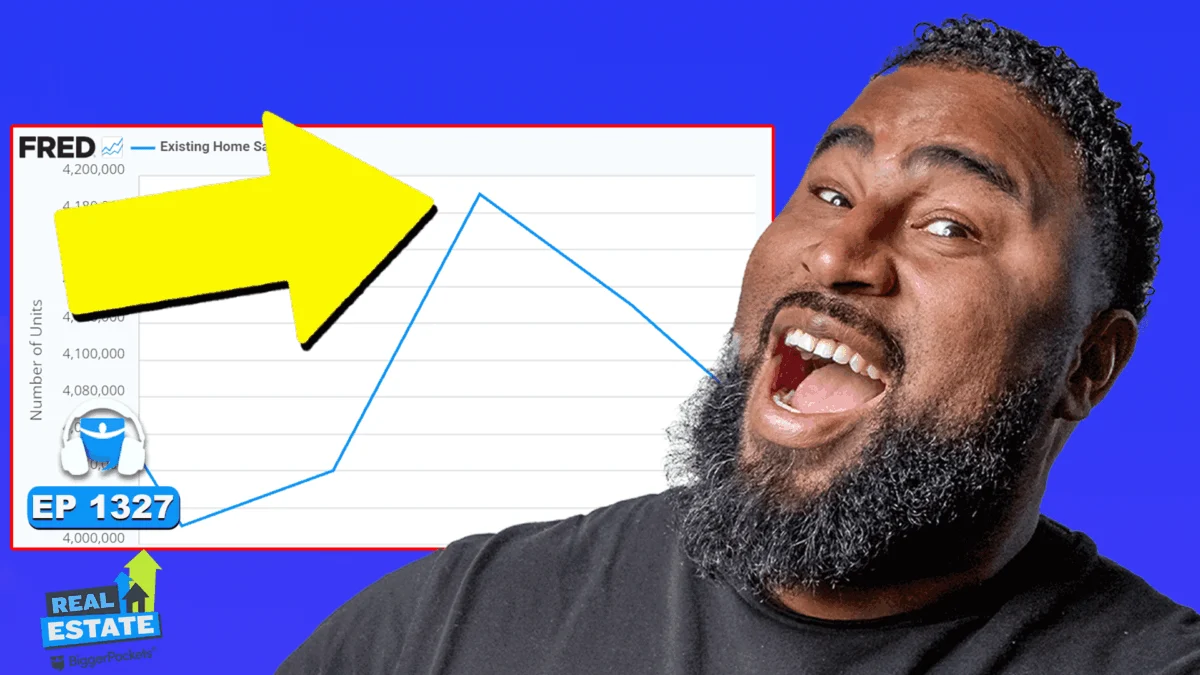
The United States housing market is experiencing a complex transitional phase characterized by a widening affordability gap, shifting consumer preferences, and massive institutional capital deployment. Despite a broader cooling trend in national existing home sales—which fell 1.7% in July to a seasonally adjusted annual rate of 4.06 million—prices have remained remarkably resilient. National median existing home prices climbed 2% year-over-year to reach $434,000, marking the 37th consecutive month of annual price gains.
At the center of this dynamic is a massive vote of confidence from America’s largest financial institution. JPMorgan Chase has announced a staggering $750 billion capital commitment through 2035 via its American Dream Initiative. This represents a nearly 40% increase over the firm’s housing capital deployment from the previous decade.
Simultaneously, the latest Consumer Price Index (CPI) report reveals that inflation is beginning to stabilize. Headline inflation rose just 0.1% for the month, pulling annual inflation down to 3.4%, while core CPI cooled to 2.5%—its slowest pace since the post-pandemic surge. This economic backdrop has left real estate operators, investors, and potential homebuyers weighing the possibility of Federal Reserve rate stabilization against persistent affordability hurdles.
Chronology of Market Events
To understand how the current real estate landscape has evolved, it is necessary to examine the compounding pressures that have shaped buyer behavior and institutional strategy over recent years:
- Post-Pandemic Surge (2020–2022): Fueled by historically low interest rates, housing demand skyrocketed, leading to rapid price appreciation and bidding wars across virtually every U.S. market.
- The Monetary Tightening Phase (2023–2024): In response to runaway inflation, the Federal Reserve aggressively raised interest rates. This swift monetary policy shift caused market velocity to freeze, sidelining many buyers and putting pressure on traditional fix-and-flip operators.
- The Institutional Pivot (2012 vs. 2024–2026): Paralleling the post-2008 era—when massive institutional investors like Blackstone and Warren Buffett’s affiliates began acquiring single-family assets and residential land at scale—major financial institutions have once again recognized structural housing shortages as a long-term economic opportunity.
- Summer 2026 Cool-Down and Affordability Pinch: As existing home sales softened through the summer months, a distinct bifurcation emerged. Starter homes and heavily renovated flips faced longer days on market, while "as-is" dated homes ("grandma’s houses") and luxury properties maintained strong velocity.
- August 2026 CPI Release: The latest inflation data showed core CPI dropping to 2.5%, shifting market expectations toward potential Federal Reserve rate stabilization rather than immediate hikes.
Supporting Data and Market Metrics
Real estate experts Henry Washington, James Dainard, and Kathy Fettke recently broke down these trends on the On the Market podcast, analyzing local micro-market data against macroeconomic indicators:
- Sales Volume and Pricing: Existing home sales fell 1.7% in July to a 4.06 million seasonally adjusted annual rate. Meanwhile, the median existing home price hit $434,000—a 2% year-over-year increase.
- The Luxury vs. Starter Home Divide: First-time home purchases have slowed due to high interest rates, while luxury home sales have surged, fueled heavily by stock market gains and a widening wealth gap. In local submarkets, upper-bracket homes priced competitively often go under contract in under 30 days.
- The "As-Is" Discount Delta: In major metropolitan areas like Seattle, unrenovated yet clean and livable properties ("grandma’s houses") trade at roughly a 20% discount compared to fully modernized counterparts. For example, a home valued at $1.0 million fully flipped frequently commands an "as-is" trade price of around $850,000.
- Inflation Benchmarks: Headline inflation eased to 3.4% annually, with core CPI falling to 2.5%. According to the CME FedWatch tool, the probability of the Federal Reserve maintaining current interest rates jumped to 61.9% following the report.
- Institutional Capital Scale: JPMorgan Chase’s $750 billion commitment through 2035 is allocated across multiple buckets: developer financing for apartment units, increased mortgage originations for first-time buyers, and direct equity/debt investments in affordable housing funds.
Official Responses and Expert Insights
The intersection of institutional capital and localized real estate operations has sparked intense debate among industry leaders regarding the true health of the market.
The Institutional Perspective: Betting on Long-Term Demand
Kathy Fettke emphasizes that major institutional players see structural supply deficits that outweigh short-term economic friction.
"They see this demand coming, they see this lack of housing and they are all in… JP Morgan Chase [is] upping what they’re going to be lending and also kind of coming in as debt and equity to build affordable housing."
Comparing the current environment to the post-2012 recovery, Fettke notes that institutional heavyweights are positioning themselves for long-term stability rather than anticipating a systemic crash. "Do you think Warren Buffett’s company might know a thing or two? Do you think JPMorgan Chase might know a thing or two? Listen to them."
The Operator’s Dilemma: Navigating Micro-Market Velocity
For active flippers and developers like James Dainard and Henry Washington, navigating the market requires a granular, zip-code-specific strategy rather than broad generalizations.
"Everything is not selling, but there’s a lot of things that aren’t moving. And so we’re really locking down by zip codes, price points, where’s the velocity?" Dainard explains. He stresses the importance of reducing holding costs and refinancing high-interest debt into DSCR (Debt Service Coverage Ratio) loans to "stop the bleed" during slower summer cycles.
Henry Washington highlights how affordability constraints have forced a strategic pivot in his own flipping business:
"What I’m seeing in comps is homes that are unrenovated, but livable and clean have far less days on market than homes that are flipped and look super pristine… My plan B is a flip. Plan A is just to get it clean and livable and get it on the market."
Implications for Real Estate Investors
The convergence of JPMorgan Chase’s $750 billion capital injection, stabilizing inflation metrics, and shifting buyer affordability carries profound implications for everyday investors and operators:
1. Shift from Broad Strategies to Micro-Market Precision
The era of buying any asset at a steep discount, applying standard cosmetic renovations, and turning a guaranteed profit has largely passed. Investors must study localized data—analyzing specific 10% price blocks and zip codes—to identify where buyer velocity actually exists.
2. The Rise of "As-Is" and Value-Add Opportunities
With consumer purchasing power stretched thin by cumulative price growth, buyers are increasingly drawn to lower price points where they can capture equity by handling minor cosmetic updates themselves. Savvy investors are adjusting their exit strategies, opting for light clean-outs over capital-intensive luxury flips to reduce holding times and match consumer budgets.
3. Builder Distress and New Construction Opportunities
As traditional developers and regional builders face sluggish sales velocity on new subdivisions, significant opportunities are emerging for value-add investors. Many builders are willing to offer deep wholesale discounts, bulk lot acquisitions, or rate-buy-down incentives (bringing consumer rates down significantly) to protect their primary pricing comps.
4. Guarding Against Fear-Driven Decisions
While macroeconomic headlines regarding inflation and fluctuating interest rates can induce paralysis, historical data suggests that retreating completely to the sidelines is rarely a winning strategy. Experienced operators stress that maintaining consistent acquisition habits—supported by conservative debt structures and low holding costs—allows investors to weather market cycles without attempting impossible market-timing feats.