





September 2, 2026
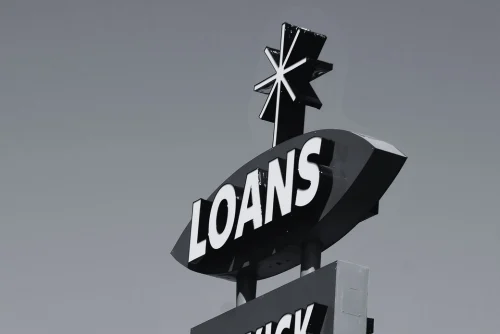
In an era defined by persistent economic volatility, the financial safety net for millions of Americans has begun to fray. A growing trend in the fintech sector—the expansion of "Buy Now, Pay Later" (BNPL) services into the realm of essential living expenses—has moved from a niche convenience to a critical indicator of household instability. As reported by Megan Cerullo for CBS News on September 2, 2026, financial firms are increasingly marketing short-term credit products to cover rent, groceries, utility bills, and even life-saving medical procedures.
While these services were initially designed for discretionary purchases like electronics or clothing, their pivot toward basic survival costs has sparked a firestorm of concern among consumer advocates. Ariel Nelson, a senior attorney at the National Consumer Law Center (NCLC), warns that this shift is not merely a change in marketing strategy, but a stark symptom of a country where the cost of living has outpaced the average wage, leaving families with few options but to borrow for their most basic needs.
Main Facts: The New Face of Consumer Credit
The BNPL model, once characterized by the "four-payment" installment plan, has evolved into a complex ecosystem of micro-loans. Unlike traditional credit cards, which involve long-term revolving debt, BNPL loans are often marketed as "interest-free" or "low-cost" alternatives. However, the migration of these products into the essential services sector changes the risk profile entirely.
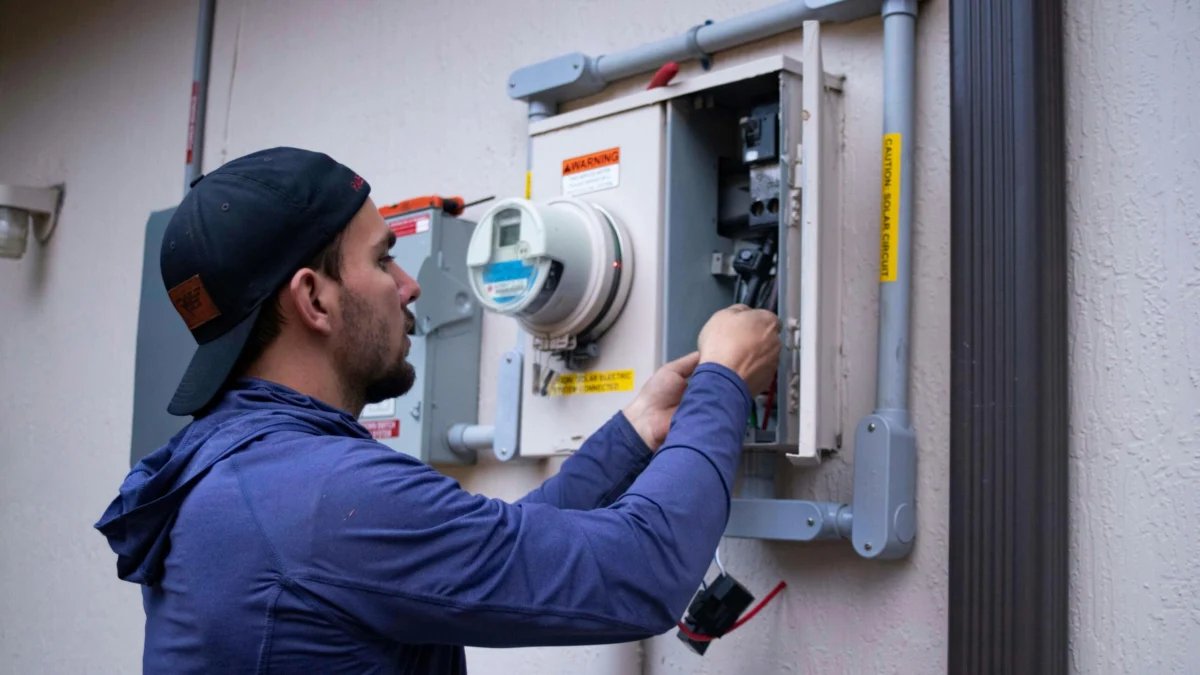
When a consumer uses BNPL for a television, the purchase is voluntary. When a consumer uses BNPL for an electricity bill, the purchase is a matter of survival. This shift creates a cycle of dependency. By breaking down large, lump-sum payments like rent or utility deposits into smaller, "manageable" installments, fintech firms are successfully lowering the psychological barrier to debt. Yet, the underlying financial strain remains; the consumer is not spending less, but rather deferring the inevitable, often at the cost of future liquidity.
Chronology: From Convenience to Crisis
The rise of BNPL services can be traced back to the pre-pandemic era, but their trajectory has been significantly altered by the economic climate of the 2020s.
- 2019–2021 (The Growth Phase): BNPL platforms gain massive popularity during the shift to e-commerce, offering a frictionless checkout experience for retail goods.
- 2022–2023 (Inflationary Pressure): As the cost of living skyrockets due to historic inflation, consumers begin utilizing BNPL for more than just "wants." Small-scale pilot programs begin to test the waters of paying for groceries and gas via installments.
- 2024–2025 (Mainstream Integration): Major fintech players form partnerships with property management software and utility providers, allowing residents to pay rent in installments through third-party credit services.
- September 2026 (The Breaking Point): As highlighted by the NCLC, the reliance on these loans for essential services reaches a critical mass, prompting renewed calls for federal oversight and consumer protection.
Supporting Data: The Anatomy of Affordability
The data surrounding the current state of the American economy paints a grim picture. According to the Federal Reserve’s most recent Household Economics and Decision-Making report, a significant portion of the adult population lacks the savings to cover a $400 emergency. When that "emergency" is a monthly rent payment or an overdue utility bill, the pressure to turn to alternative lending is immense.
Recent studies suggest that:
- Usage Rates: Nearly 30% of BNPL users report utilizing these services to cover bills that they would have otherwise been unable to pay on time.
- Debt Stacking: A concerning trend of "debt stacking" has emerged, where consumers utilize multiple BNPL apps simultaneously to cover different recurring monthly expenses.
- Default Vulnerability: Consumers who utilize credit for essentials are statistically more likely to miss payments, triggering late fees that can quickly turn a small loan into a high-interest financial burden.
The math is simple: when a household’s income is fully committed to fixed expenses, any disruption—a car repair, a sick day, or an unexpected price hike—creates a deficit. BNPL fills that deficit with debt, not income.
Official Responses and Expert Analysis
The NCLC and other regulatory bodies have been vocal in their criticism of how these products are marketed. Ariel Nelson’s assessment provides the most chilling perspective on the industry’s trajectory.
"The most helpful thing about them is what they reveal about the state of affordability — or unaffordability — in our country," Nelson stated in the recent CBS News report. "People are struggling to pay rent and utilities on time and in one amount. At best, [BNPL loans] can act as a temporary Band-Aid. Even then, they are not risk-free."
From the industry perspective, proponents argue that they are providing a "financial bridge" for consumers who lack access to traditional banking or credit cards. By reporting payment data to credit bureaus, some firms argue they are helping consumers build credit histories. However, consumer advocates counter that this is a dangerous gamble. If a consumer is already on the brink of financial insolvency, incentivizing them to take on more debt—even if it is "interest-free"—is akin to providing a drowning person with a heavier anchor.
Furthermore, the lack of transparency is a major sticking point. While the "no interest" marketing is front and center, the hidden costs—such as late fees, potential impact on credit scores, and the predatory nature of "soft" credit checks—are often buried in the fine print.
Implications: The Long-Term Economic Outlook
The normalization of debt for daily survival carries profound implications for the American economy.
1. The Erosion of Financial Resilience
When a significant portion of the population is perpetually one payment cycle behind, the economy loses its ability to absorb shocks. If a recession were to hit, the "debt-stacking" that is currently keeping families afloat could collapse, leading to a wave of defaults that would reverberate through the financial sector.
2. The Wealth Gap Widens
Those who can afford to pay for their essentials outright avoid the fees and the psychological stress associated with installment debt. Those who cannot are effectively paying a "poverty tax," where the cost of their rent or utilities is increased by the fees and interest associated with the credit products required to pay them.
3. The Need for Regulatory Reform
The current regulatory framework for BNPL is fragmented. Because these services do not always fit the legal definition of a traditional "loan," they often evade the strict consumer protection laws that apply to banks and credit card issuers. There is an urgent need for the Consumer Financial Protection Bureau (CFPB) to step in, mandating clear disclosure of risks, standardizing fee structures, and potentially limiting the use of these products for essential services.
4. A Shift in Corporate Responsibility
The ethical question facing the fintech industry is clear: Should companies profit from the desperation of households unable to afford basic needs? As these companies become the primary intermediaries for essential services, they are no longer just tech platforms; they are financial institutions. With that role comes a greater social responsibility to ensure that their products are not causing long-term harm to the vulnerable populations they serve.
Conclusion: A Band-Aid on a Broken Bone
The rise of BNPL for rent and utilities is a mirror reflecting the deeper ailments of the American economy. While these services offer a momentary reprieve from the anxiety of a missed payment, they do nothing to address the underlying issue: the widening gap between stagnant wages and the rising costs of housing, energy, and food.
As Ariel Nelson correctly identified, these loans are, at best, a Band-Aid. But as any medical professional will tell you, applying a bandage to a broken bone does not fix the injury; it merely masks the pain while the underlying condition deteriorates. Without comprehensive policy intervention, improved wage growth, and a focus on genuine affordability, the cycle of borrowing for survival is likely to continue, leaving millions of Americans more indebted and less secure than ever before. The "Buy Now, Pay Later" phenomenon is no longer just a trend in consumer finance; it is a warning sign that cannot be ignored.