








In an era of economic uncertainty, the landscape of personal finance is shifting rapidly. According to the most recent data from the Federal Reserve Bank, consumer debt in the United States hit a staggering $17.29 trillion in the third quarter of 2023. While the frequency of accounts entering collections has shown a slight downward trend, the severity of individual debt burdens is moving in the opposite direction. The average debt account balance now exceeds $1,600—a significant jump from the $1,200 average recorded in 2022.
For millions of Americans, the sudden appearance of a debt collector on their phone or in their mailbox can be a source of immense stress. However, knowledge is a powerful shield. Understanding the legal framework surrounding debt collection is the essential first step toward reclaiming financial autonomy and protecting yourself from predatory practices.
The Legal Framework: Your Rights Against Debt Collectors
The perception that debt collectors hold absolute power is a common misconception. In reality, the financial industry is heavily regulated by federal laws designed to prevent harassment and ensure fair treatment. If you are contacted by a collector, it is vital to remember that while you may owe a debt, you do not owe your dignity or your rights.
The Fair Debt Collection Practices Act (FDCPA)
Enacted in 1977, the FDCPA remains the primary line of defense for consumers. This landmark legislation was designed to curb the abusive, deceptive, and unethical practices that were once rampant in the industry. Under the FDCPA, collectors are prohibited from using threats of violence, using profane language, or repeatedly calling with the intent to annoy or harass. Furthermore, they are legally barred from misrepresenting the amount of debt owed or falsely implying that they are government officials or law enforcement officers.
The Fair Credit Reporting Act (FCRA)
While the FDCPA governs how collectors talk to you, the FCRA governs how they talk about you to credit bureaus. This act mandates accuracy in credit reporting. If a debt collector provides false information to a credit reporting agency—such as inflating a balance or claiming a debt is active when it has already been paid—you have the legal right to dispute it. By filing a formal dispute, the credit bureau is required to investigate. If the collector cannot substantiate their claims with verifiable documentation, the information must be corrected or deleted from your report.
Unfair or Deceptive Acts or Practices (UDAP)
Beyond specific debt laws, the broader regulatory environment—often categorized under UDAP—prohibits any financial entity from engaging in deceptive practices. This includes "phantom debt" collection, where agencies attempt to collect on debts that have already been settled, are past the statute of limitations, or were never valid to begin with.

How Debt Collection Agencies Function: A Chronology
Understanding the lifecycle of a debt helps remove the mystery and fear often associated with the process.
- The Default: A debt typically enters the collection process once a payment is missed, though the "trigger" varies by lender. Credit card issuers might wait 90 to 180 days before charging off an account.
- The Assignment: In the early stages, the original creditor may hire a third-party agency to collect on their behalf. The original creditor still owns the debt.
- The Sale: If the initial attempts fail, creditors often sell "aged" debt to debt buyers for pennies on the dollar. These buyers then own the debt and have full legal authority to collect the entire balance, plus interest and fees, as allowed by law.
- The Contact: Once the agency takes control, they will attempt to contact the consumer via mail, phone, or email.
Supporting Data and Real-World Implications
The current surge in consumer debt is not merely a number on a ledger; it has profound implications for the average household. The increase in the average debt account size suggests that consumers are struggling to manage credit card balances and personal loans amid inflationary pressures.
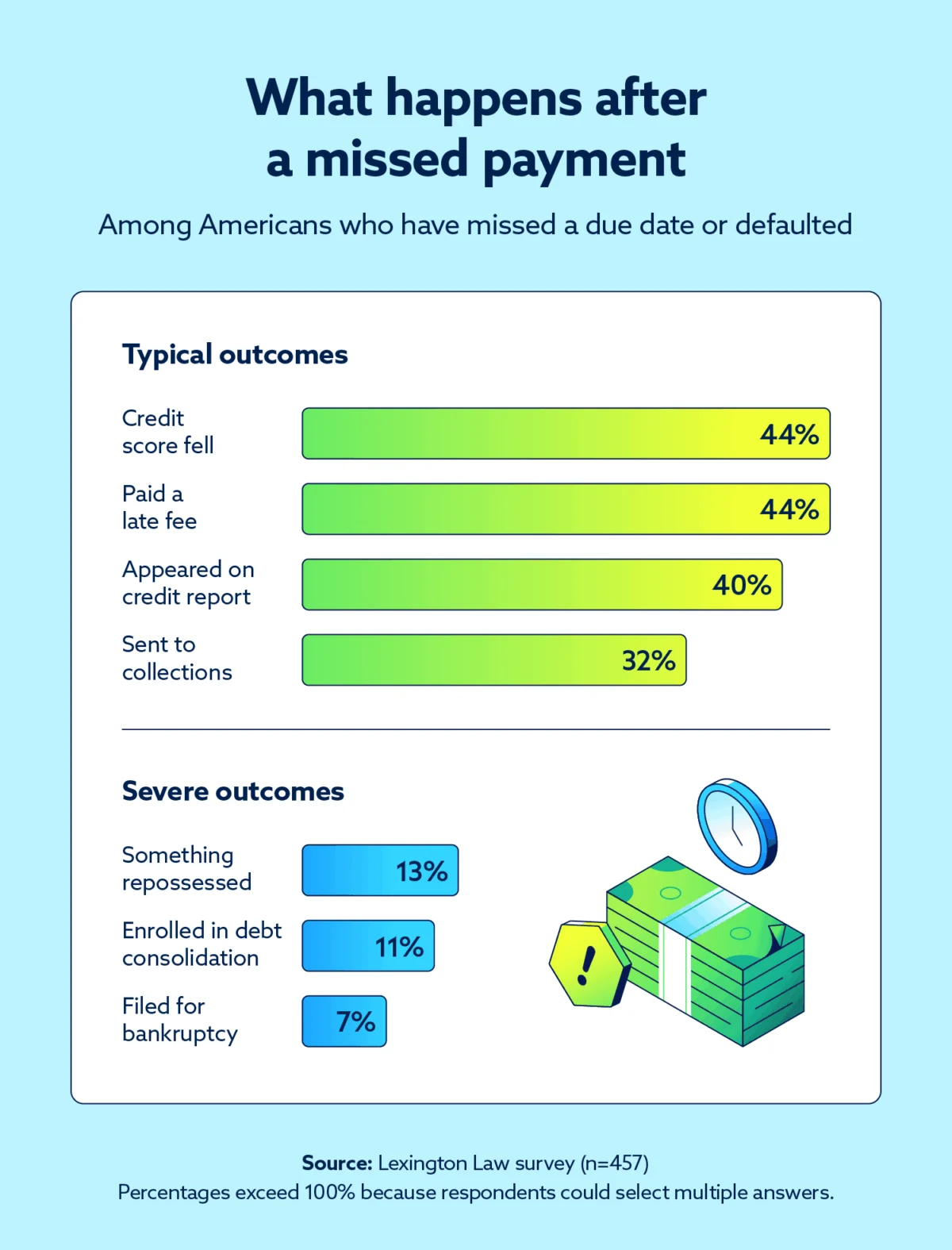
When a debt is sent to collections, the immediate impact is usually a significant drop in credit scores. This, in turn, makes future borrowing more expensive, creating a cycle of high-interest debt. Furthermore, the psychological burden of dealing with persistent collectors can lead to "avoidance behavior," where consumers ignore their financial situation entirely. Experts warn that avoidance is the most dangerous path; it does not stop the debt from growing, nor does it prevent the collector from potentially seeking a court judgment.
Rules of Engagement: Communicating with Collectors
If a debt collector contacts you, your response should be measured and documented.
- Request Validation: You have the right to request a "debt validation letter." This forces the agency to prove they own the debt and that the amount is accurate.
- Keep Records: Maintain a log of every phone call, including the date, time, and the name of the representative. If possible, communicate via certified mail to maintain a paper trail.
- Know the Statute of Limitations: Every state has a specific timeframe—typically ranging from three to ten years—during which a collector can sue you. If you make a partial payment on an old, "time-barred" debt, you may inadvertently restart the clock, effectively reviving a debt that was about to expire.
Official Responses and Recourse for Violations
If you believe a debt collector has crossed the line, you are not without recourse. Reporting illegal behavior is a civic duty that protects other consumers from similar treatment.
Where to File Complaints:

- The Consumer Financial Protection Bureau (CFPB): The primary federal agency overseeing financial entities. Complaints filed here are sent to the company, which is then required to respond.
- The Federal Trade Commission (FTC): The FTC handles reports of fraud and identity theft related to debt collection.
- State Attorney General’s Office: Many states have stricter debt collection laws than the federal government. Your state’s AG office can investigate local agencies that violate these statutes.
Strategic Financial Recovery: Settlement and Bankruptcy
If you find yourself truly unable to pay, ignoring the debt will not make it vanish. Instead, consider these proactive strategies:
Debt Settlement
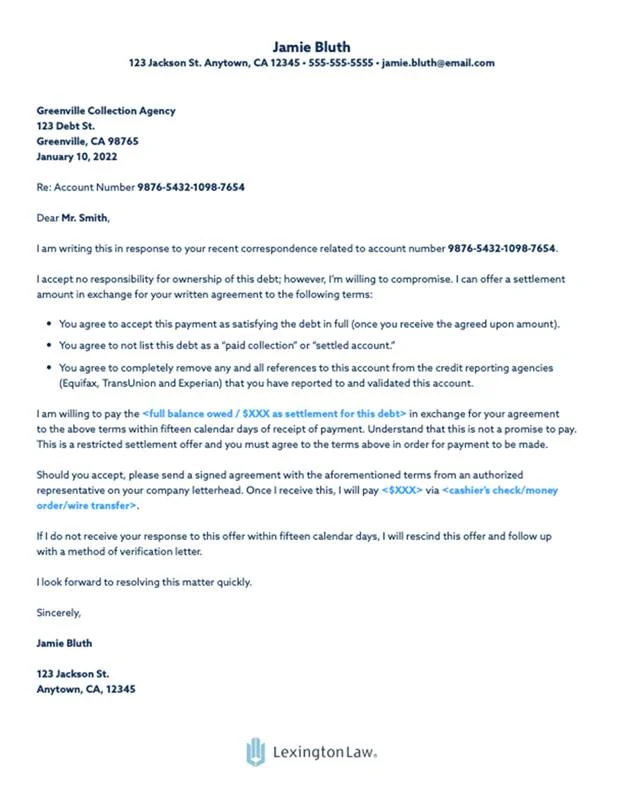
Many agencies are open to "settlement" rather than full payment. Because they often purchased the debt at a steep discount, they may be willing to accept 40% to 60% of the total balance to close the file. Warning: Always get the settlement agreement in writing before sending a single cent. Never provide a collector with direct access to your primary bank account; use a cashier’s check or money order.
Bankruptcy
Filing for bankruptcy should be viewed as a "nuclear option." It triggers an "automatic stay," an immediate legal injunction that stops all collection efforts, including lawsuits and wage garnishment. While it provides immediate relief, the long-term impact on your credit file—lasting up to 10 years—is significant. It is a tool for those in dire financial distress who have exhausted all other avenues.
Final Thoughts: Taking Control
The debt collection industry is designed to be intimidating, but it is ultimately governed by a rigid set of laws. By understanding the FDCPA, monitoring your credit reports via the FCRA, and maintaining clear, written communication, you can navigate the collection process with confidence.
Financial freedom is rarely a straight line, but it is achieved through intentional action. Whether you are disputing an error, negotiating a settlement, or simply learning your rights, every step you take is a step toward financial stability. Remember, while the debt may be a reality, it does not define your future—your actions moving forward do.
Disclaimer: The information provided in this article is for general educational purposes only and does not constitute legal, financial, or credit advice. Laws regarding debt collection vary by jurisdiction. If you are facing legal action or severe financial hardship, it is strongly recommended that you consult with a qualified attorney or a certified financial advisor to discuss the specifics of your situation.