









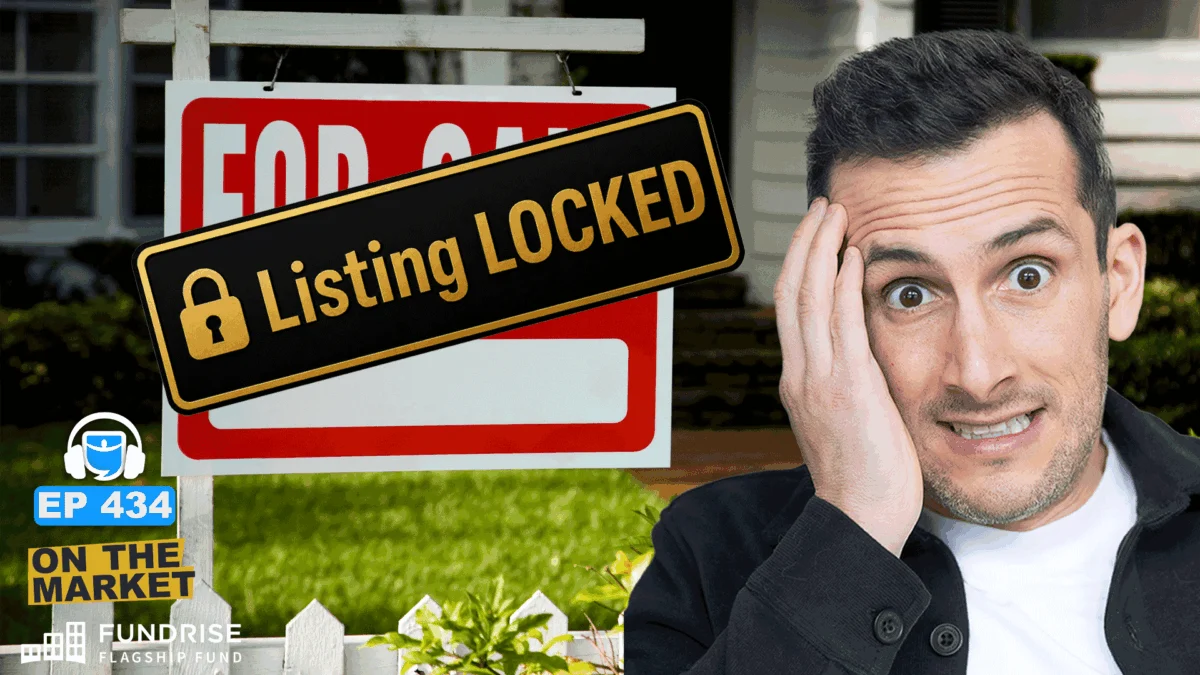
For decades, the American real estate industry has been defined by the "mom-and-pop" ethos: the independent contractor, the local brokerage, and the small-scale investor. However, a seismic, under-reported shift is currently underway. While mainstream headlines remain fixated on interest rates and institutional home-buying, a more pervasive force is quietly monopolizing the foundational layers of the housing ecosystem. This phenomenon, known as corporate consolidation, is fundamentally altering the cost structure of homeownership and investment, creating a "hidden tax" on every property owner in the country.
The Mechanics of Corporate Consolidation
At its core, corporate consolidation is the process by which fragmented, competitive industries are absorbed into a handful of massive conglomerates through relentless mergers, acquisitions, and private equity buyouts. As Dave Meyer, host of the On The Market podcast, explains, this is not a new trend, but its application to the real estate service sector is reaching a critical inflection point.
In the current landscape, 225 distinct American industries are now controlled by four or fewer companies. This concentration of power effectively eliminates the competitive tension that keeps prices in check. When the "invisible hand" of the market is replaced by the centralized pricing strategies of a few dominant players, the consumer—whether a first-time homebuyer or a seasoned portfolio manager—loses their leverage.
A Chronology of Control
The roots of this consolidation can be traced back to 1982, when a significant shift in the interpretation and enforcement of federal antitrust laws occurred. Prior to this, the government took a more aggressive stance in preventing mergers that threatened to stifle competition. Following the policy pivot of the early 80s, the threshold for what constituted an "anti-competitive" merger was raised significantly.
Over the last 44 years, this regulatory softening has allowed industries ranging from banking and healthcare to media and retail to consolidate into oligopolies. In the last decade, this strategy has moved downstream into the "trades"—the essential services that keep our homes functional. Private equity firms have begun "rolling up" thousands of independent HVAC, plumbing, and electrical businesses. By centralizing operations, standardizing pricing, and leveraging economies of scale, these firms maximize profits, often keeping local branding intact to disguise the shift toward national, algorithm-driven pricing models.
Supporting Data: The Cost of Less Competition
The economic impact of this consolidation is reflected in the skyrocketing maintenance and material costs that are currently outpacing general inflation. Since December 2020, building material costs have surged by approximately 40%. While supply chain disruptions during the pandemic were a factor, the long-term price floor is maintained by the extreme concentration of material suppliers.
- Paint: Three companies currently control over 70% of the market.
- Drywall: The industry is effectively dominated by five major players.
- Lumber: The market has been consolidated into roughly ten major firms.
This lack of competition means that even as supply chain pressures ease, companies have little incentive to lower prices. In fact, when a handful of companies control the market, they engage in what economists call "pricing power," where they collectively maintain high price points to protect margins. When this is compounded by the consolidation of the service trades, the investor is hit twice: first by the premium paid for materials, and second by the increased labor costs and administrative fees charged by the national conglomerates.
Brokerage Consolidation and the End of Transparency
Perhaps the most immediate threat to the average real estate investor is the consolidation of brokerage firms. Companies like Compass, Anywhere Advisors, and eXp have aggressively expanded, with the top 10% of brokerages now accounting for 42% of total transaction volume in the United States.
This trend is creating a structural threat to the Multiple Listing Service (MLS). The MLS has historically served as the "great equalizer," ensuring that all agents and investors have access to the same inventory. However, large brokerages are increasingly incentivized to prioritize "pocket listings"—keeping inventory within their internal network before it ever hits the public market. For the independent investor, this means a shrinking funnel of opportunities and a diminished ability to compete with larger firms that have direct access to these proprietary pipelines.
Official Perspectives and Market Implications
While there is little political appetite to revisit the antitrust policies of the 1980s, the implications for the future of the housing market are clear. As Meyer notes, the "institutional buyer" narrative—which suggests that corporations are buying up all the homes—is statistically overblown, accounting for only 2% to 3% of housing stock. The real danger is the "service-layer" monopoly, which makes it prohibitively expensive to operate as a small or mid-sized investor.
The shift is structural, not cyclical. Investors who continue to blame current high costs solely on interest rates or "bad luck" are missing the larger, permanent change in the economic landscape. The days of low-friction, low-cost property management and acquisition are likely coming to an end, replaced by a high-cost, consolidated service economy.
Strategic Responses: How Investors Can Adapt
Despite the bleak landscape, individual investors are not entirely powerless. Success in this new environment requires a return to the fundamentals of human-centric business.
1. Cultivating Relationship Assets
In a world of call centers and algorithmic scheduling, the independent, local contractor is becoming an elite asset. Investors should treat these relationships with the same importance as their capital. Paying on time, providing referrals, and fostering long-term loyalty can secure priority service and fair pricing that national conglomerates cannot replicate.
2. Diversifying Deal-Finding Networks
Because of the risk posed by the consolidation of brokerages and the potential privatization of listings, investors must move beyond the MLS. Building a personal network of listing agents, wholesalers, and property owners is essential. By becoming a "preferred buyer" for local agents, investors can secure early access to deals before they are routed through consolidated private networks.
3. Collective Action and Community
Small investors can replicate some of the purchasing power of large institutions by engaging in collective action. This can take the form of local investor meetups, online forums, and participation in professional associations that offer "Pro Perks" or collective bargaining power. By sharing resources, vendor referrals, and market data, independent investors can create a "cooperative" advantage that offsets the scale of large corporations.
Conclusion
The silent monopoly of Wall Street-backed consolidation is a reality of the modern real estate market. While the trend shows no signs of reversing at the policy level, individual investors can weather this structural shift by doubling down on what cannot be consolidated: trust, personal relationships, and local community. The market may be getting more expensive and more centralized, but for those who adapt their strategies to prioritize individual connections, the opportunity for success remains. By recognizing the forces at play, investors can stop being victims of the system and start navigating it with the precision required to thrive in the new, consolidated economy.