







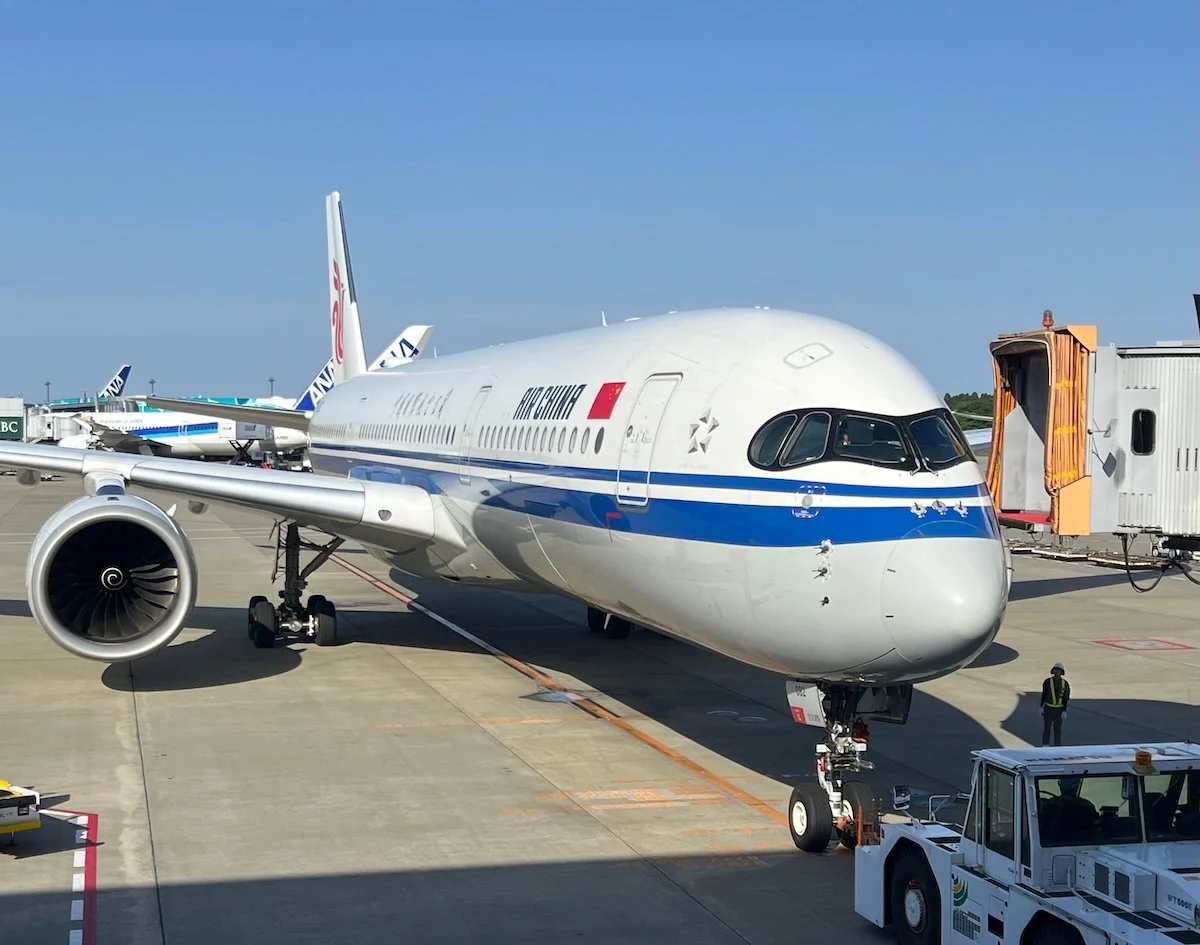
The landscape of transatlantic and intercontinental aviation is set for a significant transformation in late 2026. Iceland, a nation that has long enjoyed a surge in global popularity, is finally seeing a shift in its premium connectivity. Air China, the flag carrier of the People’s Republic of China, has officially announced that it will commence service to Keflavík International Airport (KEF), marking the first time an Asian carrier has established a regular presence in the Nordic island nation.
This development is particularly notable not just for the connection it creates between Beijing and Reykjavík, but for the introduction of a “fifth freedom” route between Copenhagen and Keflavík. This strategic expansion promises to bridge a long-standing gap in the Icelandic aviation market: the lack of year-round, flat-bed premium cabin service.
Main Facts: The Anatomy of the New Route
Beginning October 26, 2026, Air China will operate a three-times-weekly service connecting Beijing Capital International Airport (PEK) to Keflavík (KEF) via Copenhagen (CPH).
The technical details of the route are as follows:
- Route Structure: Beijing (PEK) – Copenhagen (CPH) – Keflavík (KEF).
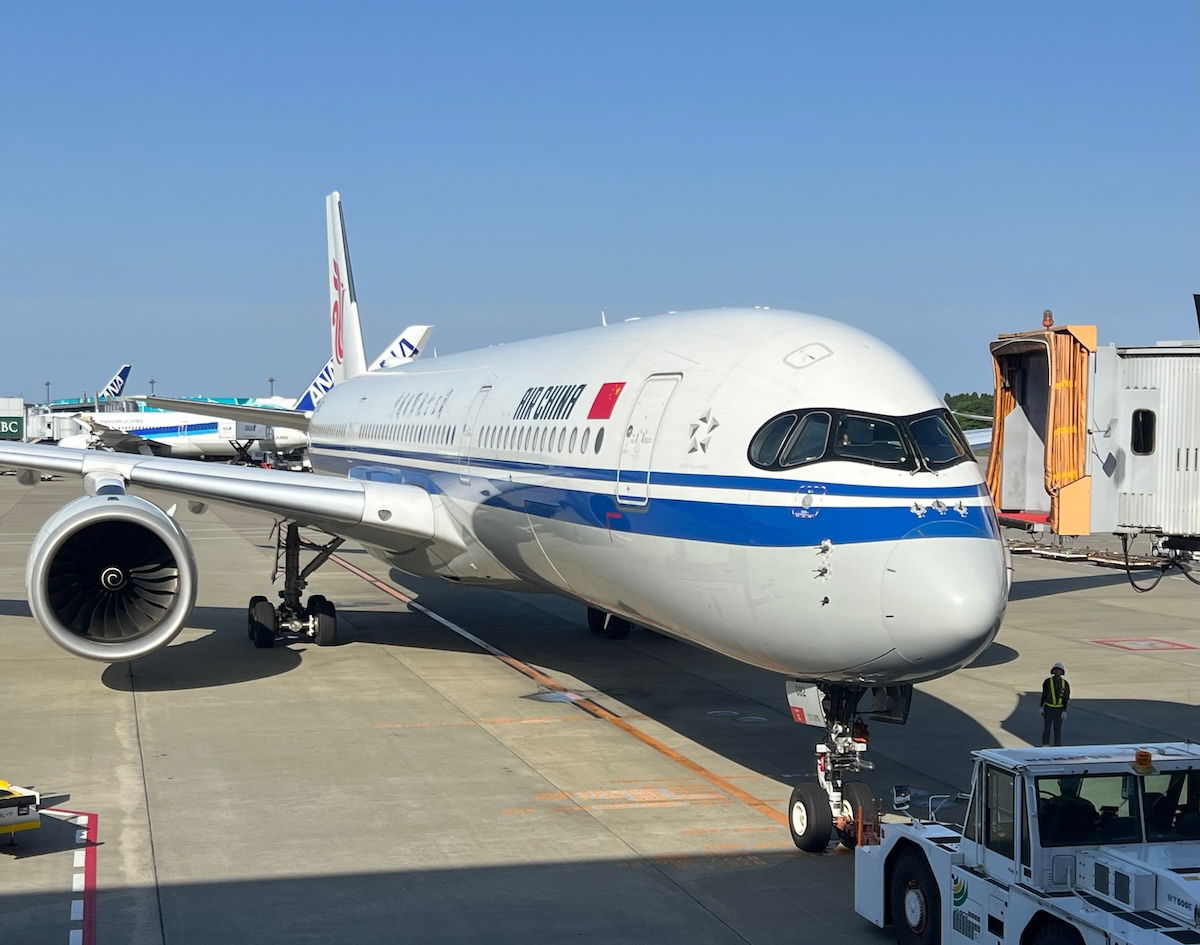
- Aircraft: Airbus A330-300.
- Cabin Configuration: 301 total seats, split into 30 business class seats (in a 2-2-2 configuration) and 271 economy class seats.
- Fifth Freedom Rights: Air China has been granted full traffic rights between Copenhagen and Keflavík, meaning passengers can book this specific leg independently of the Beijing segment.
The flight schedule has been engineered to optimize connectivity between the two European hubs:
- CA807: Departs Beijing at 3:30 AM, arrives in Copenhagen at 6:30 AM. It then departs Copenhagen at 8:45 AM, arriving in Keflavík at 11:15 AM.
- CA808: Departs Keflavík at 1:45 PM, arrives in Copenhagen at 5:55 PM. It then departs Copenhagen at 8:30 PM, arriving in Beijing the following day at 12:20 PM.
A Chronology of Icelandic Aviation Connectivity
To understand the magnitude of this announcement, one must look at the historical constraints of travel to Iceland. For decades, Iceland was served primarily by its national carrier, Icelandair, and a rotating cast of low-cost carriers. While Icelandair provides a robust network, its premium cabin—often referred to as "Saga Class"—is widely considered to be more akin to a domestic first-class product in the United States, lacking the lie-flat bed amenities common on long-haul international flights.
The Rise of Tourism
Following the 2010 Eyjafjallajökull volcanic eruption, Iceland experienced an unprecedented tourism boom. In the years that followed, the country transitioned from an off-the-beaten-path destination to a major global hub. Throughout the early 2020s, data consistently showed that Chinese nationals were among the fastest-growing demographic of tourists visiting the country. Despite this, there were no direct flight options, forcing travelers to transit through hubs in London, Frankfurt, or Helsinki, often on carriers that did not offer a superior premium product.
The Strategic Pivot
The decision to utilize a fifth freedom route is a calculated move by Air China. By stopping in Copenhagen, the airline avoids the operational complexities of flying a long-haul aircraft directly to a smaller market like Iceland while simultaneously tapping into the high-demand Danish-Icelandic travel corridor. This strategy has been used by various global airlines to bolster regional connectivity while maintaining efficiency on long-haul segments.
Supporting Data: Why This Changes the Luxury Market
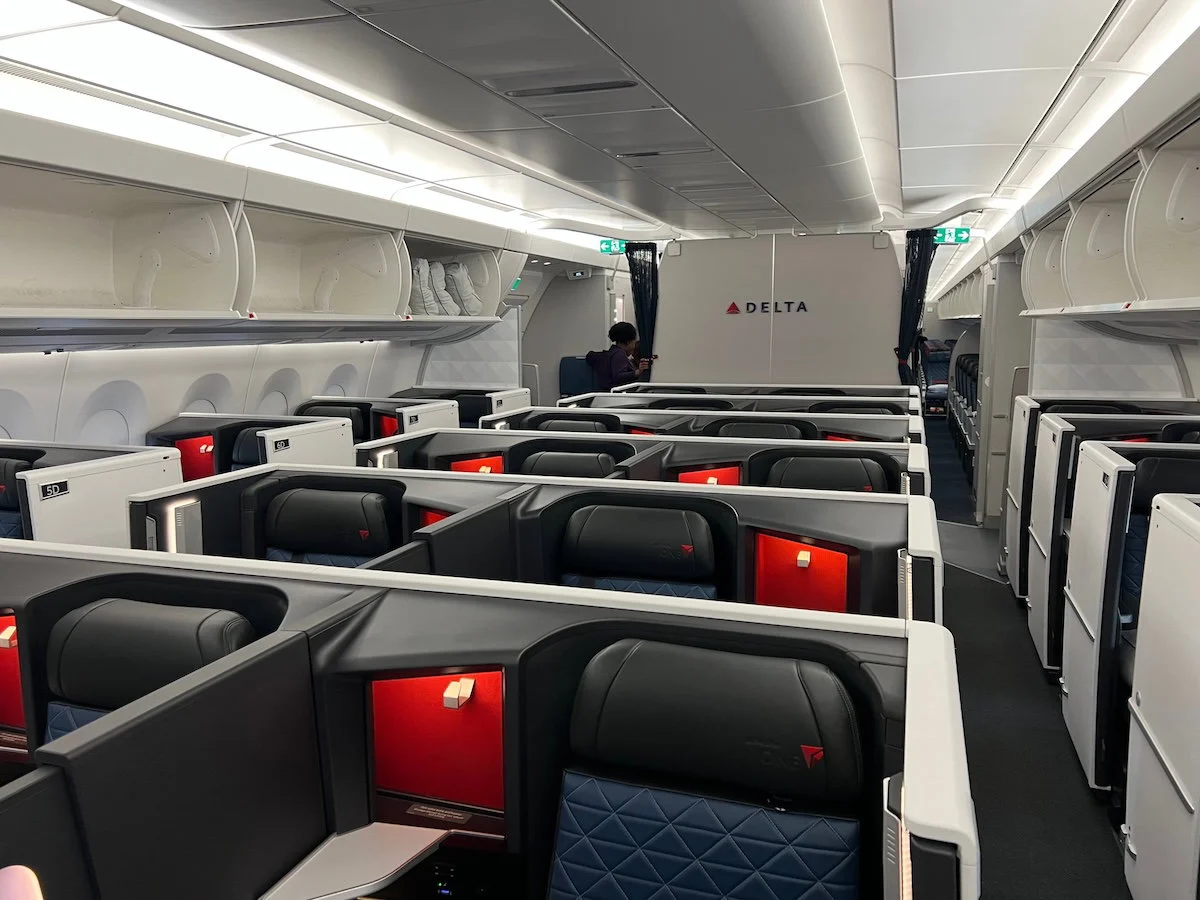
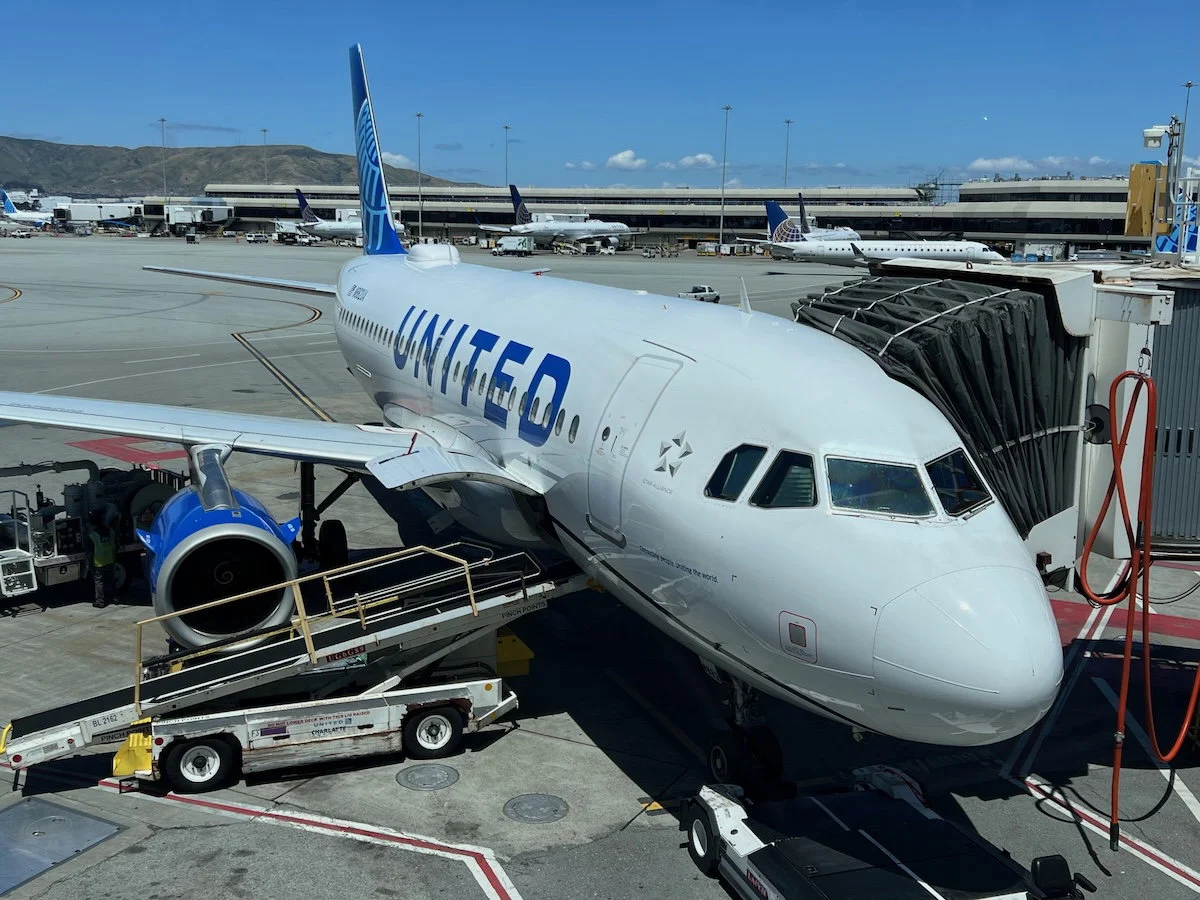
The aviation industry classifies "luxury" long-haul travel by the presence of lie-flat seats. Currently, those seeking a premium experience to Iceland are limited to seasonal summer flights operated by major US carriers (such as Delta or United), which deploy wide-body aircraft with flat-bed business class products. Once the summer season concludes, these aircraft are diverted, leaving travelers with standard recliner seats for the remainder of the year.
The Year-Round Premium Gap
Air China’s deployment of the Airbus A330-300 changes this dynamic. With 30 lie-flat business class seats available 52 weeks a year, this route becomes the only consistent option for premium travelers heading to Iceland during the winter months.
For the business traveler or the luxury tourist, the difference between a 1,300-mile flight in a standard recliner versus a lie-flat bed is immense. The Copenhagen-Keflavík leg, while relatively short at approximately 1,337 miles, will offer a level of comfort previously unavailable on this regional route. It provides a unique opportunity for travelers to experience long-haul comfort on a short-haul flight, a rarity in modern aviation.
Official Responses and Strategic Implications
Industry analysts have reacted with cautious optimism. While Air China is not traditionally categorized as a "five-star" luxury carrier, the hardware provided on the A330-300 is undeniably superior to the current market offerings in the North Atlantic-Icelandic corridor.
Implications for Tourism
The Icelandic tourism board has expressed interest in the route, noting that the flight will likely increase the influx of high-net-worth travelers from the Asian market. By easing the transit burden, Iceland becomes a more attractive destination for wealthy Chinese travelers who previously found the journey too cumbersome.
Competitive Response
The introduction of this route forces a question for competitors like Icelandair: will they be forced to upgrade their onboard product to remain competitive for the high-end segment? While Icelandair’s business model relies heavily on efficiency and hub-and-spoke connectivity, the presence of a "true" business class product on the Copenhagen route could cannibalize their premium passenger base.

Furthermore, Copenhagen (CPH) is a major Star Alliance hub. By integrating the route into its network, Air China may see increased traffic from Scandinavian travelers looking for a comfortable way to reach Iceland, potentially shifting market share away from traditional carriers that operate narrow-body aircraft on the same route.
The Future of the "Fifth Freedom" Model
The success of this route will largely depend on the pricing strategy. If Air China prices the Copenhagen-Keflavík segment competitively, it could revolutionize travel for regional European travelers. If, however, the pricing remains prohibitive, it may serve only as a niche option for those using miles or looking for specific luxury upgrades.
Looking Ahead to 2026
As the aviation industry approaches the October 2026 launch date, all eyes will be on the booking trends. Air China is not just launching a flight; they are testing a new model for Icelandic connectivity. If successful, this could pave the way for other Asian carriers to experiment with similar fifth-freedom arrangements, effectively ending the era of Iceland being a "premium-lite" destination.
For the savvy traveler, the ability to book a flat-bed seat between Denmark and Iceland is a significant win. Whether one is flying from Beijing or simply looking for the most comfortable way to transit between Scandinavia and the land of fire and ice, this new service represents a long-overdue upgrade to the North Atlantic travel experience.
As we move closer to the launch, the industry will be watching closely to see if this model becomes a template for future routes, potentially connecting more of Asia to the Nordic region in ways previously deemed unfeasible. One thing is certain: the sky above the North Atlantic is becoming a little more crowded, and for the premium passenger, that is a development worth celebrating.