







The landscape of American aviation is currently defined by a high-stakes chess match between the "Big Three" carriers—American, Delta, and United. While much industry discourse has centered on American Airlines’ struggle to engineer a comprehensive financial turnaround, a more subtle, long-term battle is unfolding across the Pacific Ocean. Delta Air Lines, historically reliant on strategic joint ventures, is shifting toward an aggressive, independent expansion strategy. However, early financial indicators from the second quarter of 2026 suggest that this transition is proving more difficult than the carrier’s leadership may have anticipated.
The Strategic Shift: From Partners to Pioneers
For years, Delta’s Pacific strategy was characterized by a reliance on its partnership with Korean Air. By funneling the majority of its Asian traffic through the Seoul Incheon (ICN) hub, Delta maintained a capital-efficient, low-risk footprint in the region. This allowed the airline to benefit from Asian market connectivity without the immense overhead of managing a sprawling, standalone long-haul network.
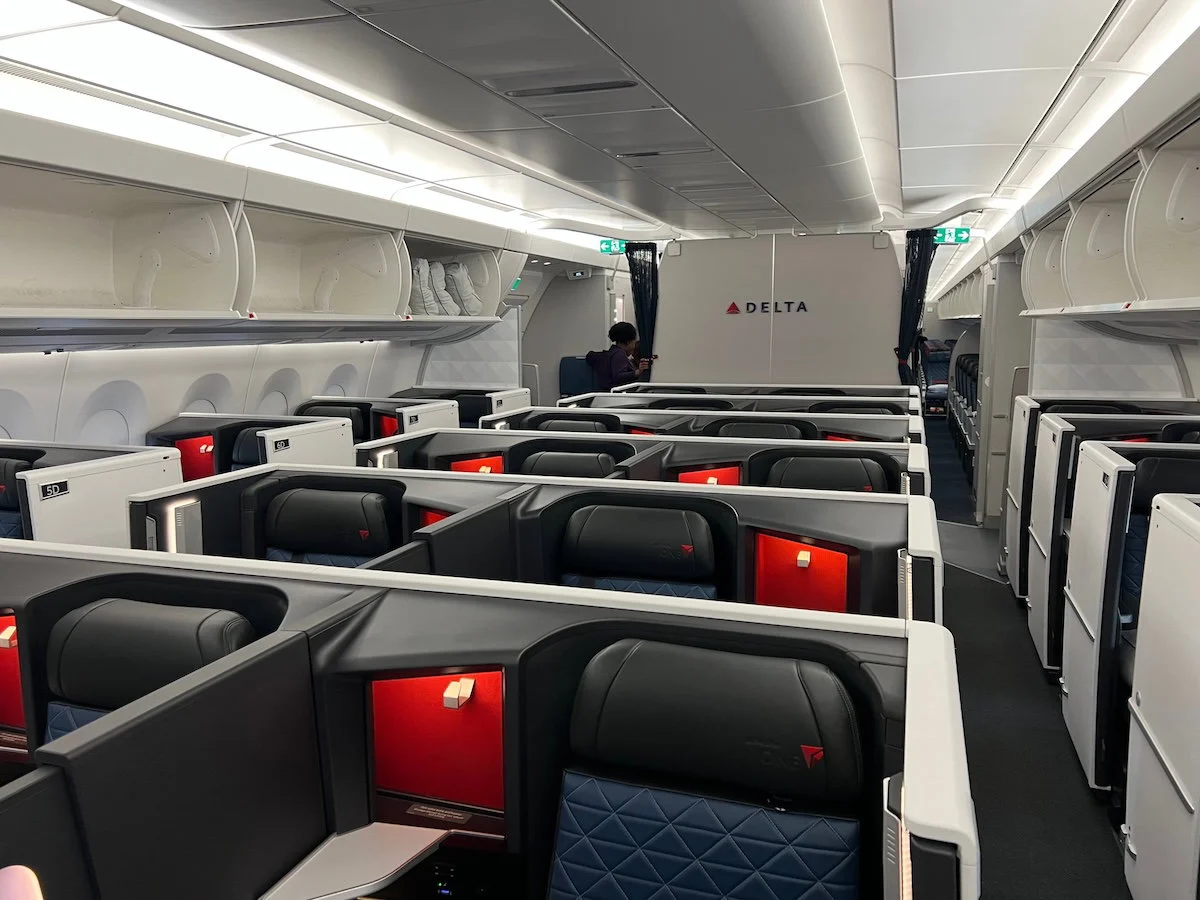
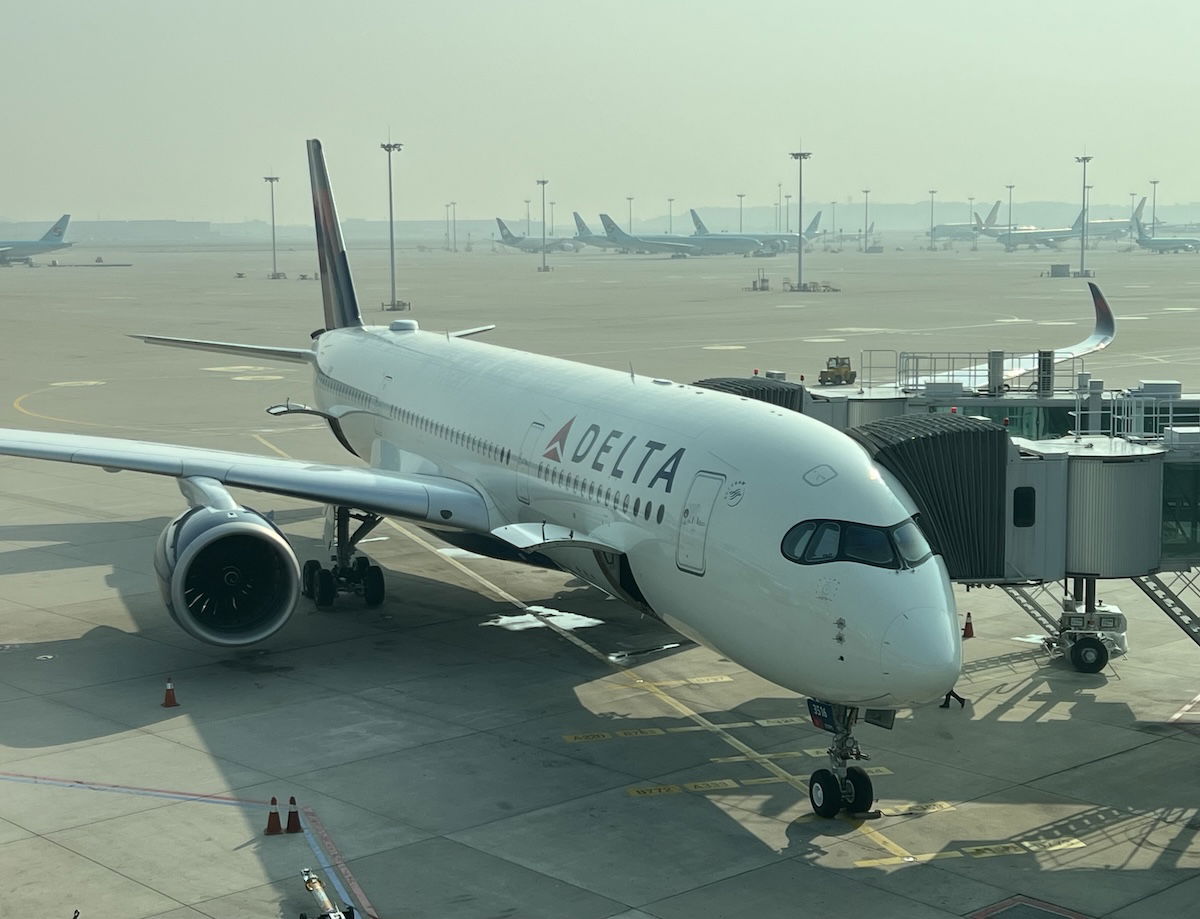
In a marked departure from this conservative approach, Delta has initiated an aggressive expansion program. The airline is moving to establish a robust, nonstop presence in major financial hubs, including recent launches to Hong Kong (HKG), with service to Manila (MNL) scheduled for 2027 and Singapore (SIN) already in the development pipeline. These moves are not merely about connecting dots on a map; they represent a fundamental challenge to United Airlines’ historical dominance in the region. Furthermore, this expansion is inextricably linked to Delta’s broader corporate mandate to solidify its influence at Los Angeles International Airport (LAX), a critical gateway for trans-Pacific travel.
A Chronology of Competitive Escalation
The rivalry between Delta and United has reached a fever pitch in 2026. While Delta is attempting to force its way into established markets, United has utilized its existing network efficiency to solidify its position.
In early 2026, the industry observed a significant divergence in how these carriers managed capacity. During the second quarter, US carriers largely benefited from a favorable pricing environment, as airlines successfully passed increased jet fuel costs onto the consumer. However, when examining Pacific-specific data, the performance metrics reveal a distinct gap between the strategies employed by the major carriers.
While American and United reported that yield growth—the average fare paid per mile—significantly outperformed their capacity growth, Delta’s performance was inverse. Delta’s capacity growth outpaced its yield growth, signaling that the airline is currently struggling to command the premium pricing necessary to justify its rapid expansion.
Supporting Data: The Q2 2026 Reality Check
The financial data from the second quarter of 2026 serves as a sobering reminder of the costs associated with market entry. In the aviation industry, "yield" is the lifeblood of profitability. When an airline adds capacity faster than it can drive up yields, it often points to a reliance on heavy discounting or an inability to fill aircraft with high-margin, business-class passengers.
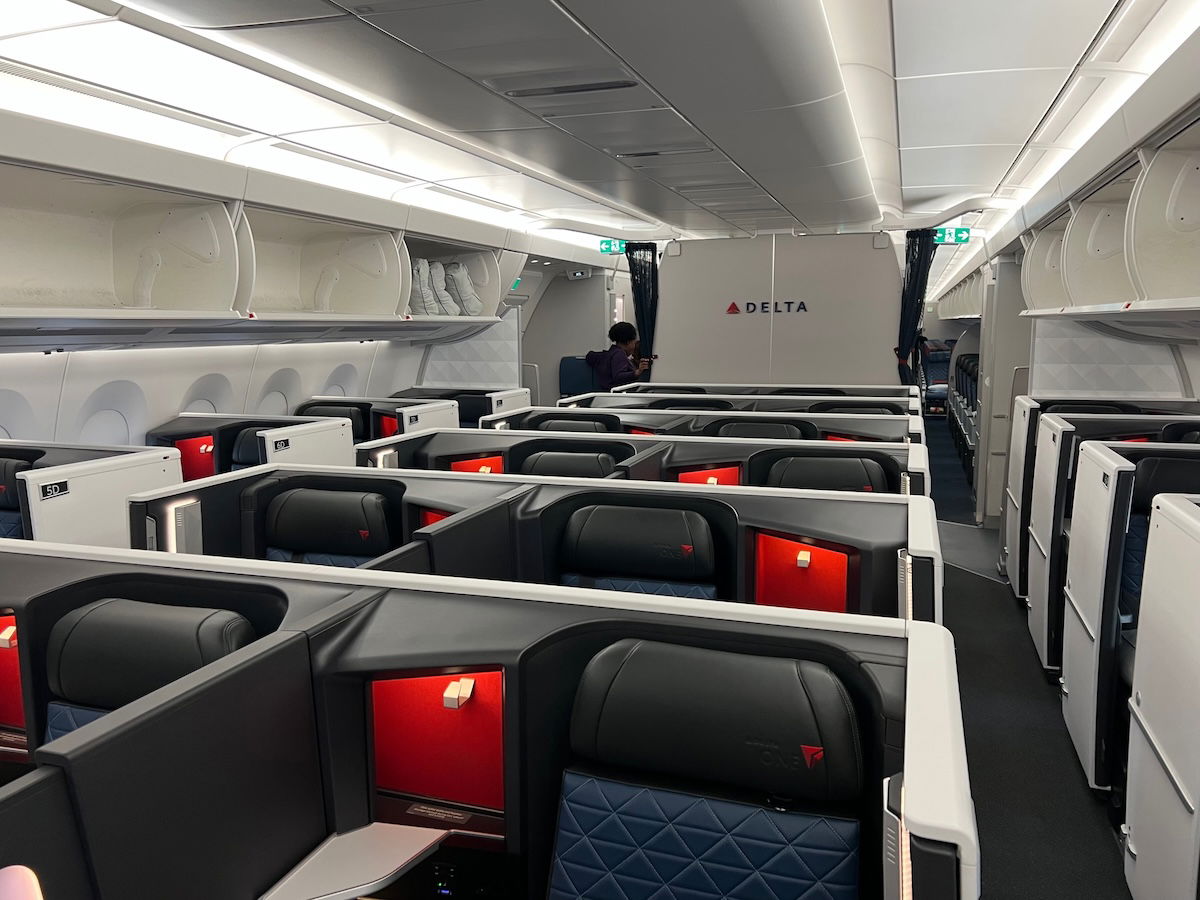
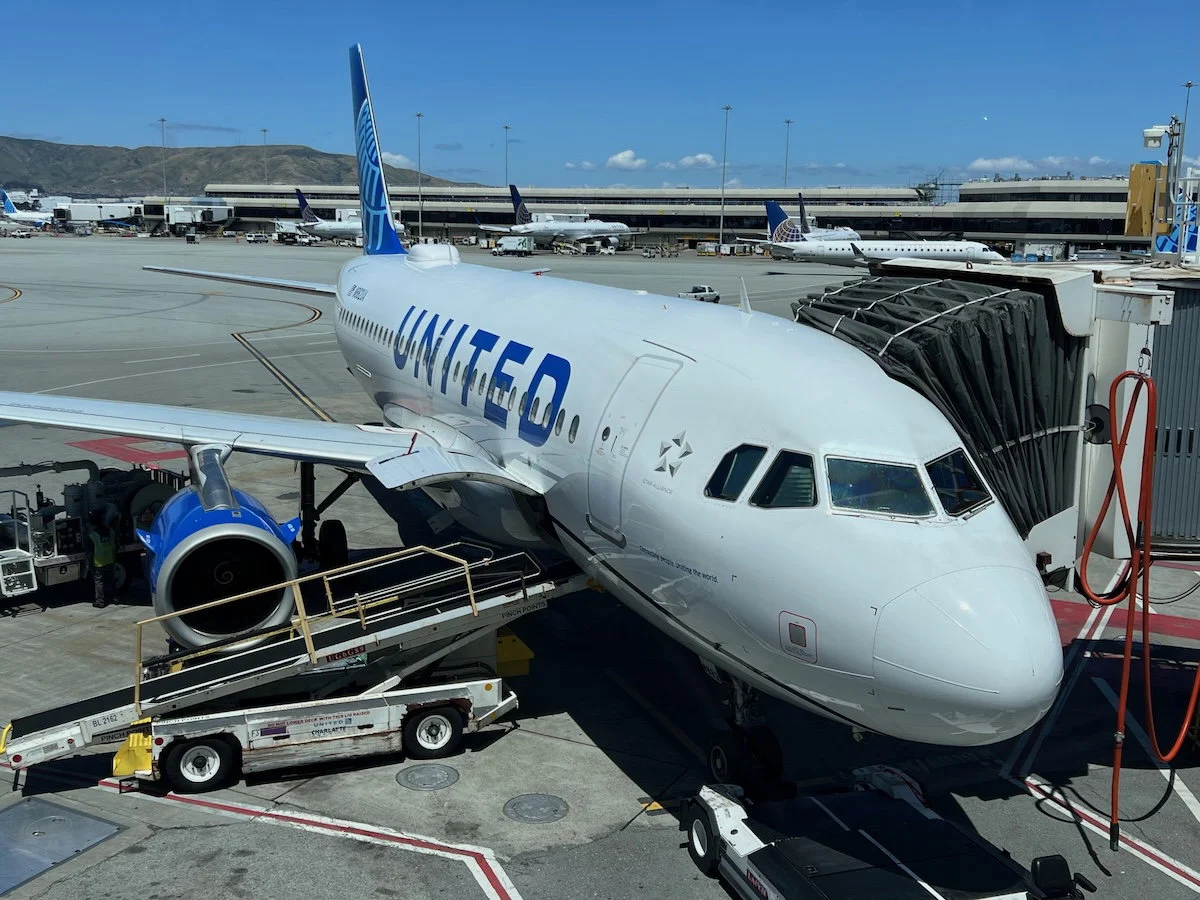
At United, the strategy of using "tag" flights—such as connecting routes through Bangkok (BKK) and Ho Chi Minh City (SGN)—has proven to be a masterclass in network optimization. By feeding traffic into their core Pacific hubs, United has managed to keep load factors high and yields strong. Conversely, Delta’s attempt to challenge United on key routes like LAX-HKG has hit a period of friction.
Market analysts have noted that while Delta’s long-term goal is to achieve market parity or superiority, the current numbers indicate a "negative outlier" status. By increasing seat inventory in the Pacific faster than the market’s willingness to pay the corresponding ticket price, Delta is effectively subsidizing its own market entry at the expense of short-term profitability.
Official Responses and Internal Sentiment
The intensity of this rivalry is reflected in the internal communications of the competing firms. Reports surfaced in July 2026 regarding a meeting led by United’s Chief Commercial Officer, Andrew Nocella. In a candid assessment of the competitive landscape, Nocella addressed the success of United’s route structure, specifically referencing the LAX-HKG connection.
"The LA-HKG route is quite successful now as a result of the [BKK/SGN] tags," Nocella stated. "We face new competition now from another airline based in ATL, and I know they’re not going to do very well there. I can already tell from their pricing. They’re unable to fill up their airplanes."
This statement highlights the skepticism within the industry regarding Delta’s "sexy route" strategy. While observers previously questioned whether United’s focus on exotic secondary markets was a distraction, the quarterly performance figures suggest that these routes are serving as vital demand-generators that support the main trunk lines. Delta, in its attempt to compete head-to-head, appears to be missing the network "feeder" advantage that United has meticulously cultivated over the last decade.
The Challenges of Ultra-Long-Haul Economics
Expanding into the Pacific is not merely a logistical challenge; it is an economic one. Ultra-long-haul flights are notoriously expensive to operate, requiring significant fuel reserves, specialized crew staffing, and premium aircraft configurations.
Delta faces three primary hurdles that will define its success or failure in the coming years:
- Loyalty Friction: Building a brand presence in Asian markets requires deep-seated loyalty from local travelers. Without the advantage of a long-standing local partner or a massive, pre-existing corporate travel contract base in these regions, Delta is fighting an uphill battle for the "business-class dollar."
- Market Saturation: The Pacific routes are currently contested by some of the most efficient airlines in the world, including legacy Asian carriers and United. Attempting to capture market share in a mature environment inevitably leads to price wars, which compress margins for all participants.
- The "Pivot" Cost: Delta is currently in the middle of a strategic pivot. While they are the most consistently profitable US carrier, that profitability is largely rooted in their domestic dominance and premium transatlantic offerings. Reallocating resources to the Pacific creates a temporary dip in overall corporate margins, a reality that investors will only tolerate for a limited window of time.
Implications for the Future
As we look toward the remainder of 2026 and into 2027, the industry must ask whether Delta’s Pacific gamble will pay dividends or become a structural drain on its balance sheet.
To Delta’s credit, the airline has never been one to shy away from long-term capital investment. The development of a global network is an iterative process, and it is entirely possible that current yield figures reflect the "growing pains" of a new entrant. However, the data confirms that Delta cannot simply rely on its brand reputation to displace competitors.
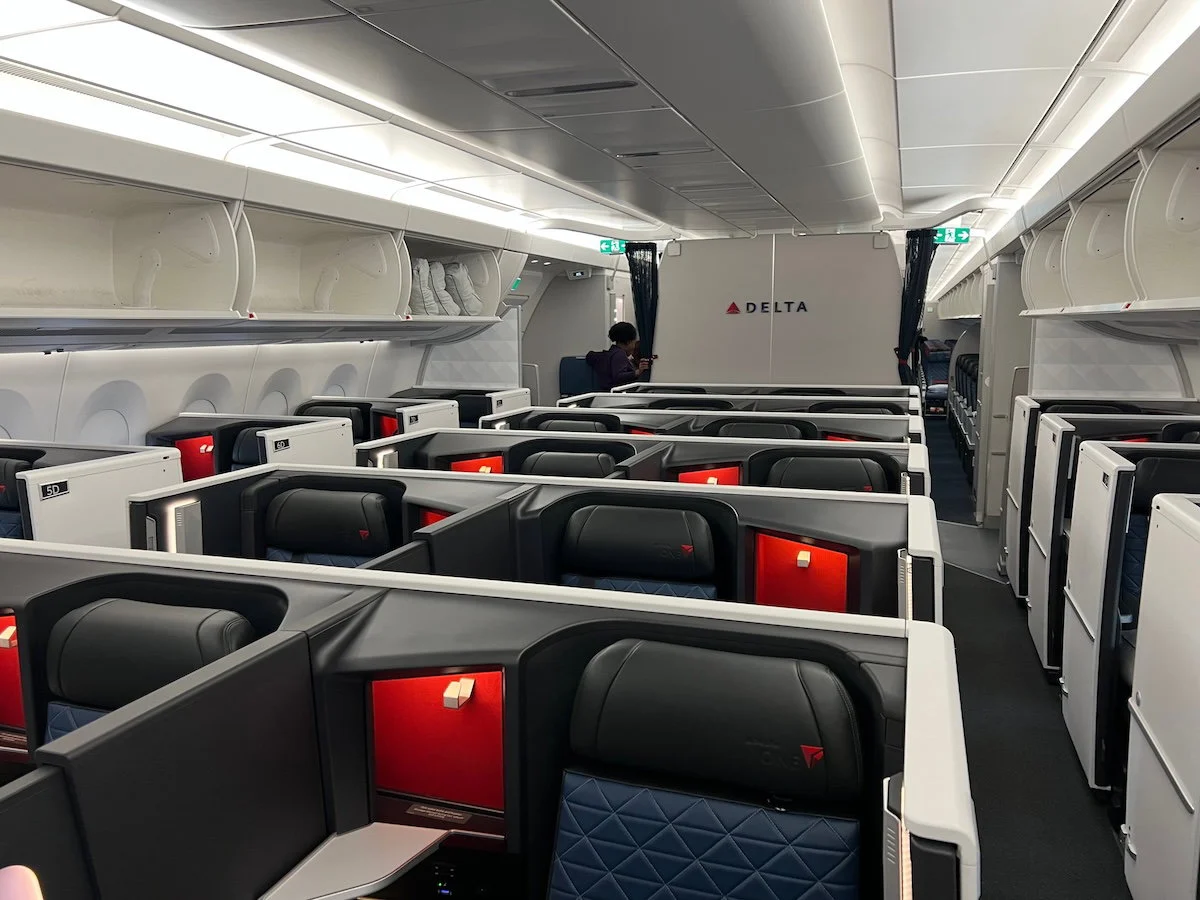
For the average consumer, this competition is a temporary boon. Increased capacity on Pacific routes typically leads to more competitive pricing and better service offerings as airlines scramble to differentiate their onboard products. But for stakeholders, the focus remains on the "yield vs. capacity" metric. If Delta continues to expand capacity without a corresponding rise in yields, the pressure on management to justify the strategy will mount.
Ultimately, the battle for the Pacific is a test of whether a carrier can force its way into a market through sheer scale or whether the "network effect"—the ability to feed traffic into hubs—is the true prerequisite for success. As United continues to leverage its existing infrastructure and Delta attempts to build its own from the ground up, the divergence in their performance will likely become the defining narrative of the next fiscal year.
The question remains: Can Delta survive the initial period of heavy losses in pursuit of a long-term foothold, or will the market forces of the Pacific prove too entrenched for even the most disciplined US carrier to conquer? The data from the upcoming Q3 and Q4 reports will be the first indicators of whether Delta’s strategy is a visionary expansion or a costly miscalculation.