





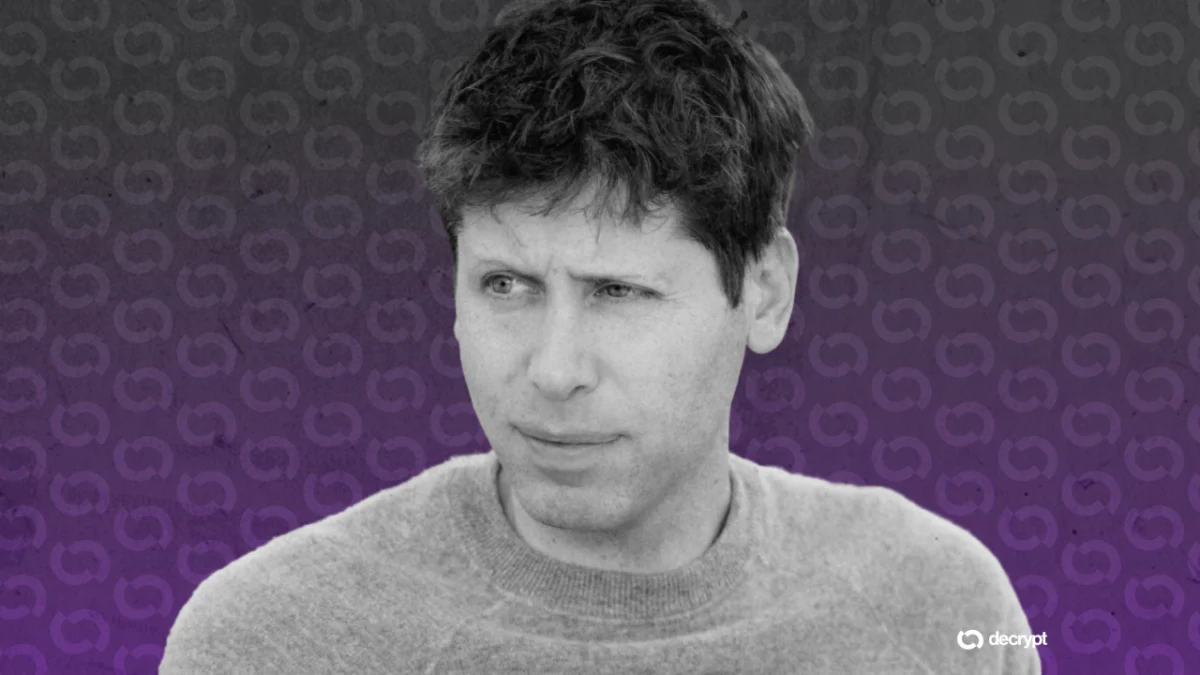
In a stunning pivot that has sent shockwaves through both Hollywood and Silicon Valley, Amazon MGM Studios has abruptly halted the release of Artificial, the highly anticipated feature film chronicling the dramatic 2023 boardroom coup that briefly ousted OpenAI CEO Sam Altman. The project, which was touted as the definitive account of the power struggle that reshaped the landscape of generative artificial intelligence, has been pulled from Amazon’s release calendar.
The decision, confirmed late Thursday, represents a rare instance of a major studio distancing itself from a nearly completed project helmed by an A-list director. Rather than burying the film, Amazon is now actively shopping the production to rival studios, effectively washing its hands of a film that insiders suggest became a liability to the company’s broader strategic interests.
The Chronology of a Corporate Collapse
The narrative of Artificial—written by Simon Rich and directed by the visionary Luca Guadagnino—was designed to capture the frantic, high-stakes atmosphere of November 2023, when the OpenAI board of directors blindsided the tech world by firing Sam Altman.
- November 2023: The "OpenAI Crisis" unfolds. Within a span of 72 hours, Altman is fired, investor backlash begins, Microsoft intervenes, and Altman is reinstated as CEO, leading to the dissolution of the original board.
- Early 2024: Amazon greenlights the project, seeing an opportunity to capitalize on the public fascination with the "Godfather of AI." The film attracts star power, with Andrew Garfield cast as Altman and Yura Borisov tapped to play OpenAI co-founder and chief scientist Ilya Sutskever.
- Mid-2024: Production proceeds at a rapid clip. Early drafts of the script, according to reports from Puck, paint a blistering portrait of the tech industry, with scenes depicting Altman as a Machiavellian figure.
- Late 2024: Following a screening of an advanced cut of the film, Amazon MGM Studios head Mike Hopkins reportedly concludes that the tone of the final product has veered too far from the original pitch.
- December 2024: Amazon formally notifies the production team that it will not move forward with the distribution of Artificial, initiating a search for a new studio home via Creative Artists Agency (CAA).
The Contentious Script: A "Social Network" for the AI Era
Industry analysts had long speculated that Artificial would serve as the definitive "The Social Network" for the current era—a film that defined the psychological and moral costs of Silicon Valley’s race to achieve Artificial General Intelligence (AGI).
However, the reality of the script reportedly proved too incendiary for the studio. Sources close to the production suggest that the film’s depiction of Sam Altman is profoundly unflattering. One specific scene, which has been cited as a point of contention, features the esteemed computer scientist Geoffrey Hinton delivering a scathing indictment of Altman, labeling him "one of the most manipulative people on the planet."
This characterization of the film as "darker than the original pitch" appears to be the primary driver of Amazon’s retreat. While the studio initially bought into the idea of a gritty drama, the final product reportedly crossed a threshold that Amazon’s leadership was no longer comfortable with, especially as the real-world relationships between Big Tech and OpenAI have grown increasingly interdependent.
Official Responses and Studio Diplomacy
Amazon MGM Studios has been careful to frame the departure as a creative mismatch rather than a corporate censorship event. In a statement released to the media, an Amazon spokesperson leaned heavily into the language of professional courtesy.
"We have the utmost respect and admiration for Luca Guadagnino as an award-winning filmmaker—not to mention a longstanding relationship that we hope to continue," the statement read. "We believe that Artificial will be better served if it were released by a different studio and are working closely with the filmmaking team to find the film a new home."
This diplomatic posture is designed to maintain the bridge with Guadagnino, the director behind critically acclaimed hits like Challengers and Call Me By Your Name. By positioning the move as "serving the film better" elsewhere, Amazon is attempting to avoid the stigma of "killing" an artistic work, even as the industry recognizes the move as a clear-eyed rejection of the film’s content.
The Implications: Where Corporate Interests and Art Collide
The decision to shelve Artificial cannot be viewed in a vacuum. It arrives at a critical junction where the interests of Amazon, its founder Jeff Bezos, and the subject of the film, Sam Altman, have become deeply intertwined.
The Financial Nexus
Only months ago, reports surfaced that Amazon had committed a staggering $50 billion toward OpenAI’s infrastructure needs. This financial entanglement is significant. Amazon, through AWS, is a primary provider of the massive computational power required for OpenAI’s models. For a studio owned by the company that is effectively underwriting the operations of the very person the film seeks to expose, the conflict of interest is glaring.
The Political Landscape
Furthermore, Sam Altman has successfully transitioned from a tech executive into a key player in the corridors of Washington D.C. His cultivation of close ties to the incoming Trump administration has made him a vital political asset. Amazon, which has spent years navigating the regulatory pressures of the federal government, has a vested interest in maintaining stable, favorable relationships with the individuals closest to the levers of power in the nation’s capital.
Jeff Bezos himself has famously sought to keep his enterprises on good terms with political leadership, regardless of the administration in power. Releasing a film that potentially delegitimizes or smears a person as politically connected as Sam Altman could be interpreted as a hostile act by a corporate giant that prefers to stay out of the crosshairs of power brokers.
The Future of Artificial
The film is now being shopped to other studios. Whether a rival will pick up the project depends on their appetite for risk and their own exposure to the AI sector. While a studio like A24 or Neon might view the "too dark" label as a badge of honor that could drive buzz, the high production costs associated with a feature film of this scale mean that finding a distributor with the necessary capital—and the lack of ties to OpenAI—will be an uphill battle.
Conclusion: A Cautionary Tale
The abandonment of Artificial serves as a stark reminder of the realities governing modern Hollywood. In an era of media consolidation, where studios are often mere wings of massive, multi-industry conglomerates, the ability for art to challenge power is increasingly constrained by the bottom line.
When that "bottom line" includes multi-billion dollar infrastructure deals with the subject of a biopic, the "creative differences" cited by studio heads begin to look remarkably like corporate self-preservation. As the filmmaking team searches for a new home for the project, the story of Artificial may ultimately prove more compelling than the film itself: a meta-narrative about how the power dynamics of the AI age are already dictating which stories are allowed to be told, and which are relegated to the archives of the "too difficult to distribute."
For now, Andrew Garfield’s portrayal of one of the world’s most influential figures remains in limbo—a fitting fate for a film about the most unstable, unpredictable period in the history of artificial intelligence.