









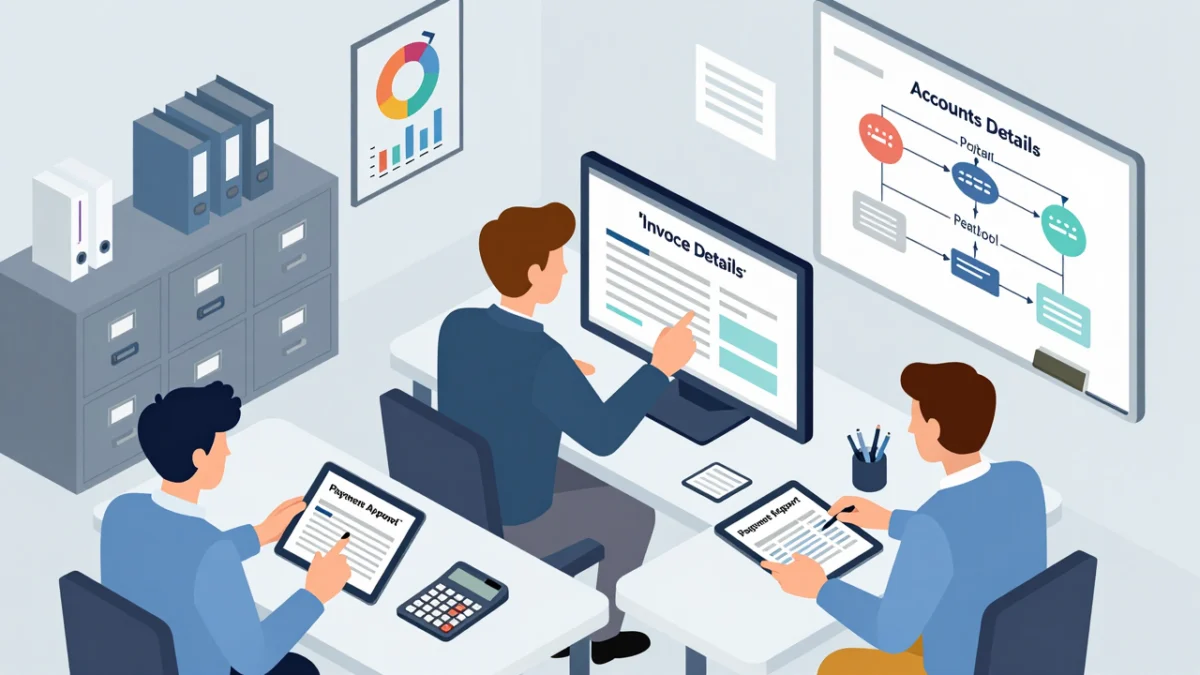
In the complex ecosystem of modern business, the accounts payable (AP) workflow acts as the silent engine of financial health. It is the structured, systematic process by which a company tracks, manages, and executes payments to its suppliers for goods and services rendered. While often relegated to the back-office, the efficiency of this workflow serves as a critical indicator of a company’s operational maturity. From the moment an invoice lands in a digital inbox to the final reconciliation of funds, every step in the AP lifecycle represents an opportunity to either hemorrhage capital through inefficiencies or capture value through strategic financial management.
As businesses navigate an increasingly digital landscape, the transition from manual, paper-based systems to automated, intelligent workflows has become a competitive imperative. With the average invoice exception rate hovering at a staggering 22%, the margin for error is high, and the costs of stagnation are mounting.
The Anatomy of the Accounts Payable Workflow: Main Facts
At its core, an accounts payable workflow is more than just a payment schedule; it is a vital internal control mechanism. The primary objective is to ensure that all liabilities are legitimate, accurately recorded, and paid in accordance with contractual terms.

The process typically begins with Invoice Capture, where data is ingested into the financial system. This is followed by Verification, the critical phase where documentation is reconciled against purchase orders (POs) and shipping manifests. Once verified, the Approval process begins, requiring authorization from designated stakeholders to ensure spend compliance. Finally, Payment Execution—via ACH, wire, or digital payment—closes the loop. When these stages are optimized, businesses experience improved liquidity, reduced risk of fraud, and, most importantly, enhanced supplier relations.
The Chronology of an Invoice: A Step-by-Step Breakdown
Understanding the lifecycle of an invoice is essential for any financial leader looking to refine their operations. The process follows a predictable, yet often complex, chronology:
1. Procurement and Purchase Order Generation
The journey does not begin with an invoice; it begins with a purchase order. Establishing a clear PO at the outset is the first line of defense against unauthorized spending.

2. Receipt and Capture
Once a vendor delivers goods or services, they issue an invoice. In a modern workflow, this is captured via Optical Character Recognition (OCR) or direct electronic data interchange (EDI), minimizing the need for manual keying.
3. The Verification (Three-Way Matching)
The "Three-Way Match" is the gold standard of AP verification. This involves cross-referencing three documents: the Purchase Order (what we asked for), the Goods Received Note (what we actually got), and the Vendor Invoice (what we are being billed for). Any discrepancy at this stage is flagged as an "exception," requiring human intervention.
4. Approval Routing
Once verified, the invoice is routed to the appropriate department head or budget owner. Multi-level approval workflows ensure that no payment is processed without the necessary oversight, effectively mitigating the risk of fraudulent activity or budget overruns.

5. Settlement and Reconciliation
After approval, the payment is scheduled. Modern platforms often suggest the optimal payment date to maximize cash flow—paying as late as possible without incurring penalties, while still capturing early-payment discounts.
Supporting Data: The Case for Digital Transformation
The financial impact of a disorganized AP department is quantifiable. According to the 2021 State of AP Report, 61% of organizations reported significant improvements in processing speed and accuracy immediately following the implementation of automation tools.
Furthermore, data suggests that manual data entry is the single largest driver of operational cost. The average cost to process a single invoice manually can range from $12 to $30, whereas automated processing can reduce this figure to under $3 per invoice. When scaled across thousands of transactions annually, the savings translate to millions of dollars in bottom-line profitability.

Beyond raw cost, the "exception rate" remains the most critical KPI. With a 22% industry average, roughly one in five invoices requires additional, costly labor to resolve. Reducing this rate through automated validation and vendor portals is the fastest way to reclaim lost administrative hours.
Official Industry Perspectives and Expert Insights
Financial controllers and CFOs consistently emphasize that AP is no longer just about "paying bills"; it is about "supply chain intelligence."
Industry experts argue that an automated AP department functions as a strategic data hub. By digitizing the workflow, companies gain real-time visibility into their liabilities. This allows leadership to perform accurate cash flow forecasting, which is critical during periods of market volatility. Furthermore, the shift toward "vendor self-service portals" has transformed the supplier relationship. Instead of fielding constant "where is my payment?" inquiries, suppliers can log in to check the status of their invoices, leading to a significant reduction in administrative friction.

Implications for Business Strategy
The implications of a well-managed AP workflow extend far beyond the accounting department.
Strengthening Supplier Relations
Suppliers prioritize customers who pay on time. By streamlining the approval process, companies can consistently meet payment deadlines, which often leads to preferential treatment, such as better pricing tiers, early access to new inventory, or more favorable contract terms during supply chain disruptions.
Enhancing Cash Flow Management
Efficient AP management allows a business to hold onto its cash for the duration of the payment terms. Conversely, it ensures that if an early-payment discount (e.g., 2% discount for payment within 10 days) is available, the company has the internal efficiency to capture it. These small percentages add up to substantial annual savings.

Fraud Mitigation and Compliance
Manual processes are rife with vulnerabilities, including "ghost vendors," duplicate invoices, and unauthorized payments. A digital, automated workflow leaves a permanent audit trail. Every action—who approved it, when it was verified, and when it was paid—is timestamped and immutable. This level of transparency is essential for Sarbanes-Oxley (SOX) compliance and audit readiness.
Overcoming Common Hurdles
Despite the clear benefits, many organizations remain tethered to legacy systems. The most common challenges include:
- Resistance to Change: Staff accustomed to manual processes may fear that automation will replace their roles. In reality, automation elevates their role from data entry clerks to financial analysts.
- Data Silos: When AP software does not integrate with the ERP or procurement systems, data gaps occur. Implementing an integrated, cloud-based platform is the solution to creating a single source of truth.
- Incomplete Digitization: Scanning a paper invoice is not true automation. True efficiency requires moving to electronic invoicing (e-invoicing) where the data flows directly from the vendor to the accounting system without manual intervention.
Conclusion: The Future of Accounts Payable
The transition toward an automated accounts payable workflow is not merely a technological upgrade; it is a fundamental shift in business philosophy. In a globalized economy, the speed and accuracy of your financial back-office directly impact your agility as an organization.

By investing in automated capture, rigorous three-way matching, and digitized approval flows, businesses can eliminate the most common bottlenecks that lead to late fees, duplicate payments, and strained vendor relationships. The result is a resilient financial operation that provides leadership with the clarity, capital, and confidence needed to scale in a competitive marketplace. As we move further into the decade, the companies that treat their AP workflow as a strategic asset—rather than a necessary administrative burden—will undoubtedly be the ones that define the future of their respective industries.