








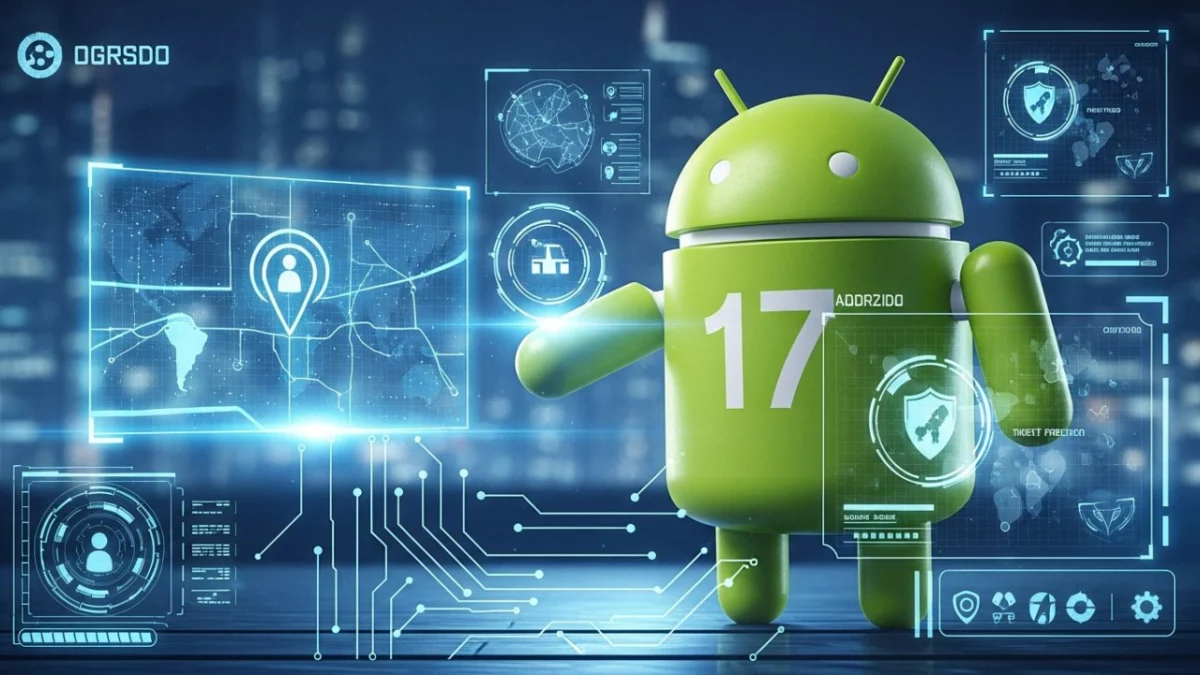
In an era where the digital perimeter is increasingly porous, small business owners (SBOs) find themselves at the intersection of technological opportunity and existential cybersecurity risk. As cyber-attacks grow in sophistication—moving beyond simple phishing to complex, AI-driven data exfiltration—the tools required to defend a business must evolve at a commensurate pace. Enter Android 17: the latest iteration of Google’s ubiquitous mobile operating system, which arrives not merely as a feature update, but as a robust defensive suite designed to harden the mobile endpoints that serve as the nerve centers for modern small enterprises.
For the modern entrepreneur, the smartphone is no longer just a communication device; it is a point-of-sale terminal, a customer relationship management (CRM) hub, and a remote office. The security vulnerabilities inherent in mobile hardware can jeopardize sensitive financial records, proprietary client lists, and intellectual property. With the release of Android 17, Google has introduced a paradigm shift, moving toward granular, user-centric security controls that empower business owners to protect their digital assets with unprecedented precision.
The Evolution of Mobile Security: A Chronological Overview
To understand the significance of Android 17, one must contextualize its development within the broader arc of mobile operating system evolution.
- The Early Years (Android 1.0 – 5.0): Initially focused on functionality and app ecosystem growth, early Android security was reactive, focusing primarily on basic sandboxing and app permissions.
- The Maturation Phase (Android 6.0 – 11.0): This period saw the introduction of runtime permissions and Google Play Protect, signaling a move toward proactive threat detection and user-granted access.
- The Privacy-Centric Shift (Android 12.0 – 16.0): Google began prioritizing user privacy, introducing the Privacy Dashboard and more granular permission controls, effectively limiting how much data apps could siphon in the background.
- The Current Era (Android 17): Marking a move toward "Intelligent Defensive Infrastructure," Android 17 integrates behavioral analysis, advanced biometric locking, and hardened entry protocols to create a "zero-trust" mobile environment.
This chronological progression demonstrates that Android 17 is the culmination of years of iterative refinement, specifically aimed at closing the gap between consumer-grade convenience and enterprise-grade security.
Granular Control: Privacy as a Business Asset
One of the most profound shifts in Android 17 is the introduction of refined, context-aware permissions. Small businesses often rely on a variety of third-party logistics, marketing, and delivery applications. Previously, granting these apps permission to access location or contact lists was an "all-or-nothing" proposition—a dangerous gamble for a business owner holding sensitive client data.
Precision Location Sharing
Android 17 introduces temporary, precise location access. For a local retailer using a logistics partner, the business can now grant access to their location only during specific delivery windows. Once the task is complete, the permission automatically expires. This significantly reduces the digital footprint a business leaves across various platforms, mitigating the risk of data harvesting by third-party aggregators.
Selective Contact Access
Similarly, the ability to grant apps access to specific contact subsets rather than an entire address book is a game-changer for networking. Business owners can now share a professional contact group with a sales lead-generation app without exposing their personal network or confidential supplier list. This granular control is not just a privacy feature; it is a tactical business advantage that maintains data integrity while facilitating operational connectivity.
The Find Hub and Biometric Hardening
The physical loss of a mobile device remains a primary source of corporate data breaches. When a smartphone containing emails, invoices, and cloud access tokens goes missing, the clock starts ticking on a potential disaster.
Android 17 addresses this with a significantly bolstered "Mark as Lost" function within the Find Hub. In previous versions, locking a device was a binary state that could sometimes be bypassed or rendered ineffective if the device was disconnected from a network. In Android 17, the system leverages hardware-backed biometric security to ensure that even if a device is offline, it remains a brick to any unauthorized user.
Furthermore, the integration of biometric security means that even if a perpetrator manages to guess a device’s passcode, they cannot disable tracking or bypass the lock screen without the authorized user’s biometric input. For the SBO, this provides peace of mind that their hardware—and the data residing within—remains inaccessible, effectively turning a potential breach into a minor hardware replacement inconvenience.
Proactive Defense: Live Threat Detection and Advanced Protection
The threat landscape is no longer dominated by blunt-force malware. Modern cyber-criminals employ social engineering and obfuscated scripts designed to hide within legitimate-looking apps. Android 17 counters this with an upgraded Live Threat Detection system.
By utilizing on-device machine learning, the OS monitors app behavior in real-time. If an application begins to exhibit suspicious patterns—such as unauthorized data exfiltration or rapid, encrypted outbound connections—the system automatically halts the process and notifies the user. This "first-line-of-defense" approach is critical for small businesses that may not have dedicated IT staff or complex enterprise-level firewalls.
Additionally, the Advanced Protection Mode has been fortified. This mode, intended for high-risk users, now imposes stricter limitations on sideloading apps and requires stronger, multi-factor authentication (MFA) for account changes. For an SBO handling high-value transactions or sensitive healthcare/financial data, activating this mode provides a layer of defense usually reserved for large-scale enterprise environments.
Official Responses and Strategic Implications
A spokesperson for Google emphasized the philosophy behind these updates, stating: "With Android 17, we empower users to manage their data with greater precision. Our goal is to move security from the background to the forefront, giving small business owners the tools to confidently navigate a digital landscape that is increasingly hostile to unprotected data."
The implications of this shift are twofold:
- Operational Resilience: By reducing the risk of a successful breach, businesses can maintain continuity. A single ransomware attack or customer data leak can lead to catastrophic financial and reputational damage. Android 17 acts as a buffer against these outcomes.
- The Human Element: The technology is only as effective as the people using it. The complexity of these features necessitates a shift in business culture. SBOs must move beyond viewing "security" as a technical task and start treating it as a core component of their operational strategy.
The Implementation Challenge: Training and Adoption
While the technology is advanced, the transition to Android 17 is not without hurdles. For small teams, the "learning curve" can be a deterrent. Employees who are accustomed to unrestricted access may find the new, granular permission prompts intrusive or confusing.
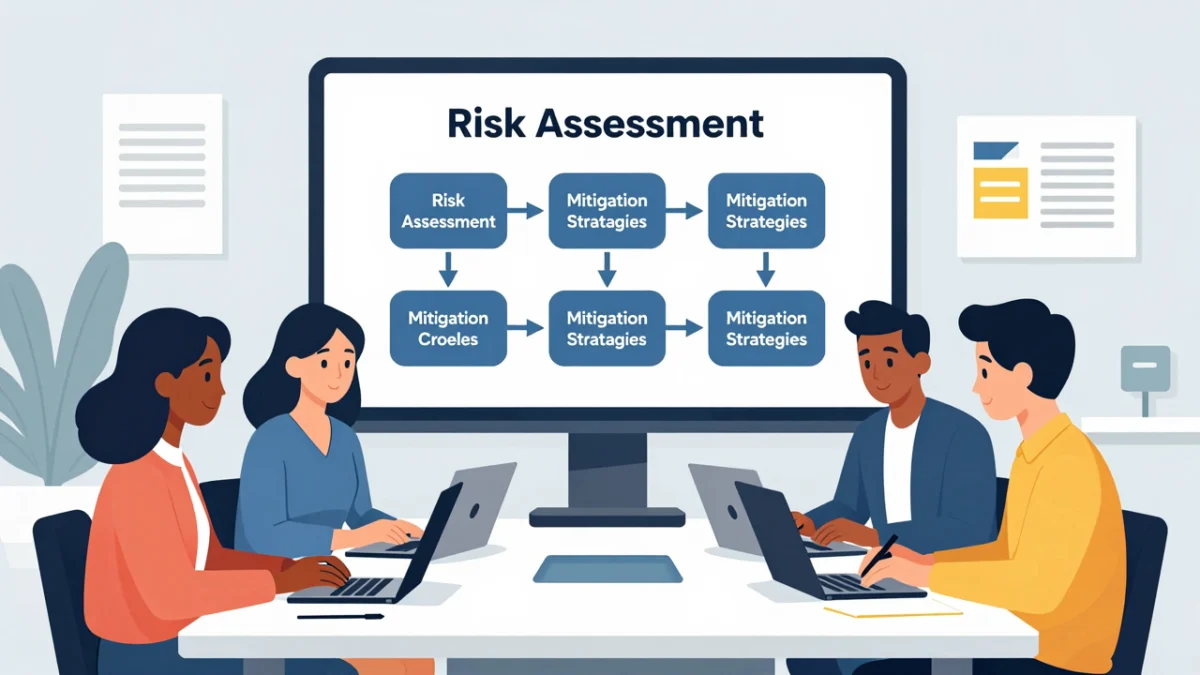
To successfully integrate these features, SBOs should consider the following roadmap:
- Internal Audits: Map out which business apps require what level of access. Define a policy for what data is "need-to-know" for each employee role.
- Employee Education: Conduct brief, focused training sessions. Explain that these security measures are not about surveillance, but about protecting the collective health of the business and its client relationships.
- The "Updated Always" Policy: Security features are only as strong as the patch level of the device. Make it a business mandate to install OS updates as soon as they are released. These updates often contain critical patches for "zero-day" vulnerabilities that, if left unpatched, could render all other security features moot.
Conclusion: Securing the Future
The digital world is evolving at a breakneck pace, and for the small business owner, the cost of inaction is higher than ever. Android 17 represents a vital evolution in how we protect our most valuable asset: information. By embracing granular permissions, utilizing hardware-backed security, and fostering a culture of cybersecurity awareness, entrepreneurs can turn their mobile devices from potential liabilities into powerful, secure platforms for growth.
As we look toward the future, the integration of AI-driven threat detection and user-centric privacy controls will likely become the standard for all mobile platforms. By adopting these practices today, small businesses not only protect their current operations but also build the foundational security required to scale in a global, digital-first economy. The tools are now at your fingertips—it is time to put them to work.
For more information on the technical specifications of these updates, please refer to the official Google Android 17 announcement.