








Editorial Disclosure: Many of the products featured on this page are from our advertising partners who may compensate us when you take certain actions on our website or click to take an action on their website. However, this does not influence our evaluations. Our opinions are our own.
Main Facts: Understanding the Financial Shield
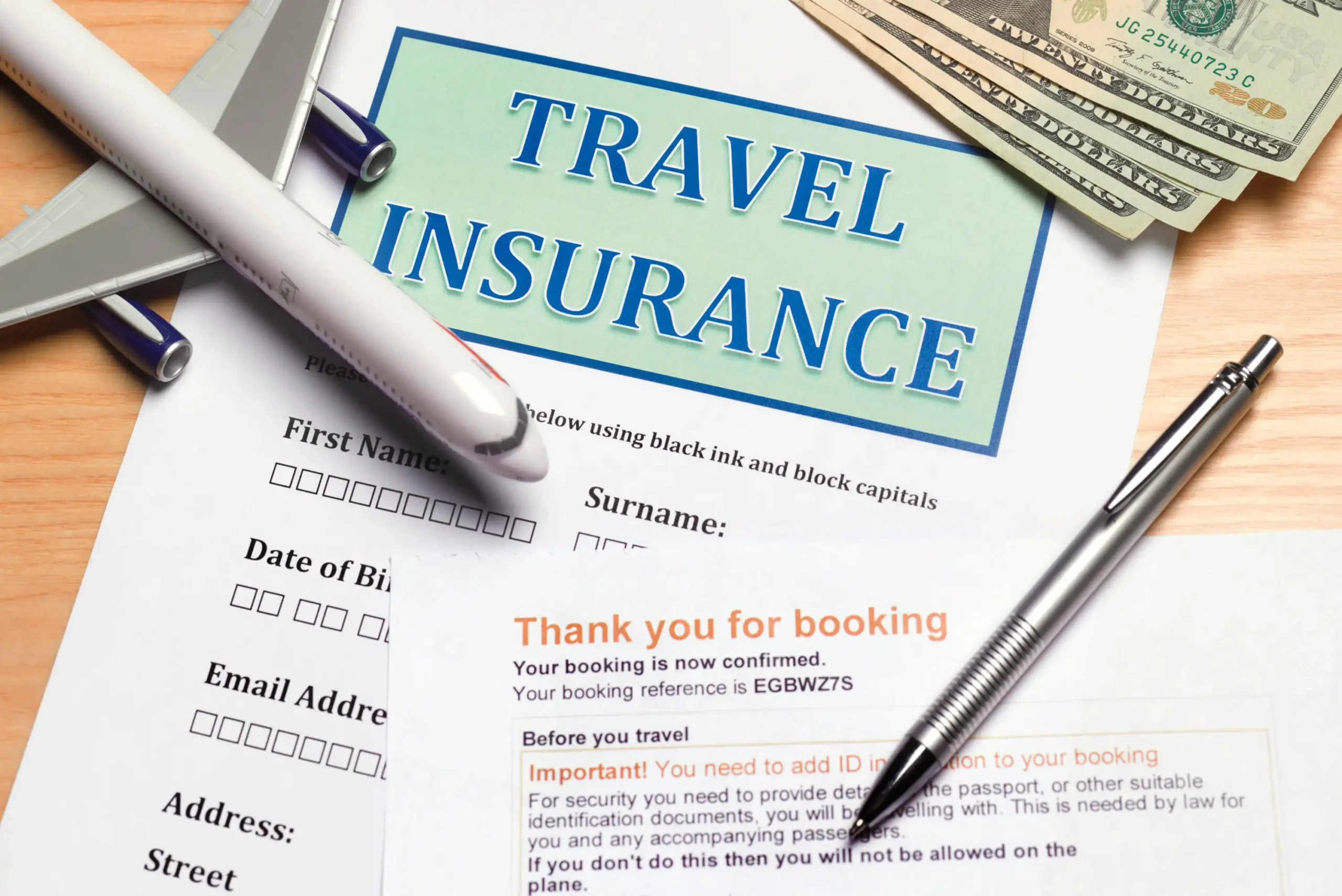
Whether you are a seasoned globetrotter or a first-time vacationer, the allure of travel is often tempered by the reality of the unexpected. A sudden illness, a severe weather event, or the abrupt cancellation of a flight can transform a dream itinerary into a logistical and financial nightmare. Travel insurance serves as a critical financial safety net, designed to mitigate the impact of unforeseen disruptions that can derail even the most carefully managed travel budgets.
Travel insurance is not a preventative measure—it cannot stop a storm or prevent an accident—but it acts as a contractual promise to reimburse travelers for specific, documented losses. Policies are generally structured as single-trip plans or annual multi-trip coverage, with premiums determined by coverage limits, the traveler’s age, destination, and the specific nature of the risks involved. While the nuances of these policies vary, the objective remains constant: to provide a bridge between the total loss of a vacation investment and the peace of mind necessary to explore the world with confidence.
Chronology of Risk: Why Timing Matters
The lifecycle of a travel insurance policy is as important as the coverage itself. The "chronology" of a trip—from the moment of booking to the final return—determines what is eligible for protection.
- The Booking Phase: The window immediately following your first trip deposit is the most critical time for insurance. Many providers offer "time-sensitive" benefits, such as coverage for pre-existing medical conditions or "Cancel for Any Reason" (CFAR) eligibility, only if the policy is purchased within 14 to 21 days of the initial payment.
- The Departure Phase: Once the trip begins, the policy shifts focus toward in-transit protections, such as travel delays, baggage issues, and medical emergencies.
- The In-Destination Phase: This is where comprehensive medical and evacuation coverage becomes paramount. The risks here range from minor ailments to catastrophic medical emergencies that require specialized transport.
- The Return Phase: The final stage concludes when the traveler arrives back home, at which point standard trip insurance coverage generally terminates.
Supporting Data: The Cost of the Unexpected
Recent industry trends indicate that the demand for robust travel protection is at an all-time high. According to data from the U.S. Travel Insurance Association and platforms like Squaremouth, the average insured trip now costs roughly $8,000, underscoring why travelers are increasingly reluctant to leave their investments unprotected.
Furthermore, statistics reveal that trip cancellation and disruption claims account for approximately 40% of all paid travel insurance claims. Perhaps most telling is the rise of CFAR (Cancel for Any Reason) insurance; by late 2025, nearly 10% of all policies sold included this flexible rider—a record high. This data reflects a shift in consumer behavior: travelers are no longer just insuring against health risks, but against the general unpredictability of modern global travel.
Types of Coverage: A Breakdown of Protection
Trip Insurance: The Gold Standard
Trip insurance is the most comprehensive, covering both pre-trip and in-trip risks.
- Single Trip vs. Annual: Single-trip plans are ideal for a specific vacation, whereas annual plans are designed for the frequent flyer, often offering better value for those who travel more than three times a year.
- Key Protections: These plans typically include Trip Cancellation (for covered reasons), Trip Interruption (reimbursing unused portions of a trip), and Travel Delay (covering meals and lodging during long layovers).
Travel Medical and Evacuation
For those heading abroad, relying on domestic health insurance is often a dangerous gamble. Many private and government-sponsored health plans, such as Medicare, provide little to no coverage outside of their home borders.
- Emergency Medical: Reimburses costs for treatment of illness or injury.
- Emergency Medical Transportation: This is arguably the most vital piece of coverage. The cost of an air ambulance from a remote region can exceed $100,000. Comprehensive policies often provide up to $500,000 in evacuation coverage to ensure you can reach a medical facility that meets international standards.
Specialized Policies
- Travel Accident Insurance: Often confused with flight insurance, this provides lump-sum cash payments in the event of death or dismemberment. It acts more like a life insurance policy tailored to the risks of travel.
- Business Equipment Coverage: Designed for professionals, this helps replace or rent equipment that is lost, stolen, or damaged while in transit.
Official Perspectives and Expert Guidance
Insurance experts emphasize that the "fine print" is where coverage lives or dies. Many travelers mistakenly assume that a policy covers everything. However, standard policies often exclude "foreseeable" events, such as a hurricane that has already been named before you purchase your policy, or strikes that were announced prior to your departure.
Regarding the underwriting of policies, professionals strongly advise against purchasing insurance directly from tour operators or cruise lines. If the company itself faces insolvency, their insurance product may become void, leaving the traveler with no recourse. It is statistically safer to utilize independent third-party insurers with long-standing reputations.
Implications: The Psychological and Financial ROI
The decision to purchase travel insurance should be viewed through the lens of risk management.
Financial Implications
The cost of insurance typically ranges from 4% to 10% of the total trip cost. When viewed against the potential loss of thousands of dollars in nonrefundable airfare and hotel deposits, the premium is a rational expense. Furthermore, for travelers visiting countries with high medical costs, insurance is a hedge against bankruptcy-level expenses.
Professional and Personal Considerations
One’s personal situation dictates the necessity of certain riders. If you are a parent with young children, or if you are caring for an elderly relative, the likelihood of a last-minute cancellation increases, making the investment in CFAR coverage a logical move. Similarly, for the business traveler, the ability to replace a lost laptop or rebook a flight at a moment’s notice is not just a luxury—it is a requirement for operational continuity.
Conclusion: Investing in Peace of Mind
Travel insurance is ultimately an exercise in "buying" peace of mind. It cannot prevent the flight from being delayed, nor can it stop an illness from interrupting a long-awaited getaway. However, it effectively manages the financial fallout of these events.
In an era where political instability, climate change, and unpredictable airline operations are part of the landscape, the traditional "wait and see" approach to travel is becoming obsolete. By assessing your specific risks—whether that be the need for medical evacuation in a remote area or the need for flexibility due to work demands—you can craft a safety net that allows you to focus on the experience itself. As the saying goes, money may not buy happiness, but in the context of a ruined vacation, the right insurance policy is the closest financial equivalent to preserving it.
Before your next departure, take the time to review your coverage options, scrutinize the exclusions, and ensure that your protection aligns with your itinerary. After all, the best trip is the one where you can focus on the destination, not the potential cost of the journey.