









"My goal is not to buy one property. My goal is to build a machine that continuously funds future acquisitions."
For most aspiring real estate investors, the journey begins in the "observation zone"—a purgatory of podcasts, YouTube tutorials, and late-night Zillow scrolling. Osama, a Detroit-based investor who scaled from zero to nearly 30 units in just over 12 months, spent his own time in that exact space. He watched others succeed while questioning his own hesitation.
"There was no amount of podcasts, books, YouTube videos, or courses that could replace taking action," Osama reflects. "The difference between those I watched and myself was never the resume or the capital—it was that they started, and I didn’t."
Today, Osama operates with a ruthless, mathematical efficiency. Partnering with the FIRE Realty Team in Detroit, he has turned the BRRRR (Buy, Rehab, Rent, Refinance, Repeat) strategy into a repeatable, high-velocity engine. His recent experience—a case study in looking past "vanity metrics"—serves as a masterclass for investors who are tired of just watching from the sidelines.
The Philosophy: ARV Is Not a Paycheck
To understand Osama’s success, one must understand his "buy box." He focuses on single-family homes in stable Detroit neighborhoods, typically priced under $120,000. While many investors hunt for the highest After-Repair Value (ARV) to inflate their net worth on paper, Osama is a contrarian.
He operates under a simple, brutal maxim: "Equity you can’t pull back out is just a number you quote at parties."

In the BRRRR method, the exit—the refinance—is the most critical phase. If an investor cannot pull their initial capital out during the refinance, the "machine" stalls. If the capital is trapped in equity, it cannot be recycled into the next deal. Therefore, Osama runs the refinance numbers before he even considers the offer price. If the cash flow doesn’t support a debt service that allows for a full capital recovery, the deal is dead on arrival, regardless of how high the ARV looks.
The Chronology of a Search: Three Paths
To illustrate the gap between theoretical value and functional profit, consider a recent search Osama conducted. He evaluated three distinct opportunities, each representing a different approach to the Detroit market.
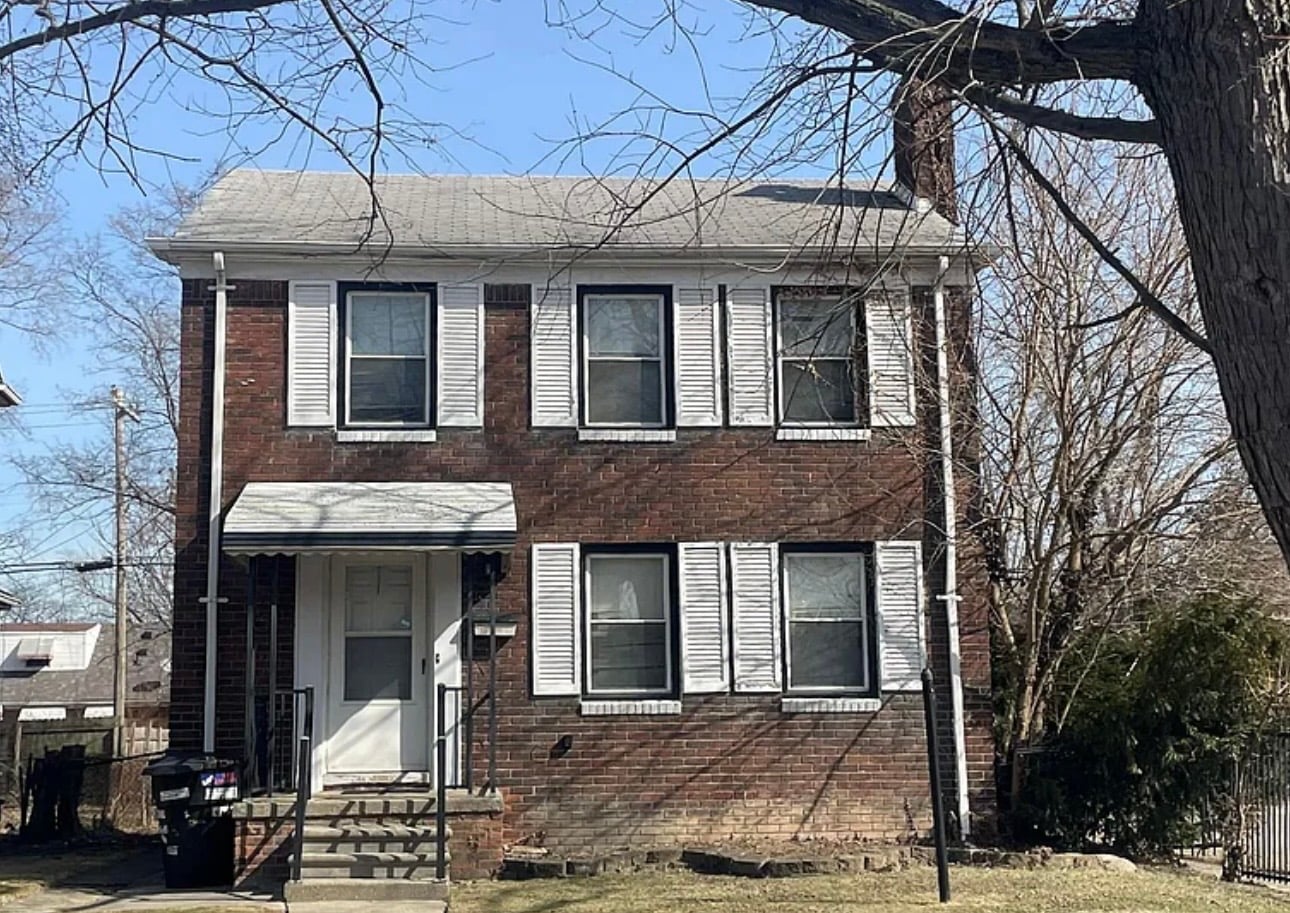
Option 1: The East Side Colonial
- Price: $90,000
- Estimated ARV: $200,000
- The Appeal: This 1,600-square-foot colonial in the Morningside neighborhood presented a massive, attractive spread. On paper, it looked like a "home run."
- The Reality: The rent-to-value ratio was soft. Furthermore, the east side of Detroit carries higher operational risks for investors, including the recurring headache of furnace theft. When Osama modeled the refinance, the cash flow did not justify the debt load required to unlock the equity.
Option 2: The Morningside Twin
- Price: $80,000
- Estimated ARV: $200,000
- The Appeal: A smaller, 1,500-square-foot sibling to the first property.
- The Reality: While the entry price was lower, the underlying issue remained: the refinance would not return enough capital to satisfy the velocity requirement of his model. It was a good deal, but it lacked the "engine" capacity to fuel the next acquisition.
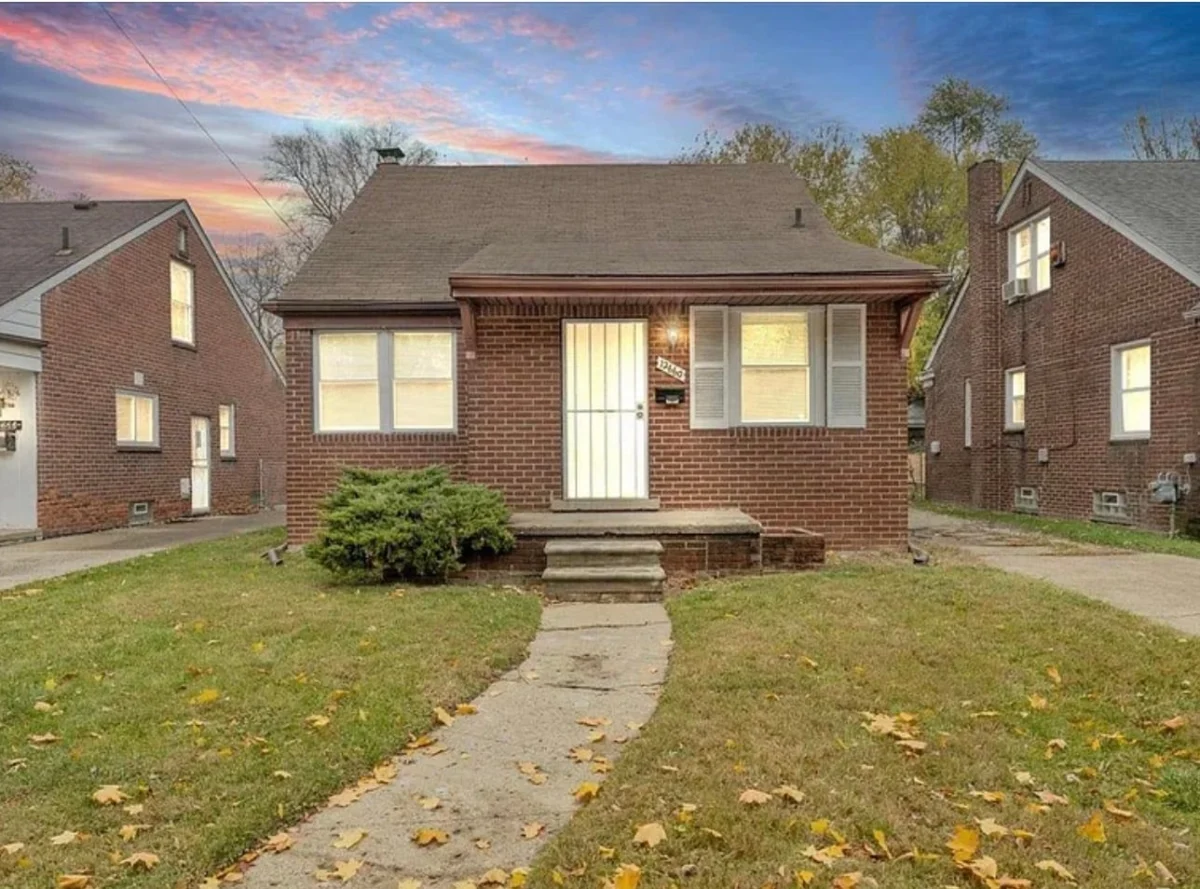
Option 3: The West Side Bungalow
- Price: $105,000
- Estimated ARV: $145,000
- The Appeal: At first glance, this was the "weakest" deal. It had the lowest ARV and the highest list price.
- The Reality: This property sat in a west-side pocket where the rental market was significantly more robust. The cash flow was superior, providing a higher yield that actually serviced the debt and left a margin for profit.
Supporting Data: Why the "Worst" Deal Won
When analyzing these properties, Osama realized that most investors would instinctively gravitate toward the $200,000 ARV of the east-side colonials. It is the ego-driven choice. However, real estate is not an ego game; it is a math game.
Osama’s broker, Julia of the FIRE Realty Team, notes that his success stems from his ability to ignore the "vanity" of equity. "I would call Osama a strategic risk-taker," Julia explains. "A lot of investors never get skin in the game because they are too paralyzed by the risk and work involved. The most successful real estate investors are the ones in the arena, rolling with the punches."
By choosing the west-side bungalow, Osama prioritized the "money that ends up in your pocket." He negotiated the $105,000 list price down to $80,000. This $25,000 price cut completely altered the basis of the deal, ensuring that his renovation costs and refinance loan would result in a "no-money-left-in" scenario.
| Metric | East Side Colonial | West Side Bungalow |
|---|---|---|
| List Price | $90,000 | $105,000 |
| Negotiated Price | N/A | $80,000 |
| ARV | $200,000 | $145,000 |
| Cash Flow Potential | Low | High |
| Refinance Viability | Poor | Excellent |
Official Perspective: The "Machine" Mentality
The implications of this strategy are profound. By focusing on cash flow over total equity, Osama has managed to scale from zero to 30 units in 12 months. Each property acts as a self-sustaining asset that provides the down payment for the next.
"The two east-side properties would have made money," Osama admits. "The west-side property made more money, and more importantly, it kept the chain of acquisition alive."
This approach requires discipline. It requires the investor to walk away from deals that look good on Zillow but fail the "refinance test." It requires the investor to stop caring about the appraisal figure and start caring about the monthly cash-on-cash return.
Implications for New Investors
For those currently waiting on the sidelines, the story of this Detroit bungalow offers three core lessons:
- Distrust the "Paper" Value: Never fall in love with an ARV. The market value is irrelevant if the property cannot support a loan that covers your total capital investment.
- Focus on Velocity: If your goal is to grow, your primary metric should be the speed at which you can recover your initial capital. If your capital is locked in a wall for five years, it is effectively dead capital.
- Negotiation is the Secret Sauce: The deal wasn’t "good" until Osama cut the price by $25,000. The best investors don’t just find deals; they create them through aggressive, data-backed negotiation.
As Osama puts it, "I do not buy properties to say I own them. I buy properties to create profit, generate cash flow, and build momentum. Every successful BRRRR is not just another rental. It is the down payment on the next opportunity."
In a market defined by high interest rates and stiff competition, the "machine" approach is not just a preference—it is a survival strategy. For those willing to do the math and ignore the vanity, the opportunity to scale remains as viable today as it was for those who started years ago. The question is no longer "Why can’t I do this?" but rather, "Are you willing to run the numbers that matter?"