








Introduction: A Major Shift in the Mining Landscape
In a move that underscores the shifting tides of the digital asset industry, SBI Crypto—a wholly-owned subsidiary of the Japanese financial conglomerate SBI Holdings—has officially announced the cessation of its Bitcoin mining pool operations. The decision marks the end of a seven-year chapter for the firm, which has stood as a significant player in the infrastructure layer of the cryptocurrency ecosystem since its inception in 2017.
According to an official company announcement, the firm will wind down its services by July 31. While the organization did not provide a specific, singular reason for the closure, the move comes at a time when the broader mining industry is grappling with profound economic pressures, including the post-halving reality of reduced block rewards, high energy costs, and a cooling market environment.
This development is not merely an isolated closure; it represents a broader structural realignment within the crypto-mining sector. As traditional mining pools face shrinking margins, many industry participants are looking toward more lucrative avenues, specifically the compute-heavy demands of Artificial Intelligence (AI) and high-performance computing (HPC).
Chronology: Seven Years of Infrastructure Dominance
To understand the significance of SBI Crypto’s departure, one must look at its trajectory since 2017.
- 2017: The Genesis: SBI Crypto launched its mining operations during the height of the first major retail crypto bull market. By establishing a dedicated mining arm, SBI Holdings signaled early institutional confidence in the underlying security model of the Bitcoin network.
- 2020–2022: Scaling Up: During the pandemic-era crypto boom, SBI Crypto significantly expanded its footprint, positioning itself as a reliable, institutional-grade participant in the global hash rate wars. The firm diversified its operations to include not only Bitcoin (BTC) but also Bitcoin Cash (BCH) and Litecoin (LTC), appealing to a broader range of miners.
- 2023: Market Headwinds: As the cryptocurrency market entered a period of volatility and the "crypto winter" took hold, the profitability of mining operations began to contract. Rising energy costs globally placed immense pressure on miners, particularly those operating in regions with less competitive power pricing.
- 2024: The Pivot: Following the Bitcoin halving in April 2024, which slashed the per-block reward for miners by 50%, the economic calculus for mining pools shifted drastically.
- July 2025 (Projected): The Final Shutdown: The company has set a firm deadline of July 31 to cease all operations. Until this date, SBI has assured its users that the pool will maintain "normal conditions," ensuring that miners can continue their operations and receive final payouts without interruption.
Supporting Data: The Current Mining Landscape
At the time of its closure announcement, SBI Crypto held the 11th position in the global ranking of Bitcoin mining pools by hash rate, according to data from Hashrate Index. This ranking is a testament to the scale of the operation, which provided a stable environment for smaller, individual miners to aggregate their computational power.
How Mining Pools Function
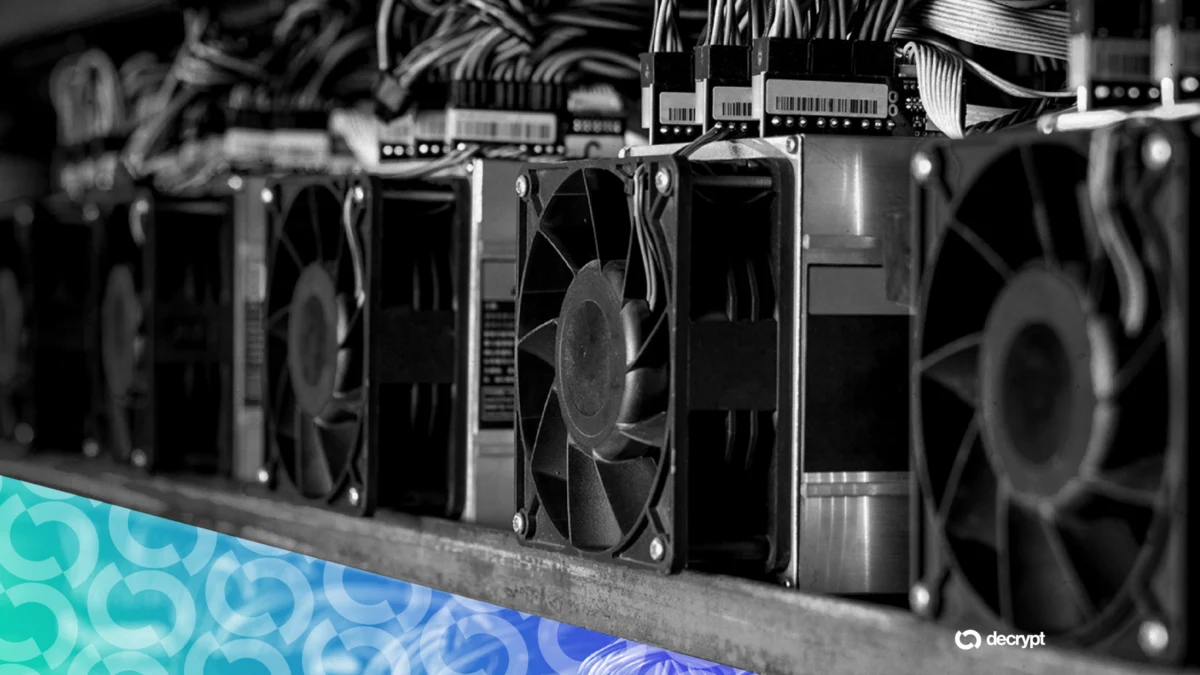
Mining pools operate on the principle of collective efficiency. Because the probability of a single, smaller operator solving a block on the Bitcoin network is statistically negligible, pools allow participants to combine their hash rate. When the pool successfully mines a block, the reward is distributed among participants based on the amount of computational power they contributed.
SBI Crypto’s departure forces these thousands of individual participants to migrate their hardware to other, larger pools. This migration is expected to cause a minor rebalancing of hash rate distribution among the top ten mining entities globally, potentially centralizing power further among the dominant players like Foundry USA or AntPool.
The Profitability Squeeze
The profitability of Bitcoin mining is intrinsically tied to two variables: the price of Bitcoin and the difficulty of the network. With the leading cryptocurrency experiencing significant volatility—falling more than 50% from its all-time high of $126,080 recorded in October—the overhead costs for maintaining massive server farms have become harder to justify for diversified financial conglomerates.
Official Responses and Transition Plans
In an effort to mitigate the disruption to its client base, SBI Crypto has taken a proactive approach to the transition. The firm confirmed that it is currently facilitating "business and technical discussions" with other reputable mining pool operators, most notably Braiins and Luxor.
A Message to Customers
In its official communication, the firm stated: "Our goal is to continue providing stable and reliable mining pool operations through the planned closure date. Until then, we expect the pool to continue operating under normal conditions, and customers may continue mining and receiving payouts as usual."
The firm further noted that they are working to ensure their clients are not left stranded. By liaising with other pools, SBI expects that some operators may offer "special programs or preferential conditions" to facilitate the migration of SBI’s existing hash rate to new platforms. This "soft landing" strategy is an attempt by SBI to maintain its reputation within the crypto-native community despite exiting the space.
Implications: The Trend Toward Artificial Intelligence
The closure of SBI Crypto is part of a larger, systemic shift within the industry. The narrative of "Bitcoin mining to AI pivot" has become the dominant theme of the 2024-2025 fiscal cycle.
The AI Pivot
The most prominent example of this trend is the publicly traded miner Bitfarms, which recently made headlines for winding down its Bitcoin mining operations entirely to pivot toward AI and HPC, rebranding as Keel Infrastructure. The logic is simple: the high-performance hardware and electrical infrastructure required for mining are increasingly being repurposed to support the insatiable demand for AI compute power.
For firms like SBI, the infrastructure they built for crypto is essentially a sunk cost that can be leveraged for more profitable tech-sector services. While some miners continue to balance both Bitcoin mining and AI data centers, others have decided that the regulatory and market volatility of crypto does not offer the same long-term stability as the burgeoning AI industry.
SBI Holdings’ Strategic Focus
It is crucial to note that while SBI Crypto is exiting the mining business, its parent company, SBI Holdings, remains deeply committed to the broader digital asset economy.
Just days before the announcement of the mining closure, SBI Holdings announced a $289 million deal to acquire Bitbank, one of Japan’s largest cryptocurrency exchanges. This illustrates a strategic pivot: the company is moving away from the high-risk, high-capex (capital expenditure) world of hardware-intensive mining and toward the high-margin, service-based world of retail and institutional crypto trading.
By offloading the mining operations, SBI is effectively trimming its balance sheet of assets that require constant hardware upgrades and heavy electricity consumption, choosing instead to focus on the software and financial service layers of the blockchain economy.
Conclusion: A New Chapter for Institutional Crypto
The wind-down of SBI Crypto serves as a bellwether for the maturation of the cryptocurrency sector. The early days of the industry were characterized by a gold-rush mentality, where financial firms were eager to participate in every facet of the ecosystem, including the energy-intensive process of mining.
Today, as the market matures, companies are moving toward specialization. The exit of a major player like SBI from the mining pool sector is likely to be viewed by historians as a turning point—a moment when large financial institutions decided that the "picks and shovels" of the crypto industry were best left to specialized firms, while they themselves focus on the financial infrastructure that facilitates mass adoption.
For the individual miners currently utilizing the SBI pool, the clock is ticking. The industry will be watching closely to see how effectively these miners transition to other pools and whether this consolidation leads to a more efficient or more centralized mining landscape. As the July 31 deadline approaches, one thing remains clear: while the mining machines may be winding down, the institutional integration of digital assets, led by firms like SBI, is only just beginning.