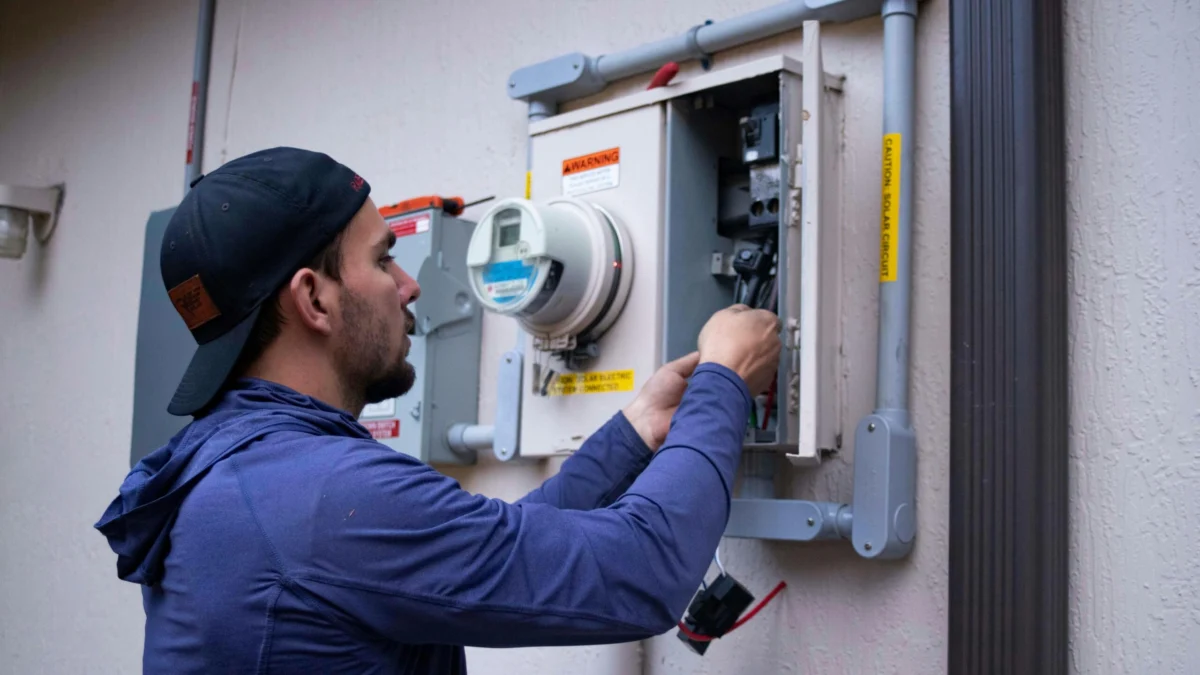







WASHINGTON, D.C. — July 7, 2026 — As the United States grapples with a summer defined by record-shattering temperatures, a sobering reality has emerged: for millions of Americans, the air conditioner is not a luxury, but a life-saving medical device. Yet, as heat indices climb, an antiquated regulatory framework continues to allow utility companies to disconnect power to households that fall behind on payments, effectively turning off the lifeline for the nation’s most vulnerable residents.
A newly released report from the National Consumer Law Center (NCLC), Protecting Access to Essential Utility Service During Extreme Heat and Climate Change, warns that the current patchwork of state regulations is insufficient to meet the challenges of an warming planet. With nearly 30 percent of the U.S. population struggling with the affordability of essential utility services, experts are calling for an immediate federal and state-level shift in how we view energy access.
The Main Facts: A Regulatory Gap in a Warming World
The central issue identified by the NCLC is the stark disparity between winter and summer protections. For decades, state legislatures have recognized the lethal nature of cold weather, establishing "winter moratoria" that prohibit utility companies from shutting off heat during the coldest months of the year.
However, this recognition has not been applied with equal vigor to the summer months. As of July 2026, only 19 states and the District of Columbia have enacted specific rules to prevent utility disconnections during periods of extreme heat. This leaves the majority of the country—including states in the Sunbelt like Florida, where humidity and heat create lethal “wet-bulb” conditions—without comprehensive protections.
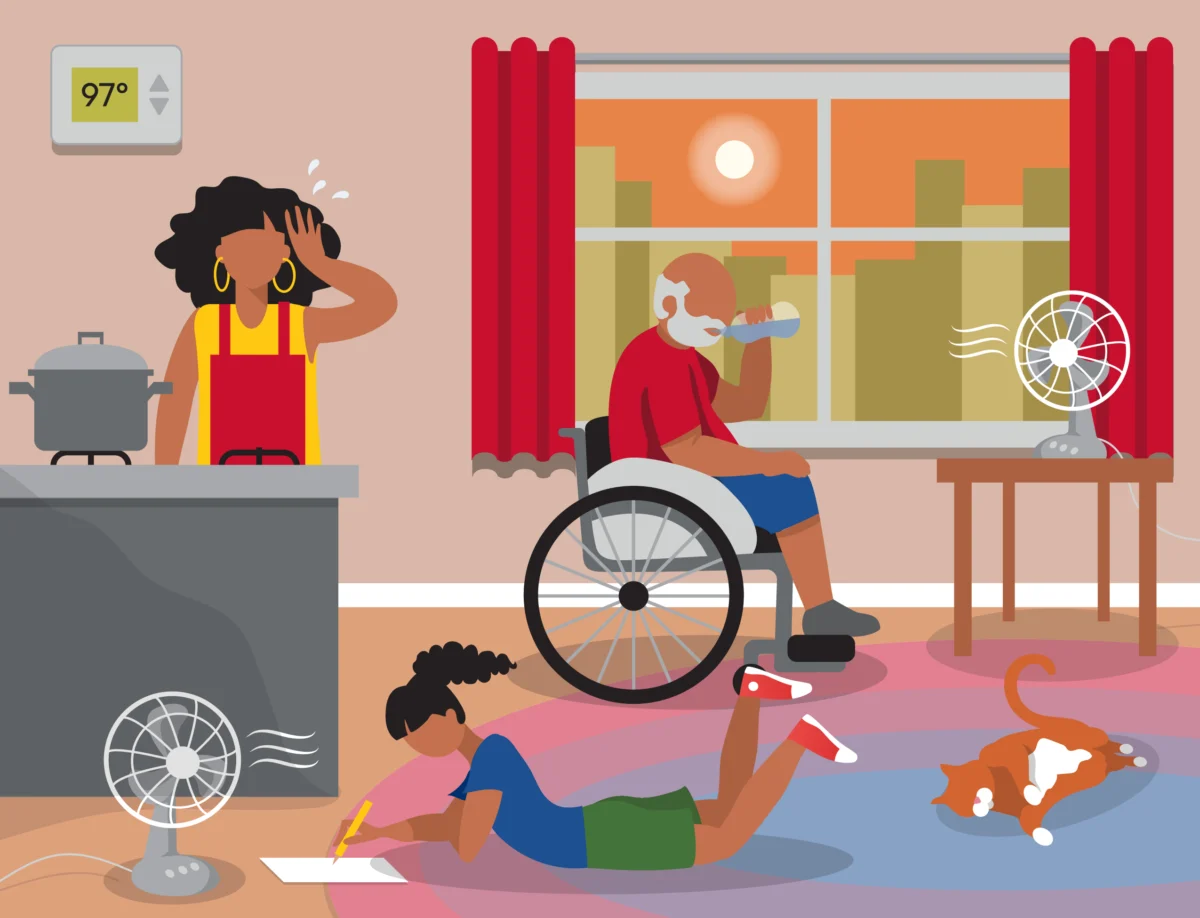
The implications are clear: in the absence of policy, utility companies prioritize revenue collection over the immediate physical safety of their customers. When the power goes out during a heatwave, the result is often fatal, particularly for the elderly, children, and those with underlying health conditions.
A Chronology of Escalation: From Seasonal Nuisance to Public Health Emergency
The rise of the current utility crisis is not a sudden occurrence but the culmination of a decade-long trend of rising energy costs and intensifying climate volatility.
- 2016–2020: The conversation around "energy poverty" began to gain traction, as data from the U.S. Energy Information Administration (EIA) indicated that low-income households were spending a disproportionate percentage of their income on utility bills.
- 2021–2023: A series of extreme weather events—from the Texas freeze to unprecedented Pacific Northwest heat domes—forced a national conversation about infrastructure resilience. During this period, the concept of "energy as a human right" shifted from a fringe advocacy position to a central pillar of climate justice policy.
- 2024–2025: Inflationary pressures led to record-high electricity rates across the country. As utility companies sought to recover costs associated with grid hardening and fuel volatility, the burden fell squarely on low-income consumers, leading to a spike in shutoff notices.
- July 2026: The current moment. With the NCLC’s report, advocates are arguing that the "status quo" of relying on voluntary utility programs is officially broken. They are calling for an end to the "punishment of poverty" through service termination.
Supporting Data: The Anatomy of Energy Poverty
The EIA data cited in the NCLC report paints a stark picture of the American landscape. Nearly 30 percent of the population reports that they are unable to pay their utility bills in full or on time. For these households, the arrival of a monthly energy statement is not merely a financial inconvenience—it is a source of profound psychological stress.
The Trade-Off Economy
Low-income utility customers are frequently forced into a "heat or eat" dilemma. To keep the lights on and the fans running, families are routinely cutting back on essential expenditures:
- Nutrition: Reducing grocery budgets to ensure the utility bill is paid.
- Healthcare: Delaying the purchase of prescription medications or skipping medical appointments.
- Debt Cycles: Utilizing predatory high-interest payday loans to bridge the gap between paychecks and utility due dates.
The Risk Profile
The health risks associated with extreme heat are non-negotiable. Chronic medical conditions, such as respiratory issues and cardiovascular disease, are exacerbated by heat stress. Furthermore, heat-related illnesses—including heat exhaustion and heat stroke—disproportionately impact communities of color, who statistically reside in "urban heat islands" with less tree canopy and older, less energy-efficient housing stock.
Official Responses: Voices from the Frontlines
The NCLC’s report has sparked immediate discussion among policy advocates and consumer protection experts. Karen Lusson, a senior attorney at the NCLC and the primary author of the report, has been vocal about the moral imperative of this issue.
“The need to ensure uninterrupted utility service has only grown in recent years, along with inflation and other affordability concerns,” Lusson stated during the release of the report. “Policymakers and regulators must address the unaffordability of essential utility service, and the need for continued access, particularly for groups of people at increased risk of heat stroke and even death during intense heat.”
Lusson emphasized that the practice of disconnecting service for non-payment is an antiquated, punitive mechanism. “It punishes people for being poor,” she noted. “In an era where extreme heat is becoming the new normal, we must transition to a system where energy access is viewed as a prerequisite for survival, not a commodity that can be toggled on or off at the whim of a balance sheet.”
Implications: The Path Forward
The NCLC report concludes with a series of actionable recommendations designed to overhaul the current system. These recommendations fall into three primary categories: immediate regulatory intervention, structural funding reform, and data-driven accountability.
1. Regulatory Moratoria
The most immediate recommendation is for state public utility commissions (PUCs) to implement standardized, climate-sensitive disconnection moratoria. These rules should be triggered automatically by National Weather Service (NWS) heat advisories, ensuring that no customer is left without cooling when temperatures reach dangerous levels.
2. Fair Treatment and Payment Structures
The report argues for a complete rethinking of how utilities handle arrears. Instead of aggressive collection tactics, the report suggests:
- Percentage of Income Payment Plans (PIPPs): Ensuring that utility bills remain capped at a sustainable percentage of a household’s income.
- Arrearage Management Programs: Offering debt forgiveness for customers who make consistent, manageable payments.
3. Strengthening Federal Safety Nets
Funding for the Low Income Home Energy Assistance Program (LIHEAP) and the Weatherization Assistance Program (WAP) must be significantly increased. While these programs provide vital relief, they are currently underfunded relative to the scale of the crisis. Weatherization, in particular, is highlighted as a long-term solution; by improving the energy efficiency of low-income homes, the demand for cooling is reduced, lowering bills for consumers and stress on the grid.
4. Transparency and Data Requirements
Finally, the report calls for mandatory reporting by utility companies. Policymakers cannot effectively manage the crisis if they do not have access to real-time data regarding disconnection rates, demographics of those disconnected, and the correlation between disconnections and health outcomes. Clearer data requirements will force accountability and allow for more targeted interventions in high-risk neighborhoods.
Conclusion: A Moral Imperative
As the mercury continues to climb in July 2026, the question for policymakers is no longer just about economics—it is about the value of human life. The infrastructure of our energy grid must reflect the realities of the climate crisis we have created.
The NCLC’s recommendations offer a blueprint for a more humane, resilient, and equitable energy system. If legislators act now, they can ensure that the summer of 2026 marks the end of an era where utility companies hold the power of life and death over their most vulnerable customers. The time for voluntary measures has passed; it is time for mandated, comprehensive protections that acknowledge that in the modern age, access to electricity is not just a service—it is a fundamental necessity for survival.