







For years, real estate investors have navigated the turbulent waters of fluctuating interest rates and cooling property values. However, a new, more insidious threat has emerged, silently eroding the foundation of rental profitability: the insurance crisis. As premiums skyrocket across the country, landlords and homeowners alike are finding that the cost of protection is no longer just a line item in a budget—it is becoming a primary driver of financial distress and, in some cases, foreclosure.
The New Reality: A Cost-of-Living Crisis in Coverage
The narrative that homeowners’ insurance is a stable, predictable expense has been shattered. According to data from LendingTree, the national average for homeowner’s insurance premiums has climbed by 6% in the last year alone, but this figure masks the localized devastation occurring in specific markets.
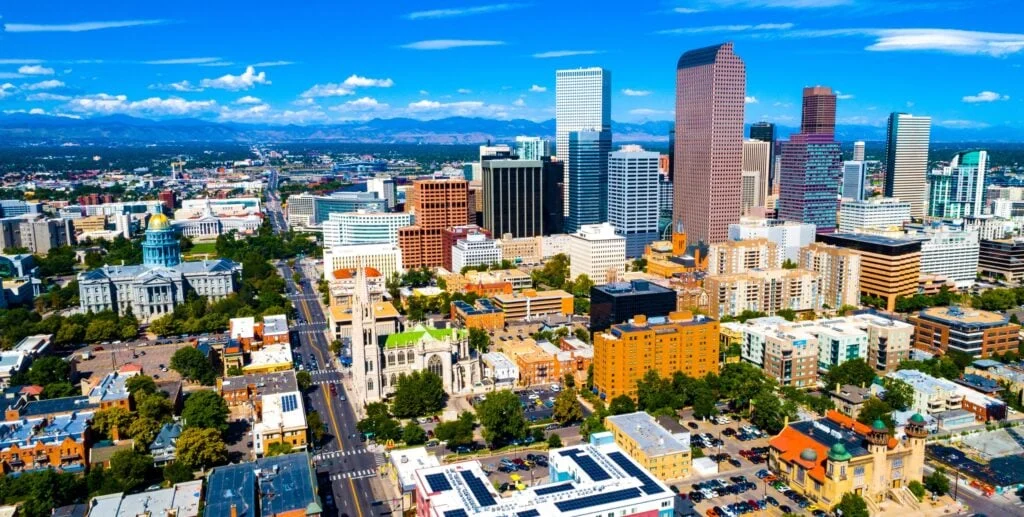
Colorado has emerged as the epicenter of this financial earthquake. In 2025, the state saw premiums jump by a staggering 18.32%, a rate triple the national average. More alarming is the five-year trajectory: since 2020, Colorado’s insurance costs have soared by 100.8%. This surge has fundamentally altered the math for real estate investors, transforming once-lucrative rental properties into cash-flow liabilities almost overnight.
The problem is not confined to the Rocky Mountain region. Iowa and Minnesota have seen increases of 96% and 88.2%, respectively, over the same period. Nationwide, 71% of homeowners report that their insurance premiums have risen in recent years, signaling that the "insurance shock" is a systemic national issue, not merely a regional anomaly.
Chronology of a Crisis: From Weather Events to Market Exit
The current volatility is the result of a "perfect storm" that has been gathering force for years.
- 2020–2021: Initial inflationary pressures began to hit the construction industry, driving up the cost of labor and materials. As the cost to rebuild a home rose, so did the "replacement cost" values used by insurers to calculate premiums.
- 2022–2023: Climate volatility intensified. A series of catastrophic weather events—ranging from wildfires in the West to severe hail storms in the Midwest and hurricane-related damage in the South—led to record-breaking insurance payouts.
- 2024: Insurance carriers, facing extreme losses, began a aggressive repricing strategy. Companies started exiting high-risk markets or significantly raising deductibles, leaving property owners with fewer options and higher costs.
- 2025–2026: The impact reached the mortgage sector. Property owners, already strained by high interest rates, found themselves unable to absorb the "layering effect" of rising taxes and insurance, leading to a surge in mortgage defaults and foreclosure filings.
Data-Driven Distress: The Numbers Behind the Headlines
The correlation between rising insurance costs and property distress is becoming statistically undeniable. In Colorado, the 51% year-over-year increase in foreclosure-related inquiries is not happening in a vacuum. It is the direct result of housing costs outpacing the ability of property owners to pay.
The Insurance Research Council’s 2025 Affordability Index highlights the severity of the situation. In Colorado, insurance premiums now consume 2.43% of the average household income, placing the state 11th in the nation for the highest burden.
Nationally, the trend is equally concerning. ATTOM data reported by the Wall Street Journal shows that U.S. foreclosure filings climbed to nearly 119,000 properties in the first quarter of 2026—a 26% increase from the previous year. Economists, including Marina Walsh of the Mortgage Bankers Association, point to this "payment shock" as a primary catalyst for the current rise in housing instability.
The "Dual-Catastrophe" Trap
Why are certain states hit harder than others? Carole Walker, executive director of the Rocky Mountain Insurance Association, characterizes Colorado as a "dual-catastrophe" state. The intersection of high-frequency hail risk and escalating wildfire danger makes the region a primary target for underwriters.
"Insurance carriers expect every state to be profitable and price accordingly," says John Klaassen, president of Lightship Insurance in Denver. The days of "subsidizing" high-risk states with profits from low-risk areas are over. Carriers are now adopting a "hard market" stance, where premiums are calculated based on the precise risk profile of a specific geography.
This phenomenon is also playing out in California, where the state’s "insurer of last resort"—the FAIR Plan—recently announced a 29.1% rate hike for wildfire-prone properties, effective in late 2026. This forces homeowners into a difficult choice: pay the exorbitant premium or risk holding an uninsured asset, which violates mortgage covenants and risks immediate foreclosure.
Implications for the Rental Market
The crisis is not limited to owner-occupied homes. Small-scale landlords are finding that their original cash-flow projections are being decimated. When a mortgage payment jumps due to an insurance escrow adjustment, the landlord is forced to either absorb the cost or pass it on to the tenant.
However, the tenant market is equally fragile. According to Harvard’s Joint Center for Housing Studies, 12.1 million renters (26% of the population) are already severely cost-burdened, spending more than 50% of their income on housing and utilities.
For many landlords, passing on insurance hikes is simply not an option. If rents remain flat while expenses rise, the internal rate of return (IRR) on rental properties shifts into the negative. This "squeeze" is causing many investors to reconsider the viability of residential real estate as a passive income vehicle, leading to a potential cooling in demand for single-family rentals.
Policy Responses and Mitigation Efforts
Recognizing that the insurance crisis is now an existential threat to housing affordability, state governments are scrambling for solutions:
- Resiliency Grants: Colorado lawmakers have initiated grant programs to fund the installation of hail-resistant roofs and have introduced a statewide wildfire resiliency code to mitigate future structural risk.
- Public Insurance Initiatives: In New York, policymakers are exploring programs to provide more affordable property and liability insurance specifically for owners of rent-stabilized and affordable housing, aiming to protect the NOI (Net Operating Income) of properties that serve low-to-moderate-income populations.
- Regulatory Reform: There is a growing push for transparency in how insurance companies calculate risk, with some states investigating the use of proprietary AI-driven models that have historically led to sudden, massive rate hikes.
Navigating the Future: A Landlord’s Survival Guide
For the individual investor, the current environment demands a higher degree of fiscal discipline. Practical steps to reduce costs—such as increasing deductibles (if your mortgage lender allows), bundling policies, or investing in property hardening (e.g., smart leak detectors, fire-resistant landscaping)—are essential.
However, the most critical piece of advice remains the maintenance of an umbrella policy. In an increasingly litigious society, the urge to cut "extra" insurance coverage to save a few hundred dollars is a dangerous mistake. An umbrella policy provides a vital layer of liability protection that standard policies lack, often costing as little as $200 for $1 million in coverage.
Real estate investing is, at its core, a business of managing risk. If the insurance costs for a specific market make it impossible to maintain a positive cash flow while carrying adequate liability coverage, the most professional decision is to walk away. As the old adage goes: if you cannot afford the insurance, you cannot afford the property.
As we look toward the remainder of 2026 and beyond, the insurance market will likely remain volatile. Investors who prioritize risk management and maintain a robust financial buffer will be the ones left standing when the dust finally settles on this period of historic market correction.