





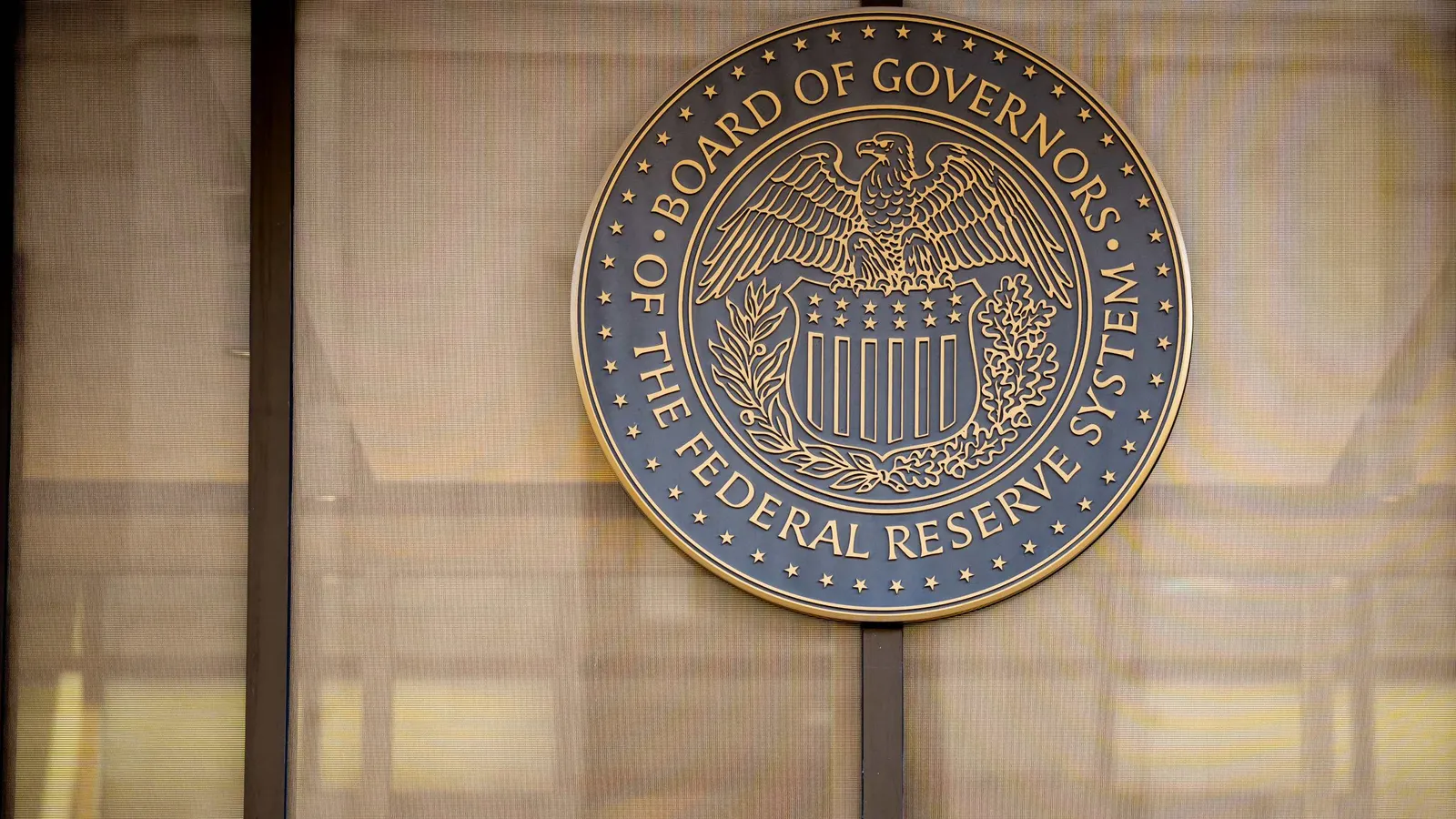
TREYNOR, IOWA — In a significant move that underscores the tightening regulatory environment for regional and community lenders, the Federal Reserve has issued a formal enforcement action against TS Banking Group and its subsidiary bank holding company, TS Contrarian Bancshares. The order, dated July 10, 2026, mandates that the Iowa-based institutions take immediate and comprehensive steps to bolster the capital positions of two primary banking subsidiaries following allegations of "unsafe or unsound practices."
The enforcement action signals a heightened level of scrutiny from the Federal Reserve Bank of Chicago, focusing specifically on the financial durability of the group’s holdings in Illinois and North Dakota. As the banking sector continues to navigate a complex landscape of interest rate volatility and shifting liquidity requirements, this order serves as a stark reminder of the regulatory expectations placed upon bank holding companies to act as a "source of strength" for their subsidiary institutions.
Main Facts: The Scope of the Enforcement Action
The Federal Reserve’s intervention targets TS Banking Group and TS Contrarian Bancshares, both headquartered in Treynor, Iowa. The core of the enforcement action revolves around the financial health of two subsidiary banks: First National Bank & Trust Company, based in Clinton, Illinois, and the Bank of Tioga, located in Tioga, North Dakota.
Capital and Liquidity Deficiencies
According to the documents released by the Federal Reserve, the holding companies were found to have engaged in practices deemed "unsafe or unsound" regarding the management of capital and liquidity. While the specific internal failures were not detailed in the public summary, the nature of the Fed’s demands suggests that the subsidiaries may be under-capitalized relative to their risk profiles or lack the necessary liquid assets to withstand sudden economic shocks.
The "Source of Strength" Mandate
Under Section 616(d) of the Dodd-Frank Wall Street Reform and Consumer Protection Act, bank holding companies are legally required to serve as a "source of financial and managerial strength" to their subsidiary banks. The Fed’s order explicitly requires TS Banking Group and TS Contrarian Bancshares to demonstrate their ability to provide such support. This means the holding companies must be prepared to inject capital or provide other forms of financial assistance should the subsidiary banks face distress.
Operational Restrictions
Effective immediately, the holding companies are prohibited from:
- Declaring or paying dividends to shareholders.
- Engaging in share repurchases (buybacks).
- Making any other form of capital distribution without the express written approval of the Federal Reserve Bank of Chicago.
These restrictions are designed to preserve cash within the organization, ensuring that every available dollar is directed toward stabilizing the subsidiary banks rather than enriching investors.
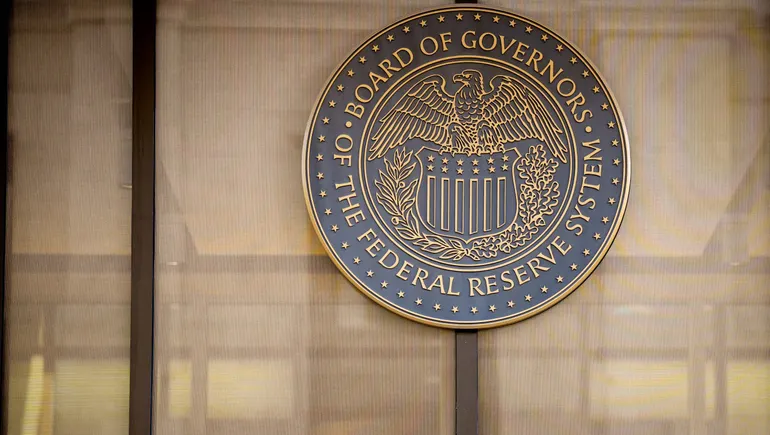
Chronology: A Growing Regulatory Shadow
The July 2026 enforcement action by the Federal Reserve is not an isolated event but rather the culmination of a multi-year period of regulatory pressure on the TS Banking Group ecosystem.
July 2025: The OCC Intervention
The troubles first became public in July 2025, when the Office of the Comptroller of the Currency (OCC) entered into a formal agreement with First National Bank & Trust Company. The OCC, which serves as the primary regulator for nationally chartered banks, identified similar "unsafe and unsound practices" within the Clinton, Illinois-based lender. That agreement required the bank to overhaul its management practices and improve its credit risk oversight.
Late 2025 – Early 2026: Supervisory Review
Following the OCC’s action, the Federal Reserve Bank of Chicago reportedly increased its oversight of the parent holding companies. Regulatory filings suggest that throughout the first half of 2026, examiners conducted a deep dive into the consolidated balance sheets of TS Banking Group. This review likely revealed that the holding companies were not adequately prepared to support the subsidiaries as required by law.
July 9, 2026: The Fed Order
The Federal Reserve officially finalized the enforcement action against the holding companies on July 9, 2026, with the public announcement following a day later.
The 60-Day Countdown
The order sets a strict timeline for compliance. Within 60 days of the agreement (by early September 2026), TS Banking Group and TS Contrarian Bancshares must submit a comprehensive written plan to the Federal Reserve Bank of Chicago. This plan must include:
- An assessment of the current and future capital needs of the subsidiary banks.
- A detailed strategy for raising additional capital or improving the banks’ financial condition.
- A "capital contingency plan" that outlines how the firms will respond to both short-term liquidity crunches and long-term capital shortfalls.
Supporting Data: Financial Health and Asset Overview
To understand the scale of the Fed’s intervention, one must look at the financial footprint of the institutions involved. TS Banking Group operates as a niche player in the Midwestern and Great Plains banking markets, focusing on community-centric lending and agricultural finance.
Asset Breakdown
As of the most recent Call Reports filed in April 2026, the two primary subsidiaries represent a significant portion of the group’s total footprint:

- First National Bank & Trust Company (Clinton, IL): Approximately $383.8 million in total assets.
- Bank of Tioga (Tioga, ND): Approximately $413 million in total assets.
Combined, these two banks manage nearly $800 million in assets. While they are categorized as small community banks, their roles in their respective local economies are vital. The Bank of Tioga, for instance, serves a region heavily influenced by the Bakken oil formation, while First National Bank & Trust is a staple of the Central Illinois agricultural and small-business community.
Capital Ratios and Liquidity Concerns
While the specific Tier 1 capital ratios for the banks were not publicly disclosed in the enforcement summary, the Fed’s demand for an "enhanced capital contingency plan" suggests that the banks may be nearing or have fallen below the "well-capitalized" threshold required by the Basel III standards and the Prompt Corrective Action (PCA) framework.
Liquidity, the ability to meet short-term obligations, has become a flashpoint for regulators following the 2023 banking crisis. For banks like those owned by TS Banking Group, liquidity risk often stems from a mismatch between long-term loans (such as agricultural or real estate loans) and short-term deposits that can be withdrawn quickly in a high-interest-rate environment.
Official Responses and Corporate Governance
As of the publication of the enforcement action, the leadership of TS Banking Group has remained largely silent. A spokesperson for the group did not immediately respond to requests for comment regarding the Fed’s findings or the specific steps the company intends to take to meet the 60-day deadline.
The Role of the Federal Reserve Bank of Chicago
The Chicago Fed, which oversees the Seventh Federal Reserve District, will be the primary arbiter of whether the holding companies’ proposed plans are sufficient. The regional Fed banks have been increasingly proactive in their "horizontal reviews"—comparing the health of similar-sized institutions to identify outliers that may be taking on excessive risk.
Governance Requirements
Beyond just raising money, the Fed’s order implies a need for stronger managerial oversight. The requirement for the holding companies to "demonstrate" their ability to serve as a source of strength often involves restructuring boards of directors or hiring specialized consultants to oversee risk management. For TS Banking Group, this may mean a significant shift in how the executive team in Treynor, Iowa, interacts with the local leadership in Clinton and Tioga.
Implications: The Future for Community Banks
The enforcement action against TS Banking Group carries broader implications for the community banking sector in the United States. It highlights three critical trends that are currently defining the industry.

1. The End of Regulatory Forbearance
During the pandemic and the immediate aftermath of the 2023 banking turmoil, there was a sense that regulators might offer some leeway to smaller institutions struggling with the transition to a higher interest rate environment. This action proves that the "honeymoon period" is over. The Fed is aggressively enforcing capital standards, regardless of a bank’s size or its importance to a local rural economy.
2. The Cost of Being a Holding Company
The "Source of Strength" doctrine is a double-edged sword. While holding companies provide a structure for expansion and tax advantages, they also carry the heavy burden of being the ultimate guarantor of their subsidiaries’ debts. For TS Banking Group, the inability to pay dividends or buy back shares could make it difficult to attract new private investment, potentially forcing the group to look toward a merger or acquisition if they cannot raise capital organically.
3. Impact on Local Communities
For the residents of Clinton, Illinois, and Tioga, North Dakota, the Fed’s action is a cause for concern but not necessarily panic. Deposits remain insured by the FDIC up to $250,000 per depositor. However, a bank under a "capital plan" mandate is often more hesitant to issue new loans as it seeks to preserve its capital ratios. This could lead to a credit squeeze for local farmers, small business owners, and homebuyers in these regions.
4. Potential for M&A Activity
In the current climate, community banks that struggle to meet capital requirements often become targets for larger regional players looking to expand their deposit base. If TS Banking Group cannot satisfy the Chicago Fed’s requirements within the 60-day window, the industry may see the group begin to divest assets or seek a "white knight" purchaser.
Conclusion
The Federal Reserve’s move against TS Banking Group and TS Contrarian Bancshares is a definitive signal that capital adequacy is the top priority for 2026. By freezing dividends and demanding a rigorous 60-day roadmap to recovery, the Fed is ensuring that the risks taken at the subsidiary level do not destabilize the holding company—or the broader financial system. All eyes will now be on the Treynor-based leadership as they attempt to navigate this regulatory storm and restore the financial standing of their Illinois and North Dakota institutions.