









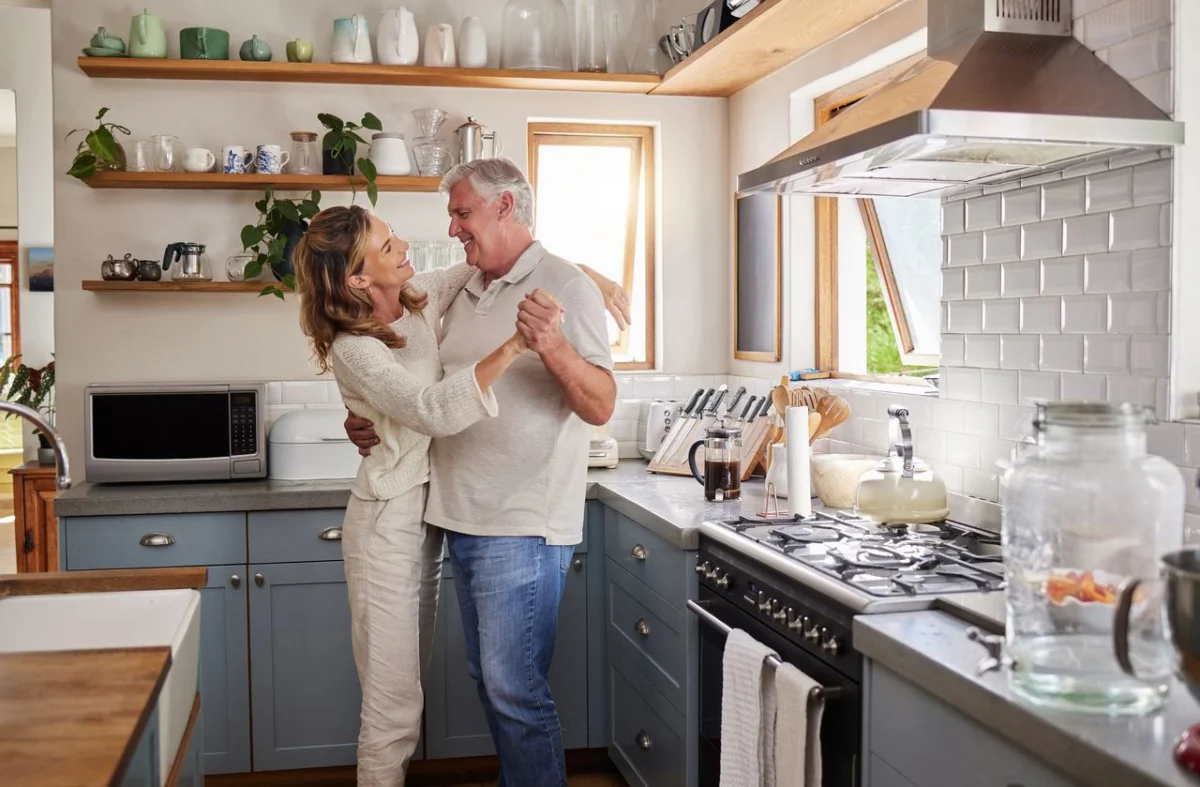
For millions of Americans, the dream of retirement is inextricably linked to the familiar walls of the home they have inhabited for decades. The adage "home is where the heart is" serves as a comforting mantra for the growing demographic of seniors who are determined to "age in place"—the practice of remaining in one’s own home and community as one gets older, regardless of changing physical or cognitive abilities.
However, while the sentiment is rooted in emotional security, the physical reality of many American homes tells a different story. As the population ages, a critical disconnect is emerging between the desire for independence and the architectural reality of aging housing stock. From narrow doorways that obstruct walkers to treacherous staircases and high-sided bathtubs, many homes are rapidly becoming liabilities rather than sanctuaries.
The Architecture of Independence: Main Facts
The primary challenge in aging in place is that most American housing was designed for young, able-bodied families. According to recent demographic data, the vast majority of seniors express a desire to stay in their current homes, yet AARP surveys suggest that fewer than 10% of housing units are currently equipped with the "universal design" features necessary for long-term accessibility.
"Aging in place" is not merely about staying put; it is about functional independence. A home that is not modified can become a high-risk environment for falls, which are the leading cause of injury-related deaths among adults over 65. To successfully age in place, a residence must be retrofitted to address four critical domains: mobility, visibility, reachability, and safety.
A truly aging-friendly home typically requires:
- First-floor living quarters: Eliminating the need to navigate stairs.
- Wheelchair-friendly accessibility: Widening hallways and doorways to accommodate mobility aids.
- Zero-threshold transitions: Removing rugs, cords, and raised door sills to prevent tripping.
- Roll-in showers: Replacing traditional tubs with curbless, walk-in shower stalls equipped with grab bars.
- Strategic lighting: Increasing lumen output in hallways and stairwells to assist with age-related vision decline.
- Accessible entryways: Ensuring a short, ramp-accessible, and well-lit walk from the driveway or curb to the front door.
The Chronology of Home Evolution: A Timeline of Retrofitting
The decision to remodel for longevity is often reactive rather than proactive, but experts suggest a chronological approach to planning that begins well before a crisis occurs.
Phase 1: The Preventive Audit (Ages 55-65)
During this stage, homeowners should conduct a comprehensive "accessibility audit." This involves identifying immediate pain points—such as steep basement stairs or slippery tile floors—and beginning a phased renovation plan. Installing smart-home technology, such as voice-activated lighting or video doorbells, is often the first step in creating a safer ecosystem.
Phase 2: The Functional Shift (Ages 65-75)
As physical stamina shifts, the focus moves toward the "main-level living" model. This period often sees the conversion of a ground-floor den or office into a master bedroom and the installation of high-traction flooring throughout common areas.
Phase 3: The High-Support Environment (Age 75+)
At this stage, modifications become more intensive. This includes the installation of walk-in tubs, specialized kitchen cabinetry that allows for cooking while seated, and the potential integration of medical alert systems. By this point, the home should function as a supportive, rather than a demanding, environment.
Supporting Data: The Cost of Safety
Remodeling costs for aging in place are highly variable, ranging from a few hundred dollars for grab bars and smart bulbs to upwards of $50,000 for a full structural overhaul.
According to the National Association of Home Builders (NAHB), the cost of installing an exterior ramp can range from $1,000 to $5,000, while a full bathroom conversion can exceed $15,000. While these figures appear daunting, they must be weighed against the alternative: the cost of long-term care facilities. The average annual cost for a private room in a nursing home now exceeds $100,000 in many states. Consequently, a $30,000 home modification project is often seen as a significant financial "win," potentially paying for itself within the first six months of avoiding institutional care.
Furthermore, economic analysts point to the "equity trap." Many seniors have the majority of their wealth tied up in home equity but lack the liquid cash to perform necessary renovations. This has led to a rise in reverse mortgages and specialized renovation loans, such as the FHA’s 203(k) loan, which allows homeowners to finance home improvements into their mortgage.
Official Responses and Professional Perspectives
Gerontologists and urban planners have increasingly focused on "Aging-in-Place Readiness." Dr. Elena Rodriguez, a specialist in geriatric architecture, notes that "the biggest mistake homeowners make is waiting for a fall before they make a change. A home modification plan should be treated with the same level of seriousness as a 401(k) retirement portfolio."
Professional contractors are also seeing a shift in demand. The "Certified Aging-in-Place Specialist" (CAPS) designation, offered by the NAHB, has seen record enrollment as builders recognize that the "Silver Tsunami"—the demographic surge of aging baby boomers—requires a specialized skill set. These professionals are trained to identify not just what a home needs today, but what it will require in ten or twenty years.
Policy makers, meanwhile, are beginning to offer incentives. Some municipalities provide property tax freezes or low-interest home improvement grants for seniors who install safety features, recognizing that keeping seniors in their homes reduces the burden on state-funded Medicaid long-term care programs.
Implications: The Psychological and Social Impact
The implications of aging in place extend far beyond the physical structure of the home. The psychological benefits of remaining in one’s own community are profound. Seniors who age in place report higher levels of life satisfaction, lower rates of depression, and better cognitive outcomes due to the preservation of familiar social networks and routines.
However, there is a "social isolation" risk to consider. If a home is modified but the surrounding neighborhood lacks sidewalks, accessible transit, or nearby grocery stores, the individual may end up feeling "trapped" in a safe house. True aging in place requires an ecosystem approach—where the home is a safe base, but the community remains navigable.
Furthermore, the "layout overhaul" vs. "minor tweak" debate is essential for retirees to navigate. For those in homes with irreparable architectural flaws—such as historic homes with narrow, multi-story layouts or significant grade changes—the cost of modification may eventually exceed the value of the home. In these instances, the most prudent financial and safety decision may be to "right-size" by moving to a one-story condo or an active adult community designed from the ground up for accessibility.
Conclusion: Preparing for the Future
The decision to stay at home is a powerful expression of autonomy, but it is not a passive choice. It requires careful financial planning, an objective assessment of one’s physical trajectory, and a willingness to adapt the home environment.
Whether your home requires a simple installation of lever-style door handles or a comprehensive renovation of the entire floor plan, the time to evaluate your living space is now. By assessing your needs today, you are not just fixing stairs or lighting; you are securing your future independence.
For those uncertain about their home’s readiness, the path forward is clear: consult with a certified professional, audit your living space against your future needs, and ensure that your home remains a sanctuary that evolves alongside you. The goal is simple but vital: to turn your house into a space that supports your life, rather than one that hinders it.