









In the world of personal finance, there is a common misconception that credit health is defined solely by the absence of "bad" things. Many consumers believe that once they successfully dispute inaccuracies, remove late payments, or wait out the expiration of a bankruptcy, their credit score will naturally soar into the "excellent" range.
However, thousands of Americans discover a frustrating reality every year: a "clean" credit report does not automatically equate to a high credit score. This phenomenon, often referred to as the "Clean Slate Paradox," occurs when a consumer has successfully purged negative information but lacks the substantive, positive data required for credit scoring algorithms to generate a high number.
Building credit is an active, ongoing process. It requires more than just defensive measures like credit repair; it necessitates an offensive strategy of responsible account management and strategic credit utilization. To understand how to move past a stagnant score, one must look at the mechanics of credit scoring, the data behind "credit invisibility," and the specific steps required to turn a blank canvas into a masterpiece of financial reliability.
Main Facts: Understanding the "Thin File" and Credit Invisibility
The fundamental issue facing those with clean but low-scoring reports is the "thin file." According to the Consumer Financial Protection Bureau (CFPB), a "thin file" exists when a consumer has fewer than five credit accounts or lacks a long-term credit history.
The Algorithmic Requirement
Credit scoring models, such as FICO and VantageScore, are predictive tools. They are designed to forecast the likelihood that a borrower will become 90 days delinquent on a debt within the next 24 months. To make this prediction, the algorithms require data points. If a report is "clean" but empty, the algorithm has no "behavioral breadcrumbs" to follow.
The "Credit Invisible" Population
A 2015 study by the CFPB found that approximately 26 million Americans are "credit invisible," meaning they have no credit history with a nationwide consumer reporting agency. An additional 19 million are "unscored," meaning their files are too thin or stale to generate a score. For these individuals, even if they have zero debt and zero late payments, they may be denied a mortgage or an auto loan because lenders cannot quantify their risk.
The Scoring Components
To understand why a clean report can fail, one must look at the FICO scoring weights:
- Payment History (35%): Requires active accounts to show on-time payments.
- Amounts Owed (30%): Requires open lines of credit to show low utilization.
- Length of Credit History (15%): Requires accounts to be open for years.
- Credit Mix (10%): Requires different types of loans (revolving and installment).
- New Credit (10%): Measures recent inquiries and account openings.
If a consumer removes all negative items but has no active accounts, they are essentially scoring 0% across most of these categories.
Chronology: The Lifecycle of Credit Restoration and Growth
Transitioning from a damaged credit profile to a robust, high-scoring one follows a specific chronological progression.

Phase 1: The Remediation Phase (Months 1–6)
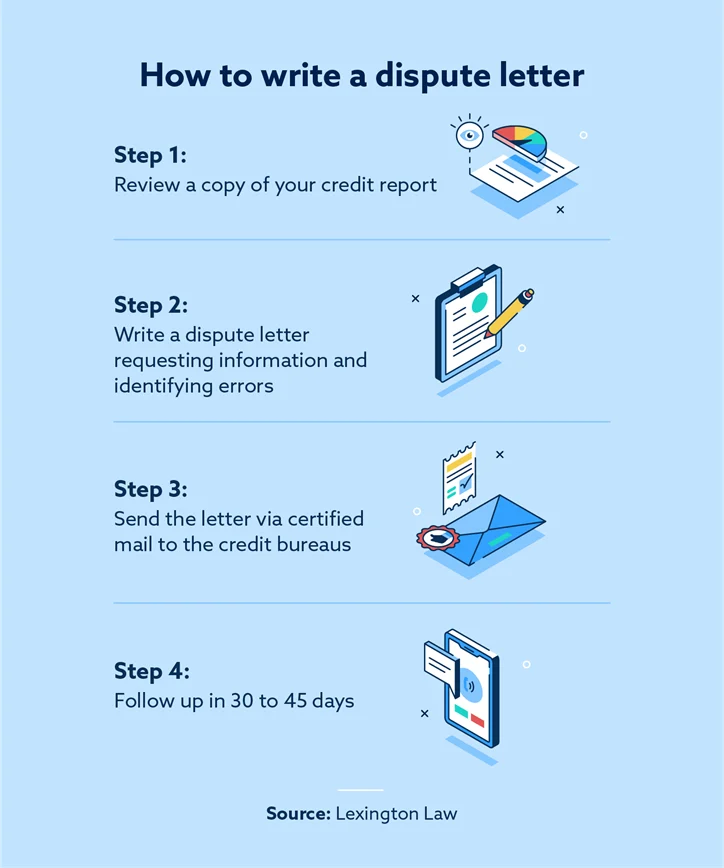
In this initial stage, the focus is on "cleaning the house." This involves auditing credit reports from the three major bureaus (Equifax, Experian, and TransUnion) and disputing inaccuracies. Consumers work to remove outdated collections, incorrect late payments, or accounts resulting from identity theft. By the end of this phase, the report is "clean," but the score may remain in the mid-500s or low 600s due to a lack of positive data.
Phase 2: The Foundation Phase (Months 6–12)
Once the "trash" is removed, the consumer enters the "Empty House" stage. This is the most critical period for long-term growth. The objective here is to establish "seed" accounts. This often involves opening a secured credit card or a credit-builder loan. These accounts begin the clock on "Length of Credit History" and start the monthly cadence of "Payment History."
Phase 3: The Diversification Phase (Year 1–Year 2)
After 12 months of perfect payment history on foundational accounts, the consumer’s score typically rises enough to qualify for unsecured credit. During this phase, the goal is to improve the "Credit Mix." A consumer might add a retail card or a small personal loan to show they can manage different types of debt simultaneously.
Phase 4: The Maturity Phase (Year 2 and Beyond)
In the final stage, the focus shifts to "seasoning." The accounts opened in Phase 2 and 3 are now aging, which significantly boosts the score. The consumer maintains low utilization (typically under 10%) and avoids unnecessary new inquiries, allowing the score to move into the 700s and 800s.
Supporting Data: The Impact of Positive Activity
Data from major credit bureaus suggests that the presence of positive trade lines is the single greatest predictor of upward score mobility.
- Utilization Impact: For a consumer with a clean report, keeping a $100 balance on a $1,000 limit card (10% utilization) can result in a score significantly higher than having no credit card at all.
- The Power of Age: According to FICO data, the average age of accounts for "High Achievers" (those with scores above 800) is often over 10 years. This underscores why simply "cleaning" a report isn’t enough; time is a mandatory ingredient.
- Rent and Utilities: Historically, rent and utility payments were "dark data"—they weren’t reported. However, recent studies show that when rent reporting is added to a thin file, the average VantageScore can increase by as much as 40 points almost instantly.
Official Responses and Expert Insights
Financial institutions and legal experts emphasize that credit is a "living record" rather than a static grade.
The Lender’s Perspective
Mortgage underwriters often note that they look for "depth of file." A spokesperson from a major national bank recently noted, "We don’t just look at the number. We look at the story the report tells. A 720 score with only one year of history is viewed very differently than a 720 score with ten years of history and three different types of accounts."
Legal and Advocacy Insights
Lexington Law Firm advocates for a holistic approach to credit health. Legal experts at the firm argue that while the law provides consumers the right to an accurate report (via the Fair Credit Reporting Act), accuracy is only half the battle. "Removing a negative item stops the bleeding," says a credit education specialist. "But you still need to build the muscle. That muscle is your history of active, responsible borrowing."
The Regulatory View
The CFPB has increasingly pushed for "alternative data" to be included in credit scoring to help the credit invisible. By encouraging the reporting of rent, phone bills, and utility payments, regulators hope to bridge the gap for consumers who have clean reports but lack traditional bank-intermediated credit.

Strategic Solutions: 3 Ways to Build Credit from Scratch
If you have hit a plateau with a clean report, the following strategies are the most effective ways to generate positive data.
1. Diversifying the Credit Mix
Lenders want to see that you can handle both revolving credit (like credit cards) and installment credit (like auto or student loans). If your report only consists of one type, your score is capped.
- Action: If you only have credit cards, consider a small credit-builder loan. These are essentially "reverse loans" where the bank holds the money in a CD while you make payments, reporting those payments to the bureaus. At the end, you get the money back plus a boost to your credit mix.
2. Leveraging Non-Traditional Expenses
You are likely already making payments that prove your financial responsibility; they just aren’t being reported.
- Action: Use services like Experian Boost or rent-reporting platforms. These tools allow you to opt-in to having your on-time utility, streaming service, and rent payments added to your credit file. For a "thin file" consumer, this can be the quickest way to establish a payment history.
3. The Authorized User Strategy ("Piggybacking")
This is one of the fastest ways to inherit a long credit history.
- Action: If a family member has a credit card with a high limit, a zero balance, and ten years of perfect history, they can add you as an "authorized user." The entire history of that card is then reflected on your report. Note: This is a double-edged sword; if the primary cardholder misses a payment or maxes out the card, it will hurt your score as well.
Implications: The High Cost of "Doing Nothing"
The primary implication of the Clean Slate Paradox is financial. A consumer who stops at a "clean report" but fails to build a "strong report" remains in a state of financial vulnerability.
Interest Rate Disparities
The difference between a "fair" score (640) and an "excellent" score (760) on a $300,000 mortgage can amount to over $100,000 in interest over the life of the loan. By not actively building credit, a consumer is essentially paying a "thin file tax."
Beyond Borrowing
Credit scores are increasingly used by entities other than banks. Insurance companies use "credit-based insurance scores" to set premiums. Landlords use them to determine security deposits. Even some employers in the financial sector use credit checks as a proxy for responsibility. A stagnant, low score—even without negative marks—can lead to higher insurance premiums and lost job opportunities.
The Long-Term Outlook
Credit is not a "one and done" project. It is a financial tool that requires maintenance. The journey does not end when the disputes are resolved; it merely transitions into a new phase of growth. By shifting focus from "cleaning" to "building," consumers can move beyond the Clean Slate Paradox and achieve a credit profile that truly reflects their financial potential.
At Lexington Law Firm, the philosophy remains clear: credit repair is the foundation, but credit education and active management are the walls and roof of your financial house. A clean report is a start; an active, diverse, and seasoned report is the goal.