








For millions of Americans, credit is the lifeblood of financial mobility. Whether it is funding a college education, purchasing a first home, or covering an emergency medical expense, the ability to borrow capital is essential. However, the world of personal finance is often muddled by industry jargon that can lead to costly mistakes. At the center of this confusion is the distinction between two fundamental types of credit: installment and revolving.
Understanding the mechanics of these accounts is not merely an academic exercise; it is a vital skill for anyone looking to optimize their credit score, minimize interest payments, and manage debt effectively. Misjudging which product fits your specific financial situation can leave you trapped in a cycle of high-interest debt or without the liquidity you need when it matters most.
Main Facts: Defining the Two Pillars of Credit
Every debt obligation on your credit report—from the smallest store credit card to a thirty-year mortgage—falls into one of two structural categories.
1. Revolving Credit: The Fluid Line
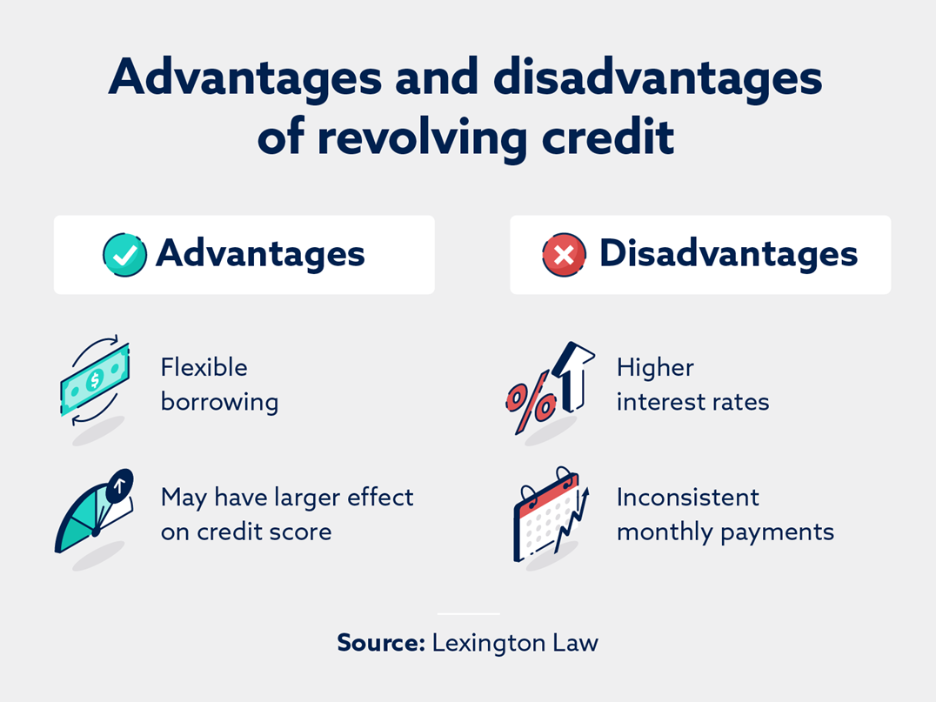
Revolving credit is defined by its flexibility. When you are approved for a revolving account, you are granted a maximum credit limit. You may borrow against this limit as you see fit, repay all or a portion of the balance, and then borrow again without the need to apply for a new loan.
The most common example is the credit card. If you have a $5,000 limit, you can spend $500, pay it back, and immediately have access to that $5,000 limit once more. Because the balance "revolves" based on your usage, there is no fixed end date to the account. It remains open until you close it or the lender terminates the agreement.
2. Installment Credit: The Predictable Path
Installment credit functions on a closed-end basis. You receive a lump sum of capital upfront, which you then repay through a series of fixed monthly payments over a predetermined period, known as the "term."
Once the final payment is made, the account is marked as satisfied and closed. Unlike revolving credit, you cannot simply "borrow more" from the same account; if you require additional funds after the loan is issued, you must apply for an entirely new credit product. Common examples include mortgages, auto loans, student loans, and personal loans.
Chronology of Credit Development
To understand how these accounts influence your financial health, one must view them through the timeline of a typical consumer’s life.

- The Entry Phase (Early Adulthood): Most consumers begin their credit journey with a single revolving account, such as a secured credit card or a student credit card. During this stage, the primary objective is establishing a baseline of on-time payment history.
- The Diversification Phase (Mid-Adulthood): As a consumer’s financial profile matures, lenders look for "credit mix"—a healthy combination of both installment and revolving accounts. This is the stage where an individual might take out their first auto loan or a personal loan for debt consolidation. By holding both types of accounts, a consumer demonstrates the ability to manage both fluid lines of credit and rigid, long-term repayment schedules.
- The Maturity Phase (Long-Term Stability): In the final stage, long-standing installment accounts (like a mortgage) serve as a bedrock for the "length of credit history" factor. Simultaneously, the consumer maintains revolving accounts for daily expenses, ensuring they stay well within their utilization thresholds to keep their FICO® score high.
Supporting Data: The Impact on Your FICO Score
The mathematical weighting of these accounts is where the stakes become real for the average borrower. According to the FICO scoring model, your credit score is determined by several weighted factors, each influenced differently by the type of credit held.
Credit Utilization (The 30% Factor)
Revolving credit has a massive impact on your score via "credit utilization"—the ratio of your current balance to your total available credit limit.
- The Calculation: If you have a credit card with a $10,000 limit and you are currently carrying a $3,000 balance, your utilization is 30%.
- The Strategy: Experts consistently recommend keeping this ratio below 30% across all revolving accounts. Because installment loans have a set principal that is paid down over time, they do not factor into this utilization ratio, making them a "safer" way to carry debt without dragging down your score through high utilization.
Credit Mix (The 10% Factor)
The diversity of your debt matters. Lenders want to see that you can handle different types of obligations. A person who only uses credit cards may be viewed as higher risk than someone who successfully manages a combination of credit cards and a fixed-term loan. By adding an installment loan to your portfolio, you potentially improve this 10% slice of your score.
Payment History (The 35% Factor)
Regardless of the account type, the most significant driver of your credit score is your payment history. A single missed payment on a $200,000 mortgage is treated with the same severity as a missed payment on a $500 credit card bill. Both will stay on your credit report for up to seven years, acting as a "red flag" to future lenders.
Official Perspectives: When to Use Which?
Financial experts emphasize that neither structure is inherently "superior." The decision should be driven by the nature of the expense.
When to favor Revolving Credit:
- Variable Expenses: If you have unpredictable monthly costs—such as fluctuating utility bills, recurring minor repairs, or variable travel costs—revolving credit provides the necessary buffer.
- Emergency Liquidity: Credit cards and lines of credit (like a HELOC) provide immediate access to funds, which is critical during an unexpected crisis.
When to favor Installment Credit:
- Fixed, Large-Scale Purchases: If you are buying a car, financing a kitchen remodel, or consolidating high-interest credit card debt, an installment loan is often superior.
- The Interest Math: Consider a $6,000 debt. If you leave it on a credit card at 24% APR, the compounding interest can balloon your costs significantly. A personal loan at 12% APR with a fixed three-year term provides a "forced" payoff schedule that prevents interest from spiraling, often saving the borrower over a thousand dollars compared to minimum payments on a revolving card.
Implications: The Role of Accuracy in Reporting
The strategy of balancing installment and revolving debt only works if the information in your credit report is accurate. A single clerical error—such as a loan that was paid off months ago still showing as "open" or an incorrect balance reported on a credit card—can skew your utilization ratio and mislead lenders about your capacity to take on new debt.
Flagging Errors
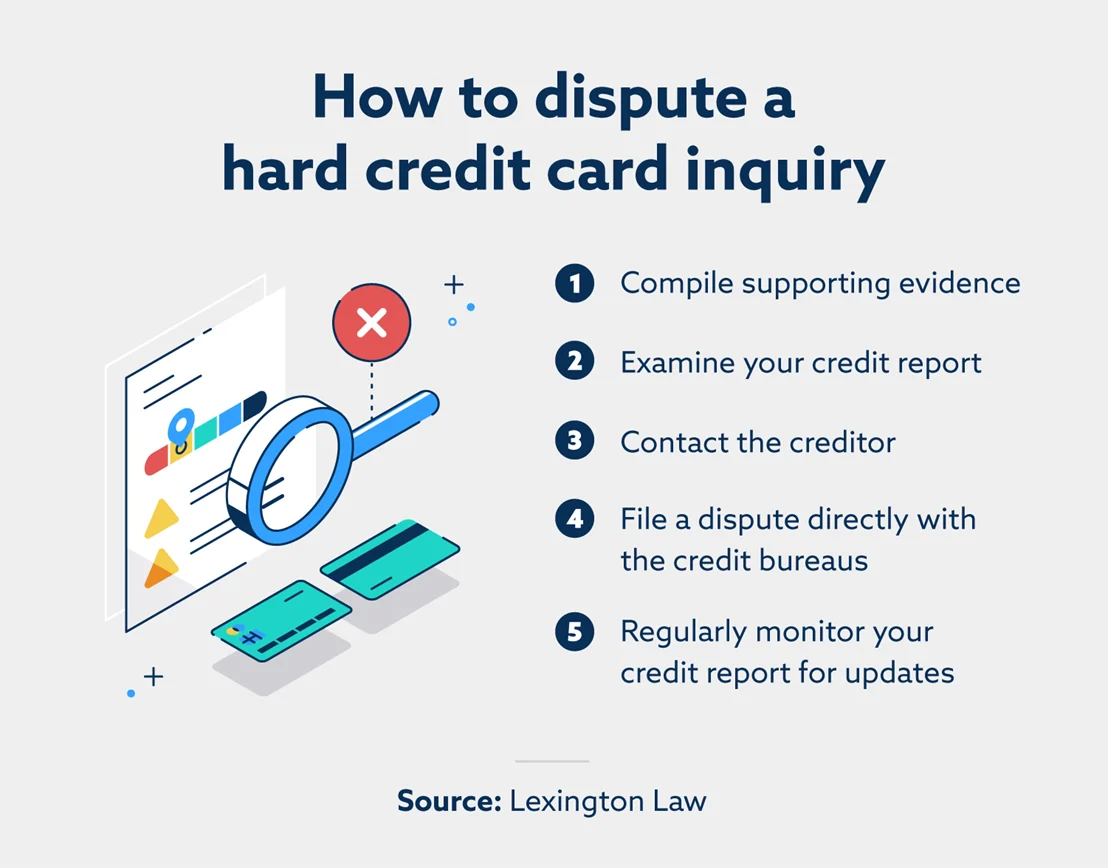
Many consumers find that their ability to qualify for favorable interest rates is hampered by "ghost" debts or inaccurate late payment marks. It is a critical, proactive step to pull your credit report from all three major bureaus at least annually. If you find an inconsistency, you have the right to dispute it.
Why Professional Guidance Matters
Because the credit reporting system is complex, navigating disputes can be daunting. Many individuals utilize professional credit repair services to analyze their reports. These services specialize in identifying inaccuracies and managing the formal dispute process with bureaus. By clearing your report of erroneous negative items, you ensure that your "credit mix" and "utilization" are calculated based on your actual, responsible behavior, not on systemic errors.
Frequently Asked Questions (FAQs)
Q: Can I turn my personal loan into a revolving line of credit?
A: No. Personal loans are strictly installment instruments. If you find you need the flexibility of revolving credit, you must apply for a separate product, such as a personal line of credit or a credit card.
Q: Does paying off my installment loan early help my score?
A: It is a common misconception that early payoff is always better for your score. While it saves you interest, it may slightly lower your score by reducing your total number of accounts or shortening your average credit age. However, the interest savings almost always outweigh this minor, temporary score fluctuation.
Q: Is a HELOC considered revolving or installment?
A: A Home Equity Line of Credit (HELOC) is a revolving product. During the "draw period," you can borrow and repay as you wish. Many HELOCs convert to an installment-style repayment plan once the draw period expires, but they originate as revolving credit.
Q: Why does my credit score drop when I open a new installment loan?
A: When you apply for a new loan, the lender performs a "hard inquiry," which causes a small, temporary dip in your score. Additionally, the average age of your accounts decreases. Over time, as you make on-time payments, the account will contribute positively to your credit mix, likely resulting in a net increase to your score.
Disclaimer: This article is for general informational purposes only and does not constitute financial, legal, or credit advice. Credit scoring is highly individual, and consumers should consult with financial professionals regarding their specific circumstances before making major borrowing decisions.