









In an era where financial literacy is increasingly synonymous with personal autonomy, understanding your credit score is no longer a luxury—it is a necessity. Your credit score serves as a financial fingerprint, influencing everything from mortgage interest rates and car loan approvals to your ability to secure a rental apartment or even land certain professional roles. Fortunately, the barrier to entry for monitoring this data has collapsed, with a host of robust, free mobile applications now available at your fingertips.
However, not all credit score apps are created equal. To make informed decisions, consumers must navigate the nuances between FICO and VantageScore models, understand the differences between the three major credit bureaus—Experian, Equifax, and TransUnion—and recognize the trade-offs between comprehensive data and marketing-driven interfaces. This guide examines the top 11 credit monitoring tools available today, helping you determine which platform best aligns with your financial goals.
Understanding the Landscape: The Mechanics of Credit Monitoring
At their core, free credit score apps pull data from one or more of the three national credit reporting agencies. They generally utilize one of two primary scoring models: FICO or VantageScore.
While VantageScore is widely used for general consumer tracking, the FICO model remains the industry standard, relied upon by approximately 90% of top lenders for critical lending decisions. Consequently, the "best" app for your needs often depends on whether you are simply monitoring your progress or preparing for a major financial application, such as a mortgage, where the specific FICO version matters immensely.
Chronology of Credit Access: From Paid Reports to Real-Time Monitoring
Historically, accessing one’s own credit report was a cumbersome process often involving paper forms and significant fees. The landscape shifted dramatically with the passage of legislation mandating free annual credit reports, eventually paving the way for the digital revolution in personal finance.
In the early 2010s, "freemium" models emerged, allowing tech-forward companies to provide scores in exchange for the opportunity to present relevant credit card or loan offers. Today, we have entered the age of "real-time transparency," where apps like WalletHub offer daily updates, and specialized tools like Credit Snapshot provide direct pathways to dispute resolution. This evolution has empowered the average consumer to act as their own financial watchdog, moving from reactive observation to proactive management.
The Top 11 Free Credit Score Apps: A Comparative Analysis
1. Experian: The Gold Standard for FICO Accuracy
Experian is widely considered the premier choice for users seeking the most accurate reflection of their creditworthiness. Because it is the source bureau, it provides an actual FICO Score 8—not an estimate. With features like Experian Boost®, users can integrate positive payment history from rent, utilities, and streaming services to potentially bolster their score. It also offers a free, toggleable credit freeze and a sophisticated score simulator.
2. myFICO: The Source for Industry Standards
Operated by the Fair Isaac Corporation—the creators of the FICO model—myFICO offers unparalleled authority. Its free tier provides the FICO Score 8 and a monthly refreshed Equifax report. While the update frequency is slower than some competitors, the data integrity is unquestionable.
3. Credit Snapshot with Lexington Law
Credit Snapshot is designed for those who value clarity and direct action. It avoids the clutter of aggressive cross-selling, focusing instead on an intuitive dashboard. Most importantly, it serves as an entry point for Lexington Law’s dispute services. If you spot an inaccuracy, you are not just alerted to the problem; you are provided a clear path to professional intervention.
4. Credit Sesame: The "Grade" Approach
Credit Sesame simplifies complex data by assigning a "Sesame Grade" to your score. It provides TransUnion-based data and is excellent for users who find raw, three-digit numbers abstract. While it monetizes through product recommendations, its focus on actionable advice remains a key benefit.
5. WalletHub: Unmatched Frequency
For those who monitor their credit daily—perhaps due to ongoing debt repayment or fraud concerns—WalletHub is the clear leader. Its daily refresh cadence is the fastest on the market, complemented by a suite of financial planning tools and savings alerts.
6. Credit Karma: The Multi-Bureau Powerhouse
Credit Karma provides access to both TransUnion and Equifax data. By pairing this with the Experian app, a user can monitor all three bureaus for free. It is a vital tool for those who want a comprehensive view of their credit file without paying for a premium subscription.
7. NerdWallet: The Personal Finance Hub
NerdWallet integrates credit monitoring into a broader dashboard that tracks cash flow and budgeting. It is ideal for users who want to see their credit score in the context of their overall financial life, though it does feature a higher volume of financial product marketing.
8. SavvyMoney: The Integrated Solution
SavvyMoney is unique because it is embedded within existing banking apps. If your credit union or bank partners with them, you can access your score through your existing portal, eliminating the need for another login or app download.

9. LendingTree: Personalized Insights
LendingTree’s "Spring" app focuses on weekly updates and educational content. It excels at explaining the "why" behind score fluctuations, matching that data with curated loan and credit card offers.
10. Capital One CreditWise: Security-First
Available to the general public, not just Capital One customers, CreditWise now provides FICO Score 8 data across two bureaus. Its standout feature is its robust dark web monitoring, which tracks potential compromises of your Social Security number or personal email.
11. Chase Credit Journey: No-Strings Access
Like CreditWise, this is open to non-Chase customers. It offers weekly updates on your Experian-based VantageScore 3.0. It is a no-frills, reliable option for those who want a clean, simple way to track their credit health without committing to a specific bank.
Supporting Data: Why "Soft Inquiries" Matter
A common misconception among consumers is that checking one’s own credit score will result in a "hard inquiry" that damages their credit. It is essential to understand that checking your score via these apps constitutes a "soft inquiry." Soft inquiries are invisible to lenders and have zero impact on your credit score. You can check your score daily or hourly without ever causing a dip. This transparency is the cornerstone of modern credit management.
Official Responses and Industry Implications
Financial experts and regulatory bodies, including the Consumer Financial Protection Bureau (CFPB), consistently emphasize the importance of regular credit monitoring. The proliferation of these apps has shifted the power dynamic, forcing credit bureaus to be more responsive to consumer inquiries.
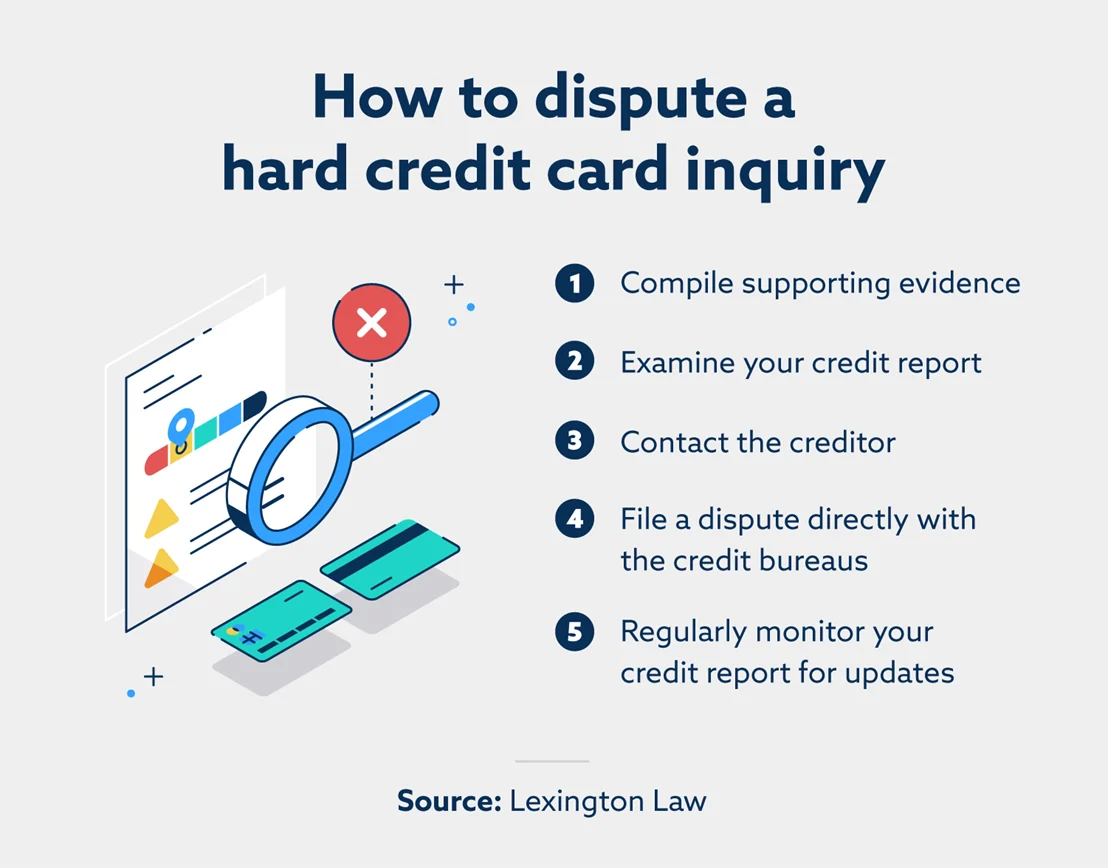
However, the industry warns that these apps are "monitoring tools," not "dispute resolution centers." While apps like Credit Karma or Credit Sesame can notify you of an error, they do not possess the legal apparatus to challenge inaccurate information with the authority of a law firm. As the industry matures, the integration of monitoring with legal advocacy—as seen with the partnership between Credit Snapshot and Lexington Law—represents the next logical step in consumer protection.
Implications: When to Seek Professional Help
If your credit monitoring app reveals a discrepancy—such as a fraudulent account, an incorrect balance, or a late payment that you know to be inaccurate—the implications can be severe. A single incorrect entry can lower your score by dozens of points, potentially disqualifying you from a mortgage or forcing you into a higher interest rate tier.
In such instances, mere observation is insufficient. Lexington Law Firm provides a critical service: they act as your advocate, reviewing your report, identifying inaccuracies, and managing the dispute process with creditors and bureaus on your behalf. Utilizing a free assessment allows you to gain an expert perspective before you enter the high-stakes world of credit applications.
Frequently Asked Questions (FAQs)
How often should I check my credit score?
For most individuals, a monthly check is sufficient. However, if you are actively rebuilding your credit or have been a victim of identity theft, a weekly or daily check via an app like WalletHub is highly recommended.
Do these apps hurt my credit?
No. Checking your own credit score is a soft inquiry. It has no negative impact on your credit rating.
How do I get all three credit scores for free?
Because no single free app provides all three, the industry-standard "stacking" method involves using the Experian app (for Experian data) alongside Credit Karma (for TransUnion and Equifax data).
What is the most accurate free credit score app?
Experian and myFICO are generally the most accurate because they provide the actual FICO Score 8, which is the model used by 90% of lenders, rather than an estimate based on the VantageScore model.
Disclaimer: The information provided is for educational purposes and does not constitute financial or legal advice. Always review your official credit reports periodically via AnnualCreditReport.com.