








In the current economic climate, the burden of debt has become a defining characteristic of the American financial experience. As of the third quarter of 2023, the Federal Reserve Bank reported that total consumer debt in the United States had surged to an unprecedented $17.29 trillion. While data suggests a slight decline in the total number of accounts currently in collection, the average dollar amount attached to these delinquent accounts has spiked, climbing from $1,200 in 2022 to over $1,600 today.
For millions of Americans, the arrival of a notice from a debt collection agency is a source of significant anxiety. However, the landscape of debt recovery is strictly governed by a web of federal and state laws designed to balance the rights of creditors with the protections afforded to consumers. Understanding these mechanisms is not merely an exercise in financial literacy—it is a critical step toward reclaiming long-term financial stability.
The Landscape of Debt Collection: A Chronological Overview
To manage a debt situation effectively, one must first understand the lifecycle of a delinquent account.
- Initial Delinquency: A debt typically enters the collection process shortly after a payment is missed. While many lenders offer a grace period, consistent failure to meet obligations triggers an internal review process.
- Internal Collections: Before selling a debt, many creditors attempt to recover funds in-house. During this phase, borrowers may still have the best opportunity to negotiate repayment plans or forbearance.
- Third-Party Assignment or Sale: When internal efforts fail, lenders often outsource the debt to a third-party collection agency or sell the account for a fraction of its original value. At this juncture, the entity contacting the consumer is often a stranger to the original contract.
- Legal Escalation: If collection efforts remain unsuccessful, the agency may choose to pursue a lawsuit. If a judgment is obtained, the collector may gain the power to garnish wages or levy bank accounts, depending on state law.
Legislative Protections: Your Shield Against Abusive Practices
The legal framework surrounding debt collection in the U.S. is robust, aimed at preventing the predatory behavior that was once common in the industry.
The Fair Debt Collection Practices Act (FDCPA)
Enacted in 1977, the FDCPA serves as the primary federal bulwark against harassment. It explicitly prohibits debt collectors from using abusive, deceptive, or unfair practices. Key protections include:
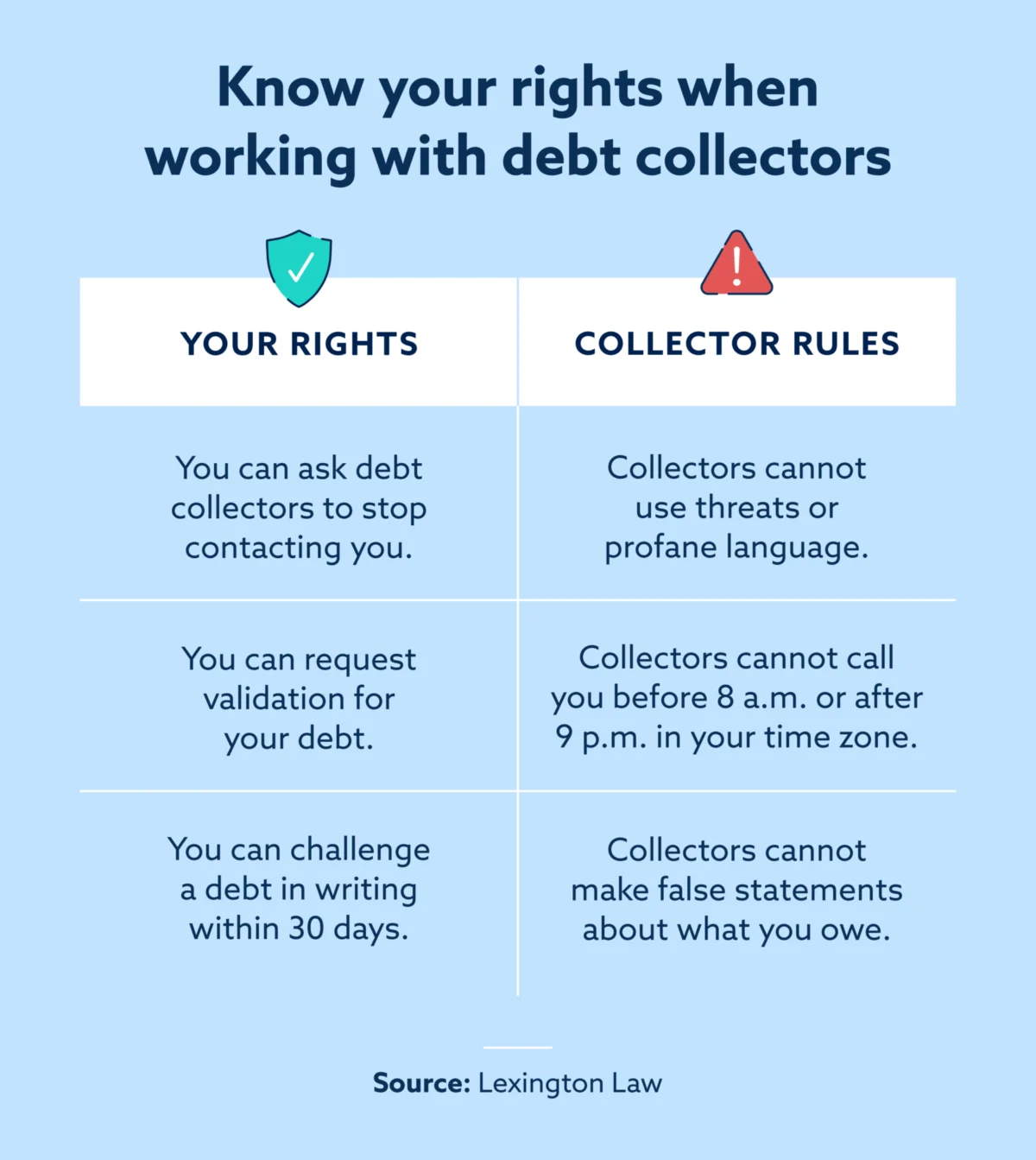
- Prohibition of Harassment: Collectors cannot threaten violence, use profane language, or call repeatedly with the intent to annoy or abuse.
- Accuracy Requirements: Collectors cannot misrepresent the amount of debt owed or falsely claim that non-payment will result in immediate arrest.
- Communication Restrictions: Collectors are legally barred from contacting consumers at inconvenient times (before 8 a.m. or after 9 p.m.) or at workplaces if the consumer has explicitly informed them that such calls are prohibited by their employer.
The Fair Credit Reporting Act (FCRA)
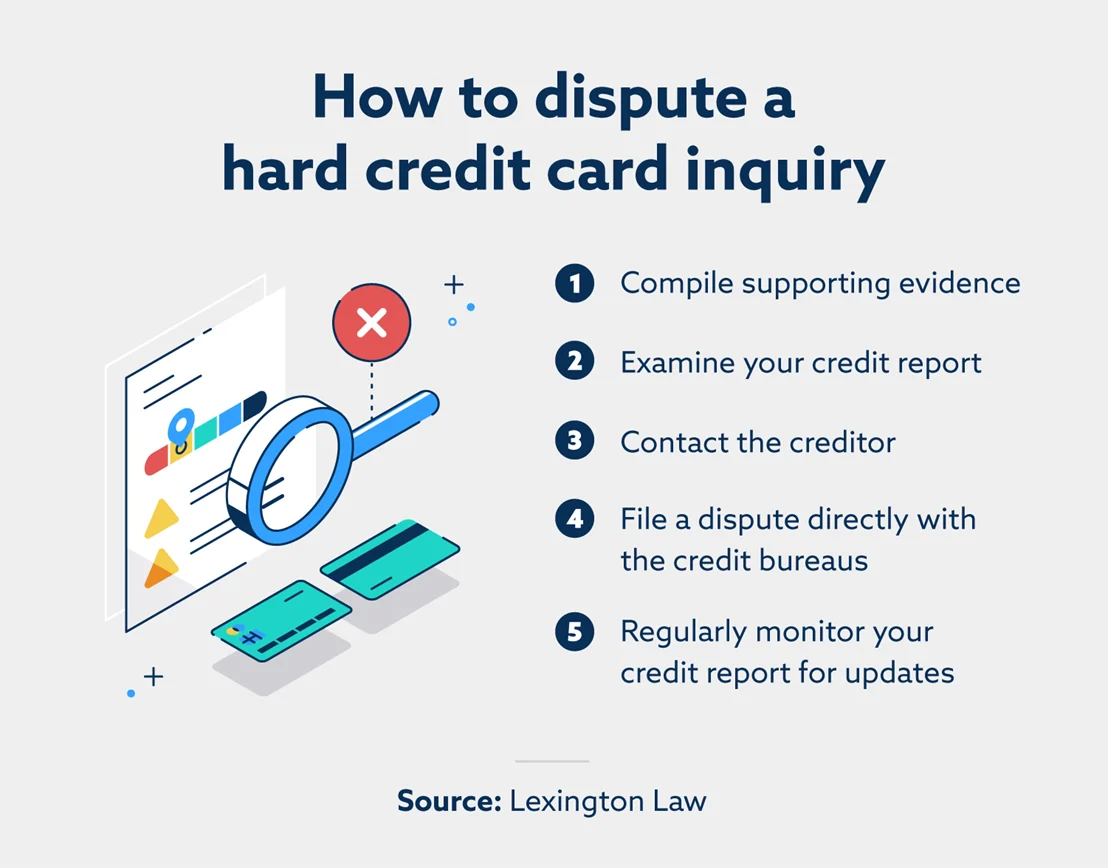
While the FDCPA governs how collectors talk to you, the FCRA governs how they report your financial behavior to credit bureaus. This law mandates that all credit reporting must be fair and accurate. If a collection agency reports a debt that you do not owe, or reports incorrect details, you have the statutory right to dispute that information. Once a dispute is filed, the credit bureau is required to investigate; if the collector cannot verify the debt, the entry must be corrected or deleted.

Unfair or Deceptive Acts or Practices (UDAP)
Beyond specific debt laws, general UDAP regulations—enforced by the Consumer Financial Protection Bureau (CFPB)—prohibit deceptive business tactics. This includes "phantom debt" collection, where agencies attempt to collect on debts that have already been paid, are past the statute of limitations, or were never valid to begin with.
Understanding the "Rules of Engagement"
The Statute of Limitations
One of the most misunderstood aspects of debt collection is the statute of limitations. This is a state-specific timeframe that dictates how long a creditor has to initiate legal action. Once this window closes, the debt is considered "time-barred." However, consumers must exercise extreme caution: making a partial payment on an old debt can, in some jurisdictions, "reset the clock," essentially breathing new life into a debt that could no longer have been legally enforced in court.
Verification of Debt
Upon being contacted by a collector, you have the right to request a "debt validation letter." This document must outline exactly who the original creditor is, the amount of the debt, and the legal basis for the collector’s claim. Never acknowledge a debt or provide banking information until the debt has been formally validated.
Strategic Responses to Collection Efforts
When a collection agency contacts you, your response should be measured and documented.
- Request Communication in Writing: If you are contacted by phone, insist that all future communication be sent via mail. This creates a paper trail that is vital for legal disputes.
- Do Not Ignore the Debt: Ignoring a collector does not cause the debt to disappear; it often encourages the agency to escalate the matter to legal counsel.
- Maintain Records: Keep copies of all correspondence, records of phone calls, and documentation of any payments made.
Advanced Options for Resolution
If you are facing a debt you simply cannot pay, several pathways remain open.
Debt Settlement
Debt settlement involves negotiating a lump-sum payment that is lower than the total balance owed. Many agencies are willing to accept this because they would rather recover a percentage of the debt than risk receiving nothing through a long, drawn-out legal process. Crucial rule: Never send money for a settlement without receiving the agreement in writing.

Bankruptcy as a Last Resort
Bankruptcy is a major financial event that can remain on a credit report for up to a decade. However, for those facing insurmountable financial distress, it offers a "fresh start." Filing for bankruptcy triggers an "automatic stay," which immediately halts all collection efforts, including lawsuits and wage garnishments. Given the severity of the long-term impact, this should only be considered after consulting with a qualified bankruptcy attorney.
Reporting Violations
If a collection agency crosses the line—by threatening you, calling your workplace after being told to stop, or attempting to collect on phantom debt—you have the power to hold them accountable. Complaints should be filed with:
- The Consumer Financial Protection Bureau (CFPB): The primary federal agency for consumer financial complaints.
- The Federal Trade Commission (FTC): Handles reports of deceptive and fraudulent business practices.
- State Attorney General’s Office: Many states have stricter consumer protection laws than the federal government and maintain dedicated consumer protection divisions.
Implications for Your Financial Future
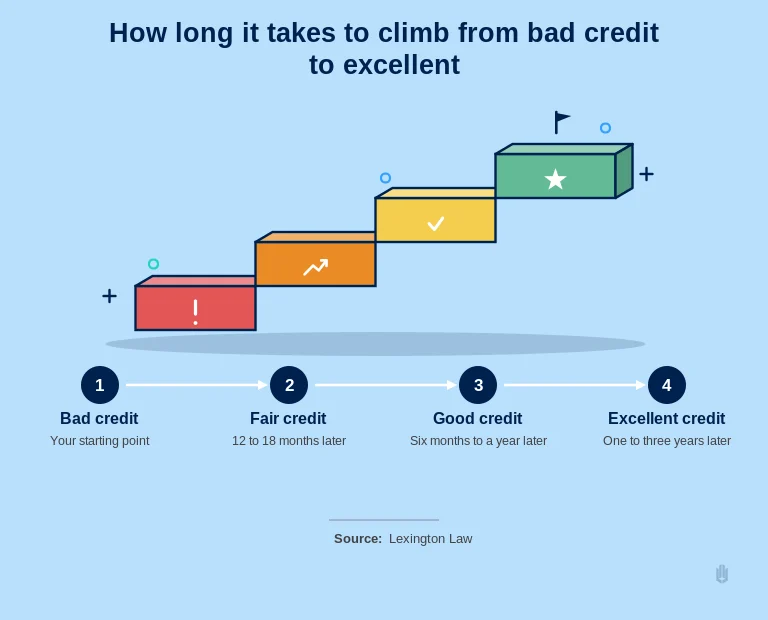
The presence of a collection account can have a cascading effect on your credit score, making it more difficult and expensive to secure housing, auto loans, or even employment. However, it is important to remember that a collection account is not a permanent stain. Through diligent monitoring of your credit reports, timely disputes of inaccuracies, and proactive communication with creditors, consumers can navigate the collection process and return to a path of financial health.
As the U.S. continues to grapple with record levels of consumer debt, the importance of individual agency cannot be overstated. Knowledge of the FDCPA, the FCRA, and your specific state laws is the most effective tool in your arsenal. By understanding your rights, you transform from a target of collection tactics into an informed participant in your own financial recovery.
Disclaimer: The information provided in this article is for general informational purposes only and does not constitute legal, financial, or credit advice. Laws regarding debt collection are subject to change and vary by jurisdiction. You should consult with a qualified professional regarding your specific financial situation before taking any action.