








The United States stands on the precipice of a seismic economic event: the "Great Wealth Transfer." Between 2024 and 2048, an estimated $124 trillion in assets is projected to shift from baby boomers and the Silent Generation to their heirs—Generation X, millennials, and Generation Z—as well as various charitable institutions. This transition represents one of the most significant redistributions of private capital in history, with profound implications for the national economy, family dynamics, and the future of philanthropy.
Despite the staggering scale of this shift, a pervasive silence surrounds the topic. A recent Morning Consult survey, commissioned by Kiplinger, reveals that roughly two in five families have yet to engage in a formal discussion regarding inheritance strategies. This reticence is rooted in two primary factors: the traditional taboo surrounding money and the existential discomfort of confronting mortality. As families struggle to break this silence, the lack of preparation threatens to turn a legacy of prosperity into a catalyst for conflict and financial mismanagement.
A Chronology of the Transfer
The Great Wealth Transfer is not an instantaneous event but a decades-long migration of capital. The process began accelerating in the early 2020s as the oldest baby boomers entered their late 70s and early 80s.
- 2024–2030 (The Early Phase): The initial stage involves the systematic passing of estate assets, including real estate, brokerage accounts, and business interests. During this period, the focus is largely on long-term tax planning and the initial transition of family-held enterprises.
- 2030–2040 (The Peak): Demographic trends suggest this decade will see the highest volume of asset movement. As the bulk of the boomer generation reaches life expectancy milestones, the pressure on wealth management firms and estate attorneys will reach an all-time high.
- 2040–2048 (The Final Transition): The closing years of this period will see the completion of the transfer, likely involving the final distribution of trusts and the conclusion of complex multi-generational estate plans.
Supporting Data and the Cost of Silence
The logistical complexity of transferring $124 trillion is compounded by the psychological barriers identified in recent research. According to data from Cerulli Associates, while the majority of this wealth will remain within family lines, approximately 15%—or roughly $18.6 trillion—is earmarked for charitable causes.
The Morning Consult survey highlighted that roughly one-quarter of parents and children feel "somewhat" or "very" uncomfortable discussing inheritance. One respondent’s candid admission—"I couldn’t find it in my heart to ask"—encapsulates the emotional paralysis that often prevents parents from clarifying their intentions and children from understanding their future responsibilities.
This lack of transparency is dangerous. Without clearly defined expectations, heirs may harbor unrealistic assumptions about their financial windfalls, while parents may fail to structure their assets in ways that minimize tax burdens or protect the long-term integrity of the family legacy.
Official Perspectives: Lessons from the Financial Elite
To navigate this transfer successfully, many look to the philosophies of those who have managed—or chosen not to manage—massive fortunes.
Warren Buffett’s Logic of Responsibility
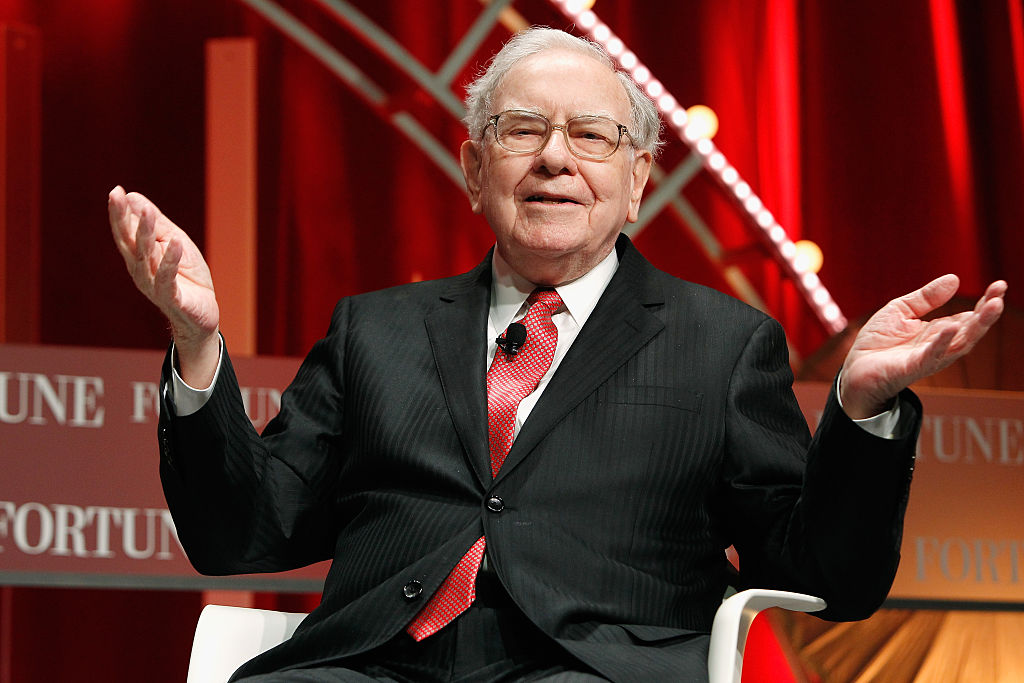
Warren Buffett, the chairman of Berkshire Hathaway, has been a vocal proponent of early and clear communication. In his November 2024 correspondence, he emphasized that parents must ensure their children understand the logic behind their testamentary decisions. "You don’t want your children asking ‘Why?’ when you are no longer able to respond," Buffett noted.
Buffett’s approach to his own fortune is radical: he has committed to distributing over 99% of his net worth to philanthropy. His philosophy on inheritance for his children is cautionary: "Leave the children enough so that they can do anything but not enough that they can do nothing." He argues that extreme wealth, if unearned, can serve as a disservice, and that society—not just his heirs—has a legitimate claim to his resources.
The "Carrot-and-Stick" Approach of Shaquille O’Neal
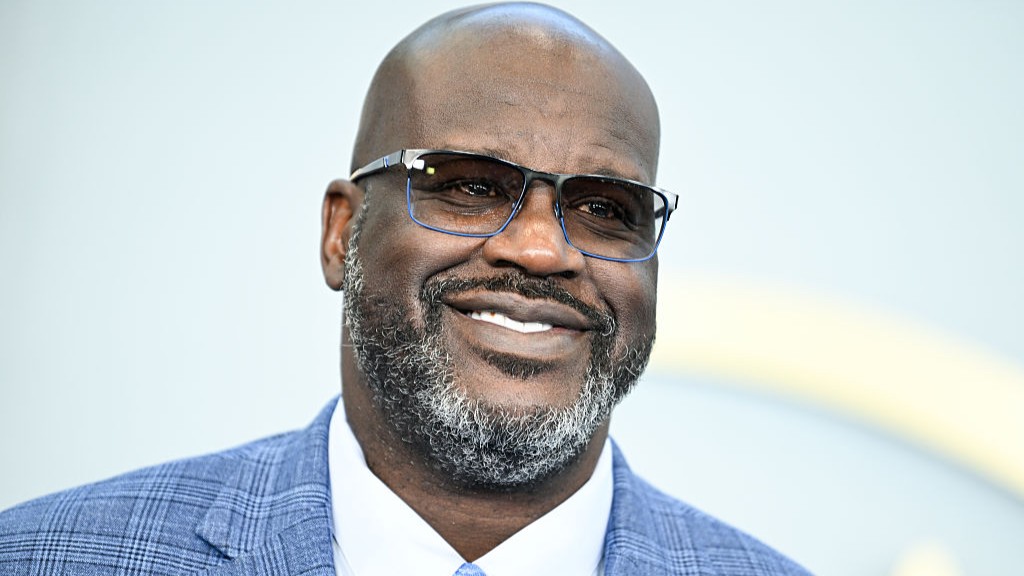
NBA legend Shaquille O’Neal takes a more conditional approach to generational wealth. With an estimated net worth of $500 million, O’Neal does not believe in unconditional handouts. He has established a clear mandate for his six children: in order to inherit, they must present him with two degrees. By requiring bachelor’s and master’s degrees, O’Neal aims to instill a work ethic and a sense of purpose, steering his children toward professional paths in fields like medicine, dentistry, or finance, rather than simply relying on his legacy.
The Jay-Z and Beyoncé Perspective
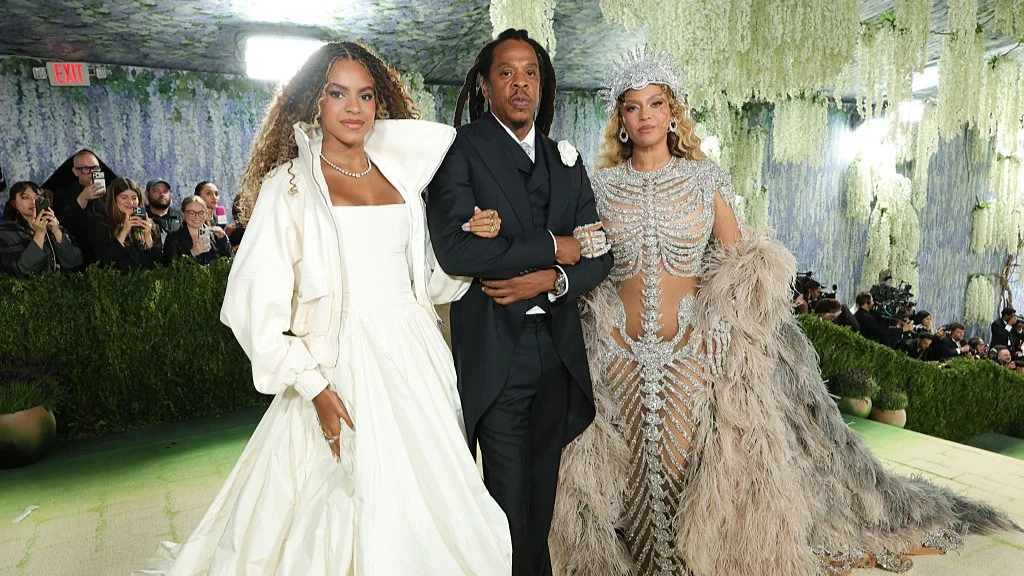
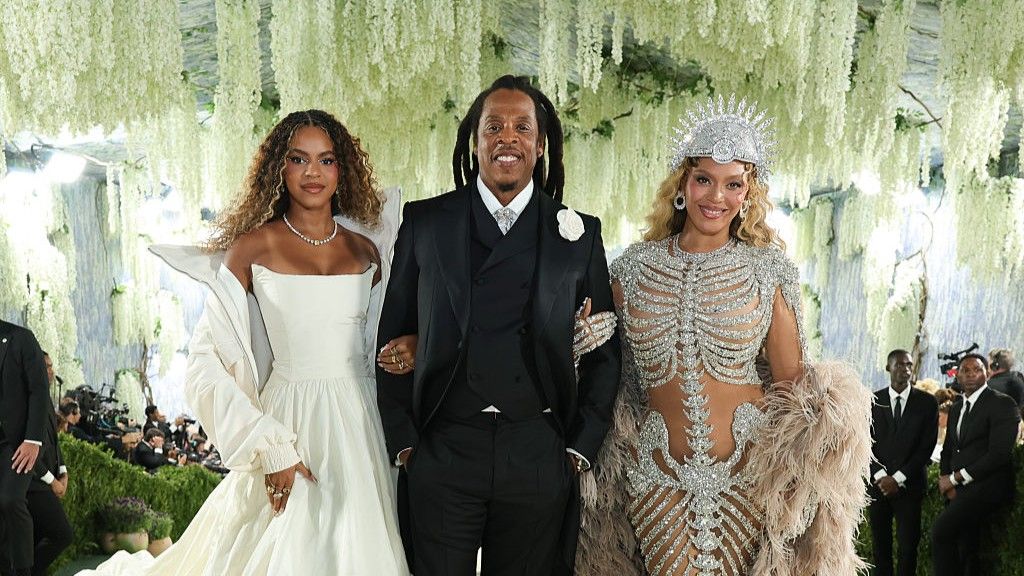
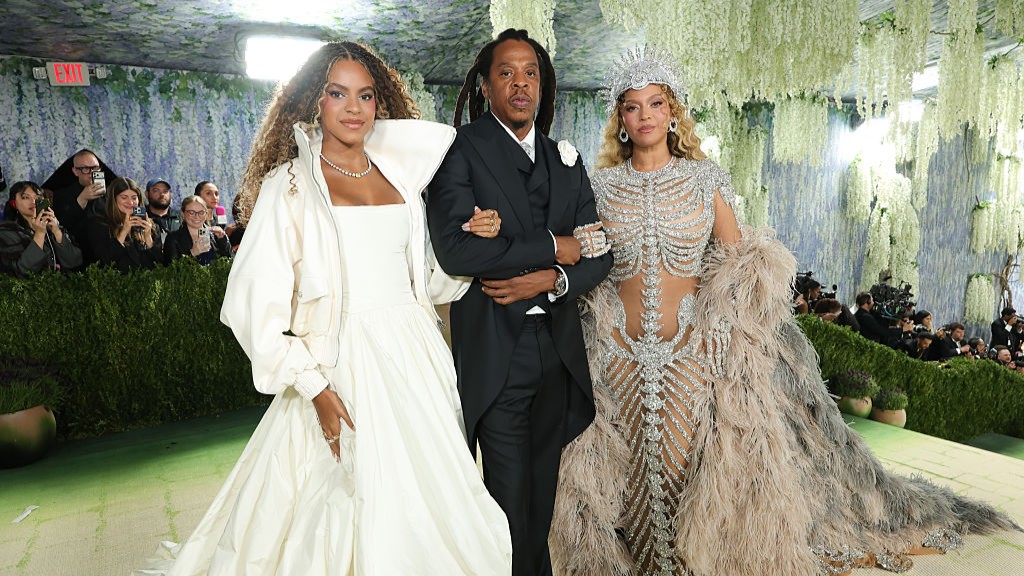
For power couple Jay-Z and Beyoncé, wealth transfer is a strategic endeavor aimed at strengthening the family unit. Through their music and public commentary, they have emphasized the concept of "generational wealth." In his song "Legacy," Jay-Z highlights the importance of financial literacy, noting how his mother utilized bonds to secure his future. The couple views their fortune as a tool for creating a durable financial ecosystem that supports not only their direct children but also their extended family members.
Financial Implications and Expert Guidance
The transition of wealth requires more than just a will; it requires a philosophy. Experts like Dave Ramsey and Suze Orman offer diverging but complementary advice on how to manage this transition.
The Discipline of Wealth (Dave Ramsey)
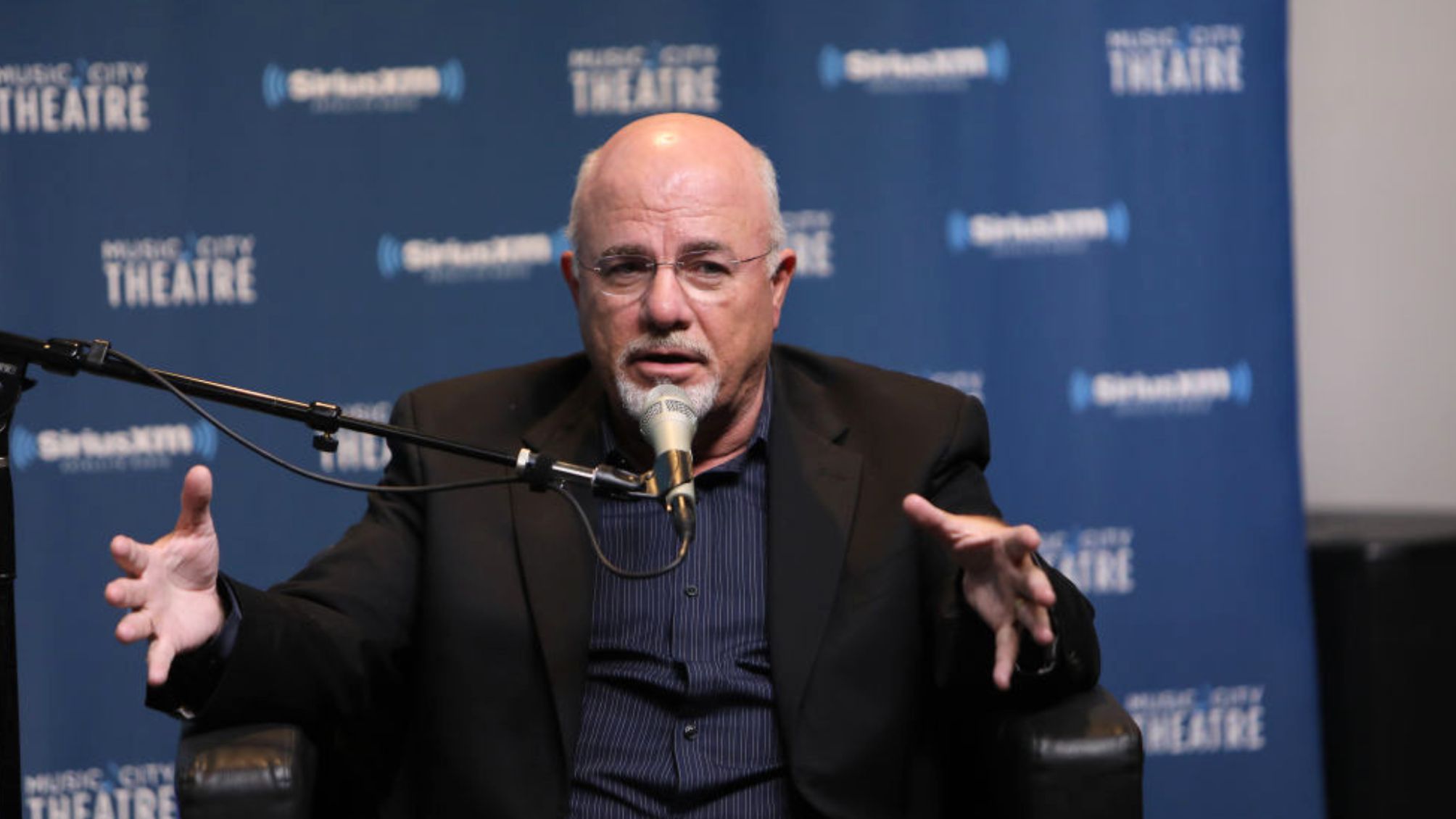
Dave Ramsey, a renowned personal finance personality, warns that parents have no inherent obligation to leave their children an inheritance. However, he cautions against the fear that money will "damage" heirs. "Wealth always magnifies the character of the person holding it," he argues. His primary concern is that families often pass down dollars without passing down the necessary financial discipline. For the heirs, Ramsey believes the goal should be to honor the giver by managing the inheritance with wisdom and purpose, ensuring that the wealth does not disappear within a single generation.
The Trap of Sentimentality (Suze Orman)
Financial expert Suze Orman focuses on the management of inherited assets, specifically warning against "sentimental investing." Many heirs hold onto stocks or properties inherited from parents out of a sense of loyalty, mistakenly conflating the asset with the memory of the loved one. Orman argues that this is a critical mistake. "You cannot keep your family alive by keeping the investments they left you," she says. She advises heirs to treat inheritance with objective, forward-looking financial scrutiny. To truly honor a parent’s effort, an heir should not hesitate to sell underperforming assets and reallocate those funds into investments that provide growth and security for the future.
Implications for the Future
The implications of the $124 trillion transfer are vast:
- Philanthropic Explosion: With trillions flowing into the non-profit sector, we may see a golden age of charitable giving. This could fundamentally alter how social services, scientific research, and environmental causes are funded.
- Economic Volatility: As assets are liquidated or rebalanced to accommodate the transfer, markets may experience shifts in liquidity. Financial advisors will play a central role in ensuring that these transitions occur with minimal market disruption.
- Family Stability: The success of the Great Wealth Transfer will ultimately be measured by the health of the family unit. Families that prioritize open dialogue, financial education, and clear legal planning are far more likely to preserve both their wealth and their relationships.
Conclusion: The "Trillion Dollar Talk"
The Great Wealth Transfer is an inevitability, but the outcome of that transfer is a choice. Whether it results in the flourishing of a new generation, the strengthening of charitable sectors, or the dissipation of family fortunes depends on the willingness of the current generation to engage in the "Trillion Dollar Talk."
Breaking the taboo requires courage—the courage to discuss mortality, to set expectations, and to pass on not just dollars, but the wisdom and discipline required to manage them. As Warren Buffett, Shaquille O’Neal, and others have shown, the most important part of a legacy is not the size of the inheritance, but the intent behind it. Families that begin these conversations today will be the ones best positioned to thrive in the decades to come.