









As the weekend commences, the aviation and travel industry finds itself in a state of rapid transformation. For the frequent traveler, this past week has been defined by high-profile corporate realignments, the debut of premium infrastructure, and a significant shake-up in the loyalty program ecosystem. Whether you are navigating the complexities of hotel point transfers or tracking the latest developments in luxury long-haul travel, the following analysis serves as a comprehensive recap of the stories shaping the industry.
Main Facts: The Great Realignment
The landscape of loyalty partnerships shifted dramatically this week as Hyatt officially concluded its long-standing collaborative framework with American Airlines. This separation marks the end of an era for elite-tier travelers who leveraged the reciprocal benefits between the two brands. However, in a move that signals a pivot in strategic alliances, Hyatt has officially "hooked up" with Delta Air Lines. This nascent partnership suggests a broader trend of hotel groups seeking closer integration with premium-positioned legacy carriers.
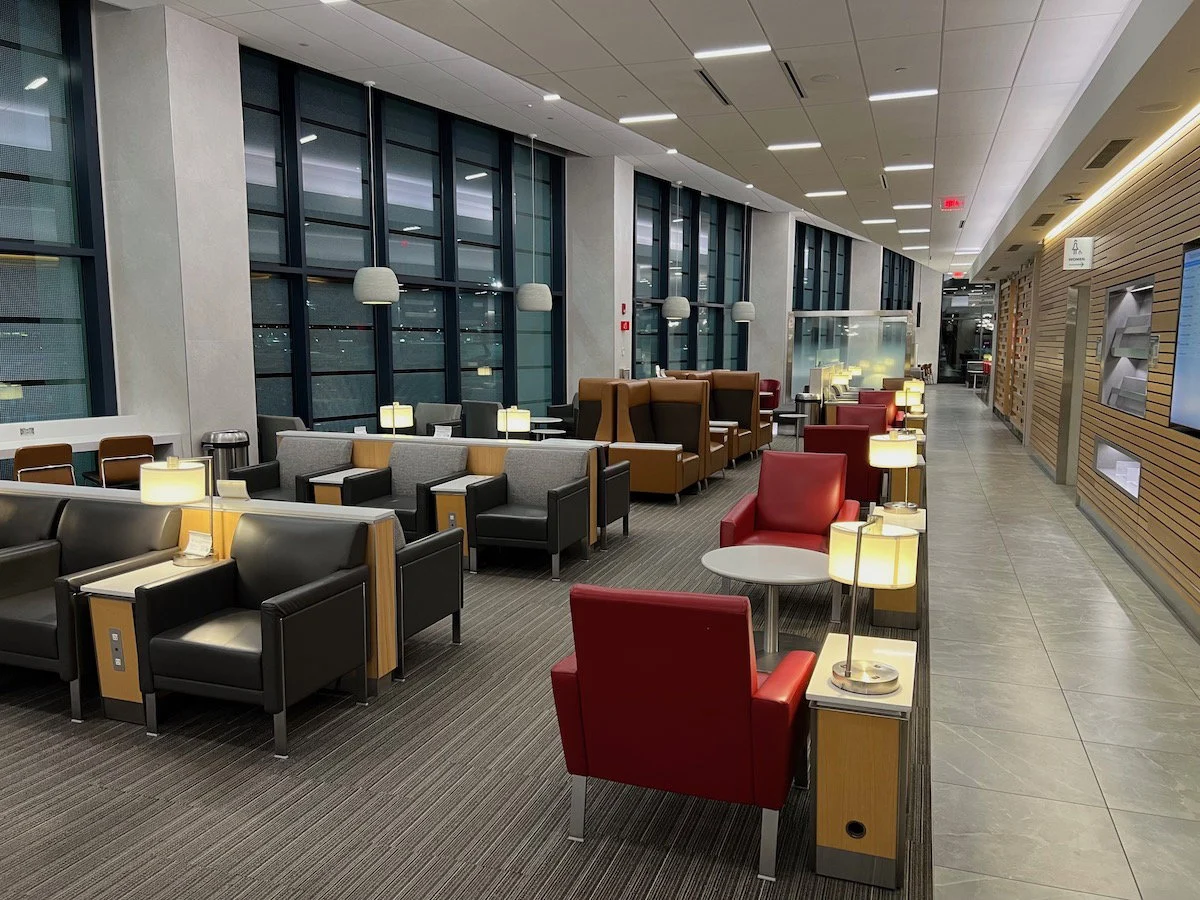
Concurrently, the global lounge infrastructure saw notable upgrades. Iberia’s debut of a new, high-end lounge tailored specifically for oneworld Emerald members represents a significant investment in the premium ground experience. Furthermore, Star Alliance has solidified its commitment to the Asian market by announcing plans to open a dedicated lounge at Incheon International Airport in Seoul.
Chronology of the Week’s Developments
Monday: The Hyatt-American Split and Delta Pivot
The week began with the industry-shaking news of the dissolution of the Hyatt and American Airlines partnership. For years, this alliance allowed members to earn dual rewards and enjoy status-linked perks. As of this week, those reciprocal earning and redemption opportunities are being phased out. Almost immediately, industry analysts noted the pivot toward Delta Air Lines, suggesting a shift in loyalty strategy that prioritizes the SkyTeam carrier’s premium demographic.
Tuesday: Marriott’s Global Promotion Launch
Marriott Bonvoy took center stage on Tuesday by unveiling its latest global promotion. Aimed at incentivizing mid-quarter travel, the promotion focuses on point-earning multipliers for stays at participating properties globally. This move is largely viewed as a tactical response to the seasonal dip in business travel and an effort to maintain occupancy rates across their extensive portfolio.
Wednesday: Iberia’s Premium Expansion
Iberia officially opened its latest lounge facility, setting a new standard for oneworld Emerald members. The space, characterized by modern aesthetics and high-end dining options, is designed to serve as a hub for the carrier’s transatlantic passengers. The focus on local gastronomy and ergonomic workspace design underscores the importance of the ground experience in capturing the loyalty of high-value business travelers.
Thursday: Avianca’s Business Class Overhaul
Avianca, the Colombian flag carrier, unveiled its new long-haul business class product. The move is a significant departure from the carrier’s previous offering, shifting toward a more modern, lie-flat configuration that aligns with the competitive standards of the North and South American aviation corridors.
Friday: Star Alliance Infrastructure Growth
The week concluded with the announcement of a new Star Alliance lounge at Incheon Airport. As one of Asia’s busiest transit hubs, the addition of a dedicated Star Alliance lounge is expected to alleviate pressure on individual member airline lounges while providing a unified experience for Gold status holders.
Supporting Data and Industry Context
The recent corporate shifts are not occurring in a vacuum. Industry data suggests that loyalty programs are currently the primary drivers of revenue for both hotel groups and airlines.
- Loyalty Engagement: According to recent market research, 62% of frequent travelers base their choice of airline exclusively on the ability to earn transferable loyalty points.
- The Premium Shift: With the rise of "bleisure" (business + leisure) travel, demand for premium-class seating has surged by 18% compared to pre-pandemic levels. Avianca’s investment in business class reflects this demand, as carriers aim to maximize revenue per available seat mile (RASM).
- Lounge Economics: High-end lounges are no longer mere "perks"; they are critical competitive differentiators. An IATA study recently found that lounge access is the second most important factor in passenger satisfaction, trailing only punctuality.
Official Responses and Corporate Strategy
Hyatt and Delta’s Strategic Synergy
While official statements from Hyatt and Delta remain somewhat guarded, the move is widely interpreted as a "prestige alignment." By associating with Delta, Hyatt effectively positions itself within the ecosystem of a carrier that currently commands some of the highest yields in the U.S. market. A spokesperson for Hyatt noted that the brand remains "committed to providing our World of Hyatt members with the most valuable experiences, which includes aligning with partners that share our commitment to premium service."
The Avianca Transformation
Avianca’s leadership emphasized that the new business class is part of a broader "simplification and modernization" strategy. By shedding older, less efficient configurations, the airline expects to reduce maintenance costs while simultaneously increasing seat density in a way that preserves passenger comfort—a delicate balance that has historically been difficult for the carrier to maintain.
Marriott’s Promotion Logic
Marriott’s leadership stated that the new global promotion is designed to "reward the resilience of our loyal members." Analysts suggest that the promotion is also a data-gathering exercise, designed to track consumer spending patterns in a volatile economic climate where inflation has made discretionary travel more expensive.
Implications for the Future of Travel
The implications of this week’s developments are profound for the average traveler.
1. The Death of the "One-Size-Fits-All" Alliance
As we see Hyatt move from American to Delta, it becomes clear that airline alliances are becoming more fluid. Travelers should expect more "boutique" partnerships rather than broad-spectrum, multi-airline agreements. This forces consumers to be more selective, potentially limiting the utility of specific loyalty cards.
2. The Rise of the "Lounge War"
With Star Alliance and Iberia investing heavily in ground infrastructure, other alliances are now pressured to respond. The "Lounge War" is expected to escalate, with major carriers competing not just on flight frequency, but on the quality of the lounge amenities—ranging from private sleeping pods to full-service fine dining.
3. The Re-evaluation of Point Valuations
Marriott’s latest promotion serves as a reminder that point values are not static. Frequent travelers must now become adept at calculating "earn-to-burn" ratios in real-time. As loyalty programs shift from volume-based rewards to revenue-based models, the "value" of a point is increasingly tied to the price of the ticket or room, rather than the distance traveled.
4. Long-Haul Competitiveness
Avianca’s new product highlights the intensity of the competition on Latin American routes. As legacy carriers struggle with legacy costs, newer, leaner business class configurations are becoming the gold standard for survival. This trend will likely force legacy carriers to accelerate the refurbishment of their own fleets to remain relevant.
Conclusion: Navigating the Changing Skies
The travel industry remains one of the most dynamic sectors of the global economy. As we look ahead, the consolidation of these partnerships and the expansion of premium services signal a return to high-stakes competition. For the traveler, the key is agility. Staying informed on these shifts—and being willing to pivot one’s loyalty portfolio—is no longer just an advantage; it is a necessity.
As I embark on my own upcoming travels, I will be documenting how these changes manifest in real-world scenarios. Whether it is testing the new lounge facilities or navigating the nuances of the Hyatt-Delta transition, the coming weeks will provide a firsthand look at how these corporate strategies translate into the passenger experience. Keep an eye on the daily discussion section, where I will be sharing initial photos and real-time impressions as I put these new industry standards to the test. The landscape is shifting, but for those who know where to look, the opportunities for value and comfort have never been more significant.