









Circle Scales Global Infrastructure: A Deep Dive into the $400M Acquisition of Tazapay

By Gabrielle Saulsbery | Sept. 9, 2026 In a landmark move that signals the rapid maturation of the stablecoin economy, Circle Internet Group, the issuer of the USDC stablecoin, announced on Tuesday that it has entered into a definitive agreement to acquire Singapore-based cross-border payments infrastructure firm Tazapay. The all-stock deal, valued at $400 million,…


Read More

The Trojan Horse in Your Living Room: How Cheap TV Boxes Are Powering a Global Ad Fraud Empire

For years, cybersecurity professionals have issued dire warnings regarding the perils of "unbranded" or generic Android-based TV streaming boxes. These devices, often marketed on major e-commerce platforms as low-cost gateways to "unlimited" free content, have long been suspected of harboring malicious software. However, a new, groundbreaking investigation by the security firm Bitsight has peeled back…

Read More

The Digital Siege: Inside the Global Extortion Syndicate Targeting Cloud Infrastructure

In a case that has sent shockwaves through the cybersecurity industry and rattled the boardrooms of the world’s most recognizable corporations, a 26-year-old Canadian national has admitted to orchestrating one of the most prolific and consequential cybercrime campaigns of 2024. Connor Riley Moucka, of Kitchener, Ontario—known in the digital underground by the monikers “Judische” and…

Read More

Navigating the Trillion-Dollar Labyrinth: The Evolution, Risks, and Rating Methodologies of the Global CLO Market

By Financial Markets Desk Published: October 2023 / Updated for 2026 Market Conditions Main Facts: The Trillion-Scale Architecture of Modern CLOs Collateralized loan obligations (CLOs) have firmly cemented their position as a cornerstone of global structured finance. Offering institutional investors exposure to diversified pools of leveraged corporate loans, these complex instruments transform pools of corporate…

Read More

Mortgage Rates Surge to Yearly Highs Amidst Global Uncertainty: What Homebuyers and Refinancers Need to Know

New York, NY – [Insert Date] – Homebuyers and those considering refinancing their existing mortgages are facing a stark reality today, as average interest rates have climbed to their highest point of the year. The daily average for a 30-year fixed-rate mortgage has ascended to 6.62% Annual Percentage Rate (APR), marking a significant uptick from…

Read More

The Global Landscape of R&D Tax Incentives: A 2025 Analysis of Innovation Policy

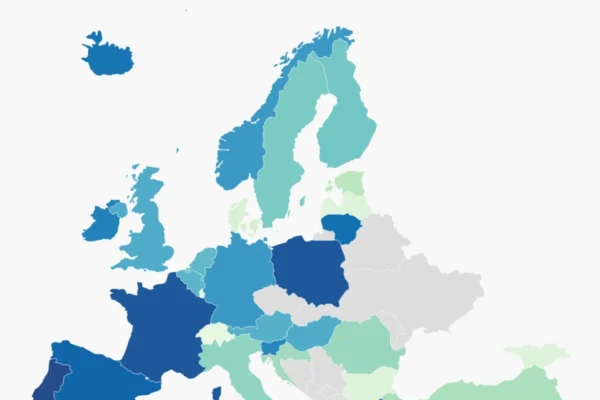
In the hyper-competitive arena of the global economy, Research and Development (R&D) stands as the primary engine of long-term productivity and growth. To capture this growth, governments worldwide increasingly utilize expenditure-based tax incentives to lower the effective cost of innovation for corporations. However, a new analysis of 2025 data reveals a stark divergence in strategy,…

Read More

The Fiscal Crossroads: Why Corporate Tax Reform is the Key to Navigating Global Economic Stagnation

As geopolitical tensions in the Persian Gulf continue to roil international energy markets, the global economy stands at a precarious juncture. Policymakers across the developed world are finding themselves in a classic "policy trap": they must stimulate economic momentum to combat cooling growth while simultaneously addressing the looming specter of record-high public indebtedness. With aging…

Read More

The Strategic Imperative: Global Payroll’s Transformation in an Era of Complexity

London, UK – Global hiring, once primarily a logistical hurdle, has fundamentally reshaped its role within multinational enterprises. For decades, expanding internationally often meant establishing a new local office, engaging local accountants, adding another payroll vendor, and hoping that financial reporting would align by quarter’s end. This piecemeal approach, however, has become increasingly untenable in…

Read More

The Fallacy of Percentage-Based Excise Taxes: Why Global Health Targets Miss the Mark

For years, international health organizations and policymakers have operated under a seemingly simple, yet deeply flawed, fiscal assumption: that the most effective way to reduce the consumption of specific goods—most notably tobacco—is to ensure that taxes account for a fixed percentage of the retail price. The World Health Organization (WHO), in particular, has championed a…

Read More