







By Financial News Desk
Published: Autumn 2026
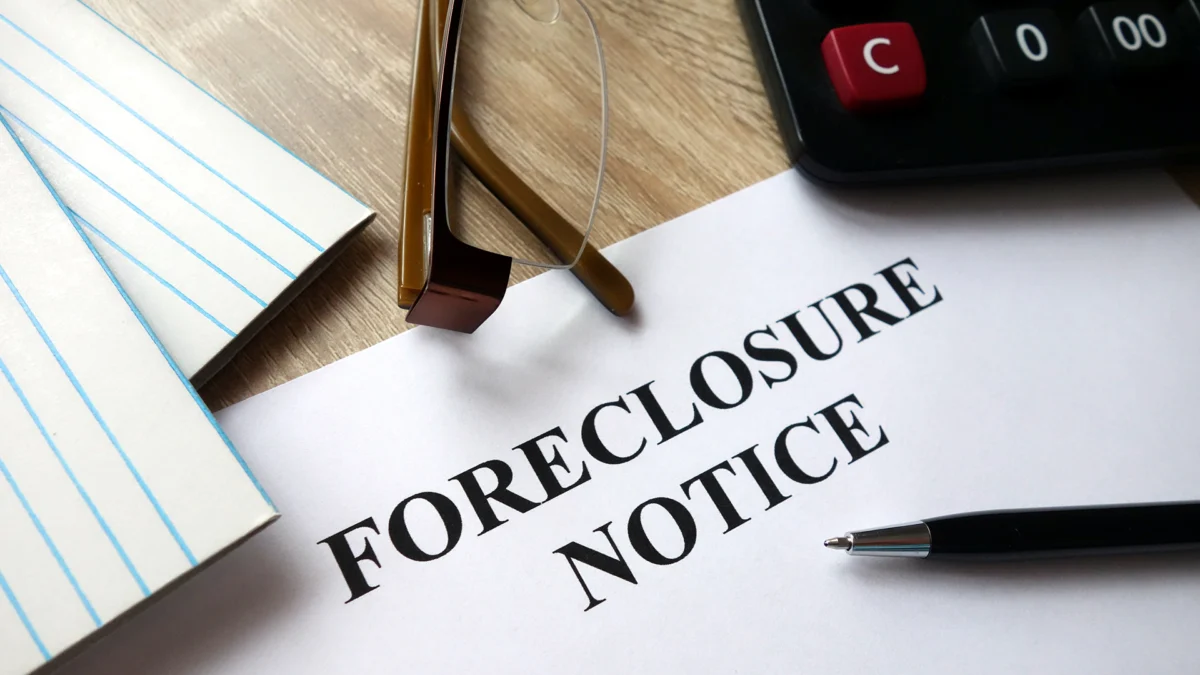
Photo by Vitaly Gariev on Unsplash
You open your monthly statement, scroll past the itemized purchases, and look directly at the payment line. You pay more than the minimum. You make your payment on time, month after month, yet when you check the balance next cycle, it has barely budged.
If this scenario feels painfully familiar, you are not suffering from bad luck or a sudden inability to do basic math. You are caught in a structural financial trap. National credit card debt has climbed to an alarming $1.26 trillion, teetering near an all-time high. The way most consumers are conditioned to pay down these balances is a primary reason why the debt feels permanently stuck.
To understand why paying your bill every month can still leave you treading water, we have to examine what has changed in the macroeconomic landscape, the true hidden cost of minimum payments, and the concrete steps required to escape the cycle before it becomes a permanent lifestyle.
Main Facts: The Anatomy of Modern Credit Card Debt
The latest financial metrics paint a sobering picture of American household balance sheets. According to data released in the Federal Reserve Bank of New York’s Quarterly Report on Household Debt and Credit, total U.S. credit card balances rose by $21 billion in the second quarter of 2026 alone. This surge pushed total revolving debt to $1.26 trillion, putting balances just a fraction away from the historic record set in late 2025.
What drives this persistent upward trajectory? Researchers at the New York Fed point to a phenomenon known as a “K-shaped divide.” This economic split means the debt accumulation is far from uniform. While certain households continue to aggressively pay down their balances, a substantial segment of the population—frequently those already burdened by prior debt—are forced to add to it.
Compounding the problem is the cost of borrowing. The average interest rate on an existing credit card balance is currently hovering comfortably above 19 percent. Because of these punishing rates, the growth in national debt isn’t solely driven by fresh consumer spending. A massive share of the expanding total is simply interest compounding on money already owed, creating a self-sustaining financial loop.
Chronology: How Debt Stops Being Temporary and Becomes a Fixture
To grasp how a nation reaches $1.26 trillion in credit card liabilities, it is necessary to look at the timeline of how consumer debt behavior has evolved over recent years.
Phase 1: The Short-Term Bridge (Pre-2024)
Historically, carrying a credit card balance was viewed by most households as an emergency measure—a temporary bridge to cross a difficult month, with the explicit intention of wiping the slate clean as soon as steady cash flow returned. Balances fluctuated seasonally, spiking during the winter holidays or summer travel months, but typically declined during the rest of the year.
Phase 2: The Post-Inflationary Squeeze (2024–2025)
As persistent inflation outpaced wage growth across multiple sectors, the timeline for paying off these "temporary" balances began to stretch. Consumers found that the money previously allocated toward debt reduction was now entirely absorbed by elevated grocery, utility, and housing costs. Balances that used to take three to six months to clear began lingering for a full year.
Phase 3: Normalization of Perpetual Debt (2026)
Today, carrying a revolving balance has crossed a psychological Rubicon. Research cited by the nonprofit credit counseling organization Navicore Solutions reveals that 49 percent of Americans now view carrying credit card debt from month to month as entirely normal.
The data confirms this dangerous shift in mindset:
- 61 percent of consumers currently carrying a balance have maintained that debt for at least a year—a sharp jump from 53 percent less than two years ago.
- 31 percent of cardholders have been trapped in debt for three years or longer.
When a balance sits for years, the mechanics of amortization shift dramatically. More of every hard-earned dollar goes toward servicing interest rather than reducing the underlying principal, cementing the debt as a permanent financial fixture.
Supporting Data: The Brutal Mathematics of Minimum Payments
Why do these balances feel entirely immovable? The answer lies in the fine print of credit card statements—specifically, the mathematics behind the minimum payment.
Credit card companies calculate minimum payments in a way designed to keep your account technically current, not to clear your balance to zero within a reasonable timeframe. When applied to an average cardholder balance at today’s average interest rate of over 19 percent, the reality is stark:
- Payoff Timeline: Sticking strictly to minimum payments on an average balance will take close to 170 months. That is over 14 years to achieve freedom.
- Total Interest Paid: Over that 14-year span, the compounding interest will cost you roughly $6,491 in addition to the original purchases.
To put that timeline into perspective, 14 years is longer than most standard car loans, longer than typical apartment leases, and—for many Gen Z and younger millennial consumers—longer than the entire duration they have even possessed a credit card.
Why Do People Actually Go Into Debt?
Popular financial narratives often blame credit card debt on frivolous luxury spending and retail therapy. However, comprehensive consumer surveys tell a vastly different story:
- Emergencies and Unexpected Shocks (41%): Nearly half of all cardholders carrying a balance cite unexpected one-time costs, including steep medical bills, sudden car repairs, or emergency home maintenance.
- The Income-Expense Gap (33%): One-third of debtors report that day-to-day essentials—such as groceries, childcare, and utility bills—simply outpace their monthly earnings.
- Retail Purchases (10%): Traditional shopping sprees account for a minor fraction of accumulated balances.
- Travel and Entertainment (7%): Discretionary getaways and leisure make up the smallest slice of the debt pie.
Ultimately, most credit card debt does not start as a shopping habit; it begins as a desperate bridge over a financial chasm. This underscores why building a cash reserve for emergencies is vastly more effective at preventing debt than merely cutting back on daily lattes.
Official Responses and Generational Divides
Financial policymakers and credit experts have closely monitored the rapid climb toward $1.26 trillion. While the Federal Reserve continues to evaluate broader monetary policy adjustments to stabilize consumer credit markets, counselors on the front lines are witnessing distinct demographic trends.
When analyzing debt-carrying rates across generations, interesting patterns emerge:
- Generation Z (40%): Gen Z currently exhibits the lowest share of debt-carrying cardholders. While this is partly positive—younger consumers simply have less credit history to correct—it also means the habits they form today will dictate their financial futures. Whether they learn to pay balances in full or normalize minimum payments will set the trajectory for decades.
- Millennials and Generation X (53% both): Over half of individuals in these age brackets are actively carrying month-to-month balances, often squeezed by the concurrent pressures of raising children, paying mortgages, and funding student loans.
Perhaps the most haunting statistic of the current economic environment is this: 22 percent of all individuals currently in credit card debt believe they will never fully pay it off.
No one opens their first credit card believing they will die in debt. That sense of hopelessness is the direct psychological fallout of watching 170 months of minimum payments barely move the needle.
Implications: What You Can Actually Do About It
Accepting perpetual debt as a way of life is not inevitable. If you are caught in the $1.26 trillion wave, financial experts recommend a multi-step intervention plan to reclaim your financial autonomy:
1. Disrupt the Minimum Payment Trap
Audit your monthly budget to see if you can squeeze out even $25 or $50 more than the required minimum. On a balance subjected to a 19 percent interest rate, throwing even small amounts of extra cash directly at the principal can shave years off your repayment timeline and save you hundreds—if not thousands—of dollars in interest.
2. Close the Income-Expense Gap with a Budget
Since 33 percent of debt originates from ordinary monthly expenses outstripping income, relying on willpower alone will not fix the leak. Establishing a structured, realistic budget tailored to your life stage is the most durable long-term fix to ensure daily living costs don’t continuously bleed onto your plastic.
3. Explore Strategic Relief Options
If your current balance feels entirely unmanageable and high interest rates are swallowing your payments whole, look into alternatives:
- 0% Balance Transfer Cards: If your credit score is still in good standing, transferring your balance to a card offering a 0% introductory APR on transfers can give you a vital 12- to 21-month window where 100% of your payment goes toward the principal.
- Nonprofit Credit Counseling: Organizations accredited by bodies like the National Foundation for Credit Counseling (NFCC) can negotiate lower interest rates directly with creditors and consolidate your payments into a single, manageable monthly bill.
Frequently Asked Questions About Credit Card Debt
Q: How much credit card debt does the average American carry?
A: Cardholders who actively carry a balance owe an average of $6,523, though this figure fluctuates based on geography, age bracket, and household income.
Q: Is it harmful to carry a small credit card balance from month to month?
A: Yes. Any balance carried past the statement due date immediately begins accruing interest at rates typically exceeding 19 percent. Even small balances compound aggressively over time, making payment-in-full the gold standard.
Q: Why does my balance barely drop even when I make payments religiously?
A: If your payments are hovering near the minimum requirement, the vast majority of your money is satisfying accrued interest rather than shrinking the principal balance.
Q: What should I do if I can genuinely only afford the minimum payment right now?
A: Always pay the minimum to protect your credit score from late-payment penalties. However, treat this as a temporary triage phase and pivot to a lower-rate vehicle—such as a balance transfer card or a debt management plan—as soon as your cash flow allows.
Q: Does carrying a credit card balance directly ruin my credit score?
A: The act of carrying a balance does not directly penalize your score. However, high balances relative to your total credit limit—known as your credit utilization ratio—will drag your score down. Keeping your utilization below 30 percent helps protect your credit health while you work down the principal.
Final Thoughts
Finding yourself with a lingering credit card balance is not a moral failing or the result of a single poor decision. For the vast majority of Americans, debt begins with an unexpected medical emergency, a sudden car repair, or a season where the cost of living simply outpaced earnings.
The most powerful action you can take this week is straightforward: pull up your credit card statement, look past the bolded total balance, and check your specific interest rate and minimum payment requirements. Run the actual payoff math. Understanding that specific timeline—whether your debt is set to clear in two years or fourteen—is the crucial first step toward turning the tide and breaking free for good.