







Retirement is often envisioned as a period of liberation—a time to finally pursue the hobbies, travel experiences, and home improvements that were sidelined during decades of professional labor. Whether it’s the allure of traversing the country in a luxury recreational vehicle or the satisfaction of finally installing that dream wine cellar, the "big ticket" items often sit at the center of retirement fantasies.
However, the reality of ownership—characterized by maintenance, insurance, depreciation, and tax liabilities—can quickly transform these dreams into financial drains. For the modern retiree, cash flow and liquidity are the bedrock of security. Consequently, a growing movement of financial planners is advising retirees to adopt a "rental-first" mindset. By renting rather than buying, retirees can enjoy the lifestyle benefits of these assets while keeping their capital liquid and avoiding the hidden costs that erode retirement savings.
1. Recreational Vehicles: The Freedom of the Open Road Without the Depreciation
The image of an RV parked against a sunset backdrop is a cornerstone of American retirement culture. Yet, the economics of owning a motorhome are often stark. Beyond the initial purchase price—which can reach six figures—owners face immediate depreciation, often losing 20% of the vehicle’s value the moment it leaves the lot.

The Financial Burden of Ownership
Beyond the sticker price, ownership includes recurring costs that are rarely considered by the dream-struck buyer: storage fees, specialized insurance premiums, annual maintenance for complex mechanical and plumbing systems, and the inevitable cost of fuel for massive engines. If the vehicle sits idle in a driveway for 11 months of the year, the cost per day of use becomes astronomical.
Rental Alternatives
The rise of the "sharing economy" has revolutionized access to these vehicles. Peer-to-peer (P2P) platforms like RVshare, Outdoorsy, and RVezy allow prospective travelers to rent directly from owners. This model provides access to everything from agile camper vans to high-end Class A motorhomes, typically for $50 to $300 per night. Alternatively, traditional rental agencies such as Cruise America, Indie Campers, and El Monte RV offer standardized service and the logistical convenience of one-way rentals, allowing retirees to explore the country without the commitment of a permanent asset.
2. Recreational Boats: Navigating the Cost of Ownership
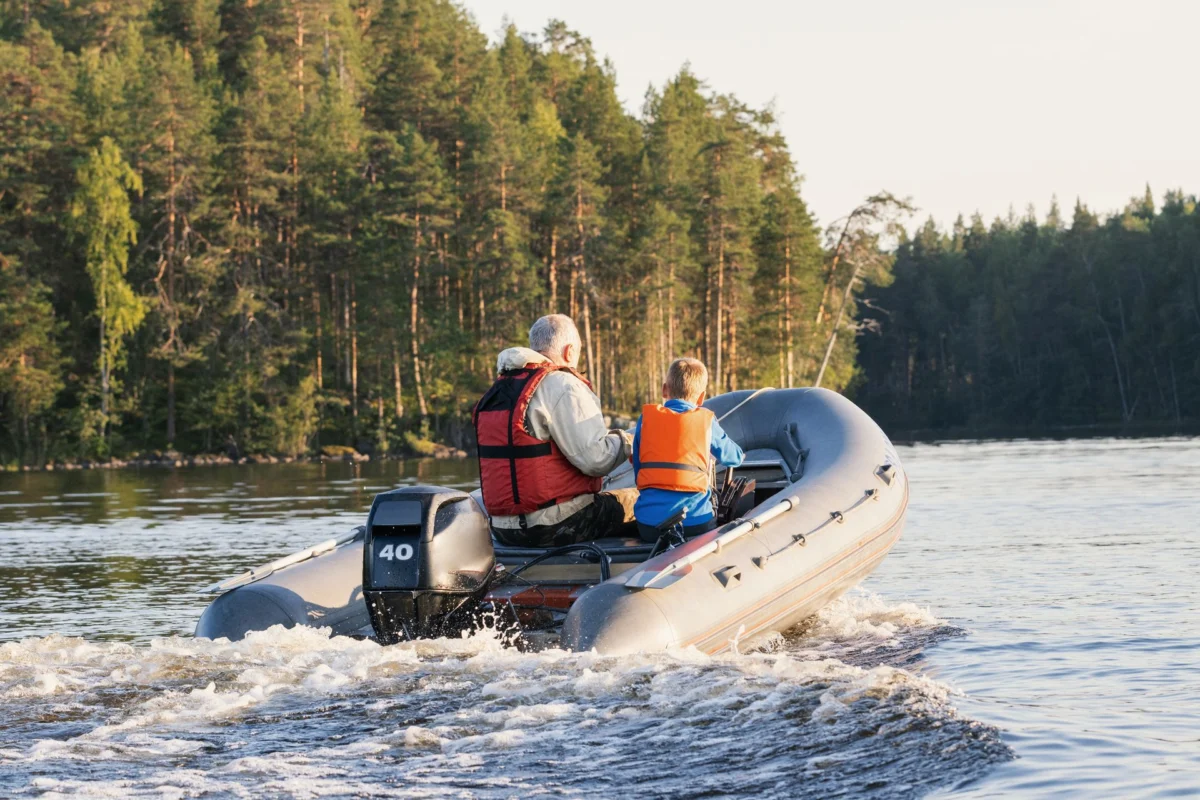
For those retiring to coastal regions or the Great Lakes, a boat is often seen as the ultimate status symbol. However, the maritime adage holds true: "The two happiest days of a boat owner’s life are the day they buy the boat and the day they sell it."

Supporting Data on Nautical Costs
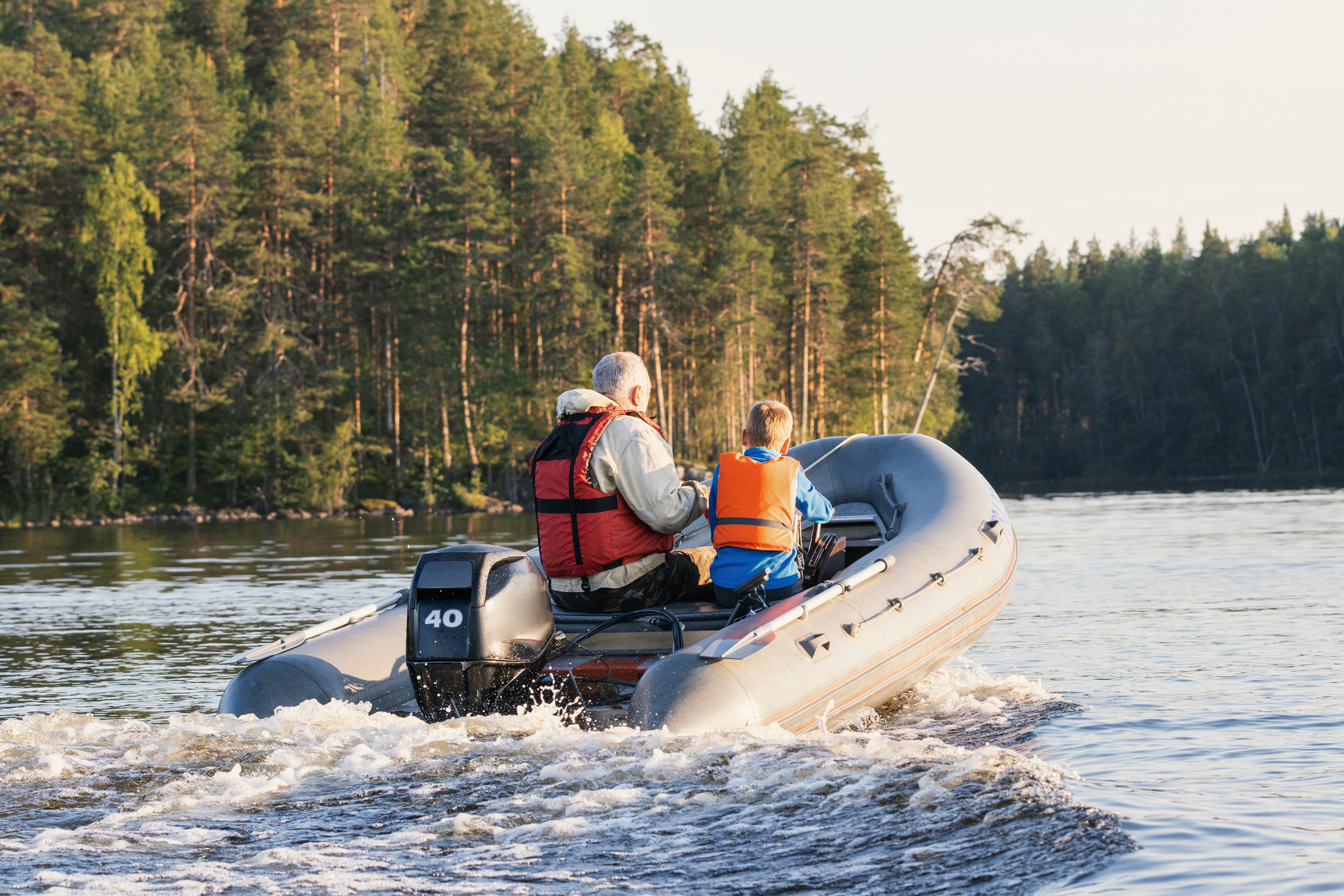
The average new powerboat ranges from $25,000 to $150,000. When you factor in the "hidden" costs—docking fees, winterization, marine insurance, and engine maintenance—annual ownership costs can easily climb between $2,500 and $15,000. For most retirees, a more efficient path is to utilize boat clubs or charter services. Renting a boat on an as-needed basis through platforms like GetMyBoat, Boatsetter, or Click&Boat allows users to avoid the headaches of storage and maintenance while still enjoying the water. Even for those who dream of luxury, renting a private yacht for a week remains significantly cheaper over a decade than the cumulative costs of purchasing, insuring, and maintaining a vessel.
3. The Vacation Home Trap: When Ownership Becomes a Liability
The traditional retirement plan often includes buying a "second home" in a vacation destination. While this can be a strategy for diversifying one’s portfolio or building generational wealth, it frequently results in the opposite: a concentrated, illiquid asset that requires constant oversight.
The Hidden Costs of Secondary Residences
Owning a vacation property involves more than just a mortgage. Property taxes, utilities, insurance, and the dreaded Homeowners Association (HOA) fees—which can exceed $500 per month for over 3 million Americans—create a constant drain on monthly income. Furthermore, owning a property limits a retiree’s freedom. If you own a house in Florida, you are effectively "anchored" there, even if you’d prefer to spend your summer in the mountains or traveling abroad.
Flexibility and Financial Liquidity
By renting vacation homes, retirees retain the ability to choose different destinations annually. This approach ensures that capital remains invested in liquid, high-yield assets rather than being trapped in drywall and real estate. Furthermore, it eliminates the "off-season stress" of maintaining a vacant property in a remote location.
4. Professional-Grade Tools: Why Renting Beats Buying for DIY Projects
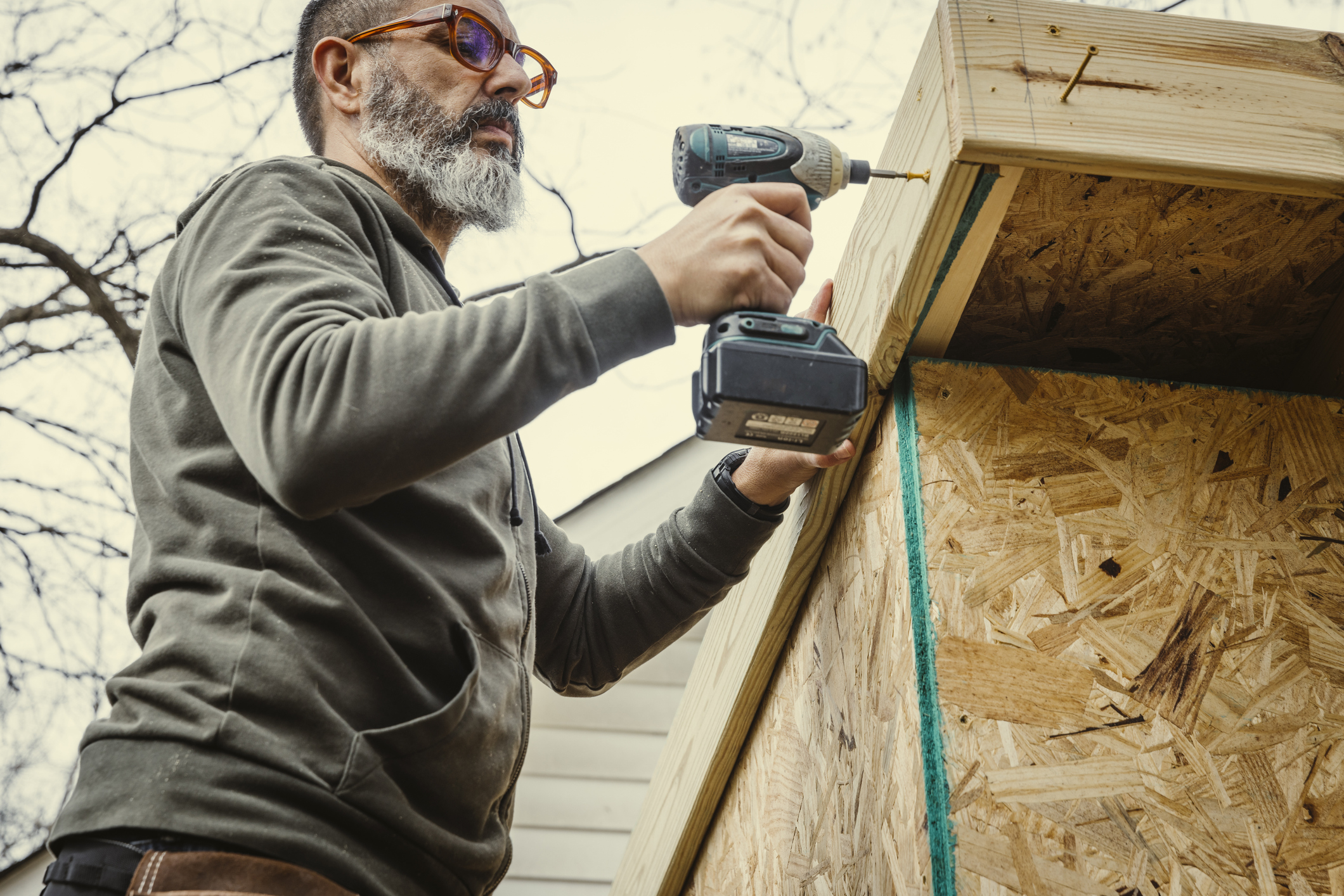
Retirement often sparks a desire to tackle long-delayed home improvement projects. However, the urge to build a "dream workshop" can be a massive capital sink. Professional-grade tools—such as a high-end sliding miter saw or a commercial paint sprayer—can cost upwards of $1,000 to $1,200 each.
The Utility Gap
Most of these tools are used for a single project and then left to gather dust in a basement. Instead of spending thousands on equipment, retirees should look to local libraries, which are increasingly offering "Library of Things" programs where power drills, washers, and gardening tools can be borrowed for free with a library card. For more specialized needs, companies like Home Depot and Lowe’s offer tool rentals at a fraction of the purchase price—often $30 to $100 per day. This ensures that you are paying only for the utility of the tool, not the storage of a depreciating asset.

5. Medical Equipment: Managing Temporary Setbacks
Health is the most unpredictable factor in retirement. When a short-term injury or post-surgical recovery requires equipment like a mobility scooter, a hospital bed, or a stairlift, the immediate reaction is often to buy. However, these items are often needed for less than a year, and Medicare coverage for them can be restrictive.
The Cost-Benefit Analysis
Buying a wheelchair can cost $2,500, and a permanent stairlift installation can easily exceed $3,000. Conversely, renting these items from a Durable Medical Equipment (DME) supplier costs a small monthly fee—roughly $50 to $150 for a wheelchair—and includes professional delivery and removal. This is not only more cost-effective but also eliminates the burden of disposing of the equipment once the recovery period ends.
Chronology of Decision-Making: The "Test Drive" Approach
For those considering any of the aforementioned purchases, a structured timeline can help avoid regret:
- The Interest Phase (Months 1-3): Identify the activity. Instead of buying, rent the item once to see if the interest is genuine.
- The Evaluation Phase (Months 4-6): If the activity becomes a regular habit, compare the total cost of renting versus the cost of ownership (including maintenance, insurance, and taxes).
- The Strategic Decision (Month 7+): If the data suggests that ownership is more expensive or restrictive, continue renting. If the frequency of use is high enough to justify the overhead, proceed with the purchase only after securing an exit strategy (e.g., how easily can this be sold?).
Official Perspectives and Implications
Financial advisors emphasize that "Cash is King" in retirement. When assets are tied up in depreciating physical property, a retiree loses the flexibility to respond to emergencies or shifting lifestyle needs.
The implication is clear: The goal of retirement is to maximize the experience of the asset, not the ownership of it. By leveraging the rental economy, retirees protect their nest egg from the hidden costs of maintenance and depreciation.
Conclusion: Preserve Your Time and Freedom
Retirement should be defined by the freedom to explore, not the burden of asset management. Whether it is an RV for the road, a boat for the lake, or tools for a home project, the rental market offers a pathway to enjoyment without the long-term financial anchors. Before you write that check, pause and consider the rental alternative. Your future self—and your bank account—will thank you for the extra liquidity and the peace of mind.