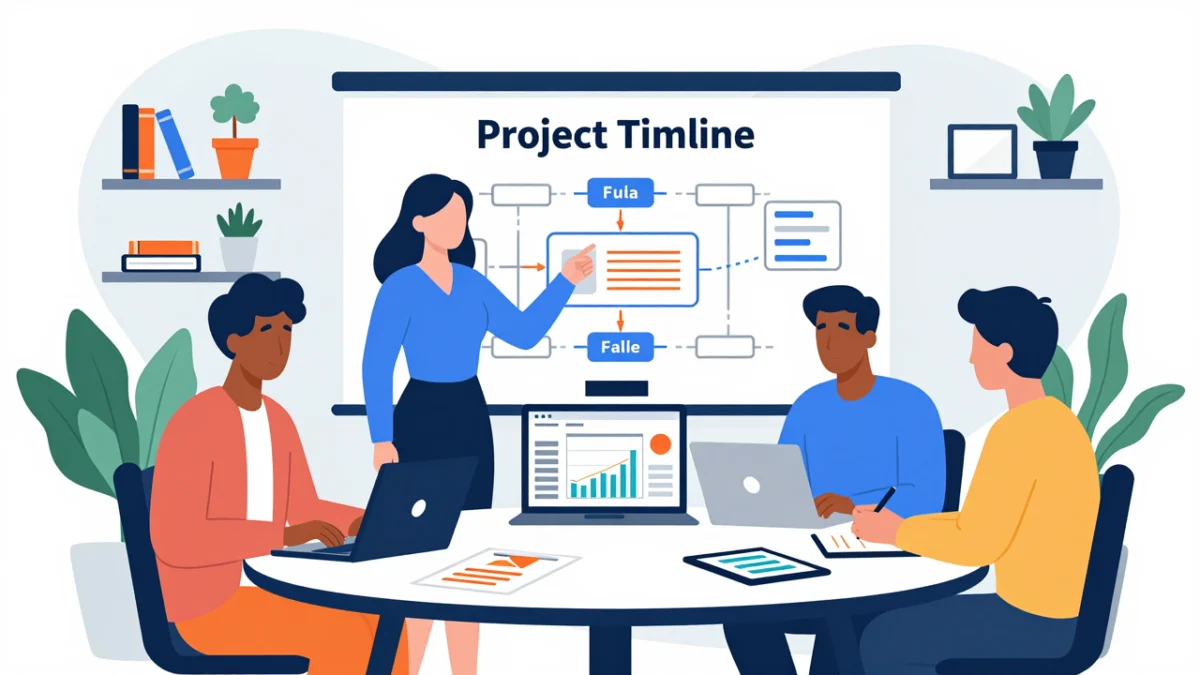










WASHINGTON — For decades, the corporate annual performance review was viewed with a universal sense of dread. Often reduced to a rigid, once-a-year ritual of backward-looking critiques and awkward salary negotiations, traditional evaluations frequently left employees uninspired and managers overwhelmed. However, a profound shift is underway in the modern workplace. Organizations are transforming performance reviews from administrative compliance checkboxes into dynamic, continuous engines for professional development, strategic alignment, and employee retention.
Data underscores the urgency of this transformation. Studies consistently show that organizations fostering structured, regular feedback environments enjoy up to a 30% increase in employee engagement and a 20% boost in overall productivity. Furthermore, research highlights that engaged workers are 17% more productive, 21% more profitable, and significantly less likely to seek opportunities elsewhere.

As the modern workforce demands transparency, mentorship, and a clear trajectory for advancement, business leaders are rethinking how evaluations are conducted, transforming them from corporate gatekeeping into collaborative roadmaps for success.
The Evolution of Performance Management: From Bureaucracy to Growth
At its core, a performance review is a formal assessment designed to evaluate an employee’s job execution, pinpoint core competencies, and bridge the gap between individual capabilities and institutional objectives. Yet, the philosophy underpinning these reviews has evolved dramatically.

Historically, reviews focused heavily on assigning ratings and cataloging past mistakes. Today, human resources experts advocate for a forward-looking approach centered on structured feedback, self-assessments, and peer perspectives. This holistic view not only demystifies management expectations but also establishes a framework for proactive career mapping.
When executed effectively, regular evaluations cultivate an atmosphere of psychological safety and accountability. Employees who understand precisely how their daily tasks feed into broader corporate milestones report higher levels of job satisfaction, lower burnout rates, and a deeper sense of organizational ownership.

Chronology of an Effective Review Cycle: Shifting from Annual to Continuous
The modernization of performance management has moved away from the isolated annual sit-down toward an integrated, year-round cadence. A successful developmental timeline typically follows a structured chronological progression:
1. Setting the Foundation (Q1 / Onboarding)
The review cycle begins not at the end of the year, but at its inception. Establishing clear, granular performance expectations and Key Performance Indicators (KPIs) ensures that both employee and manager share a unified vision. During this phase, individuals map out SMART goals—Specific, Measurable, Achievable, Relevant, and Time-bound—transforming vague aspirations like "improve sales" into actionable targets like "increase regional sales by 15% within the next quarter."

2. Ongoing Check-Ins and Real-Time Dialogue (Q2–Q3)
Rather than waiting twelve months for a verdict, continuous performance management relies on regular one-on-one check-ins. These frequent touchpoints allow managers and team members to course-correct in real time, address emerging skill gaps early, and celebrate minor milestones before they fade into the background.
3. Comprehensive Evaluation and 360-Degree Feedback (Late Q3 / Early Q4)
As the formal review window approaches, organizations increasingly utilize 360-degree feedback loops. By gathering structured insights from peers, direct reports, and supervisors, the organization forms a comprehensive mosaic of an employee’s performance. This multi-source data feeds directly into self-evaluations, prompting workers to reflect critically on their strengths, teamwork, and areas requiring development.

4. Strategic Alignment and Future Roadmap (Year-End)
The final phase of the cycle culminates in a forward-looking dialogue. Rather than dwelling exclusively on past shortcomings, managers and employees co-create a development roadmap, identifying targeted training opportunities, mentorship initiatives, and milestones for the upcoming appraisal period.
Supporting Data: The Measurable Impact of Structured Feedback
The shift toward modern, feedback-driven performance management is heavily supported by quantitative research from across the human resources sector:

- Engagement Multiplier: Employees who receive regular, constructive feedback are 3.5 times more engaged than those who do not.
- Productivity Gains: High levels of engagement driven by continuous feedback directly correlate to a 14% increase in team productivity.
- Talent Retention: Organizations that prioritize recognition and open communication report up to a 33% increase in employee retention rates, drastically reducing the costly turnover cycle.
- Performance Metrics: Routine, actionable feedback can improve core performance metrics by as much as 27%.
- The Power of Recognition: Over 70% of employees cite formal recognition of their achievements as the primary driver of their daily job satisfaction. Furthermore, valued employees are 56% less likely to tender their resignations.
Key Components of a High-Impact Performance Review
To extract maximum value from performance evaluations, organizations must integrate several non-negotiable structural elements:
+--------------------------+---------------------------------------------------+
| Review Component         | Actionable Implementation Steps                   |
+--------------------------+---------------------------------------------------+
| 1. Clear Expectations    | Establish time-bound objectives tied to KPIs.     |
| 2. Constructive Feedback | Pinpoint strengths/weaknesses with action steps.  |
| 3. Ongoing Dialogue      | Schedule bi-weekly or monthly check-ins.          |
| 4. 360-Degree Input      | Gather cross-functional insights from peers.      |
| 5. Accountability        | Follow up consistently on growth trajectories.    |
+--------------------------+---------------------------------------------------+
Cultivating Constructive Feedback
Feedback must be specific, objective, and actionable. Telling an employee they need to "improve communication" offers little practical guidance. Conversely, providing feedback on how a team member can better structure client emails or run cross-functional meetings equips them with the exact tools needed to excel.

Balancing Accountability and Empathy
A successful review strikes a delicate balance between holding individuals accountable for shortfalls and validating their progress. Celebrating major milestones—whether securing a difficult client or mastering a complex piece of software—reinforces positive behaviors and boosts collective morale.
Official Perspectives from HR Leaders and Industry Experts
Industry thought leaders and organizational psychologists emphasize that the traditional, punitive review model is fundamentally obsolete.

"When companies treat performance reviews as a court martial where past sins are judged, employees naturally grow defensive and disengaged," notes Dr. Elena Vance, a senior organizational consultant specializing in workplace culture. "The organizations winning the talent war today treat performance reviews as a coaching session. The manager is no longer a detached judge; they are an active partner in the employee’s professional journey."
Human resource executives also point to the administrative evolution required to support continuous feedback. Modern enterprises are increasingly deploying digital performance management platforms that allow real-time goal tracking, peer recognition badges, and instant check-in logging.

"We’ve moved away from 20-page review documents that take weeks to compile and zero days to read," states Marcus Thorne, Chief Human Resources Officer at a Fortune 500 tech firm. "The future is agile, transparent, and conversational. If an employee is surprised by anything written in their annual review, management has failed in its primary duty of ongoing communication."
Implications for the Future of Work
As hybrid work models and geographically dispersed teams become the global standard, the implications of effective performance management extend far beyond individual cubicles.

- Eradicating Proximity Bias: In hybrid environments, managers risk favoring employees they see physically in the office. Structured performance reviews—grounded in objective, quantifiable data and 360-degree feedback—help level the playing field, ensuring remote workers receive equitable visibility and advancement opportunities.
- Accelerating Skill Agility: With emerging technologies reshaping job roles at an unprecedented pace, continuous reviews serve as an early-warning system for skill gaps. Organizations can rapidly deploy targeted reskilling programs before obsolescence sets in.
- Redefining Leadership Competency: Managers are no longer evaluated solely on their technical output, but on their ability to mentor, coach, and elevate their teams. People management has become a foundational pillar of modern corporate leadership.
Conclusion: Taking the Next Step
Performance reviews are far more than administrative formalities; they are the architectural blueprints of modern career growth. By actively participating in self-evaluations, embracing constructive criticism, setting SMART goals, and engaging in open-ended dialogues with leadership, employees can profoundly influence their professional trajectory.
Ultimately, professional development is a shared responsibility. When organizations and employees commit to a culture of continuous learning, mutual respect, and transparent communication, the performance review transforms from a dreaded annual audit into a powerful catalyst for enduring organizational success.