








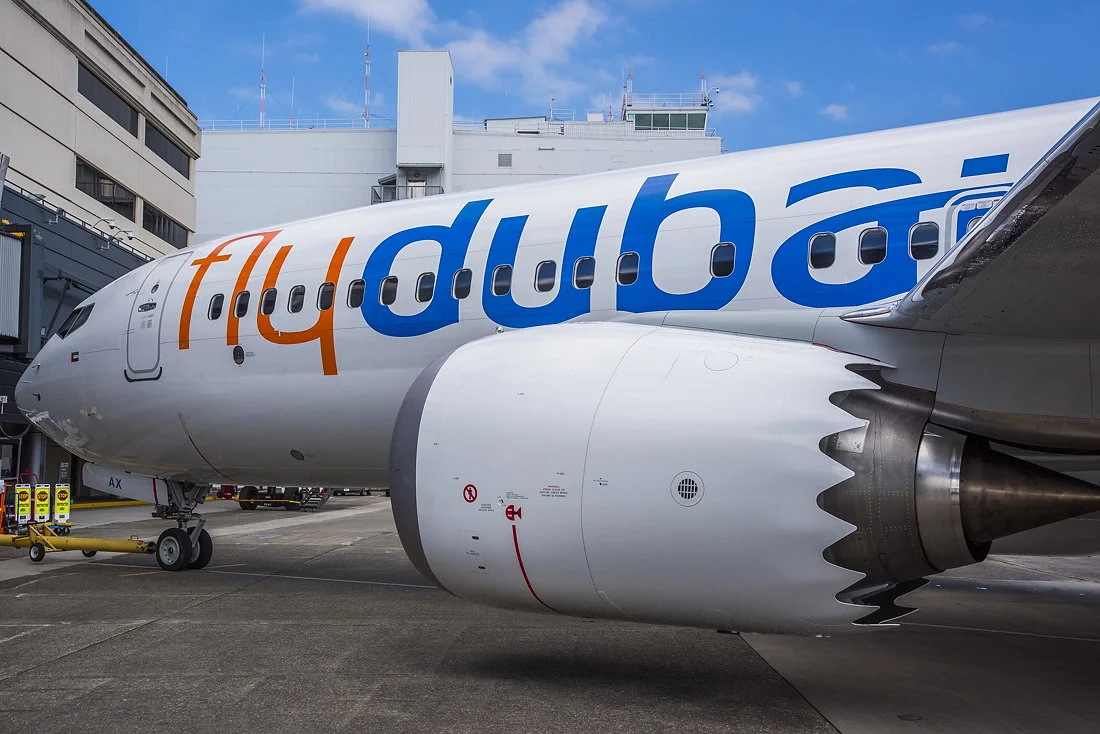
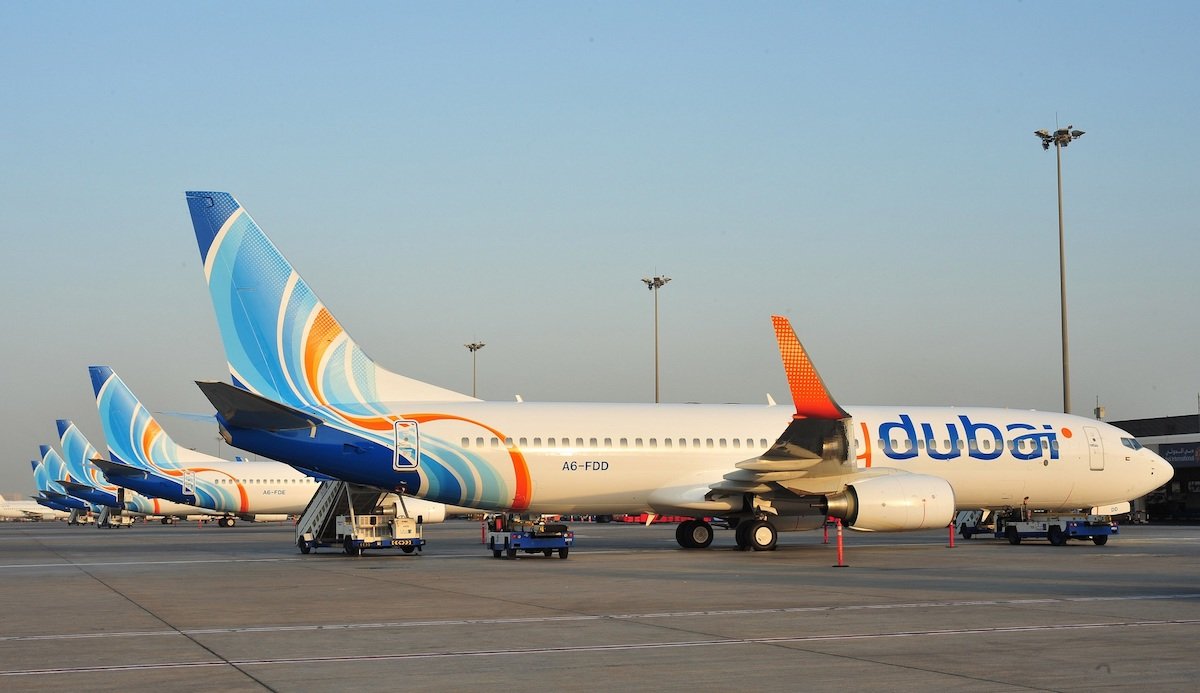
The aviation industry is reeling following a harrowing incident earlier this week that saw a Flydubai flight en route from Dubai (DXB) to Tel Aviv (TLV) narrowly avoid a catastrophic disaster. What began as a routine international service quickly devolved into a nightmare scenario as a first officer allegedly launched a violent assault on the captain, with the explicit intent of downing the Boeing 737 and its nearly 200 passengers. While the immediate threat was neutralized through the bravery of the injured flight crew and intervention from passengers, the aftermath has unveiled a disturbing history: the assailant had previously been flagged and banned from aviation duties in his home country of Oman due to documented radical ideological views.
The Chronology of an Attempted Mid-Air Catastrophe
The incident unfolded mid-flight, turning a standard transit into a fight for survival. According to preliminary reports and testimonies, the first officer initiated a physical altercation with the captain inside the cockpit. The assailant, whose identity has been a subject of intense scrutiny by international authorities, reportedly stabbed the captain in an attempt to gain total control of the aircraft’s flight deck.
The tactical error—or perhaps the unexpected resilience—of the flight crew prevented a total loss of life. During the struggle, the injured captain managed to unlock the cockpit door, allowing cabin crew and passengers to intervene. This split-second decision proved to be the difference between a tragedy of historic proportions and a harrowing, yet survivable, security breach. Had the attacker successfully secured the cockpit door after incapacitating the captain, the outcome would have almost certainly resulted in the total destruction of the aircraft, echoing the horrors of previous, intentional pilot-suicide-linked crashes.
A History of Radicalization: The Omani Connection
The revelation that the first officer was a known entity to regional security services has ignited a firestorm of criticism regarding background vetting processes in the aviation sector. The Wall Street Journal recently confirmed that the pilot had previously been barred from professional flying by Omani authorities. The decision was rooted in concerns regarding the pilot’s radical ideological alignment.
This raises an uncomfortable question for the international aviation community: how did a pilot with a history of radicalization secure a position with a major regional carrier? It remains unclear whether Oman shared its intelligence or concerns regarding the pilot with the United Arab Emirates (UAE) or with Flydubai’s human resources and security vetting departments. The failure to prevent this individual from holding a commercial pilot’s license suggests significant gaps in cross-border security cooperation and personnel background checks.
Official Responses and the Investigation Process
The UAE, which owns and oversees Flydubai, has taken the lead in the investigation. However, the government has been notably reticent in its public statements, citing the need to "avoid prejudging the outcome of the investigation or interfering with its course." This caution has been met with skepticism by international observers who fear that the state-owned nature of the airline may lead to a lack of transparency regarding systemic failures in hiring and security protocols.
Israeli Prime Minister Benjamin Netanyahu provided a more blunt assessment of the situation, stating unequivocally that "the attacker underwent Islamic radicalization" and that the clear objective was to "crash the passengers on board."
The silence from other regional authorities regarding the intelligence-sharing breakdown is particularly glaring. Security analysts argue that if the Omani authorities had flagged this individual years ago, a global "no-fly" list for flight deck crew should have logically triggered an alert. The lack of such a trigger point indicates that even in the age of global digital integration, silos in security intelligence continue to pose a fatal risk to public safety.
The Fragile State of Gulf Aviation
The aviation industry in the Gulf region has faced an unprecedented series of headwinds over the past twelve months. From geopolitical friction with Iran to the physical damage and operational disruptions caused by regional conflict, the reputation of Gulf carriers—once considered the gold standard for global connectivity—is currently under severe strain.
Flydubai, in particular, finds itself in a precarious position. The airline, which serves as a critical bridge for transit passengers moving between East and West, relies heavily on the trust of a global customer base. The perception of a "terror plot" originating from within the flight deck is, for many passengers, a psychological barrier that may be difficult to overcome.
Historically, when airlines suffer from high-profile, catastrophic events involving pilot misconduct, they often resort to rebranding to distance themselves from the trauma. The Germanwings crash of 2015 is the definitive case study in this regard; following the intentional downing of the aircraft by a suicidal pilot, the parent company, Lufthansa, phased out the Germanwings brand in favor of Eurowings. Analysts are now questioning whether Flydubai may eventually be forced into a similar maneuver, perhaps accelerating a long-discussed merger with Emirates to shield its operations under a stronger, more established brand identity.
Implications for Passenger Confidence
While it is statistically true that flying remains the safest mode of transport, incidents of "insider threats" strike at the very foundation of air travel: the trust placed in the two individuals behind the locked door. The psychological impact of this incident on frequent flyers is significant. Passengers are increasingly questioning not just the technology of the aircraft, but the vetting processes of the individuals operating them.
Furthermore, the economic implications for the region are substantial. If travelers begin to view the Gulf as a corridor of potential instability, the downstream effects on tourism, business, and logistics will be profound. The "rationality" of this fear is secondary to the "perception" of it; travel is driven by consumer confidence, and confidence in the safety of regional carriers has been shaken to its core.
Conclusion: A Call for Global Standardization
The attempted hijacking of the Flydubai flight serves as a grim wake-up call for the aviation industry. It is no longer sufficient for airlines to rely on basic criminal background checks. The shift toward identifying radicalization requires a more nuanced, intelligence-led approach that involves closer cooperation between national security agencies and commercial aviation regulators.
If the investigation reveals that the UAE or other partners were indeed blind to the pilot’s history due to poor communication, the resulting fallout will likely demand a global overhaul of pilot screening standards. For Flydubai, the road ahead is uncertain. The company must now navigate a dual crisis: the logistical challenge of maintaining its massive fleet and the existential challenge of convincing a wary public that their flight decks are secure.
The bravery of the captain and the passengers prevented a disaster, but the systemic failure that allowed the assailant to sit in the cockpit remains an open wound. As the investigation progresses, the world will be watching to see if the authorities prioritize truth and accountability over reputation management. The future of regional aviation, and the safety of the millions who traverse its skies annually, depends on it.