








A credit score is more than just a three-digit number; it is a financial gatekeeper that dictates the quality of life for millions of Americans. While the mathematical reality of a low credit score is often quantified by the difference between a 7% APR and a 22% APR, the true cost is far more insidious. It manifests in opportunities lost, dreams deferred, and a pervasive sense of powerlessness that leads consumers to self-select out of the economy before they even try to participate.
A comprehensive new survey of 1,035 U.S. adults conducted by Lexington Law highlights a troubling trend: a staggering 61% of Americans have voluntarily skipped applying for essential services—ranging from apartment leases and car loans to credit cards and employment—simply because they assumed their credit score would result in an automatic rejection. This “self-denial” creates a cycle of stagnation that prevents individuals from accessing the very tools they need to improve their financial standing.
The Anatomy of Financial Exclusion: Main Facts
The data reveals that credit score anxiety is not merely a psychological hurdle but a structural barrier. When individuals are excluded from traditional credit markets, they do not simply stop spending; they pivot toward more precarious, often predatory, alternatives.

- The "Silent" Denial: 61% of respondents admitted to avoiding applications due to fear of rejection.
- The Formal Rejection Rate: 58% of Americans have been formally turned down for a financial product or service due to their credit history.
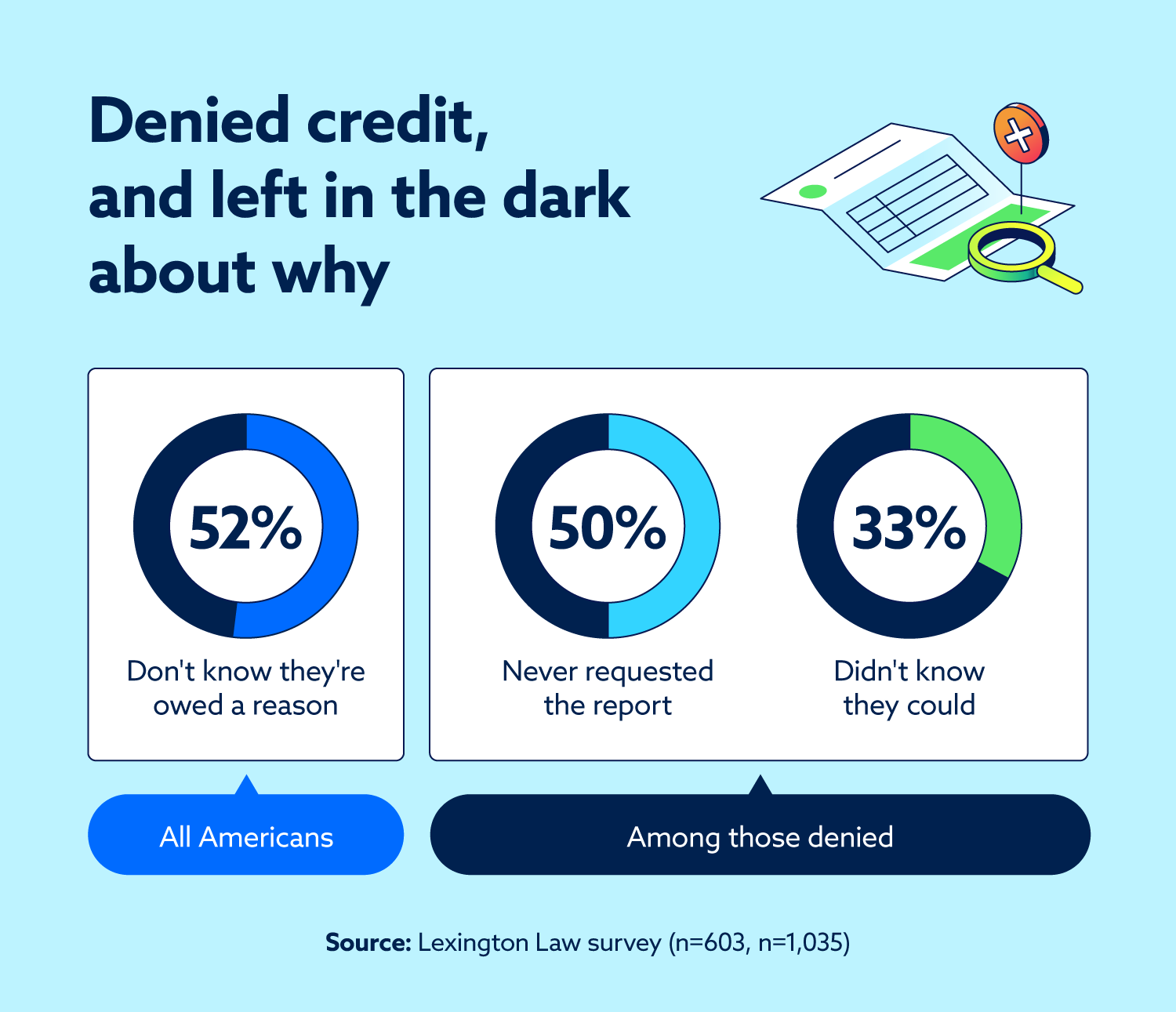
- The Information Gap: Despite federal laws providing clear pathways for transparency, 52% of Americans are unaware of their rights to view the reports that led to their denial, and 17% incorrectly believe that no such right exists.
A Chronology of Financial Setbacks
For many, the struggle with credit follows a predictable, downward trajectory. It often begins in early adulthood, when a "thin" credit file or a single mistake can set the tone for years to come.
The Early Stages: The "Thin File" Trap
For Gen Z and younger Millennials, the challenge is often a lack of history. Without a long-standing record of on-time payments, these individuals are frequently relegated to higher interest rates or denied entry-level credit products entirely.
The Mid-Life Squeeze: The Homeownership Hurdle
As individuals reach their 30s and 40s—the prime years for first-time home buying—a damaged credit report acts as a massive anchor. The survey found that 21% of Millennials and 19% of Gen Z members settled for lower-quality housing than they desired because their credit scores disqualified them from more competitive properties.

The Long-Term Consequences: The "Family Loan" Cycle
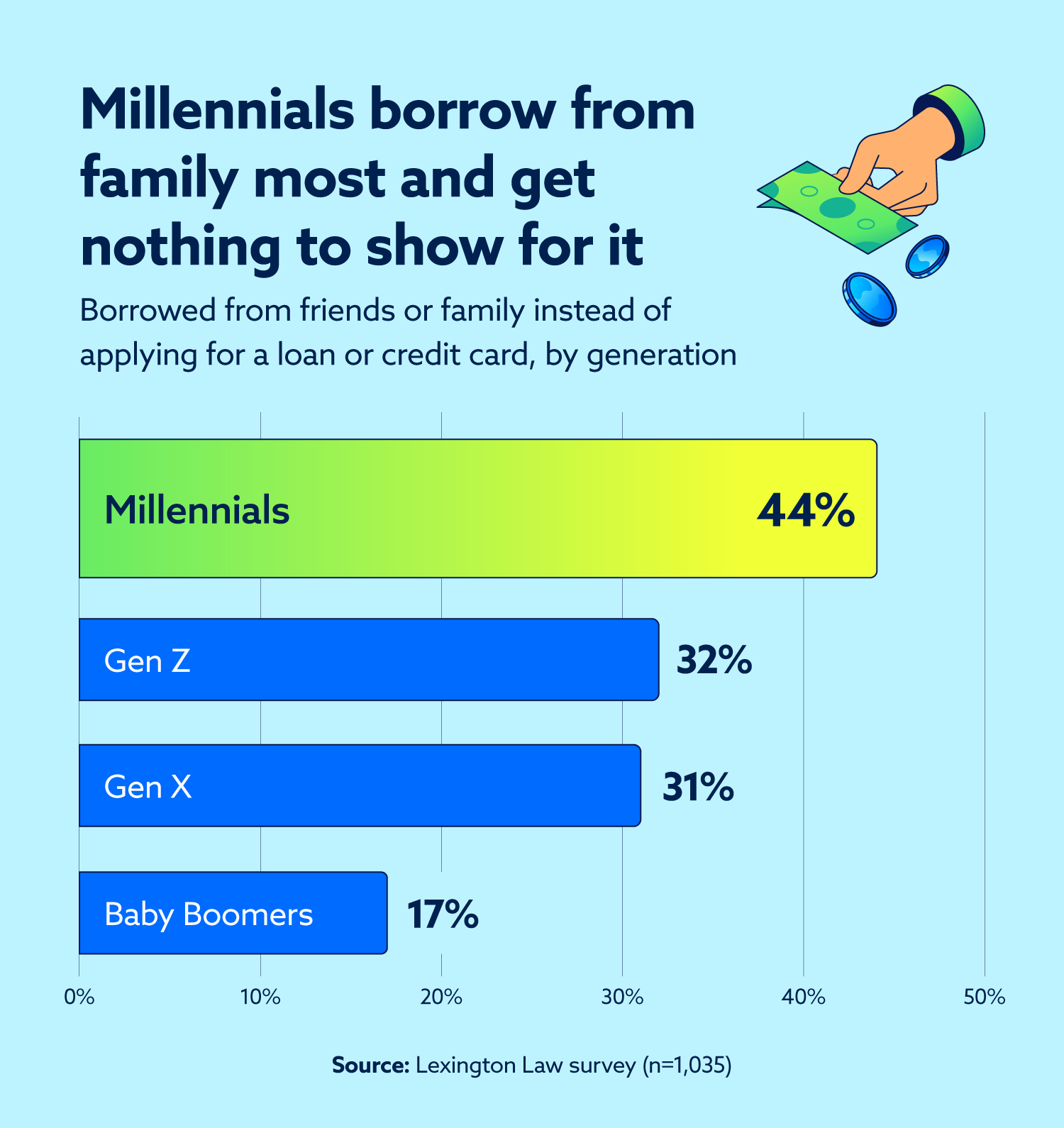
When traditional institutions close their doors, many turn to the "Bank of Mom and Dad." While this solves an immediate liquidity crisis, it creates a long-term trap. Borrowing from family members fails to build credit history. As a result, the borrower reaches the next year in the exact same financial position, unable to demonstrate the reliability required to secure a traditional, credit-building loan. This reliance on family was reported by 44% of Millennials, a rate 2.5 times higher than that of Baby Boomers.
Supporting Data: The Ripple Effects of Credit Mismanagement
The impact of a low credit score extends well beyond the bank vault. It permeates the housing market, the labor market, and the stability of personal relationships.
The Housing Penalty
Housing remains one of the most critical areas where credit scores are weaponized. Beyond the 13% of survey respondents who had to settle for cheaper living arrangements, another 13% reported being forced to pay significantly higher security deposits to overcome a "bad" credit profile. This up-front cost creates a barrier to entry that prevents liquidity-constrained families from moving into stable, long-term housing.

The Employment and Service Gap
While traditional banking is the primary focus of credit reporting, 8% of respondents reported being turned down for a job due to their credit, and many others faced denials for utilities and essential services. This creates a "poverty trap"—if an individual cannot secure reliable transportation (via a car loan) or stable housing, their ability to maintain steady employment diminishes, which in turn further damages their credit score.
The Accuracy Crisis
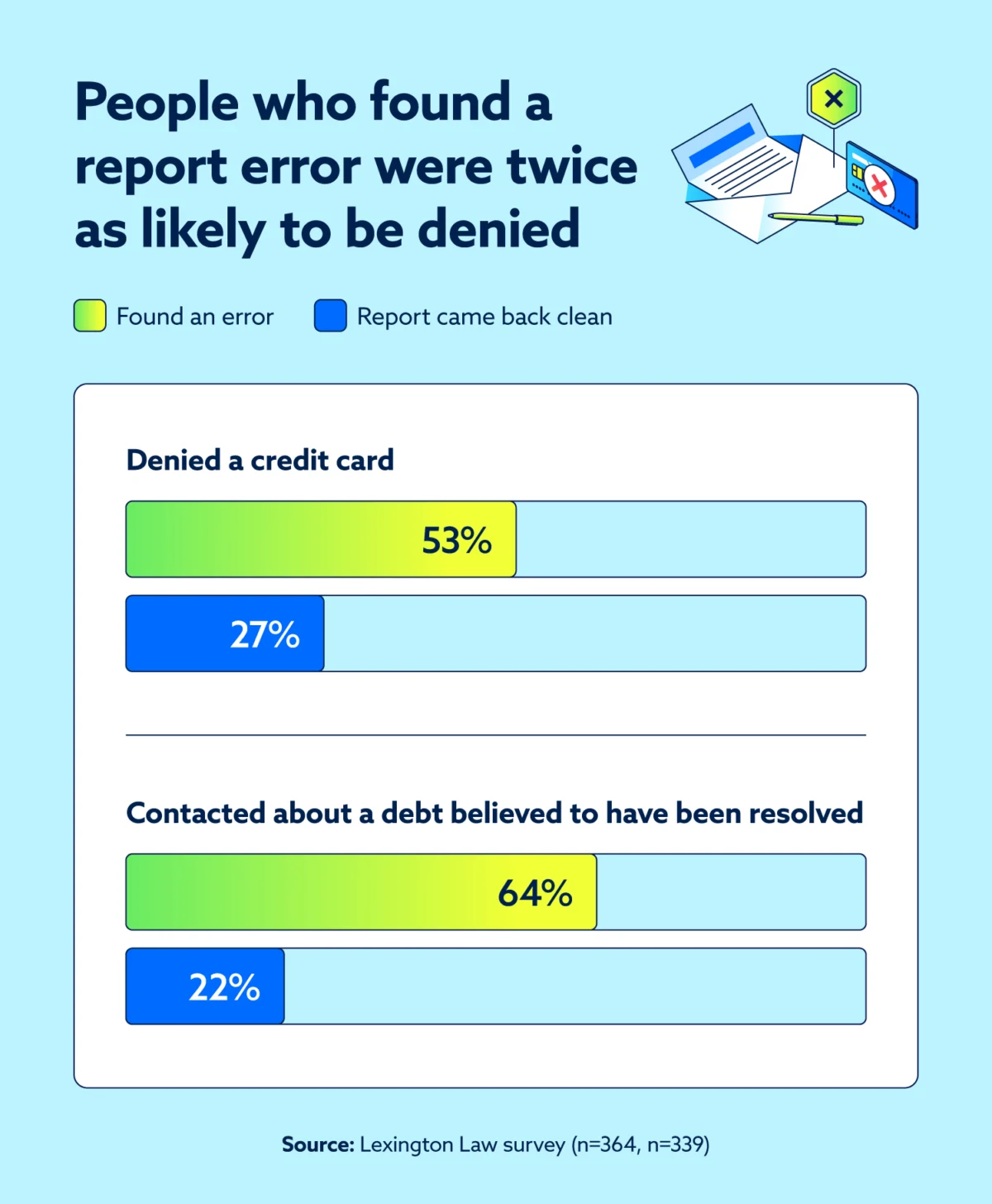
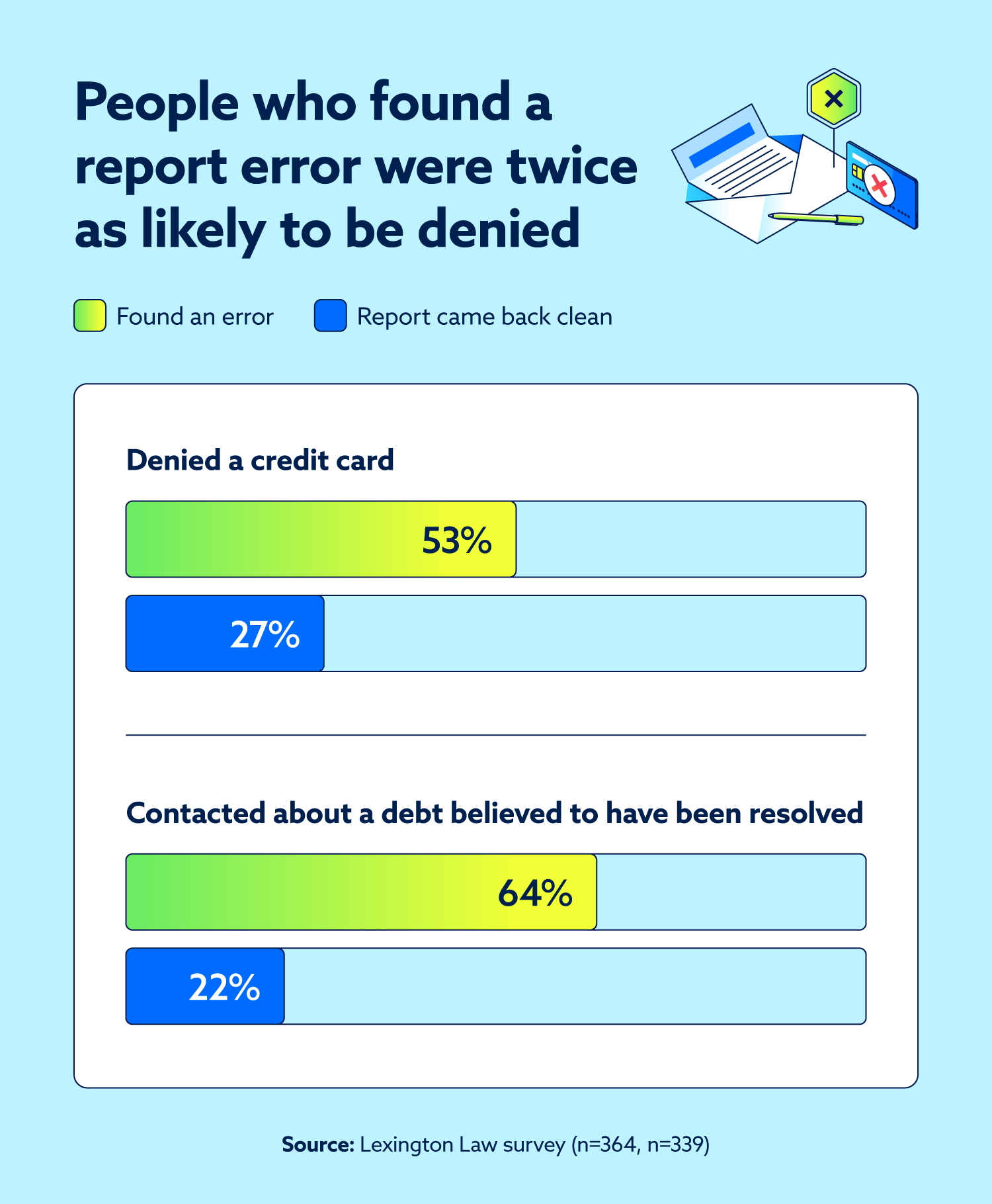
Perhaps most alarming is the prevalence of errors in consumer reports. 35% of respondents confirmed finding an error on their credit report. The correlation between these errors and financial hardship is stark: individuals with reported errors were denied credit cards at a rate of 53%, compared to only 27% for those with clean reports. Furthermore, those with errors were three times more likely to be contacted by debt collectors regarding debts they believed were already resolved.
Legal Protections and Official Rights
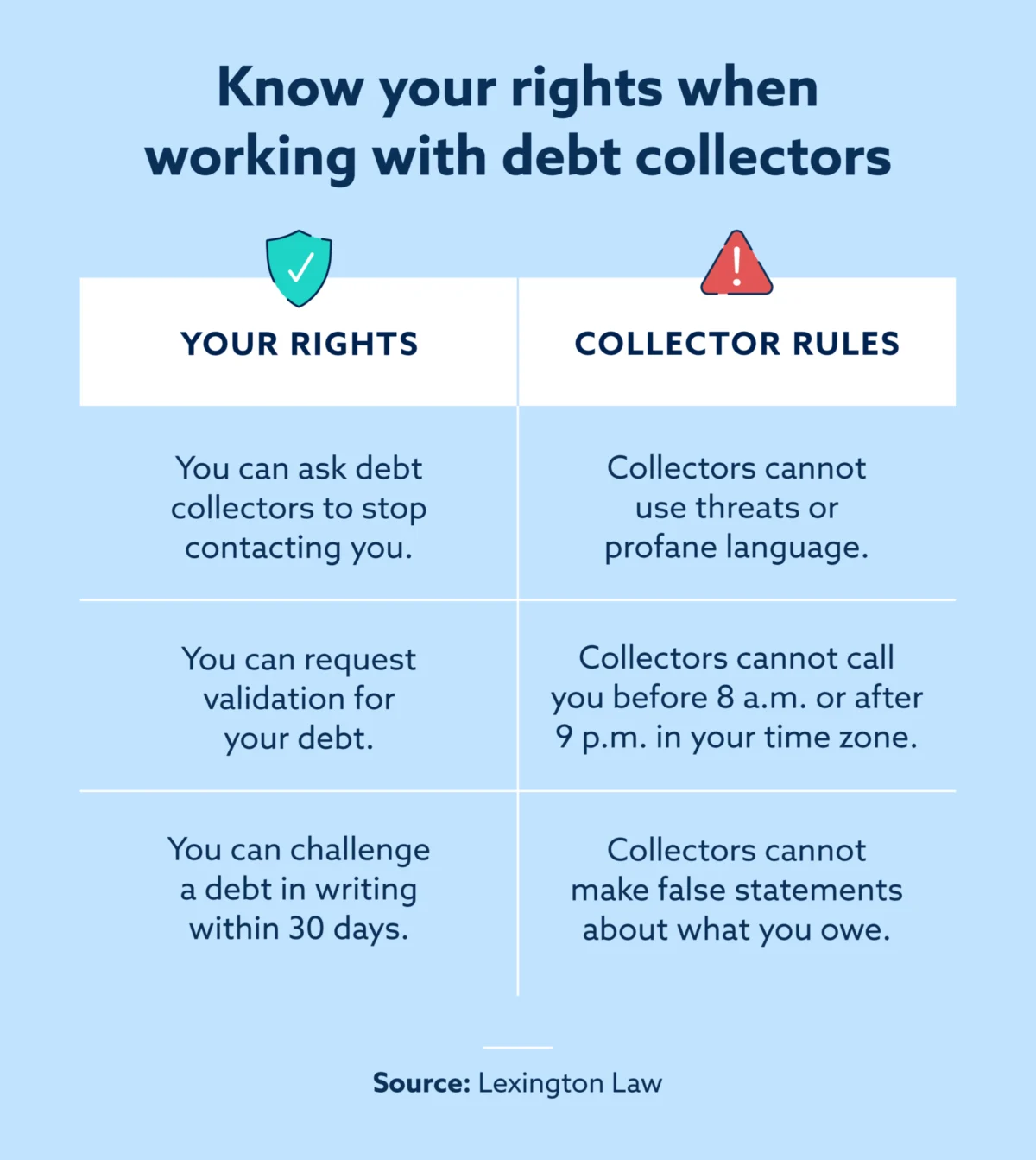
The Fair Credit Reporting Act (FCRA) and the Equal Credit Opportunity Act (ECOA) were designed to protect consumers from the exact types of disenfranchisement revealed in this survey. However, the data suggests that these laws are currently ineffective because the public is largely unaware of them.
What the Law Requires
When a creditor, landlord, or employer denies an application based on a credit report, they are legally required to provide an "Adverse Action Notice." This document must:
- Identify the credit bureau that provided the report.
- Provide instructions on how the consumer can obtain a free copy of the report.
- Outline the consumer’s right to dispute inaccurate information.
Under the ECOA, lenders must go a step further and provide the specific reasons for the denial. Yet, the survey indicates that these legal safeguards are rarely triggered in practice because consumers simply walk away after the first "no," never requesting the report that would allow them to identify—and potentially fix—the inaccuracies.
Implications: A Path Forward
The findings suggest that the American credit system is currently operating with a significant deficit of trust and transparency. When more than half of the population does not understand their rights, the system cannot function as an equitable mechanism for capital allocation.
The Role of Advocacy
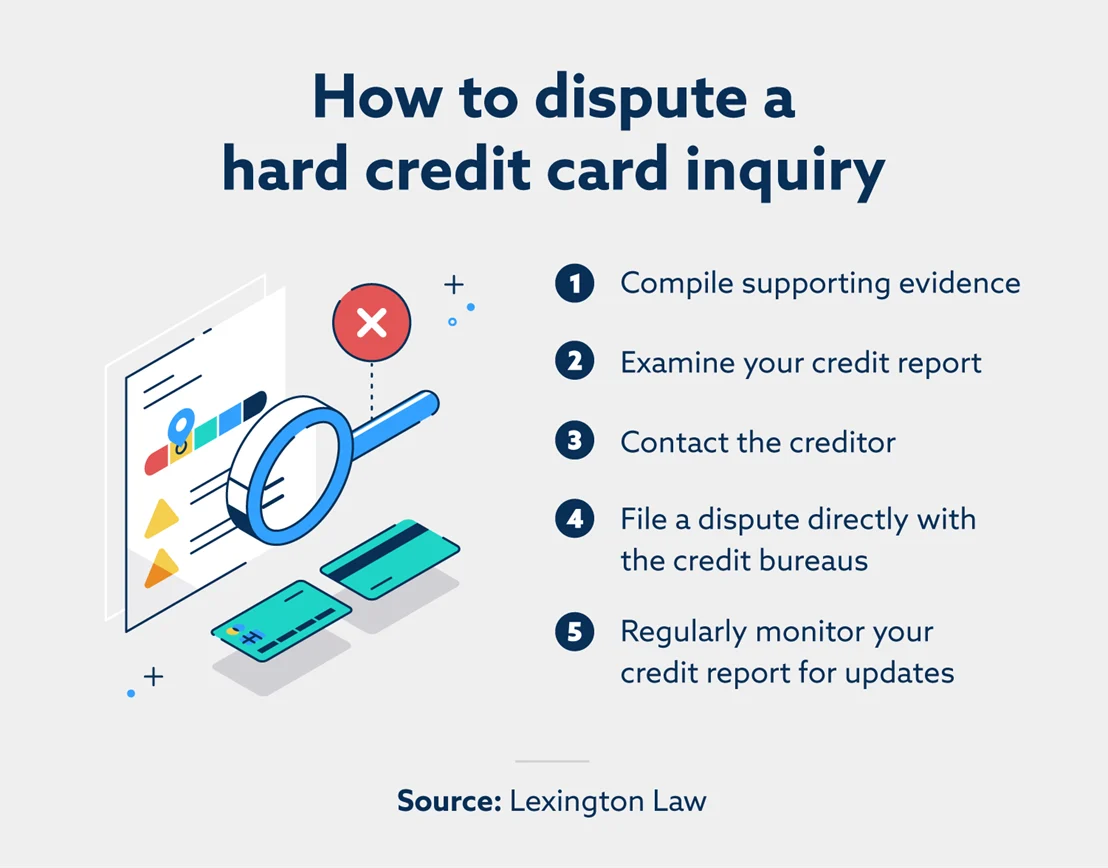
For those struggling with credit, the path forward requires a shift from passive acceptance to active defense. Professional credit advocacy, such as that provided by firms like Lexington Law, can play a pivotal role in this transition. Attorneys can help consumers navigate the complex, often bureaucratic process of disputing inaccuracies with the three major credit bureaus.
A Call to Financial Literacy
The systemic failure identified in the survey points to a broader need for financial education. If consumers understood that a credit report is not a permanent verdict but a dynamic record subject to legal challenge, they might be more empowered to advocate for themselves.
Conclusion
The "silent penalty" of bad credit is one of the most significant, yet least discussed, drivers of economic inequality in the United States. By opting out of the system, millions of Americans are unintentionally cementing their own financial hardship. The solution lies in a dual approach: a more robust effort by regulatory bodies to ensure consumers understand their rights, and a proactive stance by consumers to treat their credit reports as living documents that they have the legal right—and the responsibility—to audit, challenge, and improve.
As the data makes clear, the most powerful tool a consumer has is the ability to fight back against inaccuracies. Until the average citizen views their credit report as a document they can influence rather than a fate they must accept, the cycle of denial and stagnation will continue to hinder the economic mobility of millions.
Methodology: This survey was conducted by Centiment for Lexington Law between August 7 and August 16, 2026. The results are based on 1,035 completed surveys from U.S. residents over the age of 18. The sample was balanced to U.S. Census proportions on age, gender, and region, with a margin of error of +/- 3% at a 95% confidence level.