







In the modern financial ecosystem, your credit score is more than just a three-digit number; it is a digital handshake that introduces you to lenders, landlords, and even insurance providers. Whether you are a college graduate just entering the workforce, a new immigrant establishing a life, or an individual recovering from past financial setbacks, understanding the mechanics of credit scoring is essential for economic mobility.
Building a robust credit history is not an overnight endeavor. It is a long-term commitment that requires patience, consistency, and a strategic understanding of how scoring models function. This guide explores the timeline of credit development, the factors that dictate your progress, and the pitfalls that can derail your financial trajectory.
The Foundation: Understanding the Timeline
For those starting from scratch, the first hurdle is the "thin file." Because FICO® and VantageScore® require at least six months of reported account activity to calculate a score, individuals without prior credit history often find themselves in a "credit invisible" status. This is not a reflection of poor financial character, but rather a lack of data for the bureaus to analyze.
The Six-Month Milestone
Once you open your first credit card or take out a small, manageable loan, you typically need to maintain that account for approximately six months before a score is generated. During this period, the goal is simple: ensure on-time payments and establish a history of reliability. Once that initial score is populated, the real work of optimization begins.
Building from a "no-score" status to a "good" score generally requires another 12 to 18 months of disciplined account management. Beyond this initial phase, the timeline becomes highly variable, dictated by your specific financial habits and, occasionally, the removal of erroneous negative information from your report.

Chronology of Credit Development
Credit growth is rarely linear. It follows a tiered trajectory where the effort required shifts as your score ascends.
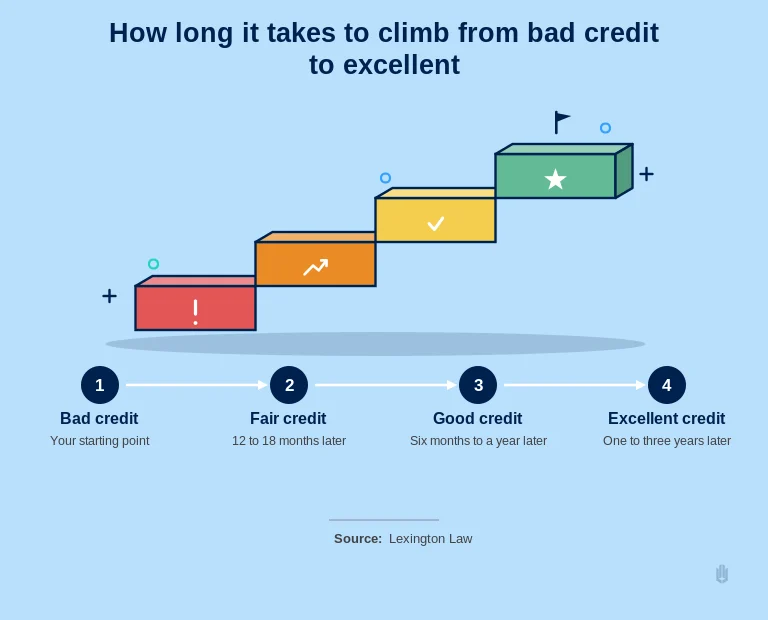
1. From "No Score" to "Fair" (0–18 Months)
The initial stage is about establishing identity and trust. By securing a credit card—often a secured card requiring a cash deposit—you begin the process of reporting your activity. Over the first year to 18 months, consistent payments will move a user from having no score to having a "fair" score. This phase is critical because it establishes the habit of paying balances in full or meeting minimums before the due date.
2. From "Fair" to "Good" (6–12 Months)
Once you have reached the "fair" category, the climb to "good" is often faster. This period focuses on credit utilization—the percentage of your available credit that you are currently using. By keeping utilization below 30% (and ideally below 10%), you signal to lenders that you are not reliant on debt to survive. In this stage, avoid opening multiple new accounts, as the "average age of accounts" is a significant metric that you do not want to dilute.
3. From "Good" to "Excellent" (1–3 Years)
Reaching the "excellent" tier—often defined as a score above 750 or 800—is a game of longevity. At this level, credit scoring models look at the length of your history. There is no shortcut here; you must allow your oldest accounts to mature. During this multi-year stretch, the key is to avoid "derogatory marks," such as late payments or accounts sent to collections, which can negate years of positive history in a single month.
Supporting Data: The Anatomy of a Score
Lenders primarily utilize two models: FICO and VantageScore. While they share the same objective, their internal weighting systems differ slightly.

The FICO Weighting System
- Payment History (35%): The most critical factor. Even one late payment can have a profound impact.
- Amounts Owed (30%): This is your utilization ratio. High balances relative to your limits indicate higher risk.
- Length of Credit History (15%): How long you have had your accounts open.
- New Credit (10%): Frequent applications for new credit can signal financial distress.
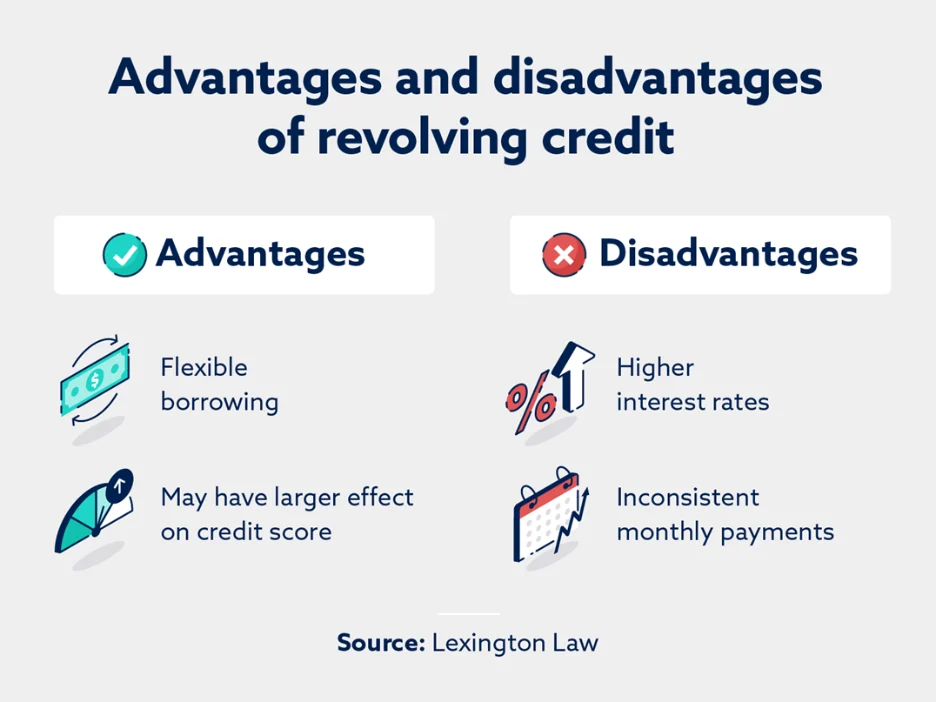
- Credit Mix (10%): A healthy mix of revolving credit (cards) and installment loans (auto, student, or personal loans).
The VantageScore Approach
VantageScore uses similar data but organizes it into categories of influence, emphasizing "Total Credit Usage, Balance, and Available Credit" as "Extremely Influential." It also places significant weight on "Payment History" and "Age of Credit History." Understanding these metrics allows consumers to focus their efforts on the areas that provide the highest "return on investment" for their score.
Strategies for Accelerated Growth
To move through these tiers efficiently, consider the following habits:
- Become an Authorized User: If a family member has a credit card with a long history of on-time payments and low balances, ask them to add you as an authorized user. Their positive history will be reflected on your report, providing an immediate boost to your credit age and payment history.
- Automate Payments: Never miss a due date. Set up autopay for at least the minimum amount to ensure you are never marked as "delinquent."
- Manage Utilization: Even if you pay your bill in full every month, a high balance reported mid-cycle can lower your score. Aim to pay off your balance before the statement closing date to ensure a low utilization rate is reported to the bureaus.
- Monitor Your Reports: Regularly check your credit reports for inaccuracies. Errors—such as accounts that aren’t yours or incorrect collections data—can act as a "dead weight" on your score, dragging it down despite your best efforts.
Addressing the Setbacks: Rebuilding Credit
Rebuilding credit after a default or bankruptcy is a different, more arduous process than building it from scratch. When negative information appears on your report, it stays there for up to seven years (ten for some bankruptcies).
The strategy for rebuilding is twofold: time and new positive history. You must "age out" the negative marks while simultaneously creating a wall of positive activity that eventually dwarfs the impact of the past errors. For those in this position, the timeline is often 12 to 24 months of consistent, impeccable management to see a meaningful shift in credit tiers.
Official Perspectives on Error Resolution
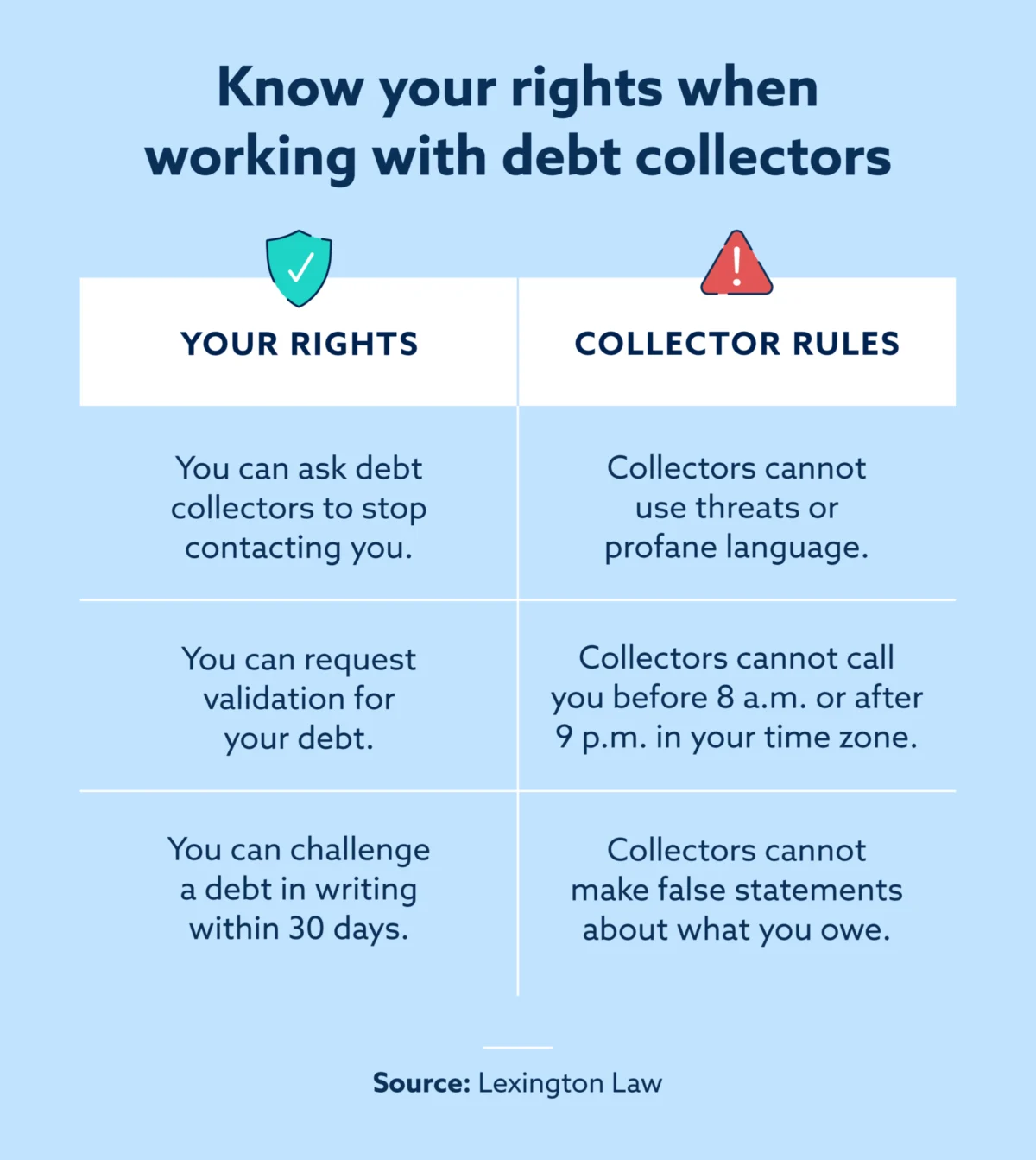
Financial experts often emphasize that "credit repair" is not just about paying bills—it is about ensuring the data being reported is accurate. According to credit advocacy firms like Lexington Law, negative items on a credit report can sometimes be the result of clerical errors, identity theft, or incorrect reporting by creditors.

"For some individuals, the barrier to a higher score isn’t just their behavior; it’s inaccurate data," says a spokesperson for Lexington Law. "If a collection account is listed that you’ve already paid, or if an account is wrongly attributed to you, you have the right to challenge that information. The Fair Credit Reporting Act (FCRA) gives consumers the power to dispute items that are inaccurate, misleading, or unverifiable."
Implications: Why the Timeline Matters
The consequences of ignoring your credit health are far-reaching. A "good" credit score can mean the difference between a 6% interest rate and an 8% rate on a mortgage, which can translate to tens of thousands of dollars in extra interest payments over the life of a loan. Furthermore, many auto insurance companies use credit-based insurance scores to determine premiums.
The path to an excellent score is a marathon, not a sprint. By understanding the six-month rule for initial scoring, the importance of credit utilization, and the necessity of monitoring your report for inaccuracies, you can take control of your financial reputation. While there is no "get rich quick" scheme for credit, a disciplined, long-term approach will consistently yield results, opening doors to better financial products and lower costs of living.
Disclaimer: This article is provided for informational purposes only and does not constitute legal, financial, or credit advice. The credit scoring landscape is complex and varies by individual. Always consult with a qualified professional before making significant financial decisions.