








Federal investigators have peeled back a layer of the dark underbelly of the cybersecurity industry, revealing a disturbing intersection between those hired to protect companies from ransomware and the criminals orchestrating the attacks. U.S. authorities are currently pursuing the notorious hacking collective ShinyHunters, a group responsible for an estimated $70 million in extortion proceeds this year alone. In a stunning turn of events, investigators have identified executives at prominent ransomware negotiation firms who allegedly maintained clandestine, symbiotic relationships with the very hackers they were hired to thwart.
According to sources close to the federal probe, at least one U.S.-based executive is suspected of actively assisting ShinyHunters in the administration of “Shinywire,” a dedicated extortion portal designed to pressure victims into paying ransoms by hosting stolen data and countdown timers. This revelation marks a significant escalation in the war against professional cyber-extortionists and exposes the inherent, often-ignored conflict of interest within the multi-billion-dollar ransomware remediation sector.
A Chronology of Chaos: From Amman to Amsterdam
The rise of ShinyHunters began in 2019, primarily driven by actors based in France. Over the years, the group evolved, shedding its initial membership through arrests and rebranding. By last year, intelligence pointed to a teenager in Amman, Jordan—known by the alias “Rey”—as the primary administrator of the group.
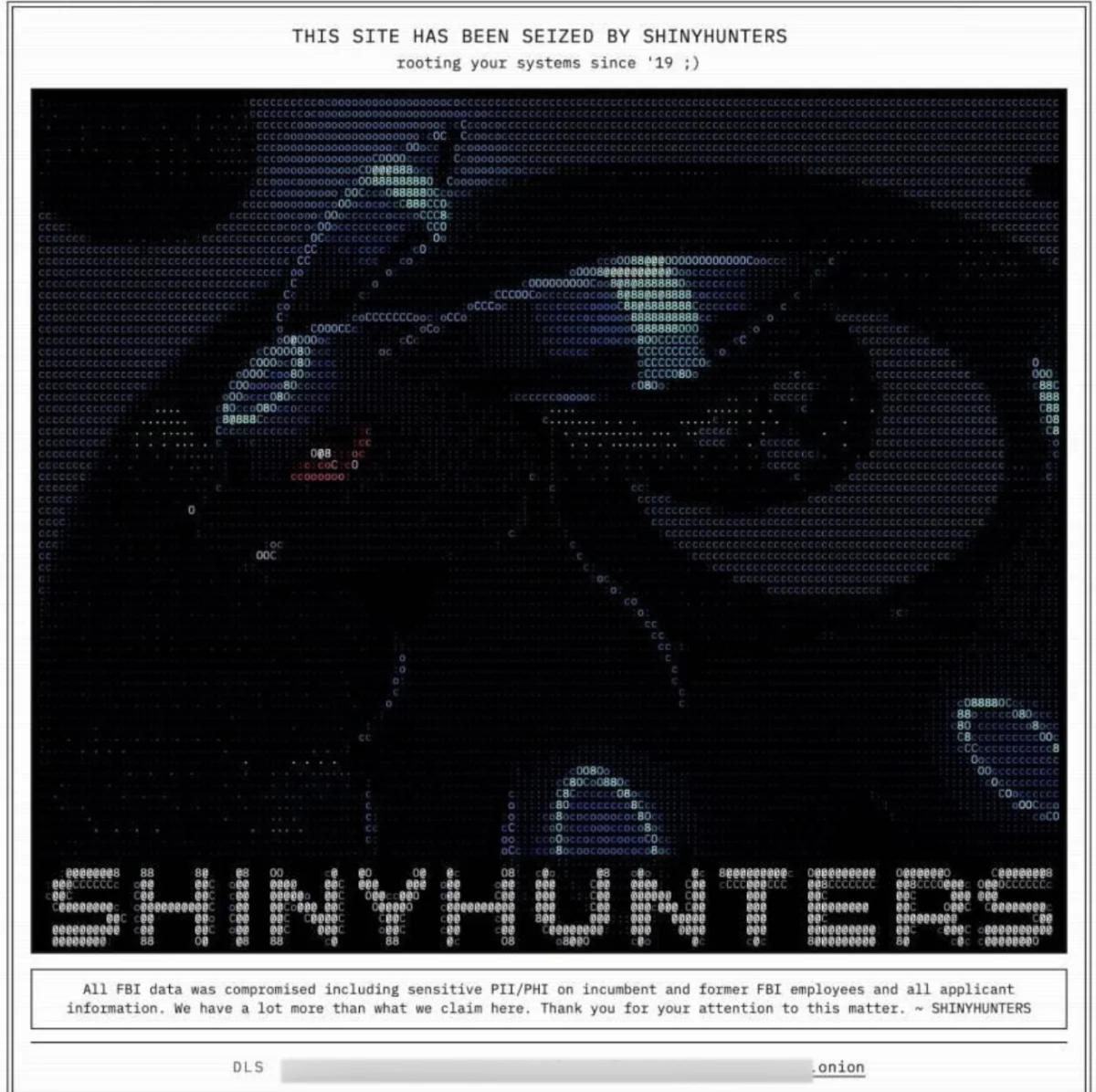
The group’s audacity reached a zenith in late September 2026, when they successfully breached fbijobs.gov. The hackers taunted the federal agency by threatening to leak sensitive employee files, including Social Security numbers, psychological evaluations, and home addresses. This intrusion served as a catalyst, prompting an aggressive, high-speed response from the FBI.

The pressure began to mount on the group’s infrastructure in mid-September 2026. On the evening of September 15, Dutch authorities executed a high-stakes raid, deploying flash-bang grenades to apprehend Pepijn van der Stap, a convicted hacker and core member of the ShinyHunters collective. The arrest was surgical; police reportedly intercepted Van der Stap while he was logged into his Signal account. The encrypted messages discovered on his device provided a roadmap for investigators, linking the Dutch hacker to a network of ransomware negotiators in Canada and the United States.
Following the Dutch arrest, international cooperation accelerated. On October 3, reports confirmed that “Rey” had been detained by Jordanian authorities and was actively cooperating with U.S. federal agents. The dominoes continued to fall on October 9, when the FBI arrested Edward Dubrovsky, a 54-year-old Canadian cybersecurity executive, on charges of threatening to disclose stolen data and interfering with interstate commerce through extortion.
The “Shinywire” Operation and the Internal Betrayal
Perhaps the most damning evidence unearthed by the FBI is the role of “Shinywire[.]com.” Active from May to October 2026, the site served as a digital clearinghouse for ShinyHunters’ victims. It functioned as a pressure cooker, listing nearly 100 organizations that had been compromised. Each entry provided samples of stolen data—ranging from medical records to proprietary technical documents—and warned victims that their data would be dumped on the dark web if payment was not received within seven days.
Investigators believe that executives at a prestigious U.S.-based consulting firm, which boasts over 1,000 employees, were not merely passive observers but active participants in the site’s operations. By accessing internal communications, federal agents discovered that these executives were often privy to victim data before the victims themselves were aware of the breach. Most egregiously, evidence suggests that Edward Dubrovsky and his associates were aware that ShinyHunters had successfully compromised the FBI’s own internal servers, yet they chose to remain silent, allowing the hackers to proceed with their public taunts against the Bureau.

Ghostbyte: The Architecture of Collusion
The investigation into the deeper connections of these executives has unearthed a nickname that has circulated in the ransomware underworld for nearly a decade: Ghostbyte.
Records from 2018 reveal that the Russian-language ransomware group "Dharma" explicitly directed a victim toward an email address associated with this alias. In an email exchange, the Dharma representative stated: “If you want guarantees, you can write to the IT company… this IT company often solves such problems in Canada.”
Digital forensic services, including Constella Intelligence, have linked email addresses frequently used by Daniel Tobok, a former CEO of the cybersecurity firm Cypfer, to accounts utilizing the “Ghostbyte” handle. While Tobok has not been charged and has not responded to requests for comment, the overlap between these industry figures and the ransomware ecosystem suggests a long-standing, structural connection between high-level security consultants and the extortionists they claim to negotiate against.
The Economic Incentive for Extortion
The persistence of these relationships is largely driven by a perverse economic model within the cyber-insurance industry. Many incident response firms operate on a commission-based structure, where the negotiator earns a percentage of the total ransom paid. This creates a clear conflict of interest: the higher the ransom, the higher the fee for the negotiator.

Mark Camillo, CEO of the industry group CyberAcuView, argues that this model is fundamentally broken. “It makes no sense if they are also the negotiator,” Camillo stated. “There needs to be more transparency in the process as no one in the ecosystem should be profiting purely on the size of the ransomware transaction.”
Leading firms such as Coveware and Unit 221B have repeatedly warned victims against paying ShinyHunters, noting that paying a ransom is no guarantee that data will be destroyed—or that it won’t be sold again. Indeed, in the case of the PowerSchool breach, which compromised the records of 62 million students, the payment of a $2.85 million ransom did nothing to stop subsequent extortion attempts by other actors using the same data.
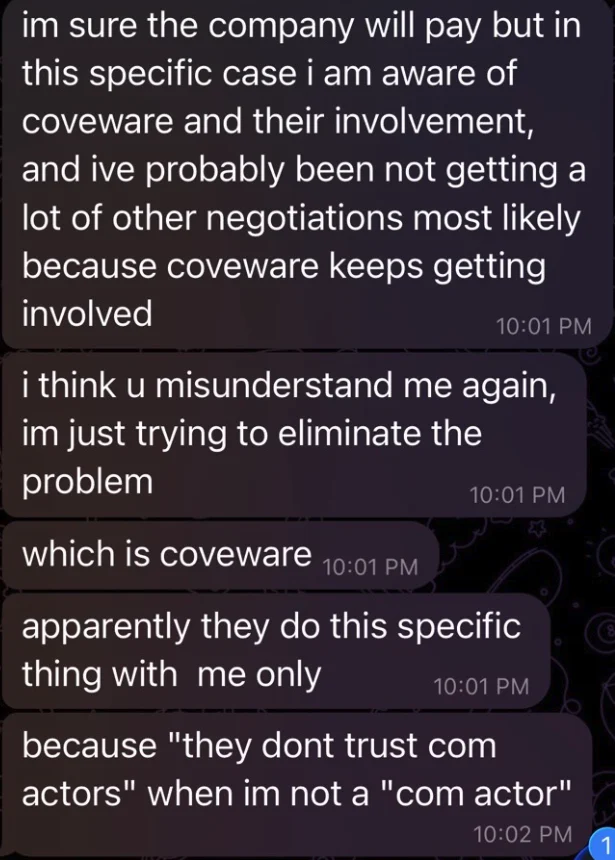
ShinyHunters themselves have voiced frustration with firms that discourage payment. Leaked Telegram chats reveal the hackers complaining that Coveware’s advice was “harming the group’s payment rates” and explicitly discussing the need to “eliminate the problem.”
Legal and Ethical Implications
The U.S. Department of Justice has begun a crackdown on this “negotiator-as-accomplice” model. The recent charges against Zohar Pinhasi, CEO of MonsterCloud, highlight a growing trend where negotiators secretly pay hackers while charging victims vastly inflated fees for “remediation.” Similarly, the sentencing of Angelo Martino earlier this year for conspiring with the Blackcat/ALPHV group solidified the government’s stance: those who use their position of trust to facilitate extortion will be treated as criminals.

For the cybersecurity industry, these revelations serve as a painful wake-up call. The distinction between “white hat” defenders and “black hat” criminals has become increasingly blurred in the pursuit of profit. As federal investigators continue to comb through the digital debris of the ShinyHunters network, the industry faces an existential crisis of trust.
Organizations seeking help in the wake of a breach are now advised to perform rigorous due diligence on their incident response providers. The era of blind reliance on “ransomware negotiators” is closing, replaced by a new, more skeptical landscape where transparency and ethical boundaries are no longer optional, but required for the survival of the digital economy.
As the legal proceedings against Dubrovsky and others unfold, the full extent of this collusion will likely continue to reshape the global approach to cybersecurity—forcing a long-overdue decoupling of the interests of security firms from the interests of those who seek to profit from the theft of data.