





For air travelers, the ultimate nightmare isn’t necessarily a cancellation or a missed connection—it is the sensation of being trapped in a metal tube for hours, only to land exactly where the journey began. This was the grueling reality for passengers aboard Ryanair flight FR2954 on Saturday, October 24, 2026. What was intended to be a routine 867-mile hop from the sun-drenched coast of Spain to the rugged cliffs of Cornwall turned into an exhausting, nine-hour ordeal that highlights the precarious nature of European air travel during the storm season.
The Core Incident: A Journey in Futility
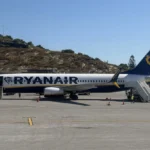
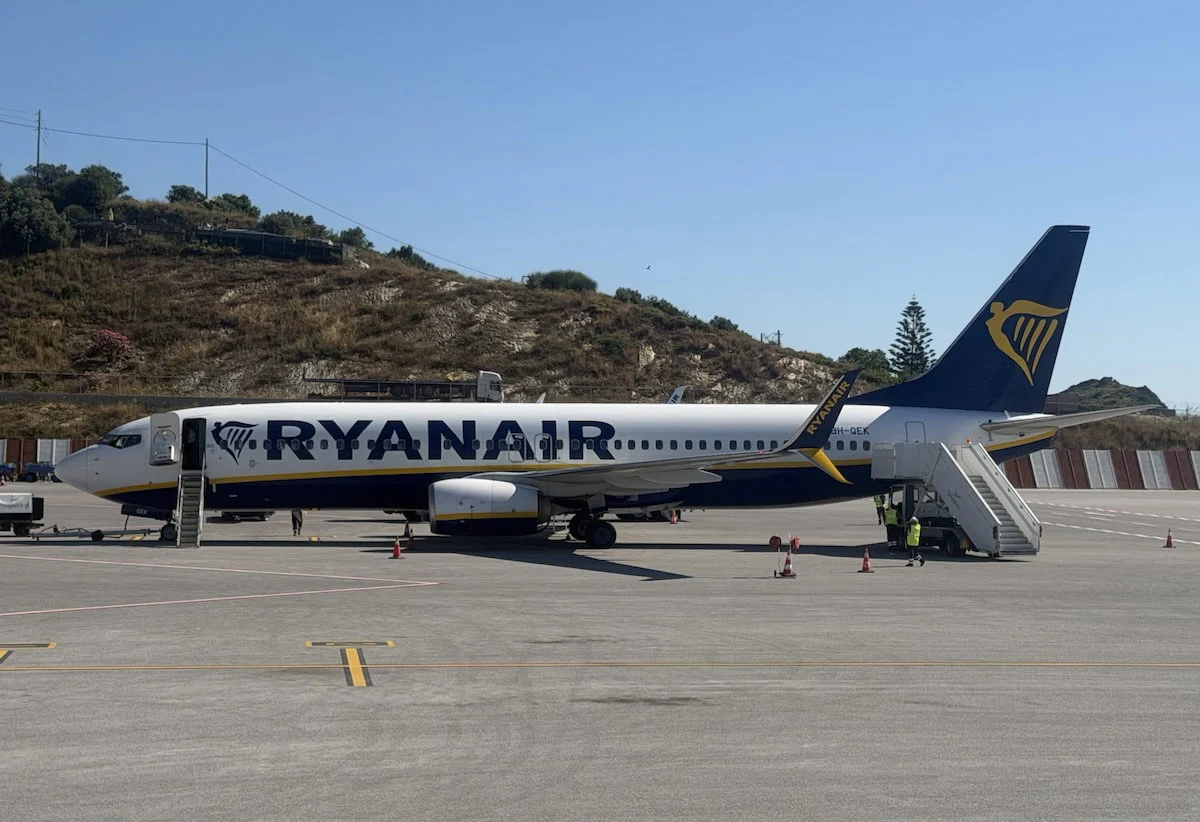
Ryanair flight FR2954 was scheduled to depart Alicante (ALC) at 5:25 PM, bound for Newquay (NQY) in the United Kingdom. Operated by a Boeing 737-800, the flight was slated for a brief 2-hour and 25-minute journey. Instead, passengers found themselves at the center of an operational puzzle that forced the airline to prioritize fleet logistics over passenger convenience, leading to an eventual return to the point of origin.
By the time the wheels touched back down in Alicante, the passengers had spent nearly half a day inside an aircraft cabin, traversing thousands of miles, all to find themselves back at their starting gate. This "flight to nowhere" serves as a case study in the complexities of modern aviation, where weather systems, airport curfews, and complex corporate structures converge to create travel chaos.
Chronology of a Failed Flight
The sequence of events on October 24 began with minor setbacks that quickly cascaded into a logistical disaster.
- 18:36 PM (Departure): Flight FR2954 finally lifted off from Alicante, already running approximately one hour behind schedule.
- 20:30 PM (Initial Approach): After roughly two hours in the air, the aircraft approached the Cornwall region. However, the UK was under the grip of "Storm Austen," which brought severe, gusty winds to the Newquay area.
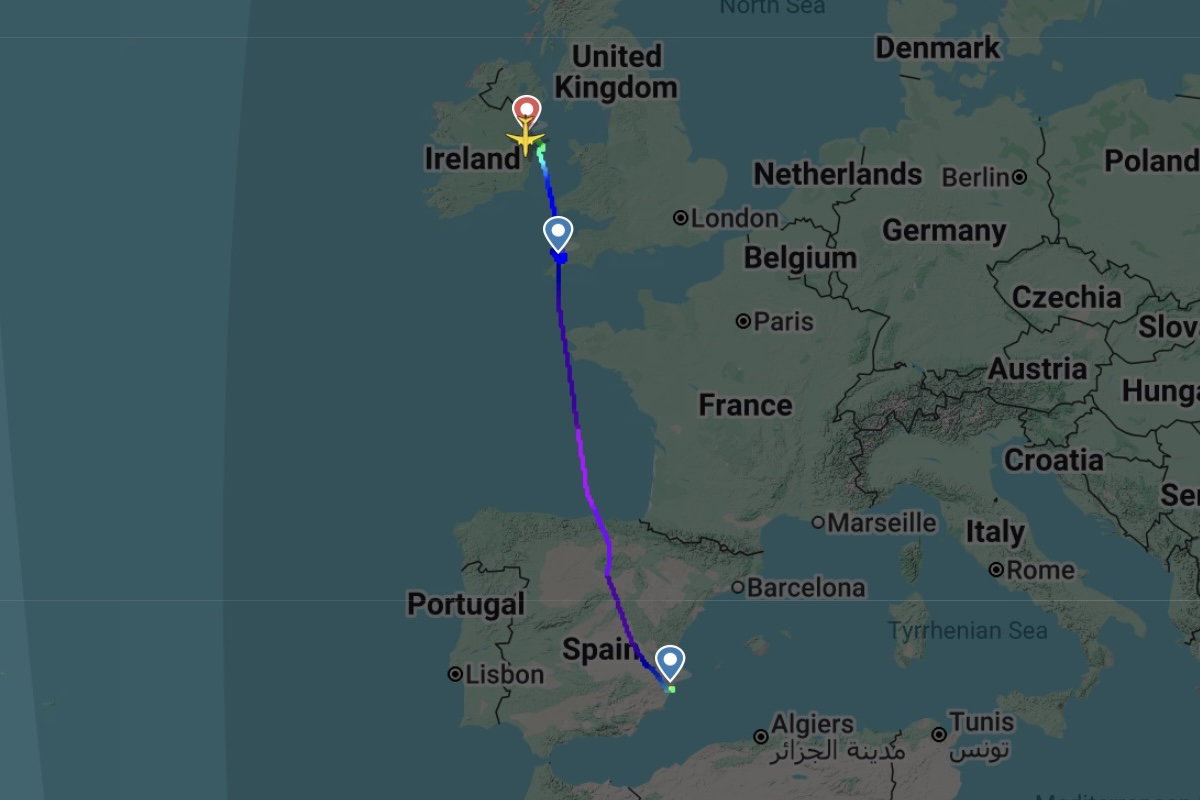
- 20:43 PM (First Diversion): Following a brief holding pattern at 25,000 feet, the flight crew determined that the conditions at Newquay were unsafe for landing. The flight was diverted to Dublin (DUB), where it landed safely after a 3-hour and 7-minute flight time.
- 22:34 PM (The Failed Restart): After refueling and reviewing operational options in Dublin, the crew prepared for a new attempt. With Newquay’s terminal operating hours likely closing, the airline devised a "Plan B": fly to Bristol (BRS), approximately 119 miles from Newquay, and shuttle passengers via bus.
- 23:00 PM (Final Reversal): Upon nearing the vicinity of Bristol, the weather conditions had failed to improve. Facing the prospect of further delays and potential airport closures, the flight crew made the executive decision to bypass Bristol and return to Alicante.
- 02:12 AM (Arrival): The aircraft landed back in Alicante, marking the end of a grueling excursion that had lasted significantly longer than a transatlantic flight.
Supporting Data and Operational Context
To understand why a major carrier would choose to fly back to Spain rather than wait out the storm in Ireland or the UK, one must look at the structural mechanics of the airline industry.
The aircraft involved, registered as 9H-QDK, is part of a specific fleet managed under a Malta-based air operator certificate (AOC). Ryanair, while often perceived as a single entity, operates through several subsidiaries—including Ryanair DAC (Ireland), Ryanair UK, Buzz (Poland), and Malta Air. This structure is designed to optimize tax efficiency and operational flexibility, but it also creates "silos."
Because 9H-QDK was based in Alicante, its absence from its home base meant that the following morning’s flight schedule was at risk of a "domino effect." By returning the plane to Alicante, the airline ensured that the aircraft and its crew were in the correct position for their Sunday morning rotation, thereby preventing further cancellations across their network. While this makes sense from a balance-sheet perspective, it ignores the human cost of keeping passengers trapped in a cabin for the duration of the return journey.
The Regulatory and Legal Landscape
In the aftermath of such incidents, the question of compensation is paramount for passengers. Under the European Union’s EC261 regulation, passengers are generally entitled to significant cash compensation for flight delays and cancellations. However, there is a major caveat: "extraordinary circumstances."
Weather, including storms like the one that battered the UK, is universally classified as an extraordinary circumstance. Because the flight was diverted for safety reasons due to high winds, Ryanair is legally shielded from paying out the standard compensation amounts.
However, this does not absolve the airline of its "duty of care." Under the same regulations, the airline is required to provide food, refreshments, and hotel accommodation if a flight is delayed overnight. In this instance, because the passengers were returned to their point of origin, the airline was obligated to assist with travel arrangements or overnight lodging in Alicante, though the frustration of the passengers—who effectively lost an entire day of their trip—remains uncompensated.
The Human Element: Why Passengers Suffer
The narrative of this flight touches on the broader frustration of low-cost carrier travel. When a flight is disrupted by weather, passengers are often at the mercy of the airline’s internal operational strategy.
Critics argue that airlines like Ryanair prioritize the "asset utilization" of their aircraft over the comfort of their customers. When the flight arrived in Dublin, a passenger-centric approach might have involved offloading the passengers and placing them on alternative flights the following day. Instead, the decision to attempt a flight to Bristol—and then return to Alicante—suggests a management style that views the passengers as "cargo" that simply needs to be moved to a location that minimizes further operational damage.

For the traveler, the experience of being in the air for eight hours and seeing the same terminal building upon arrival is disorienting and demoralizing. It turns a vacation into a test of endurance.
Implications for Future Travel
What does the "flight to nowhere" mean for the future of European aviation?
- Increased Weather Volatility: As climate change contributes to more intense storm systems, regional flights in the UK and Ireland may face increased frequency of such diversions. Airlines will need to improve their communication and contingency planning to avoid "piling on" passenger fatigue.
- Operational Transparency: The incident highlights the need for airlines to be more transparent about why they choose a specific diversion point. Had the passengers been told at the two-hour mark in Dublin that the airline’s priority was returning the aircraft to its home base, the outrage might have been mitigated by better expectations management.
- The "Subsidiary Trap": The use of multiple AOCs (like the Malta-registered plane) makes the aviation network more resilient for the airline but more opaque for the passenger. Passengers should be aware that their flight is often operated by a subsidiary with different operational constraints than the main brand they booked with.
Conclusion
The Ryanair flight from Alicante to Newquay will likely be remembered as a textbook example of how the interconnected nature of modern aviation can turn a simple trip into an epic saga of inconvenience. While the pilots and the airline acted within the bounds of safety protocols and operational requirements, the experience underscores the vulnerability of the traveler in an age where the efficiency of the airline’s fleet often takes precedence over the passenger’s journey.
As travelers continue to navigate the skies during the volatile autumn and winter months, this incident serves as a stark reminder: when you board a flight, the destination is never guaranteed until the wheels have come to a full stop at the gate. For the passengers of flight FR2954, that day, the destination was merely a memory of where they had started.