






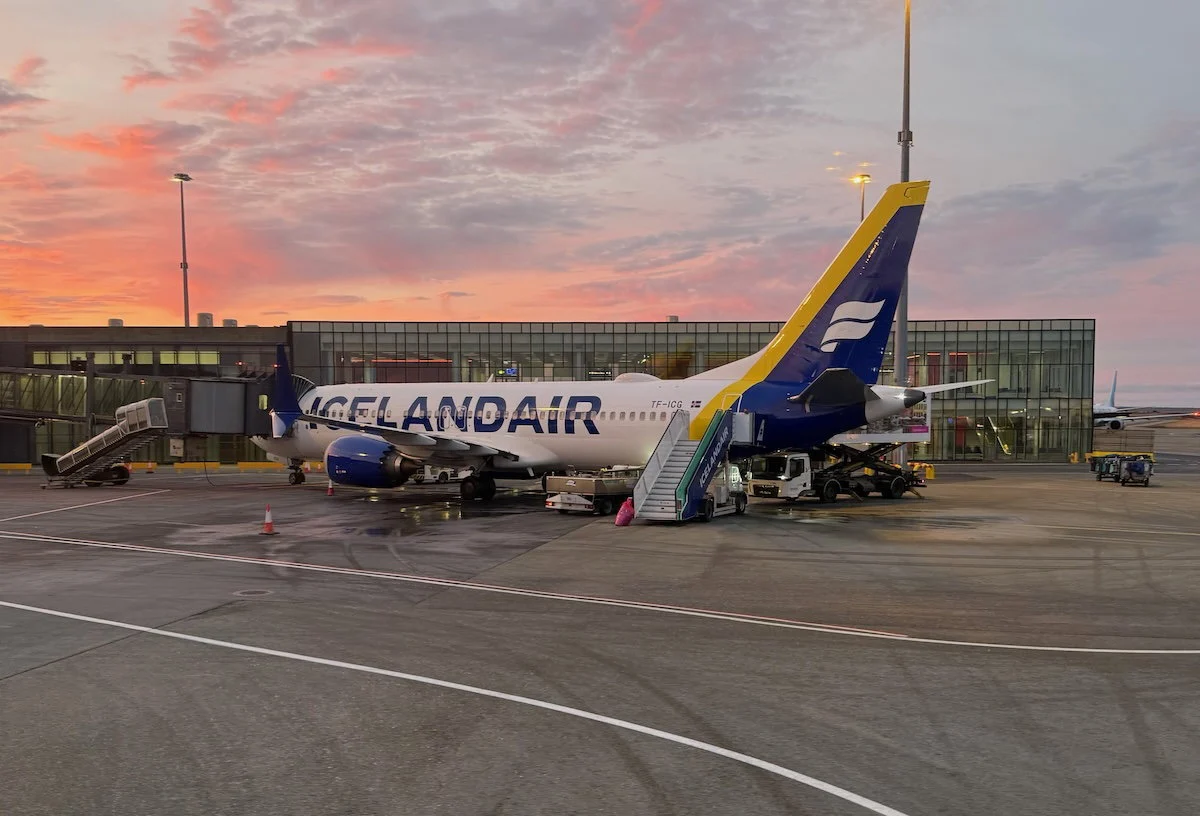
In the complex world of commercial aviation, the mantra "competition is good for the consumer" is often cited as a fundamental truth. Lower fares, increased frequency, and better service are the expected dividends of a healthy, competitive market. However, a recent saga involving trans-Atlantic routes between Detroit (DTW) and Keflavik (KEF) offers a cautionary tale. In this instance, the clash of corporate interests didn’t lead to a sustained benefit for the flying public; instead, it resulted in a "boom and bust" cycle that has left the city of Detroit with zero direct options for Icelandic travel.
This development highlights the aggressive nature of hub-and-spoke protectionism, where legacy carriers often prioritize the defense of their market dominance over the long-term expansion of route networks. As the dust settles on the Detroit-Keflavik connection, analysts are left questioning whether this represents a broader, more worrying trend in trans-Atlantic aviation.
A Chronology of the Detroit-Keflavik Route
The narrative of this route serves as a classic case study in modern aviation strategy.
The Entry (2023)
In 2023, Icelandair, known for its unique hub-and-spoke model that connects North America to Europe via Keflavik, identified Detroit as a prime market. The airline’s strategy was clear: leverage its ability to offer competitive pricing and the popular "stopover in Iceland" incentive to capture travelers from a major American industrial and transit hub. By providing an alternative to the major legacy carriers, Icelandair sought to peel away price-sensitive leisure travelers and those looking for a unique travel experience.
The Defensive Reaction
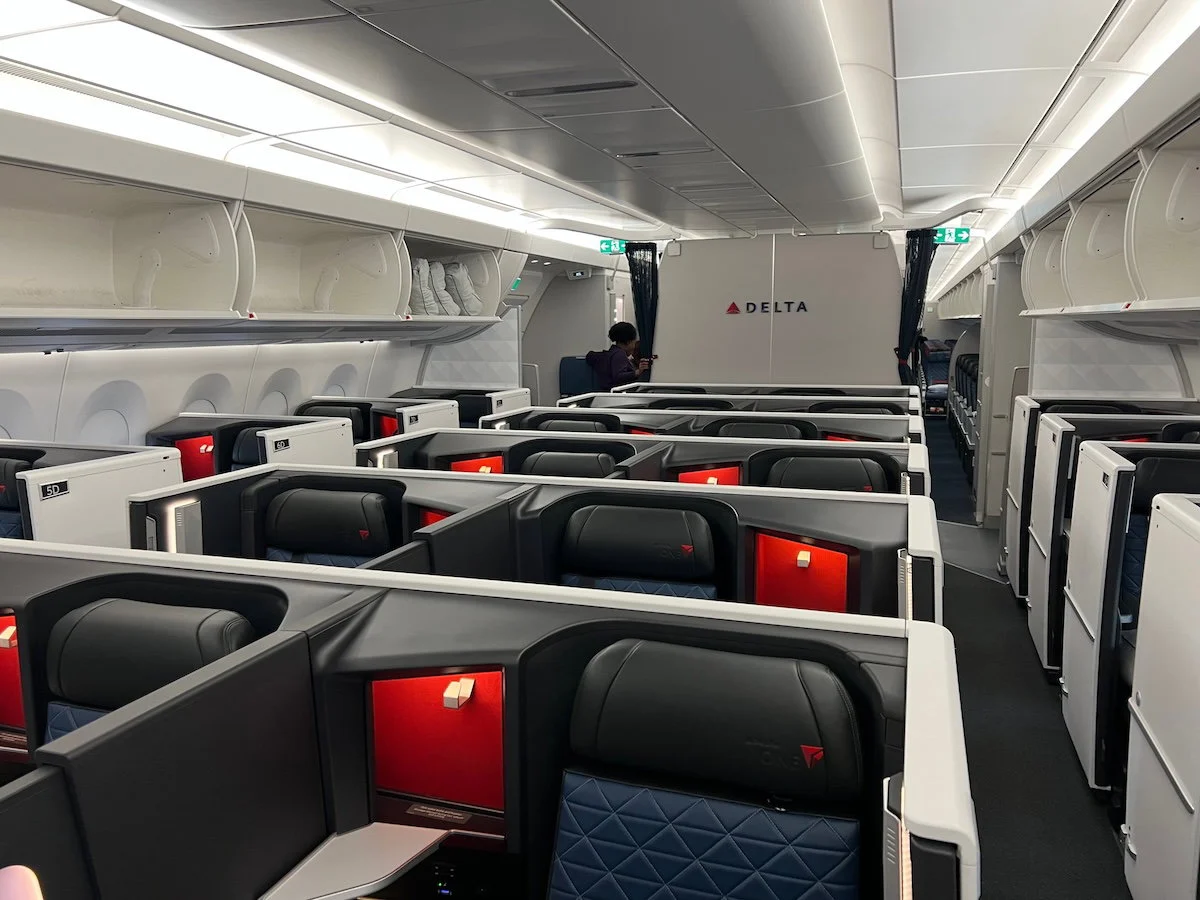
Detroit is a "fortress hub" for Delta Air Lines, meaning the carrier holds a massive market share and significant pricing power. In the airline industry, legacy carriers are notoriously protective of such hubs. Less than two weeks after Icelandair announced its service, Delta responded with a decisive move: it announced it would launch its own non-stop service between Detroit and Keflavik, with a schedule that began three days before Icelandair’s inaugural flight.
The intent was unmistakable. By flooding the market with capacity, Delta effectively neutralized the competitive advantage Icelandair hoped to gain. For the consumer, this was a golden moment: two airlines fighting for market share meant lower prices and more options.
The Retreat (2026)
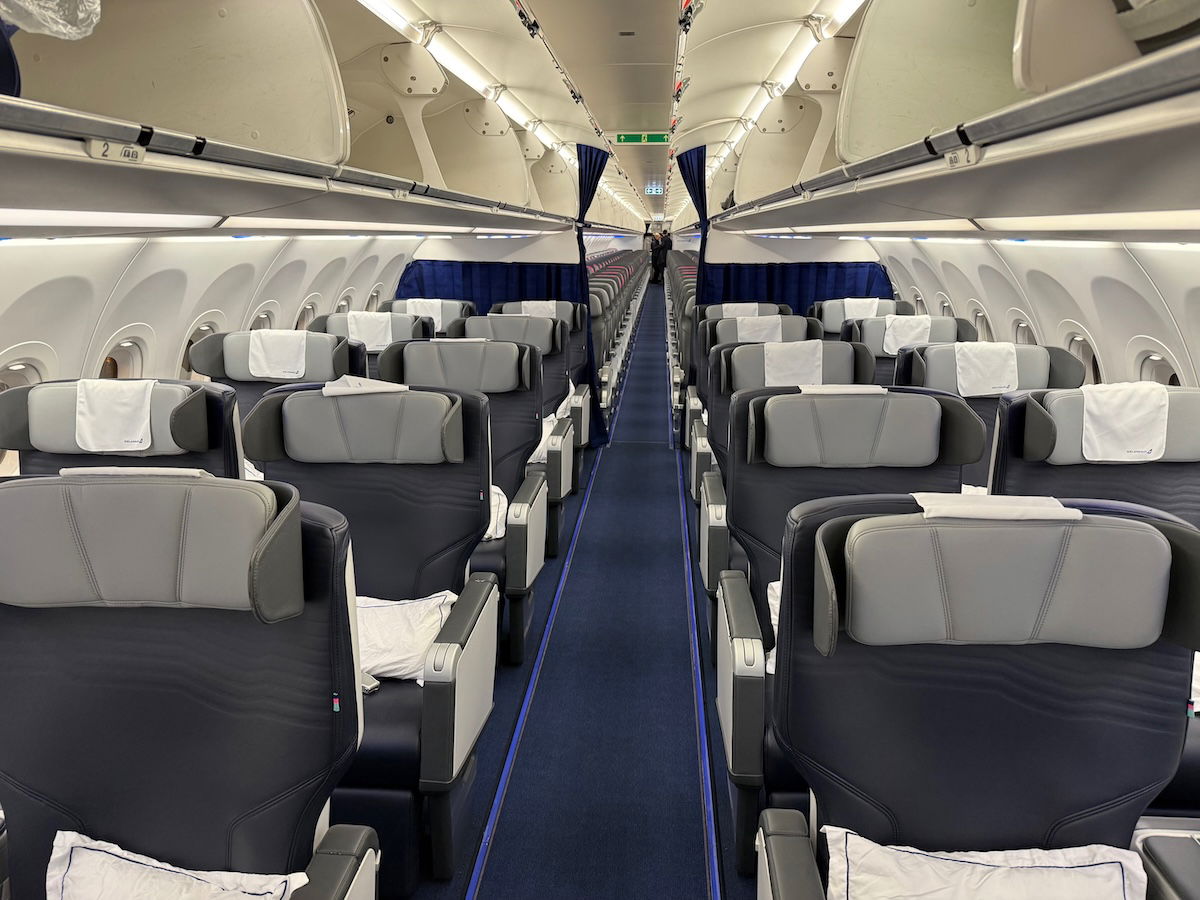
The "math" of the route, however, proved unsustainable for a secondary player. Facing the sheer scale of Delta’s resources and the competitive pressure of a direct match, Icelandair ultimately conceded the market. By early 2026, Icelandair terminated its Detroit service, citing poor financial performance.
Many analysts assumed that with the competitor gone, Delta would solidify its presence. Instead, in a move that blindsided many local travelers, Delta quietly pulled the route as well. The carrier reallocated its assets to Boston (BOS), leaving Detroit with no direct connectivity to Iceland.
Analyzing the "Hub Protection" Strategy
To understand why this happened, one must look at the economics of airline hubs. When a major airline—like Delta in Detroit—sees an entrant like Icelandair, it isn’t necessarily motivated by a desire to provide a superior product to the consumer. It is motivated by the "predatory" nature of hub defense.
By matching the route, Delta was able to keep its own loyalists from straying to a competitor. Once the "threat" of the competitor was removed through the attrition of the market, the route likely ceased to provide the strategic value it once held. If the route were genuinely profitable on its own merits, Delta would have likely operated it years before Icelandair entered the market. The reality is that the service was a strategic weapon, not a long-term network goal.
The Broader Implications for Secondary Hubs
The Detroit scenario is not an isolated event. It raises significant questions about the future of direct, secondary-market international flights.
The Minneapolis-Dublin Parallel
The industry is currently watching a similar dynamic unfold in Minneapolis (MSP). When Aer Lingus announced its intention to serve the Minneapolis to Dublin route in 2024, Delta—the dominant force at MSP—immediately matched the service. History is repeating itself: Aer Lingus has already announced that it will cease its Dublin-Minneapolis operations at the close of the 2026 season.
Industry observers are now left wondering: will Delta maintain this route through 2027? Or will it follow the pattern seen in Detroit, where the removal of the external competitor leads to the quiet cancellation of the route by the legacy carrier? If this trend holds, it suggests that smaller or secondary U.S. hubs will find it increasingly difficult to attract and sustain international competition.
The Cost to the Consumer
While the short-term result of this competition was a temporary drop in airfares, the long-term impact is undeniably negative.
- Loss of Connectivity: Detroit travelers must now connect through other hubs to reach Iceland, adding time, complexity, and potential for travel disruption to their itineraries.
- Reduced Consumer Choice: The loss of a secondary carrier limits the ability of travelers to shop around, effectively returning the hub to a status of higher pricing power for the dominant carrier.
- The "Wait and See" Effect: Airlines may be less inclined to attempt new routes in competitive hubs if they believe they will be subjected to predatory matching by a legacy carrier. This creates a "chilling effect" on network expansion.
Looking Ahead: A Sustainable Model?
Can we expect this to change? It is unlikely, provided the current regulatory and market conditions persist. Hub-and-spoke networks are designed for efficiency, not necessarily for competitive variety. When a dominant airline controls a significant percentage of gates and slots at a major airport, it has an inherent advantage that is difficult for foreign carriers to overcome without significant capital reserves.
For the consumer, the lesson is stark: the "winner" in these airline wars is rarely the passenger. While we may enjoy a few months of low-cost, direct travel during a "fare war," the eventual consolidation usually results in the status quo being restored—or worse, a reduction in total service.
As we look toward 2027 and beyond, the aviation industry faces a crossroads. Either regulatory bodies must look more closely at how legacy carriers use capacity to suppress competition, or the industry will continue to see these cycles of "entry and exit," where routes are launched as tactical maneuvers rather than as genuine attempts to connect the world.
For the residents of Detroit, the loss of the Keflavik route serves as a reminder that in the high-stakes game of global aviation, the routes we fly are often dictated by boardroom strategy rather than travel demand. Until the business models of international carriers like Icelandair can find a way to coexist with the fortress hubs of the U.S. giants, consumers should prepare for more of these "ghost routes" to vanish as quickly as they appeared.