








For millions of consumers, the credit report acts as a financial resume—a document that speaks volumes about one’s fiscal responsibility without ever uttering a word. However, many people are unaware that this document is under constant surveillance. Every time your credit file is accessed, a "footprint" is left behind. Understanding the nature of these footprints—specifically the difference between a hard and a soft inquiry—is essential for anyone looking to navigate the lending landscape with precision and confidence.
Main Facts: The Two Faces of Credit Monitoring
At the core of credit management lies a simple, binary distinction: not all credit checks are created equal. When a lender or entity accesses your credit report, the action is categorized as either a "hard" or "soft" inquiry.
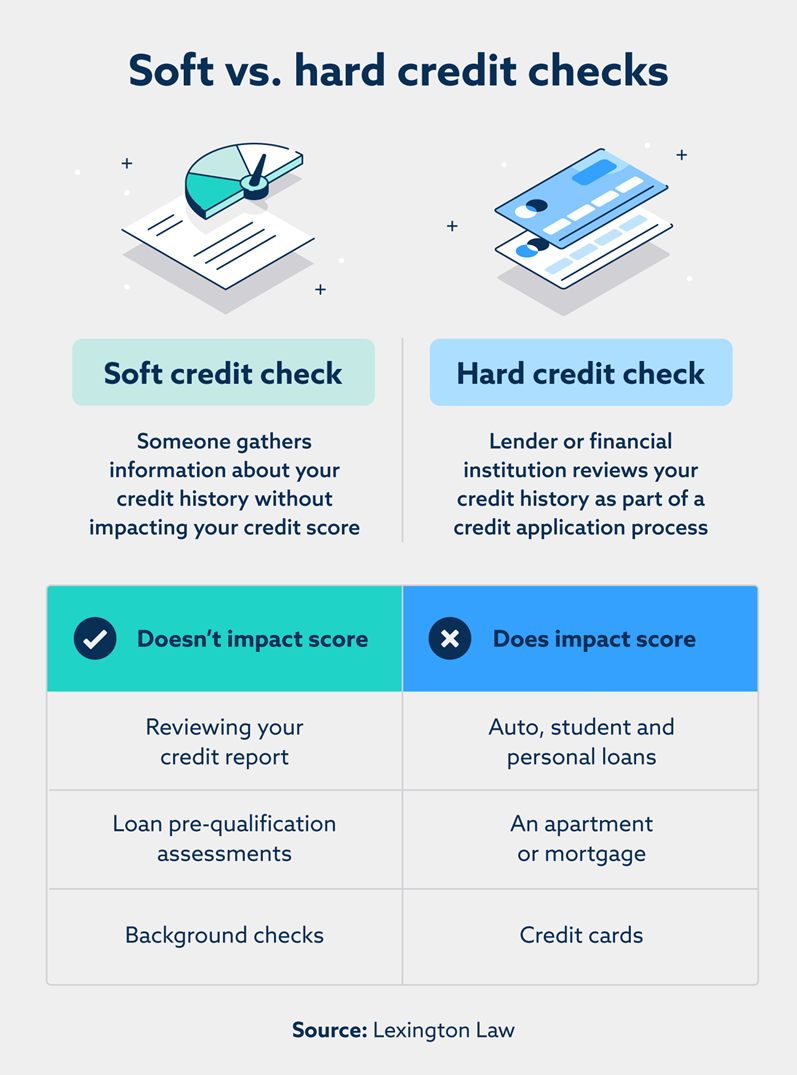
A soft inquiry (or soft pull) is an informational review. It occurs when your credit report is accessed for reasons that do not involve a formal application for new debt. Examples include checking your own credit score via a monitoring app, or a credit card issuer checking your history to send you a "pre-approved" offer. Because these actions do not signal that you are actively seeking to borrow money, they are considered neutral. They have zero impact on your credit score and remain invisible to other lenders.

Conversely, a hard inquiry (or hard pull) is a formal event. This occurs when you authorize a lender to review your credit report as part of a formal application process—such as applying for a mortgage, an auto loan, or a new credit card. Because you are explicitly asking to take on new financial liability, the credit scoring models (such as FICO® or VantageScore®) view this as a potential risk factor. Consequently, a hard inquiry may result in a minor, temporary dip in your credit score.
Chronology: The Lifecycle of an Inquiry
To understand the long-term impact on your financial health, one must look at how these inquiries exist over time.
- The Request: The process begins when an entity pulls your data. Whether it is an employer doing a background check (soft) or a bank reviewing a mortgage application (hard), the request is logged by the credit bureaus—Experian®, TransUnion®, or Equifax®.
- The "Freshness" Window: Scoring models prioritize recent activity. A hard inquiry is weighted most heavily in the first few months following the application. As time passes, the statistical impact of that inquiry wanes.
- The 12-Month Threshold: For most FICO® models, the impact of a hard inquiry on your score ceases after 12 months, even though the record remains on your report for a full two years.
- The Sunset Period: After 24 months, the inquiry is typically purged from your report. It no longer holds any relevance for future lending decisions.
Supporting Data: Why Lenders Use These Metrics
Lenders operate on risk mitigation. They rely on the data within your credit report to determine the likelihood that you will repay a loan. When you apply for a credit line, the "hard pull" is a necessary step for the lender to establish your risk profile.

However, data suggests that the "damage" caused by a hard inquiry is often misunderstood. For a consumer with a robust, established credit history, a single hard inquiry usually results in a dip of fewer than five points. The danger arises not from a single check, but from "inquiry stacking"—the act of applying for multiple credit products in a very short window. This behavior often signals financial distress to creditors, suggesting that a consumer is desperately seeking liquidity or has been rejected by multiple lenders.
The Rate-Shopping Safeguard
Fortunately, the financial system includes a "deduplication" grace period for those shopping for major loans. Whether you are searching for the best interest rate on an auto loan or a mortgage, credit scoring models recognize that you are not trying to open ten separate lines of credit.
- VantageScore®: Typically allows for a 14-day window.
- FICO®: Often allows for a window of 14 to 45 days.
Within these windows, multiple hard inquiries for the same type of loan are aggregated and counted as a single inquiry, shielding the consumer from the penalty of comparing competitive offers.
Official Perspectives and Regulatory Implications
Regulatory bodies and consumer protection agencies emphasize that credit reports are legal documents that must remain accurate. Because hard inquiries carry weight, they are subject to strict authorization rules.

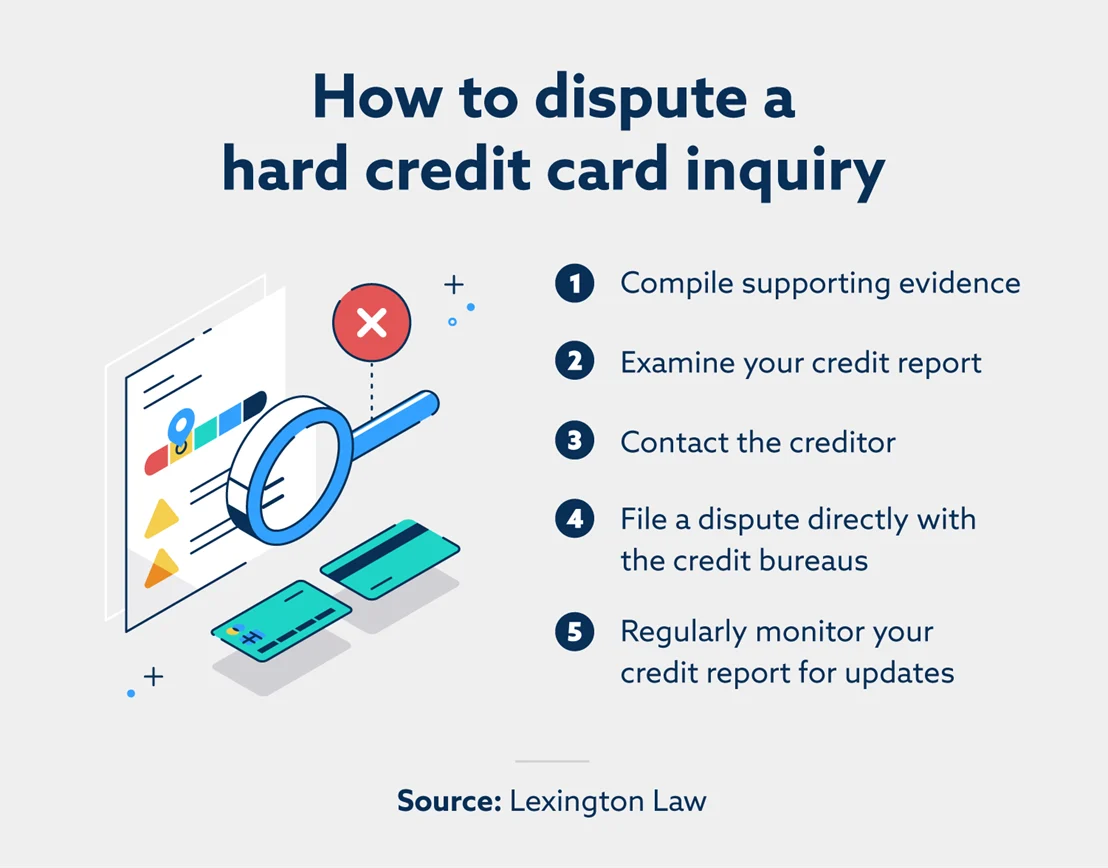
If a consumer identifies a hard inquiry on their report that they did not authorize, it is considered an error or potential identity theft. Under the Fair Credit Reporting Act (FCRA), consumers have the legal right to dispute these items. The process is clear:
- Identification: Review your reports from all three major bureaus.
- Evidence Gathering: Keep records of applications you did make.
- Formal Dispute: Contact the credit bureau and the creditor involved.
- Investigation: The bureau is legally obligated to investigate the claim within 30 days. If the creditor cannot provide proof of a signed application, the inquiry must be deleted.
Implications for Your Financial Future
The implications of these inquiries extend far beyond a few points on a score. A "clean" credit report is a tool for leverage. When you understand the difference between hard and soft pulls, you can strategically manage your credit applications to ensure you are always positioned in the best light.
Proactive Strategies to Limit Impact:
- Space Out Applications: Avoid applying for multiple credit cards or loans within the same month unless you are in a rate-shopping window for a major purchase.
- Monitor Regularly: Use soft-pull monitoring services to keep an eye on your file. Catching an unauthorized hard inquiry early is significantly easier than trying to remove a fraudulent account years later.
- Seek Pre-Qualification: When possible, ask lenders if they can provide a "pre-qualification" using a soft inquiry. This allows you to gauge your chances of approval without committing to a hard pull.
- Exercise Your Right to Dispute: Do not let inaccurate data linger. If a hard pull appears that you do not recognize, challenge it immediately.
Conclusion: Empowerment Through Information
The world of credit scoring is complex, but it is not impenetrable. By distinguishing between the informational nature of soft inquiries and the risk-sensitive nature of hard inquiries, you transition from a passive participant in your financial life to an active manager of your credit profile.
Whether you are planning to purchase a home, finance a vehicle, or simply maintain a healthy credit score for future opportunities, the key is vigilance. While a hard inquiry is a natural part of the lending process, managing them—and ensuring they are accurate—is the hallmark of a savvy financial consumer. For those who find their credit report cluttered with inaccuracies or who are struggling to recover from an excessive number of inquiries, seeking professional guidance from firms like Lexington Law can provide the necessary structure to clean up your file and build a stronger, more accurate credit history.
Remember, your credit report is a reflection of your financial story. By understanding the inquiries that shape it, you ensure that the story told is both accurate and reflective of your true creditworthiness.
Note: The information provided above is for general informational purposes only and does not constitute legal or financial advice. Readers are encouraged to consult with professionals regarding their specific financial situations.