









Main Facts
For many aspiring real estate investors, the fear of purchasing a financial "money pit" acts as a paralyzing deterrent, delaying their market entry for years. However, real estate entrepreneur Joshua Settimio’s journey proves that an imperfect, highly distressed first deal can still serve as the foundation for a thriving portfolio.
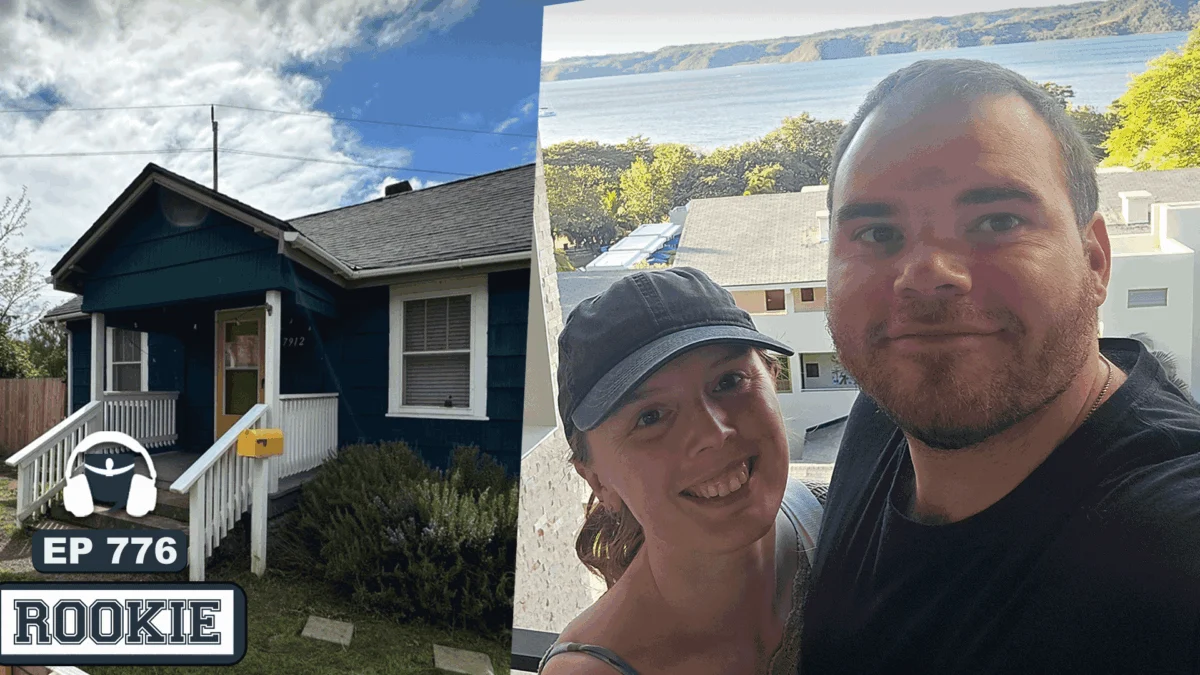
Appearing on an episode of the Real Estate Rookie podcast hosted by Ashley Kehr and Tony J. Robinson, Settimio detailed how he transitioned from a college student cleaning luxury beach rentals to a seasoned investor managing roughly 70 properties across four partnerships. His milestone first acquisition—a dilapidated $38,000 property infested with termites and encumbered by a non-paying tenant—defied traditional lending norms. Yet, through resourcefulness, seller financing, and an eventual "as-completed" appraisal, Settimio unlocked the equity needed to fuel his expansive career in real estate.
Chronology: The Making of an Investor
Settimio’s path to real estate was unconventional, built on a foundation of early exposure, athletic discipline, and self-manufactured opportunities.
The Beach Service Blueprint
Growing up, Settimio took a job working beach chair and umbrella services for a local company in Gulf Shores, Alabama. When extra labor was needed to clean high-end vacation rentals before weekly check-ins, Settimio was dispatched. While scrubbing kitchens and wiping down HVAC vents with bleach, he observed the lifestyle of the property owner, Mr. Young. Witnessing firsthand how real estate could generate both a reliable income and a flexible lifestyle left a permanent impression on young Settimio.
The College Pivot
Settimio later earned a full-tuition scholarship to play football as an offensive lineman at Lyon College in Arkansas—an opportunity he secured independently by aggressively emailing highlight reels and transcripts to athletic departments. However, after sustaining an athletic injury during his college years, Settimio faced a critical crossroads. Stepping away from sports, he shifted his academic focus from education to psychology and business.
Seeking both income and experience, Settimio secured an internship at a local apartment complex by simply calling a property manager he had interacted with while performing landscaping work nearby. This proactive approach embedded him within a premier real estate firm in the area, aligning him with mentors who were actively scaling large portfolios.
The First Deal: Overcoming the Impossible
By late 2019, Settimio had obtained his real estate license and was working as an agent. Eager to buy his own rental property, he quickly hit a brick wall: local banks refused to issue commercial loans to a 1099 contractor with only six months of work history.
Through his brokerage, Settimio learned of an off-market property listed by a colleague. The owner was desperate to sell a $38,000 house in Batesville, Arkansas, that had generated zero rental income for over a year due to an uncooperative tenant. Unable to secure conventional bank financing and lacking a large down payment, Settimio proposed a creative solution: seller financing.
Supporting Data and Deal Mechanics
Settimio’s first acquisition relied heavily on creative deal structuring, sweat equity, and navigating regulatory hurdles without formal legal representation.
- Purchase Price: $38,000 (secured via seller financing).
- Initial Monthly Obligation: Approximately $390 per month.
- The Tenant Obstacle: The property came with a tenant who had not paid rent in 18 months. After attempting to negotiate a collaborative path forward, Settimio realized empathy had to meet strict business boundaries. He served a three-day notice to quit, followed by an unlawful detainer notice. Faced with legal action, the tenant vacated peacefully, saving Settimio the cost of an attorney.
- The Rehabilitation Phase: Upon gaining possession, the true extent of the damage was revealed. The house, built in the 1930s or 1940s, suffered from severe structural issues, compromised floor joists, and a prior termite infestation. Settimio spent between 8 to 12 months performing extensive manual labor—such as digging out crawl spaces and replacing subfloors—while funding minor structural repairs out of pocket through his day job.
- The Refinance Breakthrough: After months of rejection from traditional lenders, Settimio approached the largest local bank with a meticulously drafted business plan and a detailed scope of work. Based on the projected value of the renovated property, the bank approved an "as-completed" appraisal.
The property appraised at $86,000. Settimio utilized the new financing to pay off his remaining seller-financing balance (roughly $28,000) and secured approximately $20,000 in repair capital. This allowed him to install a new roof, HVAC system, and water heater. The renovated property was successfully rented out for $850 per month, and the newly established equity enabled Settimio to open a line of credit to fund his subsequent investments.
Official Responses and Industry Insights
Reflecting on his turbulent entry into the market, Settimio emphasized that perfection is never a prerequisite for progress.
"Your first deal doesn’t have to be perfect. It just has to teach you enough to get to the next one," Settimio shared during the podcast.
Podcast co-host Tony J. Robinson highlighted the importance of persistence in securing financing, noting that investors often fail by stopping after the first few rejections. "For every lender that says, ‘Oh, we can’t do that,’ there’s another lender that says, ‘Oh, we do those kind of loans all day,’" Robinson noted.
Co-host Ashley Kehr underscored the psychological hurdles rookies face, pointing out that Settimio’s willingness to sit on a vacant, distressed property while maintaining his mortgage payments—all while focusing on his primary income source—was a testament to his long-term vision.
Implications for Rookie Investors
Settimio’s journey offers several key takeaways for individuals looking to break into real estate investment:
- Proximity Creates Opportunities: By placing himself in environments surrounded by active investors and mentors (such as his apartment complex internship and brokerage), Settimio absorbed critical market knowledge and shortcut his learning curve.
- Creative Financing Solves Capital Constraints: When traditional W-2 or banking avenues are closed, alternative structures like seller financing can bridge the gap for aspiring buyers with limited credit history or liquid capital.
- Establish Boundaries Early: Property management requires a delicate balance between empathy and business discipline. Knowing when to transition from negotiation to legal enforcement is crucial for protecting an asset’s viability.
- Leverage As-Completed Appraisals: For distressed properties requiring heavy rehab, an as-completed appraisal allows investors to borrow against the future value of the asset rather than its current, dilapidated state.
Today, Settimio continues to scale his business. Following his initial single-family hurdles, he and his wife have expanded into multi-family assets, preparing to close on a 20-unit former motel property in a nearby lake town to convert into long-term rentals. His trajectory demonstrates that with the right mindset, resilience, and a willingness to learn through adversity, anyone can construct a lasting real estate portfolio from scratch.