









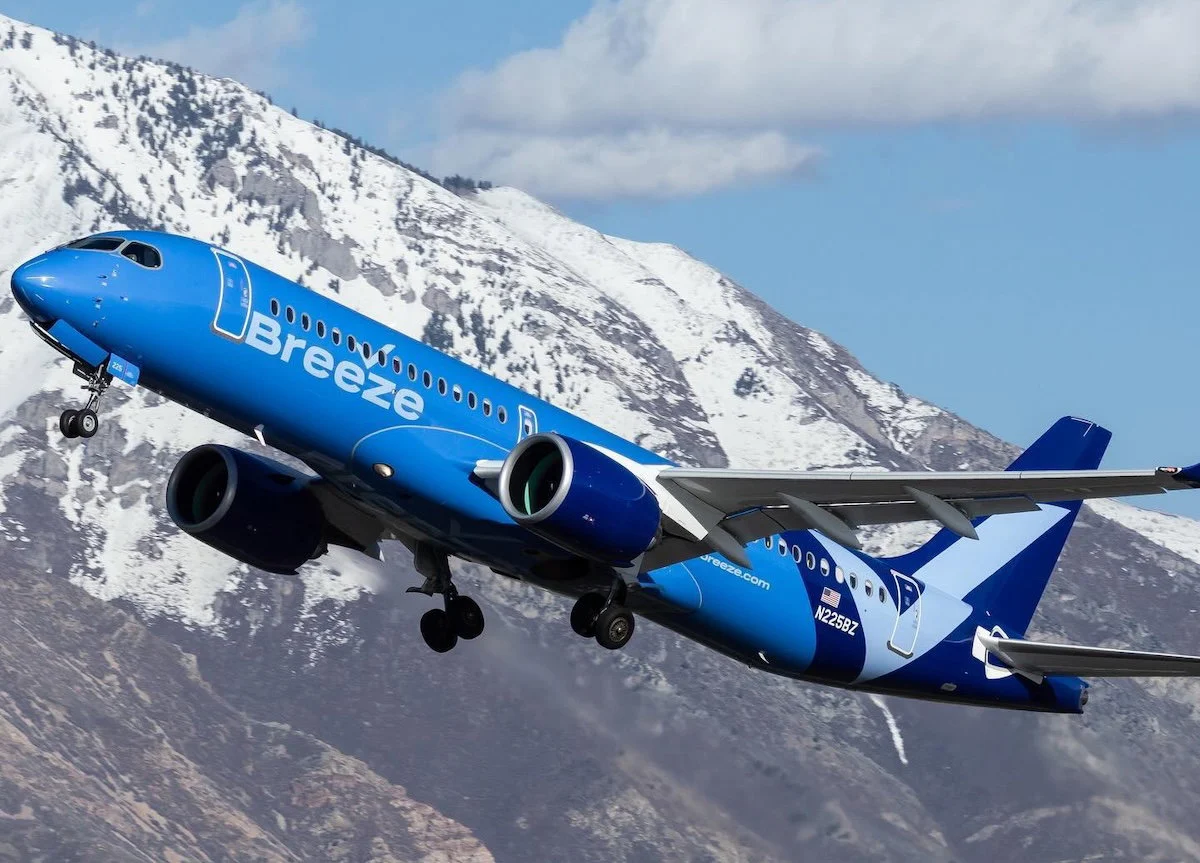
In a move that has caught the aviation industry off guard, Alaska Airlines has quietly initiated a commercial partnership with Breeze Airways. While the arrangement, currently restricted to a handful of select nonstop routes, appears modest in scope, it signals a potentially significant shift in how legacy and hybrid carriers approach domestic network expansion. By allowing customers to book Breeze-operated flights directly through the Alaska Airlines website—and, crucially, earn Atmos Rewards points in the process—Alaska is testing the waters of a new, collaborative distribution model.
The Core Facts: What Has Changed?
The partnership, first brought to public attention by industry analyst Enilria and subsequently dissected by the Cranky Flier, represents an unusual interline-plus arrangement. Under the terms of this deal, Alaska Airlines is acting as a sales portal for specific Breeze Airways flights.
The primary mechanics of the partnership include:
- Direct Sales Integration: Alaska Airlines’ booking engine now displays select Breeze Airways itineraries, allowing passengers to purchase tickets for these flights without leaving the Alaska ecosystem.
- Loyalty Integration: Passengers booking these specific flights through Alaska’s platform are eligible to earn Atmos Rewards points, integrating a low-cost carrier’s inventory into a traditional loyalty program.
- Geographic Scope: The integration is currently limited. It does not cover the entirety of Breeze’s network; instead, it focuses on specific, non-competitive nonstop routes, primarily involving hubs like Charleston (CHS), Las Vegas (LAS), and Raleigh-Durham (RDU).
It is important to note the limitations: this is not a comprehensive codeshare. The flow of inventory is unidirectional—Alaska sells Breeze, but Breeze does not sell Alaska—and there is no evidence of "interline ticketing" in the traditional sense, where baggage is transferred between carriers or passengers are protected on a single itinerary across both airlines.
A Chronology of the Development
The rollout of this partnership has been notably quiet, lacking the fanfare typically associated with major airline alliances.
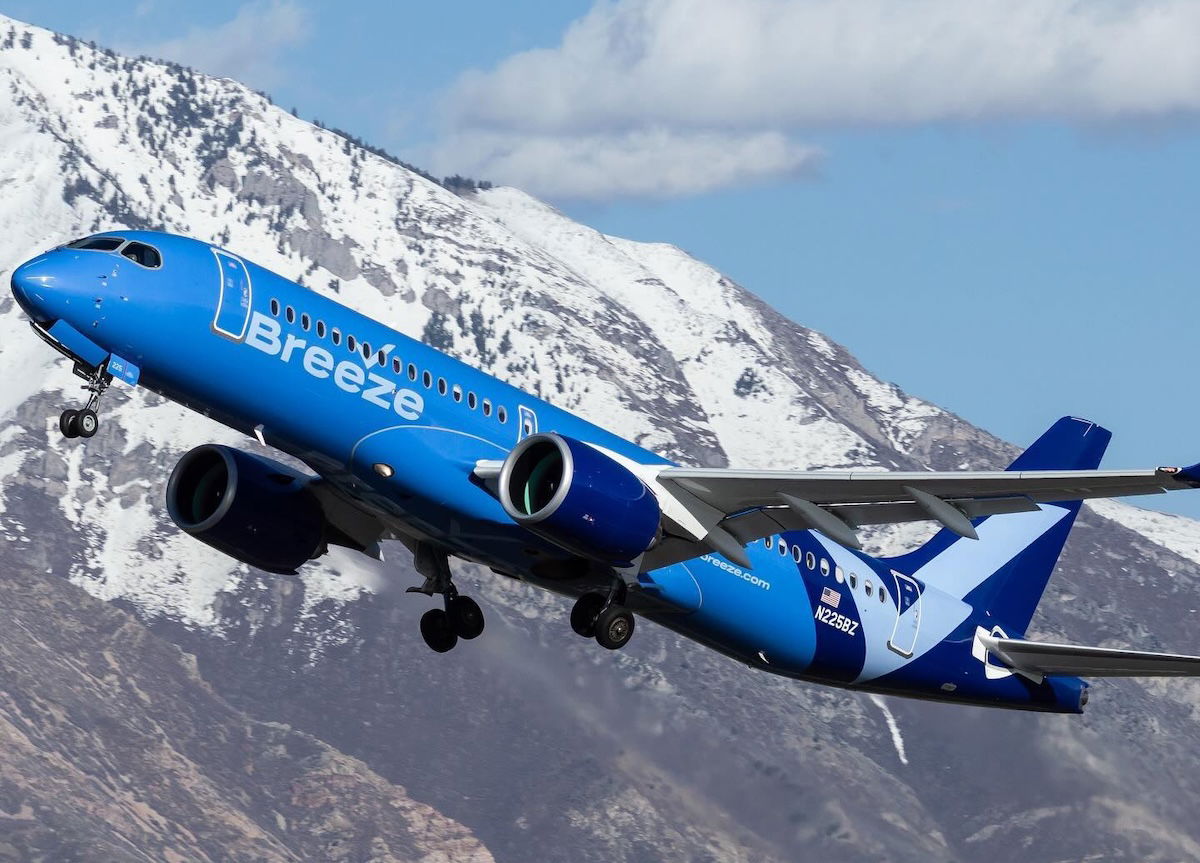
Late 2026 – The Soft Launch: The integration appeared on Alaska’s digital storefronts without a press release or a public announcement from either carrier. Observant frequent flyers and aviation analysts were the first to notice that searching for flights on the Alaska website occasionally surfaced Breeze-operated flights.
Early October 2026 – Public Identification: Following reports from the enthusiast community, the partnership was formally identified as an interline-based agreement. The aviation media began scrutinizing the fare structures, noting that Alaska’s pricing engine for these flights does not mirror the bundles or pricing tiers found on the Breeze website.
Current State: As of mid-October, the integration remains in a "pilot" phase. Users can view and book these flights, but the inventory is restricted. The two airlines have remained largely silent regarding the long-term roadmap for this collaboration, leaving the industry to speculate on whether this is a precursor to a deeper integration or a temporary experiment to gauge consumer behavior.
Supporting Data and Operational Nuances
To understand the scale of this partnership, one must look at the operational disparity between the two companies. Alaska Airlines, a carrier with an annual revenue footprint approaching $15 billion, operates as a traditional, high-service legacy carrier. Breeze Airways, founded by David Neeleman, is a "Seriously Nice" low-cost carrier focusing on underserved, point-to-point markets using a fleet of Embraer E190/195s and Airbus A220s.
The Pricing Discrepancy
One of the most curious aspects of the partnership is the pricing model. Analysis of the booking engine reveals that Alaska is not pulling full fare-class availability from Breeze. Instead, it seems to be offering a curated subset of fares. Because these prices do not always correlate with the "Nice," "Nicer," or "Nicest" fare bundles offered on Breeze’s own site, customers are faced with a lack of transparency.

For the average consumer, this raises a question: Why book through Alaska if the full suite of options isn’t available? For the airline, the answer lies in data and customer retention. By keeping the passenger within their ecosystem, Alaska gathers valuable data on where its customers want to go—even if they have to rely on a third-party partner to get them there.
Revenue Implications
In the grand scheme of Alaska Airlines’ $15 billion annual revenue, this partnership is a rounding error. However, from a strategic standpoint, it is a low-risk, low-cost way to test market demand. The administrative overhead of setting up an interline agreement is significantly lower than that of a full codeshare or joint venture. If the partnership fails to generate meaningful traffic, the "sunk cost" is minimal.
The Silence of the Carriers: A Lack of Official Response
As of this writing, both Alaska Airlines and Breeze Airways have declined to issue a detailed statement explaining the strategic rationale behind this move. The lack of an official "Why?" has fueled significant debate among industry experts.
Typically, when airlines announce a partnership, they tout the benefits of "seamless travel," "increased connectivity," or "expanded loyalty options." The absence of such rhetoric here suggests that this is not yet a strategic pillar for either company. It is possible that the airlines are waiting to see if the "Atmos Rewards" hook is enough to drive significant conversion rates before they commit to marketing the partnership to the broader public.
Implications: Why Would They Do This?
While the partnership seems "random" on the surface, there are several theories regarding the potential long-term play.

1. Filling the "Missing Link"
Alaska Airlines has long prided itself on its extensive network of partners, which helps compensate for its lack of a global, legacy-style hub-and-spoke system that reaches every corner of the United States. By partnering with a nimble carrier like Breeze, Alaska may be looking to serve secondary, "thin" routes without the capital expenditure of flying their own aircraft into those markets. It is a way to "patch" their network map with minimal risk.
2. Customer Retention and Data Harvesting
The most compelling reason for the partnership is likely loyalty. Alaska’s Atmos Rewards program is a significant competitive advantage. By allowing members to earn points on flights that Alaska does not operate, they increase the "stickiness" of their brand. If a customer is deciding between booking a flight on a competitor or booking a Breeze flight via Alaska to earn points, the latter choice reinforces the customer’s commitment to the Alaska loyalty ecosystem.
3. Testing a "Virtual Interline" Model
The industry is moving toward a more fragmented future. Large carriers are increasingly looking for ways to act as aggregators. If Alaska can successfully manage the distribution of Breeze flights, they could theoretically expand this model to other carriers, effectively turning their website into a domestic flight marketplace that provides a unified loyalty experience regardless of who operates the flight.
4. The "Why Bother" Counter-Argument
Critics, however, suggest that the current iteration of the partnership is flawed. Because the interline agreement is so thin—lacking through-baggage checking and unified customer service—the passenger experience remains fragmented. If a passenger encounters a delay on a Breeze flight booked through Alaska, they may find themselves in a customer-service "no man’s land," where neither airline takes full responsibility for rebooking or compensation. This risks damaging the brand reputation of both carriers.
The Road Ahead
Is this the start of a "super-partnership" or just a digital experiment that will be quietly retired in six months? The answer likely depends on the conversion metrics.

If Alaska finds that its customers are indeed booking these Breeze flights in sufficient volume, we can expect a few things to happen:
- Technological Maturation: The integration will likely move beyond simple booking to include shared baggage policies and, eventually, interline ticketing.
- Expanded Route Map: The number of markets where these flights are available will increase, likely targeting regional hubs where Alaska has a weaker presence.
- Marketing Push: Once the backend is robust, the airlines will stop being "quiet" and begin actively promoting the partnership to frequent flyers.
For now, the Alaska-Breeze partnership stands as a fascinating case study in airline agility. It is a reminder that in the modern aviation landscape, the lines between legacy carriers and low-cost models are blurring. Whether this specific arrangement provides value to the consumer remains to be seen, but it is clear that Alaska Airlines is looking for new, creative ways to expand its reach without the heavy lifting of traditional growth.
For the passenger, the advice remains simple: compare the price on Alaska’s site with the price on Breeze’s site before clicking "book." While the points are a nice perk, the lack of a comprehensive interline agreement means the consumer should be prepared to manage the itinerary as two distinct, separate travel experiences.