








The Chase Sapphire Reserve® has long stood as a titan in the premium credit card landscape. While its $795 annual fee commands attention, the card is engineered for the sophisticated traveler who prioritizes luxury, security, and high-value rewards. Among its most compelling—yet often misunderstood—features is the annual $300 dining credit.
Unlike the card’s broad travel credit, which functions with the simplicity of a statement adjustment for almost any travel-related purchase, the dining credit operates within a specific ecosystem: the "Sapphire Reserve Exclusive Tables" program. For cardmembers looking to extract maximum value from their annual fee, understanding the nuances of this benefit is not just helpful—it is essential.
The Core Facts: Understanding the $300 Annual Benefit
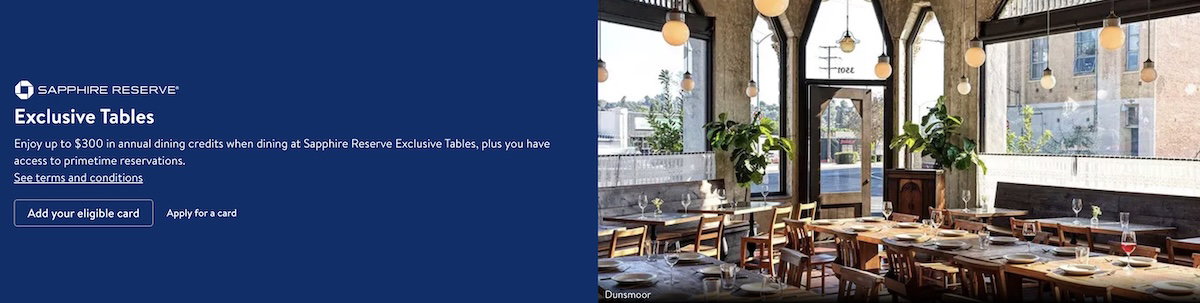
At its most basic level, the Chase Sapphire Reserve dining credit is designed to reward cardmembers for patronizing specific culinary establishments. The benefit provides up to $300 in statement credits annually, structured as up to $150 in credits every six months.
It is important to note that this is not a universal dining credit that applies to any restaurant in the world. Instead, it is tethered to the "Sapphire Reserve Exclusive Tables" program, an initiative developed in partnership with OpenTable. By focusing on this curated list of partners, Chase aims to provide not just a financial rebate, but a premium dining experience that includes priority access and exclusive reservation windows.
Key Operational Mechanics
- The Schedule: The credit resets in six-month cycles. Failing to utilize the full $150 in a given period means the remaining balance does not roll over; it is simply forfeited.
- Automatic Application: There is no complex enrollment or "activation" required. When you pay for a meal at an eligible restaurant using your Chase Sapphire Reserve card, the system automatically triggers a statement credit.
- Timing: Credits typically post to your account within three business days of the transaction, effectively offsetting the cost of your meal almost immediately.
Chronology of the Program’s Evolution
The Sapphire Reserve Exclusive Tables program has undergone significant transformation since its inception. Initially perceived as a niche perk for those living in major metropolitan hubs like New York or San Francisco, the program has steadily expanded its footprint.

In July 2026, Chase and OpenTable executed a major update to the participating restaurant list. This update was characterized by a "pruning and planting" strategy—removing underperforming or closed venues while aggressively adding high-quality, mid-market, and fine-dining establishments across secondary cities. This evolution suggests that Chase is listening to feedback regarding the geographic limitations of the perk, attempting to make the card more relevant to affluent consumers residing outside of the country’s top ten largest cities.
Supporting Data: Where the Program Stands Today
The current iteration of the program includes hundreds of restaurants across a vast array of U.S. cities. From the culinary hubs of Chicago and Los Angeles to the burgeoning food scenes in cities like Tulsa, Oklahoma City, and Greenville, South Carolina, the geographical spread is more democratic than it has ever been.
Geographic Reach
While a comprehensive list is subject to change, the current program encompasses dining destinations in:
- Major Metros: New York City, Los Angeles, Chicago, San Francisco, Washington D.C., and Miami.
- Emerging Markets: Nashville, Austin, Denver, Portland, Charlotte, and Kansas City.
- Regional Hubs: Cincinnati, Columbus, Detroit, Jacksonville, and Salt Lake City.
The strategy here is clear: by partnering with OpenTable, Chase is leveraging the largest restaurant reservation network in the world. This partnership allows for a "Priority Notify" feature, which gives Sapphire Reserve cardholders early access to prime tables before they are released to the general public—a perk that arguably holds as much value as the financial credit itself for those who frequent popular, hard-to-book restaurants.
Official Responses and Troubleshooting
One of the most frequent points of confusion for cardholders involves "missing" credits. In the event that a charge at a participating restaurant does not trigger an automatic statement credit, cardmembers are advised to follow a specific protocol.

First, verify that the restaurant was on the active "Exclusive Tables" list at the precise time of the transaction. Because restaurant participation can change, the status of the venue on the date of your dinner is the only metric that matters. If the restaurant was active and the credit failed to post, Chase’s customer service department is well-versed in investigating these instances.
When contacting support, be prepared to provide the transaction date, the name of the establishment, and your account details. It is rarely a systematic error, but rather a "merchant category code" (MCC) mismatch—where the restaurant’s processing system may not be correctly identified as a primary dining location—that causes the delay.
Implications for the Modern Cardholder
The "value" of this credit is highly subjective and depends entirely on the cardholder’s lifestyle. For a resident of a city like Miami or New York, where these restaurants are often part of a regular social rotation, the $300 credit is effectively $300 in "found money." It lowers the effective annual fee of the card, making the premium price point much easier to justify.
The "Breakage" Factor
Credit card issuers often design these tiered, restricted benefits with the expectation of "breakage"—a financial term for the percentage of customers who will fail to use a perk, thereby saving the issuer money. If a cardholder forces themselves to eat at a restaurant they dislike just to get the $150 credit, they are arguably losing value. The credit is most effective for those whose natural dining habits align with the curated list.
Synergistic Benefits
One often overlooked aspect of the Chase Sapphire Reserve is its base-level earning potential: 3x points on all dining purchases globally. Because the dining credit does not preclude you from earning these points, the math becomes even more attractive. Even when using the credit to cover the bill, the transaction is processed as a standard dining expense, earning you valuable Ultimate Rewards points.
Furthermore, because there are no foreign transaction fees, this card remains one of the best tools for international travelers. While the credit itself is currently domestic-focused, the card’s ability to stack these benefits with other dining rewards portals makes it a powerful financial instrument.
Frequently Asked Questions
Q: Can I use the credit for takeout?
A: Yes, as long as the takeout order is placed directly with the restaurant and paid for at the restaurant (or via their direct system). Third-party apps like DoorDash or Uber Eats will not trigger the credit because they process the payment as a "delivery service" rather than a restaurant transaction.
Q: Does the credit work for gift card purchases?
A: This is a "gray area." Generally, if the gift card is purchased directly at the restaurant’s point-of-sale system, it will likely trigger the credit. However, if the restaurant uses a third-party gift card vendor, the MCC may not trigger the reimbursement. Proceed with caution.
Q: Can I stack this with other dining programs?
A: Absolutely. You can combine this credit with other dining loyalty programs, provided you are paying the restaurant directly. This "double-dipping" is a hallmark of the advanced rewards enthusiast.
The Bottom Line
The Chase Sapphire Reserve $300 dining credit is a specialized tool. It is not designed for the casual user who wants a "set it and forget it" rebate. Instead, it serves the intentional diner—the individual who checks the reservation portal before booking a weekend dinner and who values the "Priority Notify" perks as much as the financial savings.
As the program continues to grow into smaller markets, its utility for the average consumer will likely increase. For now, the best strategy is to audit your local dining scene against the current OpenTable partner list. If you find your favorite spots are included, you have successfully transformed a high annual fee into a streamlined, high-value dining experience. If not, the card remains a premium travel powerhouse, but one where the dining credit may remain a secondary benefit rather than a primary driver of value.