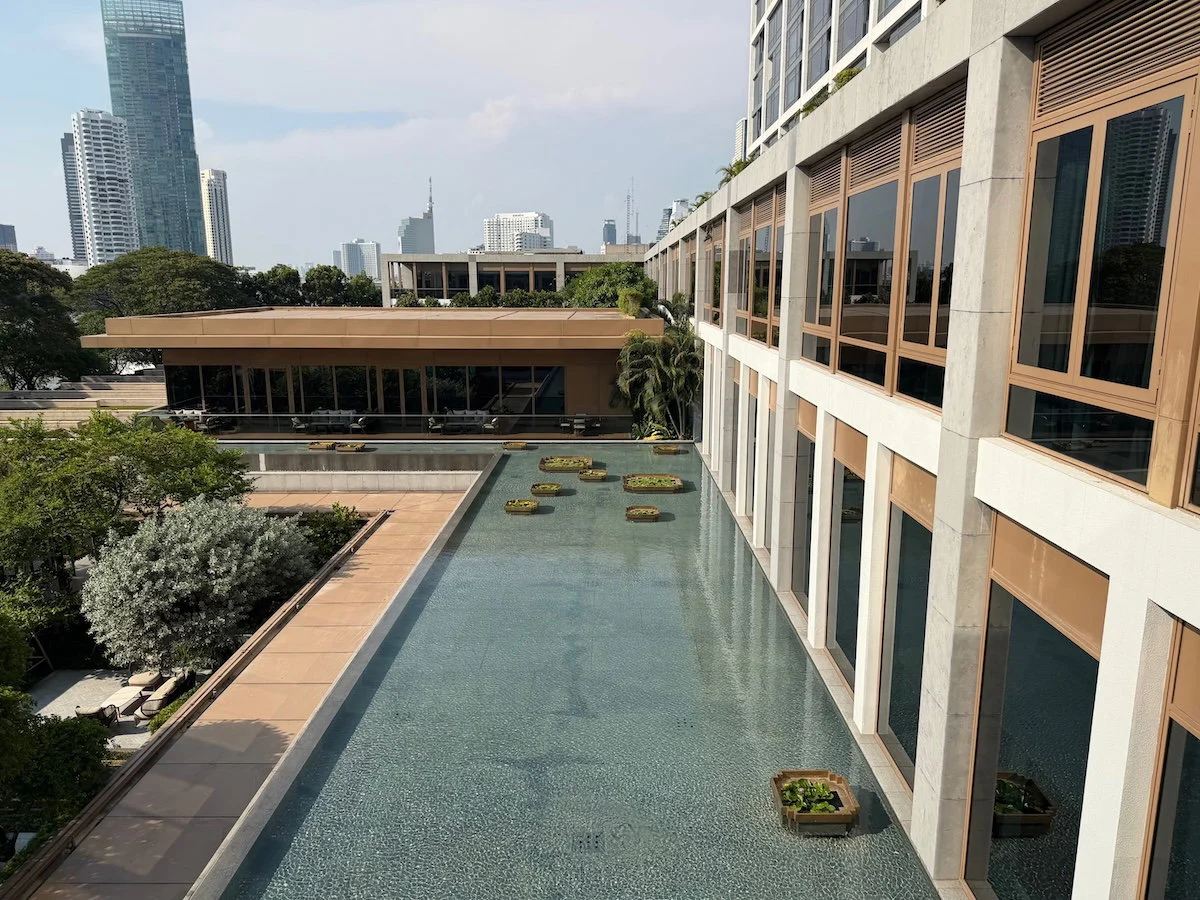










In a long-anticipated shift for the global hospitality landscape, the iconic Ritz-Carlton, Millenia Singapore has announced it will officially join the Marriott Bonvoy loyalty program effective December 1, 2026. For years, the 608-room property has stood as a singular outlier—the only Ritz-Carlton hotel worldwide to operate outside the reach of the Marriott Bonvoy ecosystem.
For travelers who prioritize point accrual and elite status benefits, this move represents the closing of a decades-long chapter of isolation. As of the first of December, guests will finally be able to earn and redeem Marriott Bonvoy points for stays at this prestigious Marina Bay landmark, marking the end of the hotel’s status as a "loyalty island."
A Legacy of Independence: The Historical Context
To understand the significance of this transition, one must look back to the mid-1990s. When the Ritz-Carlton, Millenia Singapore opened its doors in 1996, the concept of a unified global hotel loyalty program was in its infancy. At the time, The Ritz-Carlton operated with a high degree of autonomy, maintaining a culture of luxury that prioritized local prestige over corporate integration.
In 2010, when The Ritz-Carlton began integrating with the broader Marriott rewards ecosystem—first through The Ritz-Carlton Rewards and later through the massive merger that created Marriott Bonvoy—participation was, for a time, optional for existing properties. While the vast majority of the portfolio saw the immediate value proposition in terms of increased occupancy, higher average daily rates (ADR), and access to a massive database of high-net-worth travelers, a select few opted out.
The Ritz-Carlton, Osaka and the Ritz-Carlton, Millenia Singapore were the primary holdouts. Over the years, the Osaka property eventually capitulated, realizing that the competitive advantages of the Bonvoy program outweighed the costs of participation. The Singapore property, however, remained steadfast in its independence, citing its legacy contract and a unique market position that allowed it to thrive without the need for a corporate loyalty engine.
The Competitive Realities of the Singapore Market
The hospitality landscape in Singapore has transformed radically since 1996. The city-state has evolved into one of the most competitive luxury hotel markets in the world. With a surge of new, ultra-luxury inventory—including properties from Capella, Raffles, and various modern boutique concepts—the "prestige" of being an independent operator has been challenged by the sheer operational efficiency of global loyalty programs.
Industry analysts suggest that the ownership group’s decision to finally integrate is a pragmatic response to these market pressures. Operating a 608-room hotel requires constant, high-volume demand. In an era where digital travel booking is dominated by loyalty-driven platforms, the "walled garden" approach can eventually lead to diminishing returns. By joining Bonvoy, the hotel gains instant access to millions of active members, particularly those who gravitate toward premium redemptions.

Furthermore, the hotel is undoubtedly looking toward the future. While the property remains a favorite among luxury travelers for its iconic views of Marina Bay and its world-class art collection, the physical infrastructure requires consistent investment. Integration with the Bonvoy network provides a more robust revenue stream, which can support the capital expenditure required to keep the property at the top of the competitive heap.
Implications for Marriott Bonvoy Members
For the average Bonvoy member, the inclusion of the Ritz-Carlton, Millenia Singapore is a net positive, though one tempered by the realities of how the Ritz-Carlton brand interacts with the program.
Earning and Redeeming
Starting December 2026, the hotel will be categorized within the Marriott Bonvoy points system. This means that travelers can use their hard-earned points to secure stays in one of the world’s most desirable cities. Given the high demand for Singapore as a business and leisure hub, this addition will likely become one of the most popular "aspirational" redemptions in the region.
Elite Status and Benefits
It is vital, however, to manage expectations regarding elite perks. Unlike the Marriott or Sheraton brands, The Ritz-Carlton has historically maintained a more restrictive approach to elite benefits. Under current policy, Marriott Bonvoy Platinum, Titanium, and Ambassador members should not expect complimentary breakfast as an elite perk at this property.
While members will be eligible for room upgrades based on availability and other minor property-specific amenities, the "Ritz-Carlton experience" is designed to remain exclusive. The program integration is primarily an earn-and-burn vehicle, rather than a pathway to free daily breakfast or lounge access.
Why Now? The Strategic Shift
The timing of this announcement suggests a calculated transition. By selecting December 2026 as the launch date, the ownership has allowed themselves a full year to align their internal reservation systems with Marriott’s global infrastructure.
The move likely signals a shift in the hotel’s long-term asset management strategy. In the modern era, data is the most valuable commodity in the hospitality sector. By joining the Bonvoy network, the hotel will finally have full visibility into the loyalty profiles of its guests, allowing for more personalized service—a core tenet of the Ritz-Carlton brand.
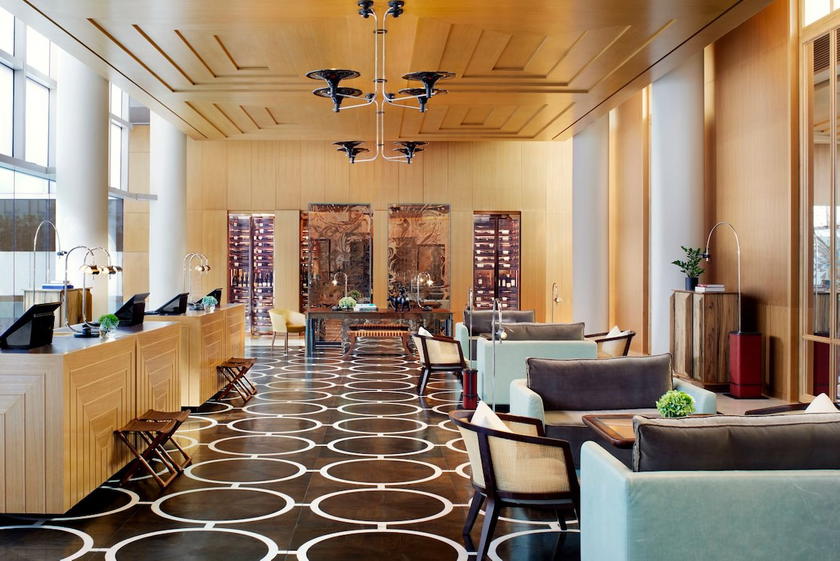
For the ownership group, the transition also solves the issue of guest dissatisfaction. For years, the hotel’s staff has had to navigate the awkward conversations with guests who arrived expecting to earn points or use their free night certificates, only to find the property was non-participating. Eliminating this friction point will undoubtedly improve the guest experience and staff morale alike.
The Future of Independent Luxury
The Ritz-Carlton, Millenia Singapore’s decision serves as a case study for the broader luxury hotel industry. As the world becomes more interconnected, the value of independent status is increasingly eclipsed by the reach of global marketing and loyalty platforms.
Will this move trigger a new trend of formerly independent properties seeking shelter under larger flags? Many industry observers think so. As the cost of digital customer acquisition rises, the "loyalty tax" paid to a group like Marriott becomes a justifiable expense.
For the Ritz-Carlton brand itself, having 100% of its properties participating in the Bonvoy program provides a cohesive brand promise. A traveler should be able to rely on the same rewards experience whether they are in Tokyo, Paris, or Singapore. By closing this final gap, Marriott is effectively standardizing the luxury experience for its most frequent travelers.
Closing Thoughts
The transition of the Ritz-Carlton, Millenia Singapore into the Marriott Bonvoy fold is more than just a logistical update; it is a milestone in the consolidation of the global hotel industry. While the hotel will continue to offer the same level of service, views, and aesthetic that made it a legend, its integration into the world’s largest loyalty program will make it significantly more accessible to the modern, points-conscious traveler.
As we look toward December 2026, the conversation will likely shift from "why did they wait so long?" to "what will the redemption rates look like?" Regardless of the specific point costs, the addition of this property to the Bonvoy portfolio is a victory for loyalists and a necessary evolution for a property that seeks to remain at the center of the Singaporean hospitality scene for the next generation.
For now, the countdown begins. Travelers who have been holding onto their Marriott points for a trip to the Lion City finally have their destination in sight. The era of the lone holdout is ending, and the era of the fully integrated, globally connected Ritz-Carlton, Millenia Singapore is about to begin.