









For the average consumer, the plastic or metal card pulled from a wallet at the point of sale is often viewed simply as a "credit card." However, the financial architecture beneath these tools is far from uniform. Understanding the fundamental distinction between a credit card and a charge card is not merely an academic exercise; it is a critical component of personal financial literacy that can dictate one’s long-term credit health and purchasing power.
While both instruments allow for the deferral of payment, their mechanisms for repayment, interest accrual, and credit reporting differ significantly. As the financial landscape evolves, recognizing these nuances has become essential for anyone looking to optimize their spending and protect their credit standing.
Main Facts: The Structural Divide
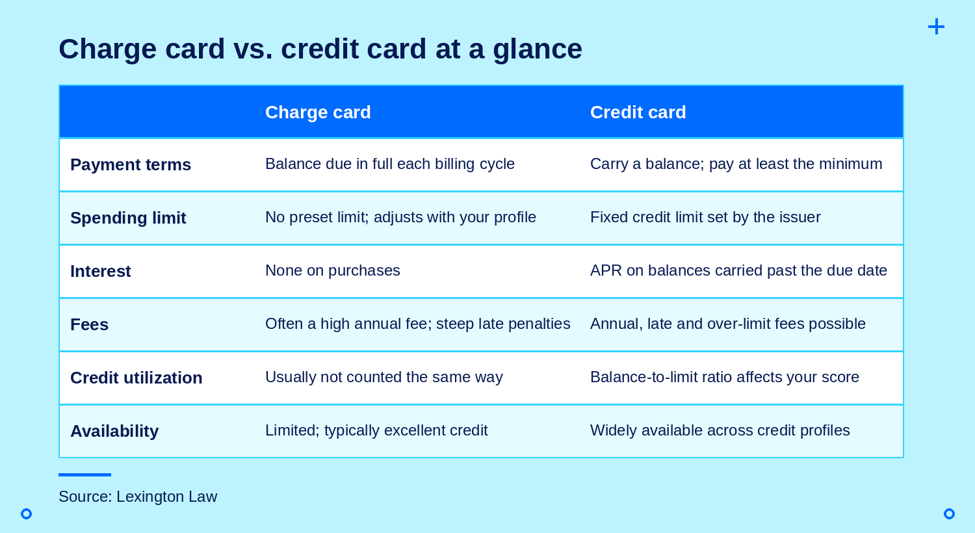
The primary difference between a charge card and a credit card lies in the concept of revolving credit.
A credit card functions as a revolving line of credit. The issuer grants you a fixed spending limit—a ceiling on your purchasing power. Each month, you have the option to pay the full balance or carry a portion of it into the next billing cycle. If you carry a balance, the issuer charges interest, often at a high annual percentage rate (APR).

A charge card, by contrast, is a non-revolving account. By design, it requires the cardholder to pay the entire outstanding balance in full by the end of each billing cycle. Because the debt is settled monthly, charge cards generally do not charge interest. In exchange for this strict repayment discipline, charge cards often offer "no preset spending limit," allowing for greater flexibility, though this is not to be confused with "unlimited" spending; the issuer still assesses individual spending capacity based on credit history and income.
Chronology and Evolution of Payment Tools
The evolution of these cards reflects the changing nature of American commerce.
- The Mid-20th Century: The precursor to modern payment systems was the "Charge Plate," but the real revolution began in 1950 with the introduction of the Diners Club card. Initially, this was a pure charge card designed for convenience in restaurants and travel, meant to be paid off immediately.
- The Rise of Revolving Credit: As banks began to see the profit potential in interest-bearing debt, the modern credit card emerged. The BankAmericard (the ancestor of Visa) and Master Charge (the ancestor of Mastercard) standardized the revolving credit model, making it the dominant form of consumer borrowing.
- The Modern Divergence: Today, charge cards have become a niche product, largely dominated by premium issuers like American Express. Meanwhile, the credit card market has expanded into a vast ecosystem of rewards, secured cards, and low-interest options, catering to virtually every credit profile.
Supporting Data and Financial Metrics
The distinction between these two instruments is not just theoretical; it manifests in real-world financial data.
Interest Rates and Costs
According to the Federal Reserve, the average interest rate on credit card accounts assessed with interest reached approximately 21.5% in early 2026. For a consumer carrying a $5,000 balance, the difference between a credit card and a charge card is stark: on a credit card, you could pay hundreds of dollars in interest annually. On a charge card, the "cost" is shifted to the annual fee, which can range from $250 to over $700 for premium travel cards, as opposed to the many no-annual-fee credit card options available.

Credit Utilization Ratios
One of the most complex aspects of credit scoring is the "utilization ratio"—the percentage of your total available credit that you are currently using.
- Credit Cards: Because they have fixed limits, your balance is always measured against that limit. A high balance on a $5,000 limit card will lower your score quickly.
- Charge Cards: Because they lack a "preset" limit, they are often excluded from standard utilization calculations in models like FICO. This makes them a powerful tool for those with high monthly expenses who want to avoid the "utilization penalty" on their credit report.
Official Perspectives and Regulatory Stance
Regulatory bodies and financial institutions emphasize that neither card is "better" in a vacuum; they are designed for different financial behaviors.
Financial institutions, such as American Express, frame the charge card as a "lifestyle and productivity" tool. By forcing a full monthly payment, these issuers essentially ensure that the user does not fall into a debt trap. From an issuer’s perspective, the risk is managed not through interest income, but through the annual fee and the requirement for a higher credit score at the time of application.
Conversely, consumer advocacy groups note that credit cards provide a necessary "safety valve." The ability to pay a minimum balance during a period of financial hardship is a feature that many consumers rely on. Regulators, including the Consumer Financial Protection Bureau (CFPB), keep a close watch on both, ensuring that the "pay-over-time" features now appearing on some charge cards are clearly disclosed so consumers do not mistake them for traditional, interest-free charge models.

Implications for the Consumer
Choosing between a charge card and a credit card has profound implications for your financial trajectory.
When to Opt for a Charge Card
- High-Volume Spending: If you are a business owner or a frequent traveler who spends thousands of dollars monthly and can easily pay it off, the lack of a fixed limit and the superior reward programs of charge cards are highly advantageous.
- Discipline: If you have a tendency to "over-borrow" and want a structural mechanism that prevents you from rolling over debt, the charge card acts as a forced savings and payment vehicle.
- Credit Score Management: For those with very high credit, using a charge card for major expenses can keep your revolving credit utilization low, potentially keeping your credit score higher.
When to Opt for a Credit Card
- Flexibility: Life is unpredictable. If you have an unexpected medical bill or emergency, the ability to carry a balance—even if it incurs interest—is a vital safety net.
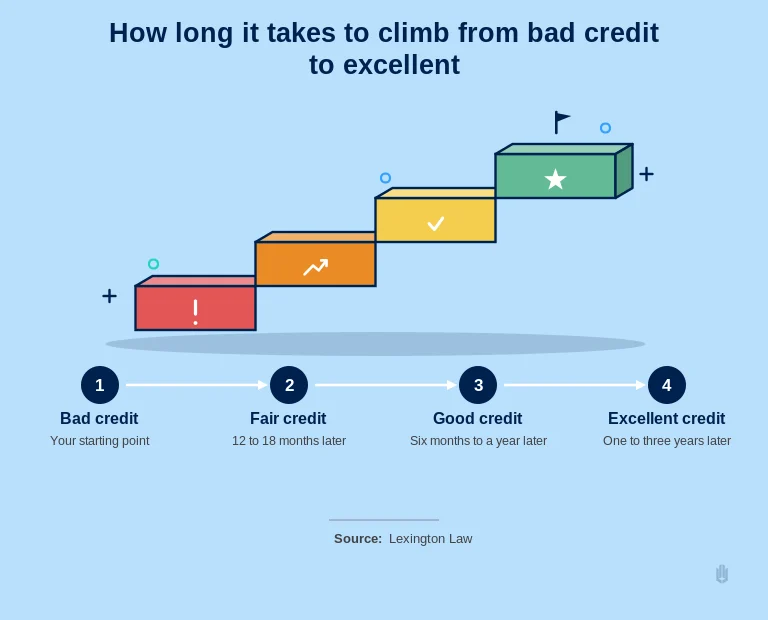
- Building Credit: If you are just starting your financial journey or working to repair your score, traditional or secured credit cards are the only viable path. Charge cards are generally inaccessible to those with fair or poor credit.
- Budgeting for Interest: If you prefer to pay a low, predictable fee (or no fee at all) rather than a high annual premium, the credit card market offers more entry-level options.
Conclusion: The Importance of Informed Choices
Whether you utilize a credit card or a charge card, the ultimate determinant of success is your payment history. Both types of accounts report to the three major credit bureaus (Equifax, Experian, and TransUnion). A missed payment on either will have a negative, long-term impact on your creditworthiness.
As you evaluate your options, consider your current cash flow and your long-term goals. If you are a disciplined spender looking for premium perks, the charge card may be your best companion. If you value flexibility and are still building your financial foundation, the credit card remains the standard for a reason.
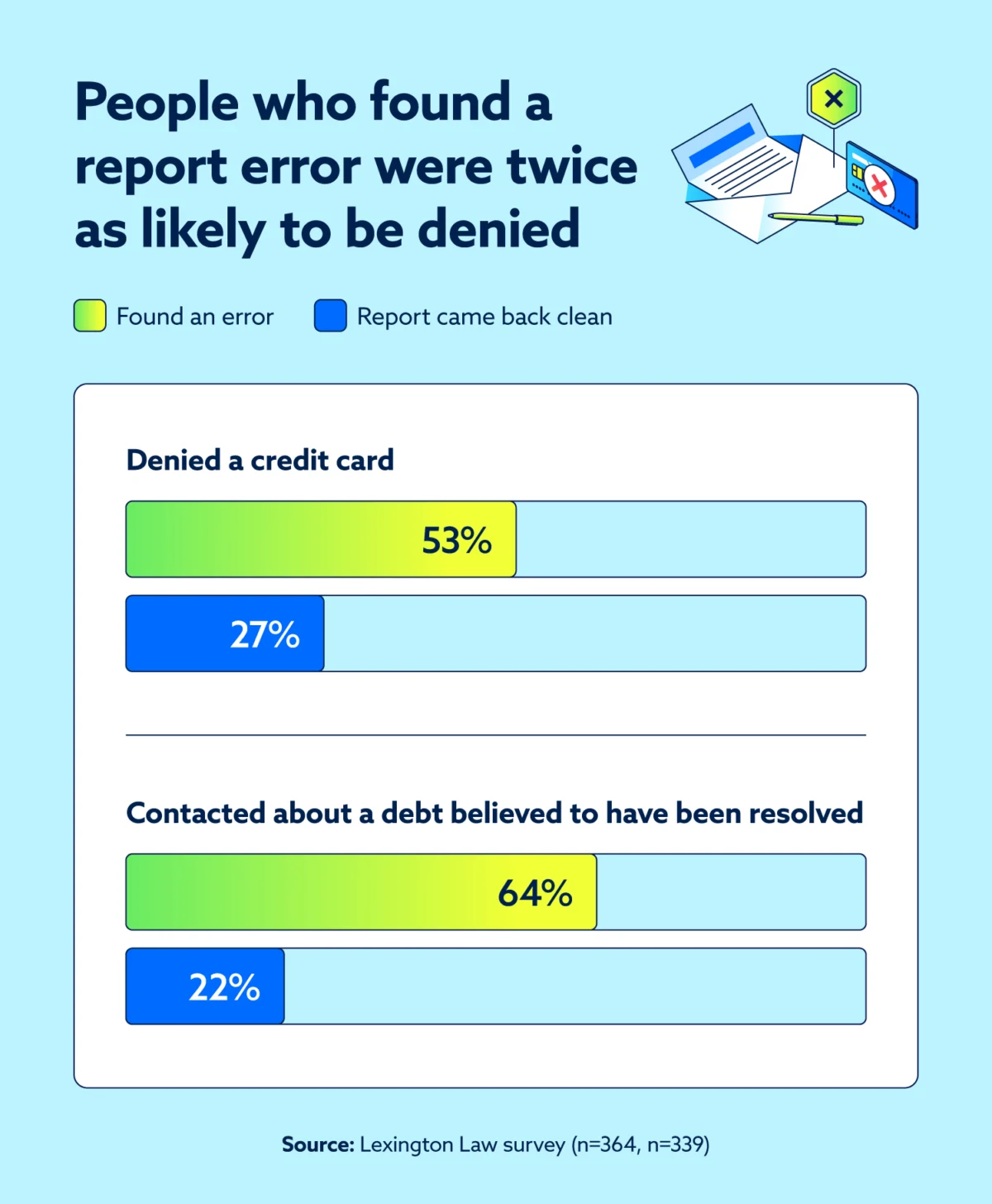
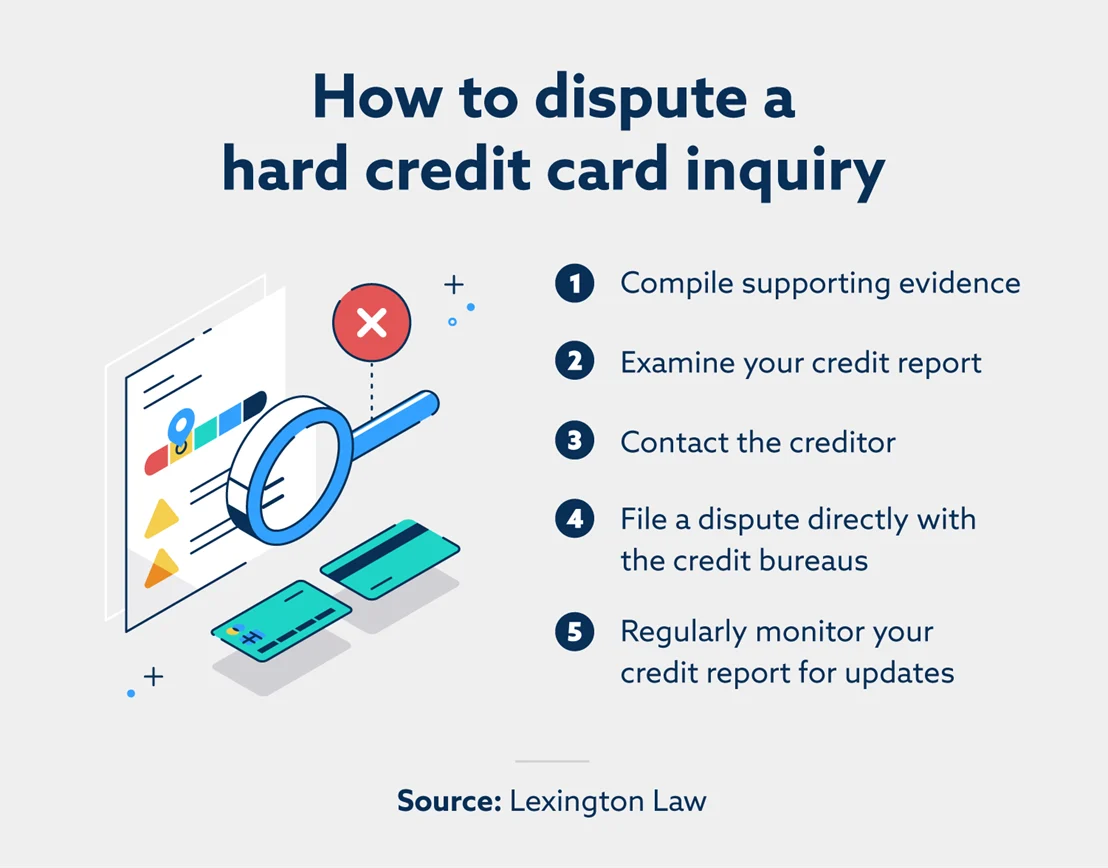
Regardless of your choice, remain vigilant. Regularly reviewing your credit reports is essential to ensure that no errors—such as a closed charge card incorrectly reporting a balance or a credit limit being misstated—are damaging your profile. In an era where your credit score serves as your financial reputation, knowledge is your most valuable asset.
Disclaimer: The information provided in this article is for educational purposes only and does not constitute professional legal, financial, or credit advice. Always consult with a qualified professional before making significant financial decisions. Lexingon Law Firm provides advocacy services for credit report repair and does not offer financial or investment planning services.