








Executive Summary: A Long-Awaited Transformation
For frequent flyers navigating the American Airlines network, few hubs have felt as overdue for a facility upgrade as Charlotte Douglas International Airport (CLT). As American’s second-largest hub, CLT serves as a critical artery for the airline’s domestic and international operations. However, the passenger experience—specifically regarding premium lounge access—has long been criticized for overcrowding and outdated infrastructure.
That narrative is finally shifting. Following an initial announcement in August 2025 regarding a multi-lounge investment, American Airlines has confirmed further details that promise to redefine the airport’s premium footprint. Most notably, the airline revealed that the new Admirals Club slated for Charlotte will be the largest in its entire global network, spanning approximately 40,000 square feet. This development, coupled with the introduction of the airport’s first-ever Flagship Lounge, marks a significant pivot in American’s strategy to elevate its ground experience for premium travelers.
A Chronology of the CLT Lounge Evolution
The journey toward a modernized lounge experience in Charlotte has been incremental, punctuated by both necessity and strategic planning.
- Pre-2025: The Status Quo: For years, Charlotte’s primary Admirals Club has been plagued by capacity issues. As a high-traffic hub, the existing facilities frequently reached maximum occupancy, leading to long wait times and a diminished value proposition for members.
- May 2025: Interim Relief: Recognizing the immediate need for relief, American introduced "Provisions by Admirals Club," a grab-and-go concept designed to alleviate pressure on traditional lounges by offering efficient dining options for travelers on the move.
- August 2025: The Strategic Commitment: American officially announced its intent to overhaul the Charlotte lounge landscape, confirming that both an Admirals Club and a Flagship Lounge were in the pipeline.
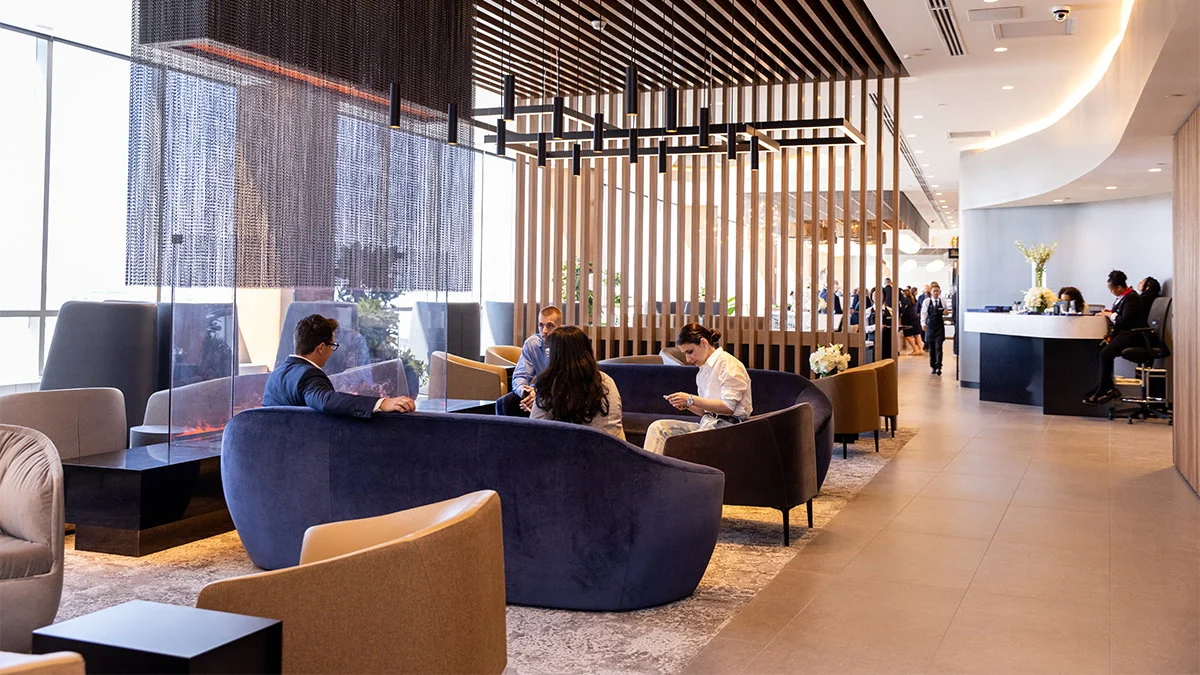
- October 2026: Setting the Record: In the most recent update, American solidified its vision, confirming that the new Admirals Club would be the largest in its portfolio. The airline also released the first architectural renderings, offering a glimpse into the design language that will define the new space.
Architectural Vision: Blending Southern Charm with Modern Sophistication
The design philosophy behind the new Admirals Club is a departure from the sterile, corporate aesthetic of previous lounge iterations. According to official briefings from American Airlines, the design team has looked inward to the unique cultural and environmental markers of North Carolina.
The upcoming lounge will incorporate:

- Local Influences: The space is designed to reflect the “tree canopy” characteristic of Charlotte, often referred to as the “City of Trees.” This naturalistic approach will be paired with elements that pay homage to the region’s rich textile heritage.
- Zonal Functionality: Recognizing that travelers have varying needs—ranging from deep-focus work to pre-flight relaxation—the lounge will feature distinct zones. These include spa-style shower suites for international travelers or those with long layovers, quiet work areas, and social zones featuring sophisticated bar and servery setups.
- Design Continuity: The Charlotte project follows the blueprint established by American’s recent successes in Philadelphia (PHL), where the airline introduced a modern, high-end Flagship Lounge and Admirals Club that set a new standard for the carrier’s lounge design.
The Infrastructure Puzzle: Where Will the New Lounges Go?
While the promise of 40,000 square feet of lounge space is a major win for travelers, it raises questions about the logistics of the airport’s layout. Industry observers and aviation analysts, including JonNYC, have previously pointed to the mezzanine level near the Concourse D/E connector as the intended site for the new development.
The current footprint of the existing primary Admirals Club is expected to be reclaimed by the airport for other purposes, necessitating a complete replacement. However, if the entire 40,000-square-foot allocation is dedicated to the new, record-breaking Admirals Club, the specific location of the Flagship Lounge remains an intriguing variable.
Industry experts speculate that one of two scenarios may play out:
- Adjacent Development: The Flagship Lounge may be integrated into a different section of the terminal, potentially repurposing existing structural space to provide the premium, quiet environment expected of the Flagship brand.
- Strategic Reconfiguration: The existing Admirals Club footprint might eventually be converted into the Flagship Lounge once the new, larger Admirals Club is operational, allowing for a phased transition that minimizes disruption to current members.
Supporting Data and Competitive Context
To understand the significance of this expansion, one must look at the competitive landscape of US airline lounges. In recent years, Delta Air Lines and United Airlines have set high bars with their Sky Clubs and Polaris Lounges, respectively. American Airlines’ move in Charlotte is not merely an upgrade; it is a defensive and offensive necessity to remain relevant to high-value customers.
- Size Matters: By creating a 40,000-square-foot facility, American is signaling that it is no longer willing to lose the "lounge arms race" at its major hubs.
- Regional Dominance: Charlotte is one of the busiest airports in the world. By expanding its premium footprint here, American ensures that its most loyal frequent flyers—who often find themselves connecting through CLT—are incentivized to remain within the American ecosystem rather than seeking alternatives.
- System-Wide Consistency: With similar projects confirmed for Miami (MIA) and completed in Philadelphia (PHL), American is standardizing the "premium experience." This consistency is vital for building brand loyalty among business travelers who expect a specific level of service regardless of their departure city.
Implications for the Frequent Flyer
The implications for the average American Airlines passenger are significant but require a degree of patience.

The Short-Term Reality:
For the next 18 to 24 months, Charlotte will likely remain a challenging environment for lounge access. As construction begins on the new Admirals Club later this year, the current, already-crowded facilities will have to absorb the existing passenger demand. The "Provisions by Admirals Club" concept will continue to play a critical role in mitigating the impact of this transition.
The Long-Term Outlook:
Once the project is completed—likely in 2028 or beyond—Charlotte will arguably house the flagship of American’s domestic lounge network. The introduction of a dedicated Flagship Lounge is particularly noteworthy, as these facilities are traditionally reserved for international premium cabin passengers and top-tier status members, providing a significantly more elevated experience than the standard Admirals Club.
Conclusion: A Turning Point for Charlotte
American Airlines’ commitment to Charlotte is a welcome development for a hub that has long deserved a premium overhaul. While the lack of a firm, public-facing timeline for the Flagship Lounge component of the project leaves room for speculation, the confirmed progress on the massive Admirals Club is a clear indicator that the airline is listening to its customers.
The transformation of Charlotte Douglas from an airport with "outdated and crowded" lounges to a home for the largest, most modern Admirals Club in the system is a massive undertaking. It represents a long-term investment in the customer experience that will ultimately pay dividends in brand loyalty. As the airline moves from the planning phase to the reality of construction, the travel community will be watching closely to see if the final product matches the ambitious vision presented in the recent renderings.
For now, the message to the American Airlines flyer is one of cautious optimism: better days—and more comfortable gate-side experiences—are on the horizon for those traveling through the Queen City.