








Executive Summary: A Regulatory Flashpoint
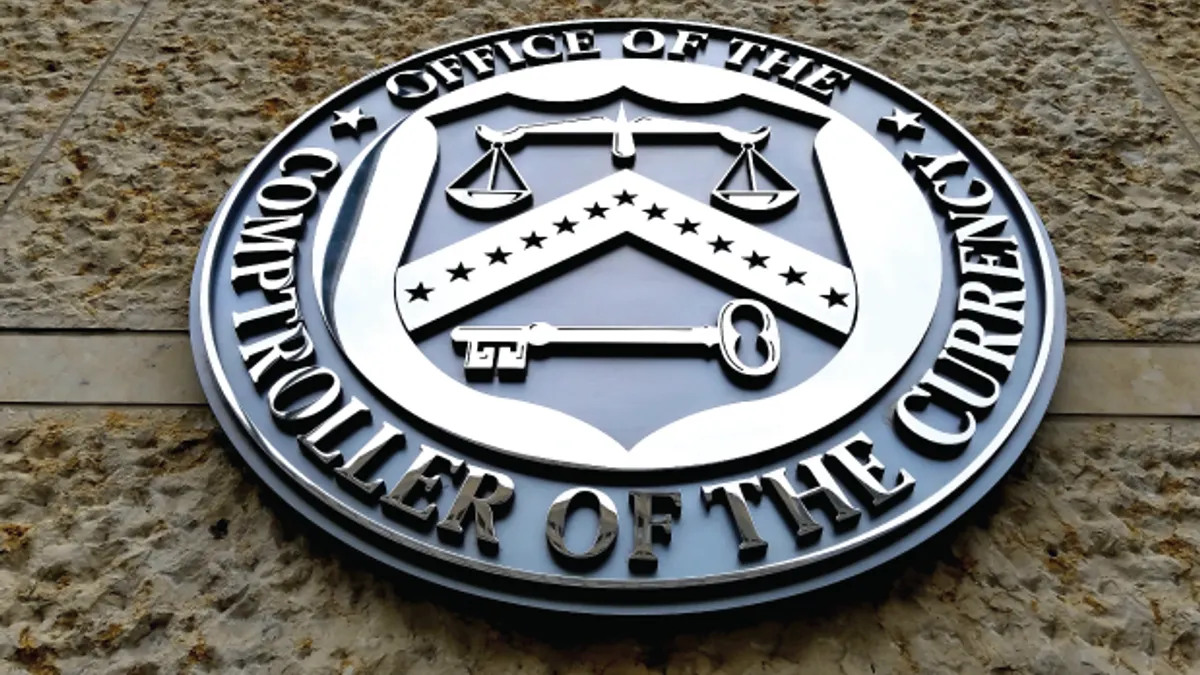
The Independent Community Bankers of America (ICBA) has launched a significant legal offensive against the Office of the Comptroller of the Currency (OCC), challenging the agency’s recent surge in approvals for national trust bank charters. At the heart of the dispute is the federal regulator’s increasingly permissive stance toward cryptocurrency and digital asset firms, which the ICBA argues is creating a "side door" into the U.S. banking system.
As the Trump administration doubles down on its pledge to establish the United States as the "crypto capital of the world," the OCC has emerged as a primary engine of this policy shift. By granting 21 national trust bank charters—13 of which are held by crypto-native entities—the agency has ignited a fierce debate over regulatory parity, systemic risk, and the definition of a traditional financial institution.
The Chronology of a Regulatory Pivot
The current tension did not materialize overnight; it is the culmination of years of shifting regulatory philosophy and political pressure.
The First Trump Administration Foundations
The groundwork for the current controversy was laid during the first Trump administration. In 2021, current OCC officials—including key figures like Gould—issued interpretive letters that provided the legal framework for non-depository, non-fiduciary institutions to gain access to national charters. These rules essentially lowered the barrier to entry for firms that operate outside the traditional banking mold.
The Biden-Era Interlude
During the Biden administration, the OCC maintained a more cautious approach, implementing guidance that sought to keep crypto firms at arm’s length from the core banking system. However, this pause was brief.
The Second Trump Term: A Rapid Acceleration
Within two months of President Donald Trump’s inauguration for his second term, the regulatory environment shifted dramatically. The OCC rescinded Biden-era guidance that had restricted crypto firms, signaling a "pro-innovation" stance that aligned with the White House’s broader economic platform. According to the ICBA’s lawsuit, the OCC acted with unprecedented speed to facilitate the integration of digital asset companies, effectively rolling out the red carpet for firms that traditional banks argue are fundamentally unsuited for the federal banking umbrella.
Supporting Data: The Cost of Competition
The ICBA’s lawsuit provides granular detail on why traditional community banks feel they are being pushed to the brink.
Regulatory Arbitrage and Financial Burden
For a community bank with less than $2.5 billion in assets, the cost of regulatory compliance is a significant line item. ICBA cites members spending approximately $1.5 million annually on compliance-related activities. These costs are not optional; they are mandated by the Federal Deposit Insurance Corp. (FDIC) and the Community Reinvestment Act (CRA).
In contrast, national trust banks—often operating as lean, tech-focused crypto entities—frequently bypass these requirements. This creates a state of regulatory arbitrage where firms providing "bank-like" services are exempt from the safety-and-soundness protections that define the traditional banking sector.
Economic Impact on Local Institutions
The lawsuit alleges direct financial harm. Small community banks, which serve as the lifeblood of local economies, have reported losing hundreds of thousands of dollars in business in the current year alone. This "deposit flight" is attributed to customers migrating toward crypto-native entities that offer high-yield products or novel digital services that traditional institutions are either restricted from offering or hindered from competing with due to their heavy regulatory burden.
Official Responses: A Clash of Philosophies
The ICBA’s Stance: Protecting the Level Playing Field
Rebeca Romero Rainey, President and CEO of the ICBA, has been vocal about the systemic dangers of the OCC’s current trajectory. "Congress did not create the national trust charter as a side door into the banking system," she stated. The ICBA’s position is clear: any entity seeking the privileges and prestige of a federal bank charter must adhere to the same rigorous standards of accountability, fiduciary duty, and public reinvestment as the community banks that have served the nation for decades.
The OCC’s Defense: Embracing Evolution
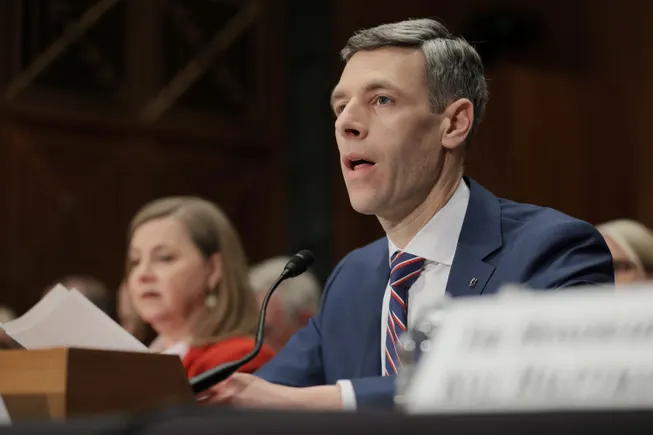
On the other side of the courtroom, OCC officials, led by figures like Gould, have defended their actions by framing them as a necessary adaptation to a changing financial landscape. Gould, a former chief legal officer at the blockchain firm Bitfury, has consistently argued that the OCC’s mandate is to ensure the safety and soundness of the banking system while allowing for innovation.
Gould’s defense centers on the idea of "reasonable risk." He has famously stated, "We don’t have a zero-risk tolerance anymore." He argues that the statute governing bank charters focuses on the "reasonable chance of success," and that the OCC is merely executing its duty to evaluate applicants based on modern market realities rather than legacy biases.
The Crypto Perspective: Innovation vs. Stagnation
The Crypto Council for Innovation (CCI) has weighed in heavily in favor of the OCC’s current path. CEO Ji Hun Kim characterized the ICBA’s legal action as an "attempt to resist… payments innovation and competition." From the perspective of the crypto industry, the lawsuit is viewed as a protectionist move designed to insulate legacy institutions from the inevitable march of technological progress.
Implications for the Financial System
The "Protego" Precedent
The lawsuit specifically highlights the case of Protego, a crypto firm that received conditional approval for a charter in February. The details surrounding Protego are particularly alarming to critics; the firm, which once counted the now-collapsed FTX exchange among its investors, has faced questions regarding its financial stability and capital structure. The fact that such a firm could receive a national charter has fueled arguments that the OCC’s current vetting process is insufficient to protect the broader financial system from the volatility of the crypto market.
Systemic Risk and Consumer Protection
The central fear is that if a national trust bank fails, the ripple effects could extend far beyond the crypto industry. If these firms are allowed to operate with "light" regulation, the lack of traditional deposit insurance and CRA-mandated reinvestment obligations could leave consumers exposed in ways the current system was designed to prevent.
Furthermore, the "antagonistic" relationship described by bank trade groups suggests a growing rift between the digital asset sector and traditional finance. If the OCC continues to push for integration without structural safeguards, the risk of a "contagion" effect—where a failure in the crypto-banking sphere impacts traditional retail banking—becomes significantly higher.
Legal and Political Prognosis
The ICBA’s lawsuit is more than a request for injunctive relief; it is a fundamental challenge to the scope of executive branch power. By questioning whether the OCC has the statutory authority to charter crypto firms that are neither "depository" nor "fiduciary," the ICBA is inviting the judiciary to define the boundaries of the federal banking system for the 21st century.
If the court rules in favor of the ICBA, the OCC may be forced to rescind or significantly tighten the conditions for these charters, potentially halting the rapid expansion of crypto-banking. Conversely, a win for the OCC would solidify the administration’s "crypto-first" agenda, effectively cementing the status of digital asset firms as permanent, state-sanctioned actors within the U.S. financial infrastructure.
Conclusion: A Turning Point
The dispute between the ICBA and the OCC represents a critical juncture for the American financial system. As the lines between traditional banking, fintech, and decentralized finance continue to blur, the struggle to define the "rules of the road" will only intensify. Whether the banking system evolves to encompass these new technologies under a unified regulatory framework, or remains a bifurcated system with competing tiers of compliance, remains the defining question of this administration’s economic policy. For now, the courtroom has become the arena where the future of American banking—and its relationship with the digital economy—will be decided.