







Published: October 6, 2026
By: Gabrielle Saulsbery
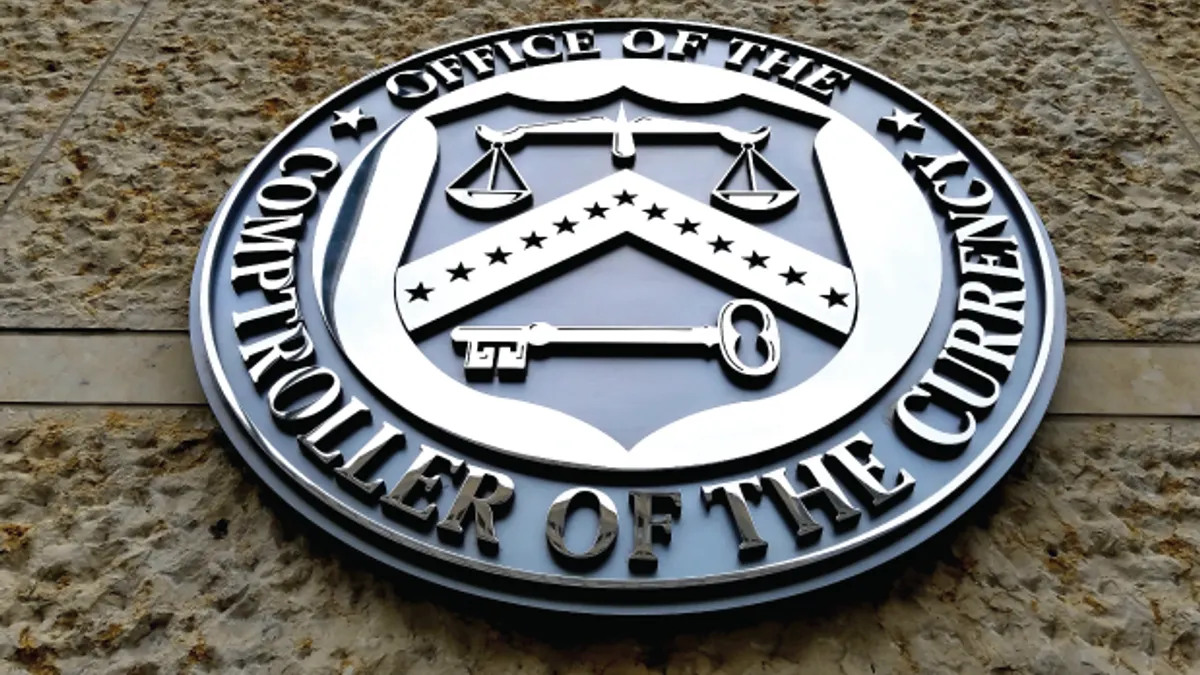
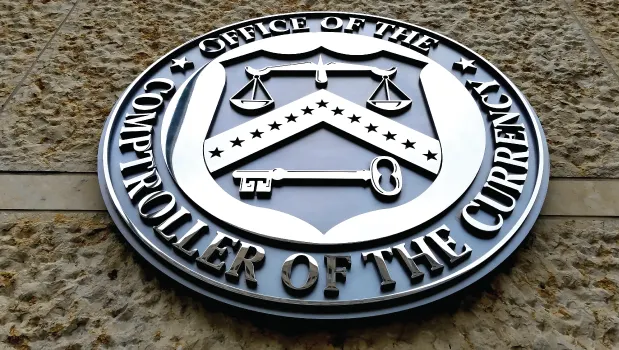
In a significant maneuver that signals a maturing landscape for digital finance, a new wave of fintech companies is seeking the mantle of federal regulation. On Monday, Modern Treasury and Rain—two prominent players in the payments and digital asset infrastructure space—formally filed applications with the Office of the Comptroller of the Currency (OCC) to establish national trust banks.
This move comes at a high-tension moment for the financial services industry, arriving just days after the Independent Community Bankers of America (ICBA) launched a legal challenge against the OCC. The lawsuit seeks to halt the agency’s recent pattern of granting trust charters to cryptocurrency-adjacent firms, setting the stage for a landmark battle over the future of the American banking system.
The Strategic Push for Federal Legitimacy
For firms like Modern Treasury and Rain, the quest for a national trust charter is not merely a bureaucratic checkbox; it is a strategic effort to gain the "gold standard" of financial oversight. By seeking a federal charter, these companies aim to provide their clients—ranging from enterprise-level businesses to stablecoin issuers—with a level of institutional security that state-level licenses struggle to convey.
Modern Treasury: Bridging Fiat and Digital
Modern Treasury, a company focused on payment operations, is proposing the "Modern Treasury National Trust Bank." According to CEO Matt Marcus, the goal is to provide a "unified custody solution" that bridges the gap between traditional fiat currency and digital assets. By integrating custody with their existing payment and settlement infrastructure, the firm intends to offer a seamless experience for corporations moving money globally.
Crucially, while Marcus emphasized in a LinkedIn post that stablecoins are becoming "foundational to global money movement," the proposed Modern Treasury entity will not issue its own tokens. Instead, it will focus on the secure custody and operational integrity of the assets it holds.
Rain: The Infrastructure Play
In contrast, Rain is positioning itself as a foundational pillar for the stablecoin economy. Rain intends to leverage its proposed national trust bank to issue stablecoins in alignment with the "Genius Act," a piece of legislation that has become a touchstone for the current digital asset regulatory debate. Beyond issuance, Rain plans to act as a fiduciary for other stablecoin issuers, holding and administering their reserves.
Rain CEO Farooq Malik stated that the move was driven by client demand. "The firms using Rain to build out their stablecoin infrastructure want the assets behind their programs held by a fiduciary that answers to a federal regulator," Malik said. By obtaining a federal charter, Rain aims to prove that digital asset programs can operate with the same rigor as traditional financial products.
Chronology: The Road to the Charter Rush
The current influx of applications is the culmination of several years of shifting regulatory philosophy at the OCC.
- 2020: The "charter rush" pre-cursor occurred when firms like Square Financial successfully navigated the industrial loan company (ILC) charter process, proving that non-bank fintechs could successfully integrate into the banking ecosystem.
- 2025: Following the start of President Donald Trump’s second term, the OCC under the leadership of Comptroller Gould signaled a new openness to de novo chartering. This created a "talent pipeline" and a regulatory environment that welcomed innovation.
- Early 2026: Fintechs and crypto-native companies began submitting dozens of applications for national trust charters, sensing that the regulatory tide had turned in their favor.
- October 2, 2026: The Independent Community Bankers of America (ICBA) filed a lawsuit against the OCC, challenging the legal standing and the risks associated with the recent surge in trust charter approvals.
- October 6, 2026: Modern Treasury and Rain officially filed their applications, testing the OCC’s resolve in the face of the mounting litigation.
The Regulatory Tug-of-War: The ICBA Lawsuit
The legal challenge filed by the ICBA on Friday represents a major escalation in the friction between traditional community banks and the burgeoning fintech sector. The trade group alleges that the OCC’s current policy "perversely allows entities engaged in highly risky cryptocurrency and digital assets activities to enter the banking system under lightly regulated national charters."

The Core Arguments
- Preemption of State Law: The lawsuit argues that the national trust bank designation allows these firms to bypass state-level regulatory requirements, effectively "forum shopping" for a more lenient federal regulator.
- Competitive Disadvantage: The ICBA contends that by allowing these companies to operate under a trust charter rather than a traditional, more stringently regulated commercial bank charter, the OCC is giving fintechs an unfair advantage, putting local community banks at risk.
- Risk Profile: The plaintiffs argue that the "lightly regulated" nature of these trusts is insufficient to manage the volatility inherent in the crypto and stablecoin markets.
The OCC, for its part, has maintained that its chartering process is robust and that it is fulfilling its mandate to foster a competitive and modern financial system. With 21 national trust bank charters approved or conditionally approved since the start of the current presidential term, the agency has clearly signaled its preference for modernizing the banking perimeter.
Implications: Building the Future of Fiduciary Duty
The applications from Modern Treasury and Rain suggest a shift toward "institutional-grade" operations. For many observers, this is a positive development that brings the "wild west" of crypto into a controlled, auditable environment.
The Focus on Reconciliation
One of the most vocal proponents of this shift is Rain’s team. Executives, including those who helped lead the successful ILC chartering efforts of the past, have emphasized that the primary function of a trust bank is not complex financial engineering, but fundamental record-keeping.
"A trust bank’s first job is simple: Know what you hold, know who you hold it for, and keep it safe," said one executive. This focus on "daily reconciliation, clear ownership, and strong controls" is the core value proposition they are presenting to federal examiners. By embedding this discipline into the chartering process from "day one," these firms hope to differentiate themselves from the speculative, less-regulated entities that have previously tarnished the reputation of the digital asset industry.
The Macro Outlook
If these applications are successful, it could trigger a new era of "Bank-as-a-Service" (BaaS) and "Infrastructure-as-a-Service" (IaaS) models where the bank charter is the foundation of a wider, tech-driven financial ecosystem. However, the outcome hinges on the pending court battle. Should the courts rule in favor of the ICBA, the "trust charter" model could be severely restricted, forcing fintechs to return to the more difficult and expensive path of applying for full-service national bank charters.

Conversely, if the OCC wins, the national trust bank may become the dominant regulatory vehicle for the next decade of financial innovation. For now, the industry watches the federal docket with bated breath, waiting to see if the bridge between the old guard of banking and the new wave of fintech will hold—or if the regulatory foundation is about to be pulled out from under them.
Conclusion: A Turning Point for Finance
The dual filings of Modern Treasury and Rain highlight a broader, irreversible trend: the convergence of technology and fiduciary responsibility. Whether through the lens of traditional community banking advocacy or the lens of modern digital infrastructure, the message is clear: the integration of crypto and fiat systems is no longer a fringe endeavor—it is the central challenge of the modern regulatory landscape.
As the OCC reviews these applications, they are not just evaluating two companies; they are evaluating the viability of a new, federally-sanctioned framework for the digital age. The results of these applications, and the outcome of the ongoing litigation, will define the competitive landscape for banks and fintechs for years to come.