








In a chilling reminder of the fragility of modern cloud infrastructure, the U.S. Department of Justice has unsealed a guilty plea that marks the end of one of the most prolific and disruptive cybercrime sprees of the decade. Connor Riley Moucka, a 26-year-old software engineer from Kitchener, Ontario, has admitted to orchestrating a massive campaign of digital extortion, hacking into the cloud environments of over 165 organizations and compromising the sensitive personal data of millions, including the call and text records of more than 100 million AT&T customers.
The case, which reads like a modern-day thriller, exposes the intersection of high-level technical skill, ruthless criminal ambition, and the vulnerability of global corporations to basic credential hygiene failures.
The Core Facts: A Systematic Campaign of Extortion
Between February and October 2024, Moucka—operating under various aliases including "Judische" and "Waifu"—spearheaded a sophisticated operation that exploited weaknesses in the cloud-hosted environments of a major U.S.-based software-as-a-service provider: Snowflake.
By leveraging stolen login credentials, Moucka and his co-conspirators gained unauthorized access to the accounts of Snowflake customers who had failed to enforce multi-factor authentication (MFA). Once inside, the group exfiltrated terabytes of data, including payroll records, banking information, Drug Enforcement Administration (DEA) registration numbers, and millions of social security numbers.
The modus operandi was simple yet devastating: once the data was in their possession, the hackers contacted the victimized companies—a list that includes corporate titans such as Ticketmaster, Lending Tree, Advance Auto Parts, and Neiman Marcus—demanding ransom payments to prevent the public disclosure of the stolen files. The Justice Department reports that the group successfully extorted over $2.5 million in payments.
A Chronology of the Breach
The trajectory of the Moucka investigation provides a window into the rapid evolution of modern cyber-threat groups.

- 2020–2023: Moucka begins his career in cybercrime, engaging in voice phishing and data breaches, gradually building a reputation in underground forums as a skilled, albeit reckless, actor.
- February 2024: The massive exploitation of Snowflake customer accounts begins in earnest.
- September 2024: KrebsOnSecurity publishes a pivotal investigation linking "Judische" to extremist groups that harass and extort minors, identifying the individual behind the moniker as a Canadian software engineer.
- October 2024: Canadian authorities, acting on a provisional warrant from the United States, arrest Moucka in Ontario.
- July 2025: Co-conspirator Cameron "Kiberphant0m" Wagenius pleads guilty to his role in the AT&T/Verizon data theft scheme.
- Present Day: Moucka enters a formal plea of guilty to four criminal counts: computer fraud, wire fraud, aggravated identity theft, and conspiracy. He is currently awaiting sentencing, scheduled for October 27.
Supporting Data: The Anatomy of the Network
The investigation revealed a tangled web of international actors. Moucka did not act alone; his network included individuals with diverse backgrounds and overlapping criminal interests.
The Role of Cameron "Kiberphant0m" Wagenius
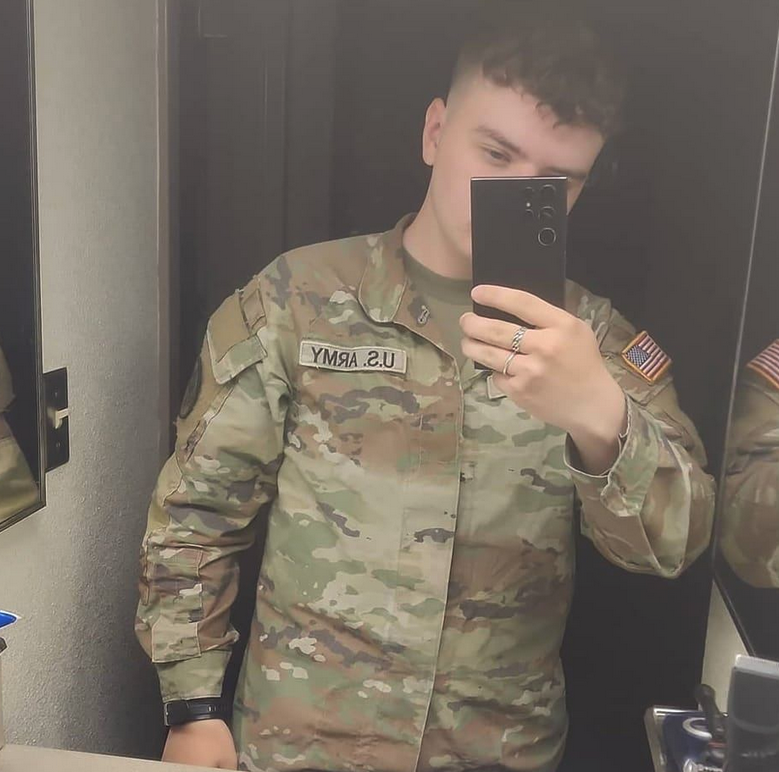
A U.S. Army soldier stationed in South Korea, Wagenius was a critical piece of the puzzle. His involvement centered on telecommunications infrastructure, specifically the breach of AT&T and Verizon. Beyond the financial motive, Wagenius demonstrated a penchant for high-stakes political drama; following the arrest of his associate, Moucka, Wagenius publicly posted alleged call logs of high-profile political figures, including then President-elect Donald Trump and then Vice President Kamala Harris, alongside documents purported to be from the National Security Agency (NSA).
The Elusive John Erin Binns
The third pillar of this syndicate, 26-year-old John Erin Binns (also known as "IRDev" or "IntelSecrets"), represents the complications of international cyber-justice. Binns, who had previously been indicted for his role in the massive 2021 T-Mobile breach that compromised 76 million records, fled the United States. Sources suggest Binns was recently held in a Turkish prison but has since been released and has resurfaced online. Having reportedly secured Turkish citizenship, Binns presents a significant challenge to U.S. extradition efforts, as Turkish law generally prohibits the extradition of its citizens.
Official Responses and Corporate Accountability
The scale of the data loss forced an immediate reckoning within the cloud computing industry. Snowflake, while not the initial target of the hackers’ malice, became the conduit for the breach. In response to the massive exfiltration, the company underwent a significant security overhaul, mandating higher password complexity and forcing the adoption of multi-factor authentication across its entire customer base.
The U.S. Justice Department has taken a stern stance, emphasizing the "re-extortion" tactics used by the group. In a particularly egregious example, Moucka targeted the family members of a former government official, using their stolen personal information to demand further payment. The DOJ’s indictment highlights this behavior as a prime example of the malicious nature of the conspirators, noting, "The conspirators did not just steal data; they weaponized the personal lives of their victims to exert maximum pressure."
Implications: The New Frontier of Cyber Warfare
The fall of the Moucka-Wagenius-Binns network carries profound implications for cybersecurity policy and individual privacy.
1. The Myth of the "Secure" Cloud
The breach proved that even enterprise-grade cloud providers are only as secure as the weakest link in their customer configuration. When organizations opt out of MFA or rely on legacy password systems, they effectively hand the keys to their kingdom to opportunistic actors. The Snowflake incident serves as a definitive case study for why MFA must be a non-negotiable standard in modern IT infrastructure.
2. The Danger of Insider Threats
The involvement of a U.S. Army soldier, Cameron Wagenius, underscores the rising threat of the "insider-as-adversary." When individuals with security clearances or access to sensitive military-grade systems engage in cyber-extortion, the implications extend far beyond commercial data loss into the realm of national security.
3. Geopolitical Challenges to Prosecution
The case of John Erin Binns illustrates the "safe haven" problem in international cybercrime. As hackers increasingly seek citizenship in countries with limited or no extradition treaties with the United States, traditional law enforcement tools are becoming less effective. This shift necessitates a move toward more robust international cooperation and, perhaps, more aggressive diplomatic pressure on nations that provide sanctuary to digital fugitives.
4. The Weaponization of Personal Data
Perhaps the most lasting implication is the shift in how stolen data is utilized. It is no longer enough to steal and sell data on the dark web; the current generation of threat actors has mastered the art of the "double-tap"—extorting the company for the breach and then re-extorting individuals within the company or government to maximize psychological and financial leverage.
Conclusion
As Connor Riley Moucka prepares for his sentencing on October 27, the cybersecurity community is left to pick up the pieces. Moucka faces a mandatory minimum of two years for identity theft, with a potential maximum of 30 years for the remaining counts. While his incarceration will effectively neutralize one of the most consequential actors of 2024, the structural vulnerabilities he exploited remain a reality for businesses globally.
The lesson is clear: in an era where data is the most valuable commodity, the perimeter is porous, and the actors are becoming increasingly sophisticated. The downfall of the "Judische" network is a victory for law enforcement, but it is also a stark warning that the digital siege is far from over.