








The retail landscape is undergoing a structural evolution. As consumer expectations shift toward hyper-personalized experiences and seamless omnichannel interactions, front-line sales associates and independent retailers face the dual challenge of mastering timeless interpersonal dynamics while integrating modern digital tools. Success on the modern sales floor no longer relies on high-pressure closing tactics; instead, it is built on active engagement, psychological awareness, data-backed personalization, and continuous skill development.
This comprehensive guide breaks down the core pillars of contemporary retail excellence—ranging from nonverbal communication cues and strategic product bundling to cutting-edge retail technology and proactive relationship management.

Main Facts: The Pillars of Modern Retail Performance
At the core of high-converting retail operations is a shift from transactional selling to consultative relationship-building. Industry data and frontline observations highlight several non-negotiable fundamentals:
- The Power of the First Impression: A warm, friendly greeting accompanied by a genuine smile sets a positive psychological tone, immediately making shoppers feel valued rather than targeted.
- Nonverbal Dominance: Up to 55% of human communication is nonverbal. Sales associates who are trained to read posture, eye contact, and body orientation can adapt their approach in real-time.
- Open-Ended Discovery: Moving away from closed questions like "Can I help you?" toward open-ended inquiries ("What are you looking for today?") uncovers genuine customer pain points and preferences.
- The ROI of Consistency: Following up after a purchase transforms a one-time transaction into a loyal, repeat customer, substantially lowering customer acquisition costs.
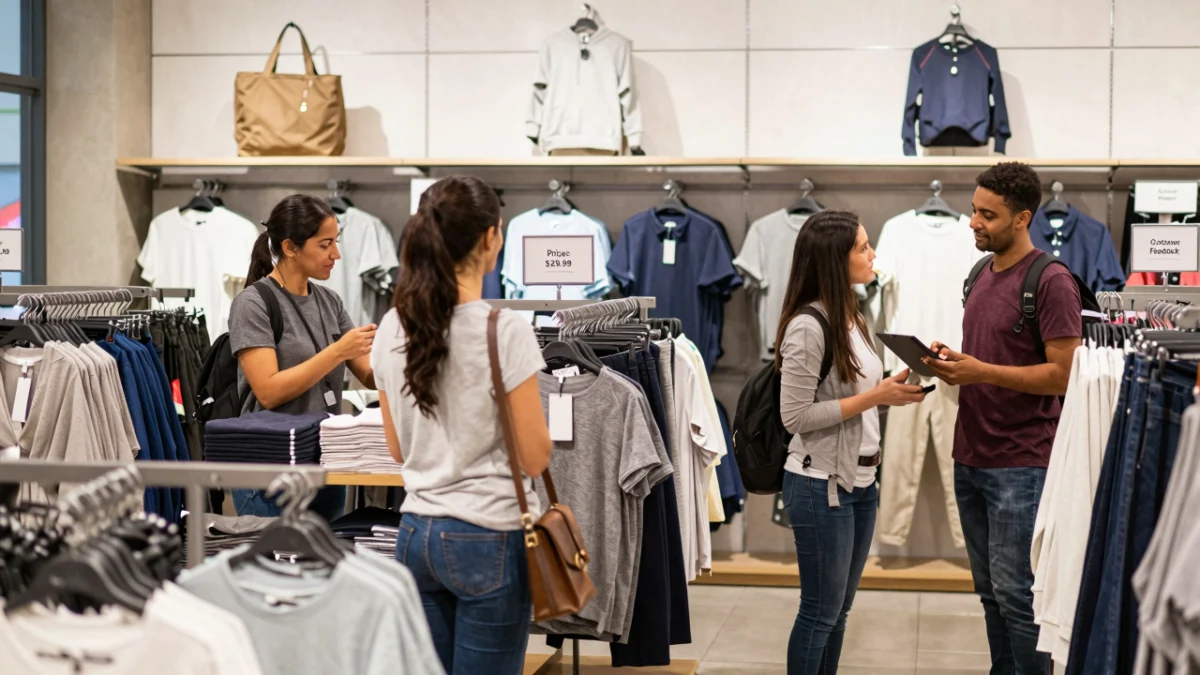
- Technology as a Co-Pilot: Clienteling software, Point-of-Sale (POS) purchase history tracking, and mobile apps allow retailers to scale personalization efforts without sacrificing the human touch.
Chronology: The Evolution of the Customer Journey
To understand how to optimize retail interactions, it is vital to trace the typical chronological journey a consumer takes from the moment they step foot in a store (or visit a site) to long-term brand advocacy.

Phase 1: The Threshold and the Greeting
The journey begins the second a customer crosses the threshold. Research shows that shoppers form their impression of a store within seconds. A prompt, friendly "Hello" breaks the ice and lowers customer guard rails. Associates must pair this initial greeting with small talk to gauge the customer’s mood and overall receptivity.
Phase 2: Active Listening and Discovery
Once rapport is established, the associate transitions into diagnostic questioning. By deploying open-ended queries, the associate invites the shopper to articulate their specific needs. This stage is heavily dependent on active listening—letting the customer speak without interruption, acknowledging their preferences, and observing nonverbal cues such as posture or facial expressions.

Phase 3: Tailored Recommendations and Value-Add Strategies
Armed with insights gathered during the discovery phase, the associate curates solutions. This is where strategic upselling and bundling come into play. Rather than pushing the most expensive item, associates suggest complementary products—such as pairing a high-end camera with a specialized memory card, or suggesting seasonal pairings like warm coats and scarves.
Phase 4: Closing and the Post-Purchase Touchpoint
The interaction does not end at the cash register. Modern retail strategy mandates post-purchase engagement. Consistent follow-ups via personalized emails, automated check-ins, or thank-you messages solidify the positive experience and open natural avenues for future cross-selling.

Supporting Data and Insights: Reading the Room and Personalizing the Sale
The Science of Nonverbal Communication
Because the vast majority of communication occurs without words, retail professionals must become fluent in body language.
- Positive Cues: Smiling, relaxed posture, and sustained eye contact indicate that a shopper is comfortable, engaged, and receptive to suggestions.
- Defensive Cues: Crossed arms, a turned torso, or darting eyes often signal hesitation, confusion, or discomfort. When associates notice these signs, they must recalibrate their approach immediately—stepping back to give the customer space, softening their tone, and using open-ended questions to gently redirect the conversation.
Leveraging Data Analytics and Clienteling
Technology acts as a force multiplier for personalization. Modern POS systems and clienteling software store historical purchase data, enabling associates to make hyper-relevant suggestions. If a customer frequently purchases organic skincare items, data-driven prompts allow the sales team to introduce newly arrived complementary lines before the customer even asks.

Furthermore, analyzing broader trends through data analytics ensures that physical displays and inventory are aligned with immediate consumer demand, reducing friction in the shopping experience.
Official Recommendations: Proven Techniques for Retail Professionals
Industry experts and top-performing retail organizations recommend several actionable methodologies to systematically improve conversion rates and average order values (AOV).

1. Master Strategic Product Bundling
Bundling creates perceived value for the consumer while increasing unit movement for the store. Retailers should focus on two primary bundling models:
- Functional Bundling: Pairing core items with mandatory accessories (e.g., smartphones with compatible cases and screen protectors, or kitchen appliances with specialized cleaning utensils).
- Seasonal Pairing: Aligning merchandise with weather or calendar events—such as grouping sunscreen with swimwear for summer displays, or layering scarves and gloves with winter coats.
2. Implement Sophisticated Upselling
Upselling should feel like an upgrade rather than an added financial burden. Associates should introduce complementary items at the precise moment of decision-making. For example, in a jewelry department, displaying matching necklaces and earrings together encourages complete-set purchases by presenting a cohesive, ready-to-wear solution.

3. Cultivate Continuous Product Knowledge
An associate who thoroughly understands their inventory commands instant respect and trust. Retail leadership should mandate regular product training sessions, leverage digital product catalogues via mobile devices, and encourage staff to test merchandise firsthand. This deep familiarity allows associates to answer complex queries swiftly and accurately.
Implications: The Future of In-Store and Omnichannel Retail
As e-commerce and physical retail continue to merge, the implications for store associates and business owners are profound.

The Redefinition of the Sales Associate Role
Physical stores can no longer compete on inventory breadth alone; they must compete on the quality of human interaction. Consequently, the role of the retail sales associate is elevating from a passive cashier to an expert consultant and brand ambassador. Businesses that invest heavily in training their staff in emotional intelligence, body language interpretation, and tech-enabled clienteling will outperform competitors who rely solely on price-point competition.
Building Resilient Customer Loyalty
In a crowded marketplace where switching costs are virtually zero, customer loyalty is the ultimate competitive advantage. By blending high-tech personalization (through apps, POS histories, and automated follow-ups) with high-touch human service (empathetic listening, warm greetings, and tailored recommendations), retailers can insulate their businesses against market volatility.

Ultimately, mastering retail sales is an ongoing discipline. By systematically engaging customers, respecting nonverbal cues, leveraging smart technologies, and maintaining rigorous product expertise, retailers can transform standard storefronts into thriving hubs of long-term customer loyalty and sustainable revenue growth.