






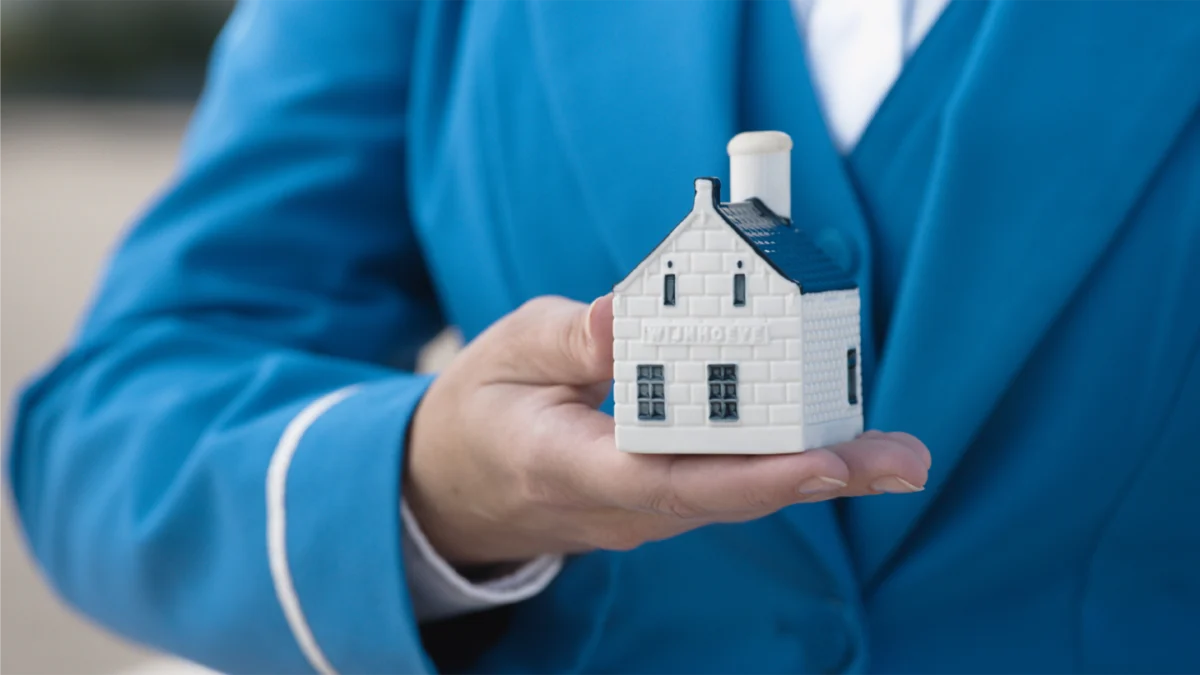
AMSTERDAM — As KLM Royal Dutch Airlines celebrated its 107th anniversary on October 7, the historic carrier successfully bridged the gap between its storied aviation heritage and the rapidly evolving demands of modern passengers. Marking more than a century of continuous service, the Netherlands-based flag carrier revealed a sweeping slate of updates designed to modernize the in-flight experience. From the unveiling of its highly anticipated, culturally significant Delft miniature house to an aggressive technological roadmap featuring high-speed Starlink Wi-Fi, KLM is reinforcing its commitment to passenger loyalty while aggressively adapting to contemporary aviation standards.
The October 7 anniversary event, held in the Netherlands, served as a masterclass in how legacy airlines can honor brand equity while implementing bold, forward-looking upgrades. Alongside the introduction of House No. 107, airline executives detailed a transformative future that includes a revamped World Business Class dining concept, new eco-efficient aircraft deliveries, upgraded luxury amenity kits, and a restructuring of short-haul catering. Together, these updates paint a vivid picture of an airline eager to secure its competitive edge in a digital-first, luxury-conscious global marketplace.
1. Main Facts: The Core Announcements of KLM’s 107th Anniversary
The centerpiece of KLM’s 107th-anniversary celebration is a combination of sentimental tradition and high-tech modernization. The key announcements shaping the airline’s strategy include:
- The 107th Delft Miniature House: Modeled after the historic Wijnhoeve De Kleine Schorre winery in Dreischor, Zeeland, House No. 107 continues a tradition dating back to the 1950s. The collectible ceramic houses are handed out exclusively to World Business Class passengers on intercontinental long-haul flights prior to landing.
- Starlink High-Speed Wi-Fi: In a massive leap forward for connectivity, KLM announced plans to introduce free SpaceX Starlink Wi-Fi across its intercontinental fleet. The rollout is scheduled to begin in mid-2027, with full long-haul integration expected by mid-2028.
- World Business Class Dining Overhaul: KLM is moving away from traditional meal trays on long-haul flights. Instead, flight attendants will lay physical tablecloths and serve individual courses and glassware directly to passengers, emulating a fine-dining restaurant experience.
- Fleet Modernization: The airline recently took delivery of its first fuel-efficient Airbus A350 aircraft, which will gradually replace aging Airbus A330s over the next three years, significantly reducing the airline’s carbon footprint.
- Refreshed Amenity Kits and Short-Haul Catering: Early 2027 will see the introduction of new luxury business class amenity kits in light and navy blue, featuring products by Dutch brand Marie-Stella-Maris. Meanwhile, short-haul economy passengers will transition from complimentary traditional sandwiches and drinks to a flexible "Grand Café" buy-on-board menu.
2. Chronology: A Century-Old Legacy Meets Modern Evolution
To understand the weight of KLM’s recent announcements, one must contextualize the airline’s unmatched historical milestones alongside its contemporary timeline of modernization.
The Evolution of the Delft Houses
KLM’s tradition of gifting ceramic miniature houses filled with Bols Genever—a traditional Dutch grain-based spirit—began in the 1950s. Originally conceived as a clever marketing incentive to circumvent strict international regulations regarding airline gifts, the houses quickly morphed into one of the most fiercely coveted loyalty items in commercial aviation.
Each year on October 7, coinciding with the airline’s founding date, KLM unveils a brand-new house modeled after a building of profound historical or architectural significance in the Netherlands or the Dutch Caribbean. Passengers frequently alter their travel patterns, paying premium prices or redeeming hard-earned miles, purely to secure missing numbers in their multi-decade collections.
The Modernization Timeline
- Early 2020s: KLM introduces free messaging for Flying Blue members on long-haul flights, laying the groundwork for broader connectivity upgrades.
- October 7, 2025: KLM celebrates its 107th anniversary by unveiling House No. 107 (Wijnhoeve De Kleine Schorre) alongside sweeping announcements regarding long-term connectivity and soft-product upgrades.
- Late 2025–2026: Initial integration of new Airbus A350 widebody aircraft into the active fleet, kickstarting the gradual retirement of the older A330 fleet.
- Early 2027: Rollout of the new Marie-Stella-Maris business class amenity kits.
- Mid-2027: The anticipated initial deployment of free, high-speed Starlink Wi-Fi across intercontinental long-term routes.
- Mid-2028: Full fleet-wide integration of Starlink Wi-Fi across all long-haul KLM aircraft.
3. Supporting Data & Behind-the-Scenes Insights
The operational scale required to sustain KLM’s legendary traditions and technological leaps is staggering. Behind every anniversary announcement lies a tightly guarded corporate strategy and extensive logistical framework.
The Secret Selection Process
The curation of each year’s Delft house is a closely guarded state secret within the airline. The rigorous selection process narrows down hundreds of nominations of historic buildings across the Dutch kingdom. The final decision rests in the hands of a minimal two-person committee, which includes KLM President and CEO Marjan Rintel.
Once selected, nearly a million miniature houses are produced annually to keep pace with demand across long-haul World Business Class cabins. Real estate experts and collectors note that achieving "Delft house status" can significantly boost the public profile and real estate value of the chosen historic structures.
The Logistics of Collectibility
For dedicated aviation enthusiasts and frequent flyers, the hunt for complete sets can become an obsession. Duplicate houses are common among frequent corporate travelers, prompting KLM to establish a unique swap program. Passengers can exchange duplicate houses within the non-Schengen area of the KLM Crown Lounge at Amsterdam Airport Schiphol, the airline’s primary hub.
For travelers unable to fly business class, alternative paths to acquisition exist. Platforms like eBay and antique stores trade these miniature buildings at variable prices based on rarity. Furthermore, rare limited-edition specialty houses—such as models of the Royal Palace or the New York Historical Society—are produced strictly for VIPs and corporate executives, bypassing the commercial flight network entirely. Travelers interested in studying the architectural history can reference Mark Zegeling’s authoritative book, Little Kingdom by the Sea, or utilize the official "KLM Houses" mobile application to catalog their personal collections. Enthusiasts can also view large-scale replicas of the most famous houses at Madurodam, a miniature park located in The Hague.
4. Official Responses and Industry Perspectives
KLM leadership emphasizes that balancing deep-rooted Dutch heritage with bleeding-edge technology is the key to maintaining brand loyalty in an increasingly commoditized airline industry.
Speaking to journalists during the October 7 celebration, KLM President and CEO Marjan Rintel highlighted the distinctiveness of choosing a vineyard for House No. 107. Rintel noted that for many international travelers flying into Amsterdam Airport Schiphol, the aerial approach path offers a breathtaking first glimpse of Zeeland—the very province where Wijnhoeve De Kleine Schorre is located.
"I think there is something wonderfully unexpected this year about choosing a Dutch wine estate for KLM House #107," remarked Mark Zegeling, author of Little Kingdom by the Sea. "Who would expect to find a vineyard in a country better known for windmills, water and beer? Today, this corner of the province produces wine that travels the world, carrying a taste of its unique terroir with it."
Industry analysts have praised the airline’s pragmatic approach to balancing passenger perks. While economy passengers on short-haul European routes will see a shift toward a paid "Grand Café" buy-on-board menu—replacing legacy complimentary sandwiches with pre-orderable salads, sandwiches, and snacks (though water, coffee, tea, orange juice, and stroopwafels remain complimentary)—long-haul premium passengers are receiving unprecedented investments in comfort, dining, and digital connectivity.
5. Implications for Travelers and Frequent Flyers
The broad array of changes announced during KLM’s 107th anniversary will directly impact how travelers book, experience, and maximize value on the carrier’s global network.
Maximizing Flying Blue Rewards
Securing a Delft miniature house and experiencing the newly enhanced World Business Class product does not strictly require paying cash for expensive business class airfare. Savvy travelers leverage the Flying Blue loyalty program—the joint frequent flyer program of Air France and KLM.
- Promo Rewards: Flying Blue regularly discounts mileage redemption rates for World Business Class seats as part of its monthly promotional awards.
- Transferable Points: Travelers lacking sufficient Flying Blue miles can instantly transfer points from major credit card reward ecosystems (such as Chase Ultimate Rewards, American Express Membership Rewards, and Capital One Miles) directly into their Flying Blue accounts.
The Impact of Onboard Connectivity and Service Shifts
The upcoming arrival of Starlink Wi-Fi by 2027–2028 addresses one of the most common pain points for modern travelers: sluggish, metered, and unreliable satellite internet at 35,000 feet. Providing free, high-speed streaming capabilities on intercontinental flights positions KLM at the vanguard of digital connectivity, matching the standards set by forward-thinking domestic and international competitors.
Additionally, the transition away from meal trays in World Business Class toward a tableside, restaurant-style service pattern signals a renewed focus on sensory luxury. While the retirement of dine-on-demand service may disappoint travelers seeking ultimate schedule flexibility, the structured presentation of individual courses and glassware elevates the overall dining ambiance.
As KLM Royal Dutch Airlines sails past its 107th milestone, the carrier proves that honoring the past—one ceramic house at a time—need not preclude aggressive innovation. By investing in next-generation widebody aircraft, high-speed space-based Wi-Fi, and refined culinary delivery, KLM is engineering an onboard experience built to endure for generations to come.