









When you spot a transaction you don’t recognize, a double charge, or a payment for goods that never arrived, your first instinct is to contact your financial institution. In the digital age, where transactions move at lightning speed, these discrepancies can cause significant stress. Banks often step in to mitigate this by issuing a "provisional credit." However, many consumers misunderstand the nature of this financial tool. A provisional credit is not a final settlement; it is a temporary placeholder—a financial "bridge" while your bank investigates the validity of your dispute.
Understanding the mechanics of provisional credit is essential for managing your finances during a dispute. This guide explores the regulatory framework, the critical timelines involved, and the steps you should take to protect your assets and credit health.
The Core Concept: What Is Provisional Credit?
At its most basic level, a provisional credit is a temporary deposit made into your account by your bank while they conduct a formal investigation into a disputed transaction. When you report a unauthorized charge or a billing error, the bank needs time to verify the facts. During this interim period, they provide you with the funds so you are not left without access to your own money.
It is vital to distinguish between a "provisional" credit and a "final" refund. Until the bank completes its investigation and confirms that the error was indeed fraudulent or incorrect, the money does not legally belong to you. If the investigation concludes that the charge was legitimate, the bank will reverse the credit, effectively taking the money back.
Chronology of a Dispute: From Filing to Resolution
The process of a bank dispute follows a structured timeline dictated by federal regulations. While the specifics can vary based on the type of account and the nature of the transaction, the general lifecycle of a dispute includes the following phases:
Phase 1: Initiation and Filing
The process begins the moment you notify your bank of a discrepancy. Whether it is a debit card transaction or a credit card charge, you should document the date, the amount, the merchant, and the reason for the dispute.
Phase 2: The Investigation Window
Once the dispute is filed, the "clock" begins. For debit card disputes governed by the Electronic Fund Transfer Act (Regulation E), the bank typically has 10 business days to investigate. If the investigation takes longer than 10 days, the bank is generally required to issue a provisional credit to your account.
Phase 3: The Interim Period
During this phase, you have access to the funds, but they are technically "conditional." It is highly recommended that you avoid spending this money until the bank notifies you that the investigation has concluded in your favor.
Phase 4: Final Resolution
The bank will either make the credit permanent or reverse it. They are legally required to provide you with written notification regarding their final decision. If the decision goes against you, you have the right to request the documentation the bank used to reach that conclusion and, in many cases, file an appeal.
Supporting Data: Regulation E vs. The Fair Credit Billing Act (FCBA)
Not all disputes are treated equally under the law. Understanding the difference between debit and credit card protections is critical for any consumer.
Regulation E (Debit and Electronic Fund Transfers)
Regulation E provides robust protections for consumers using debit cards, ATMs, or electronic fund transfers.

- Provisional Credit Requirement: If a bank cannot resolve an investigation within 10 business days, it is required to provide a provisional credit.
- Time Limits: The bank has up to 45 days (or 90 days for certain new accounts or foreign transactions) to complete the investigation.
- Consumer Protections: You are entitled to written notification of the results and access to the evidence the bank collected.
The Fair Credit Billing Act (FCBA) (Credit Cards)
The FCBA governs credit card disputes. Unlike Regulation E, the FCBA does not explicitly mandate that a bank issue a provisional credit.
- Flexibility: While many credit card issuers offer a provisional credit as a gesture of customer service, they are not strictly required to do so by federal law.
- Timelines: Credit card issuers generally have up to two billing cycles—but no more than 90 days—to resolve a dispute.
- The "Billing Error" Distinction: The FCBA is specifically designed to handle "billing errors" (e.g., incorrect amounts, charges for goods not received, or failure to post payments) rather than pure fraud, though issuers apply similar logic to unauthorized charges.
Implications: The Risks of Spending Your Provisional Credit
One of the most common pitfalls for consumers is treating a provisional credit as a windfall. If you spend the funds before the investigation is finalized, you risk significant financial disruption.
If the bank concludes that the original charge was valid, they will perform a "provisional credit reversal." This means the money will be withdrawn from your account. If you have already spent those funds, your account could drop into the negative, leading to:
- Overdraft Fees: Many banks will hit you with fees for having a negative balance.
- Returned Item Fees: If you have scheduled payments (like rent or utility bills) that attempt to clear while your account is negative, those transactions may fail, resulting in further penalties.
- Credit Score Impact: In severe cases, a negative balance that goes unaddressed can be reported to credit bureaus or sent to collections.
Always treat provisional credit as a "hold" rather than "cash in hand."
Protecting Your Credit Health: Beyond the Bank Account
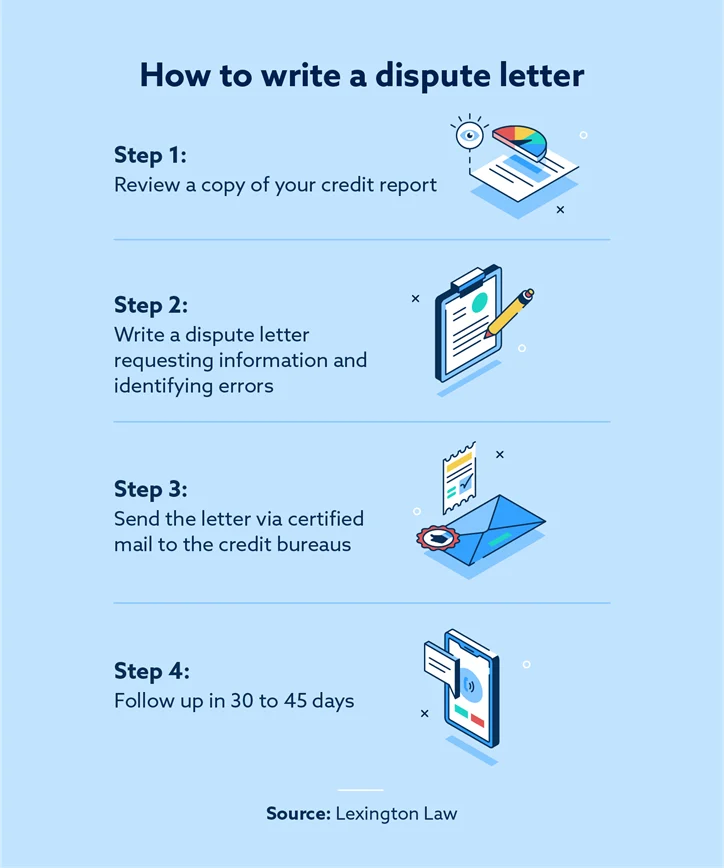
It is important to note that a bank dispute is often separate from a credit report dispute. If an unauthorized transaction results in a missed payment or an incorrect balance on your credit report, simply winning your bank dispute might not be enough to fix your credit score.
When to Engage Professionals
If a fraudulent transaction or a bank error leads to inaccurate information appearing on your credit report, you are dealing with a secondary issue. While the bank handles the money, you must separately challenge inaccurate data with the three major credit bureaus (Equifax, Experian, and TransUnion).
If the dispute involves identity theft or widespread fraudulent activity, navigating the bureaucratic landscape of the credit reporting agencies can be daunting. In such cases, seeking professional assistance—such as that provided by organizations like Lexington Law Firm—can help ensure that your rights are upheld and that inaccurate, fraudulent marks are removed from your file.
Official Responses and Consumer Recourse
What happens if you disagree with the bank’s final decision? You are not without options.
- Request Evidence: Under federal regulations, you have the right to request the documents and evidence the bank used to determine that the charge was valid. Review this evidence closely—sometimes the bank relies on incomplete data or misidentified transactions.
- Submit New Evidence: If the bank’s decision was based on incomplete information, provide additional documentation. This might include police reports for stolen items, correspondence with the merchant, or proof of your location at the time the transaction occurred.
- Formal Appeal: Most financial institutions have an internal appeals process. Write a formal letter detailing why the investigation was insufficient and include any new evidence.
- Regulatory Complaints: If you believe the bank has violated Regulation E or the FCBA, you can file a complaint with the Consumer Financial Protection Bureau (CFPB). The CFPB holds banks accountable and often compels them to re-examine cases that were handled improperly.
Conclusion: Staying Proactive
The existence of provisional credit is a testament to the consumer protections built into the modern banking system. However, these protections are not automatic, and they require the consumer to be diligent.
By understanding the difference between a provisional credit and a permanent refund, keeping track of the 10-day and 45-day windows, and knowing your rights to challenge an unfair reversal, you can navigate financial disputes with confidence. Remember: the bank’s investigation is a process, not a final verdict. If you stay informed and proactive, you can ensure that your money—and your credit score—remain secure.
Disclaimer: The information provided on this page does not, and is not intended to, act as legal, financial, or credit advice. It is provided for general informational purposes only. Please consult with a qualified professional regarding your specific financial situation.