






For many credit cardholders, the arrival of a sleek envelope from their bank containing a book of personalized checks feels like a sudden financial lifeline. These "convenience checks" are often marketed as a versatile tool—a way to bridge the gap when a contractor demands payment, when an unexpected bill arrives, or when you need to consolidate debt. However, beneath the surface of this apparent financial flexibility lies a complex web of fees, high interest rates, and diminished consumer protections.
Using these checks without a comprehensive strategy is not just a common financial oversight; it is a potential catalyst for a long-term debt cycle. To navigate modern credit management, one must understand that these documents are not merely "paper versions" of a credit card swipe. They are sophisticated financial instruments that function—and cost—differently than any other form of credit.
The Anatomy of a Convenience Check
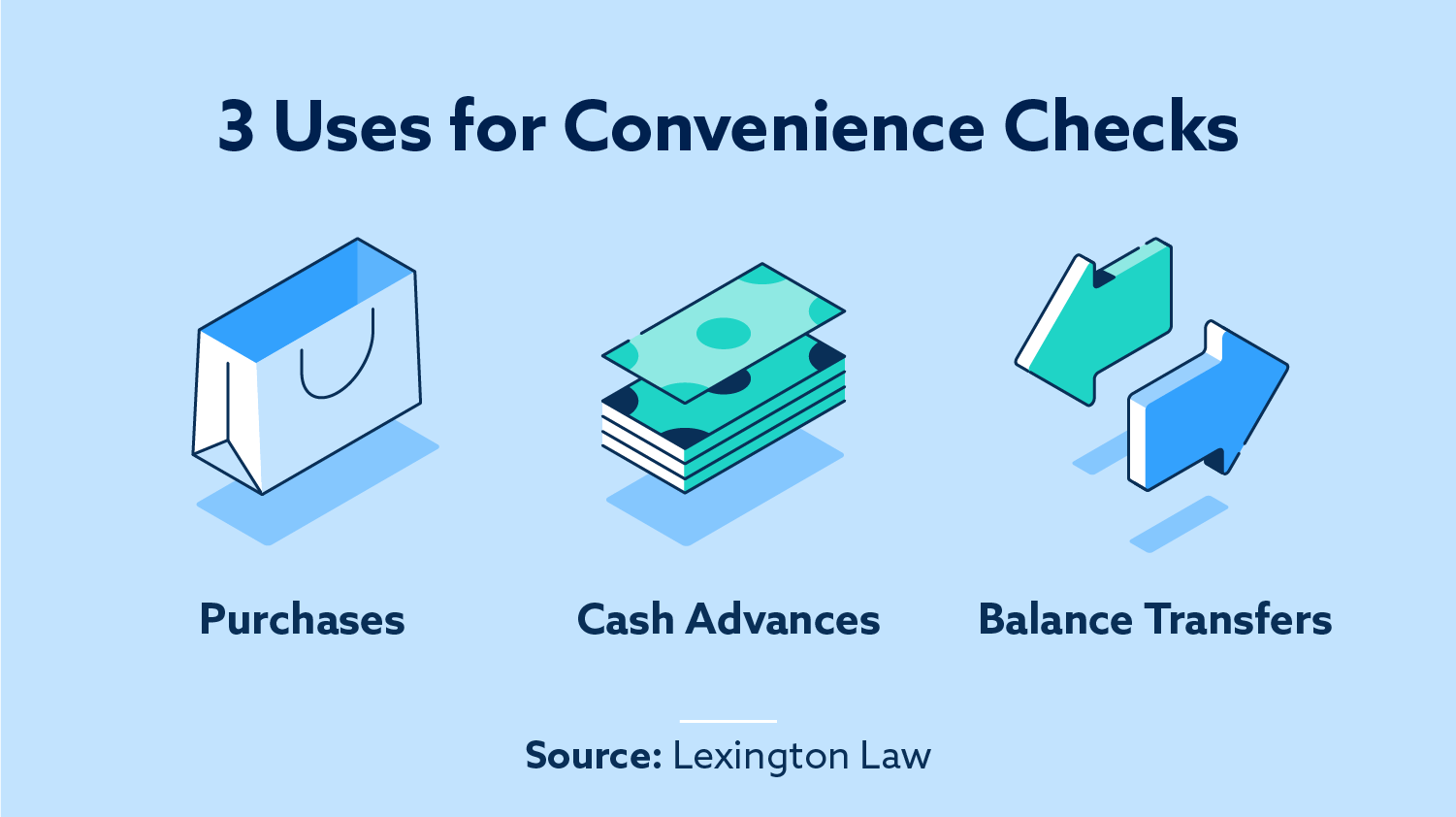
A convenience check, sometimes referred to as a credit card check, is a pre-printed, negotiable instrument issued by your credit card provider. When you fill out and sign one of these checks, you are effectively borrowing against your existing credit limit.
While the transaction feels identical to writing a check from your personal checking account, the backend mechanics are fundamentally different. When you use a debit-linked check, you are spending money you already possess. When you use a convenience check, you are initiating a transaction that the credit card issuer almost universally categorizes as a cash advance.

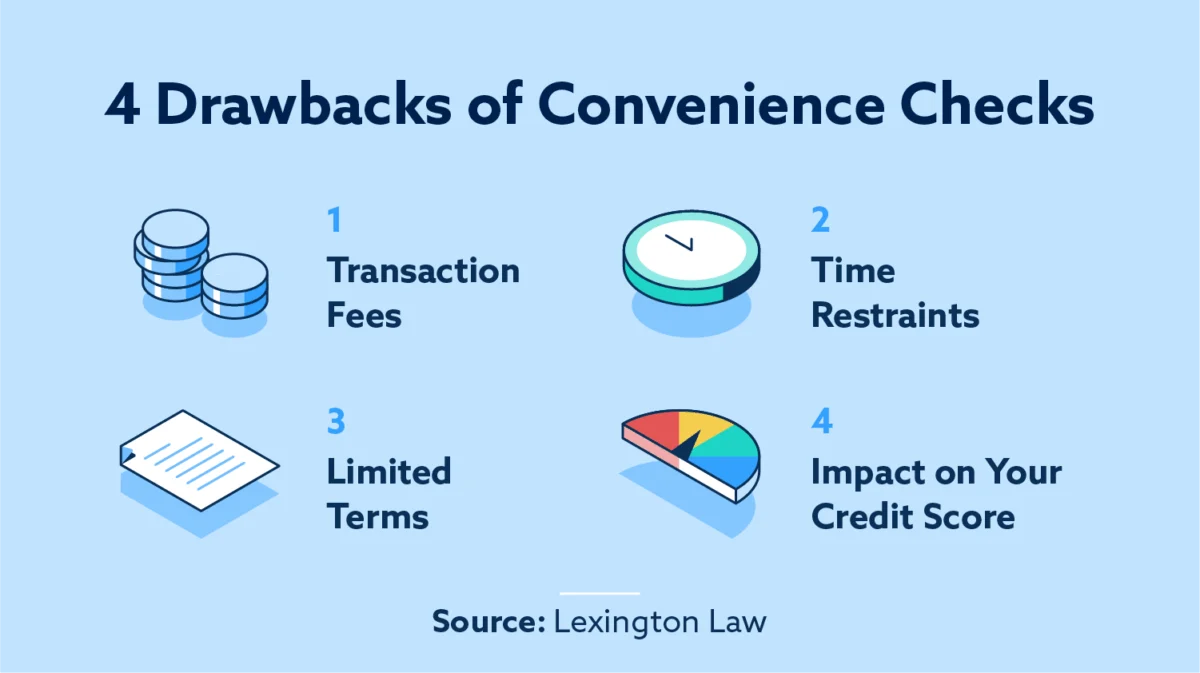
This distinction is the "trap" that catches many unsuspecting borrowers. Unlike a standard retail purchase, which usually grants a 21-day interest-free grace period, a cash advance begins accruing interest the exact moment the check is processed. There is no "float" and no buffer. Furthermore, these transactions are subject to immediate, non-refundable transaction fees, usually ranging from 3% to 5% of the total amount.
Chronology of a Financial Decision: What Happens When You Write a Check
To appreciate the gravity of using a convenience check, consider the timeline of the transaction:
- Day 0 (Issuance): You receive the checkbook in the mail. It may come with promotional materials advertising "0% APR" or "low-rate access."
- Day 1 (Execution): You write a check for $2,000 to cover a home repair.
- Day 3 (Processing): The recipient deposits the check. Your issuer processes this as a cash advance. A 5% transaction fee ($100) is immediately applied to your balance. Your total debt is now $2,100.
- Day 4 (Accrual): Interest begins to accumulate daily. Because cash advance interest rates are often higher than purchase APRs (frequently exceeding 25%), your balance begins growing immediately.
- Month 1 (Statement): You receive your statement. You are expected to pay the minimum, which now includes the fee and the interest accrued over the last 27 days. If you only pay the minimum, the interest on the original $2,000 continues to compound, effectively turning a simple payment into a long-term liability.
Supporting Data and Financial Realities
The economic reality of these checks is stark. According to data from the Consumer Financial Protection Bureau (CFPB), credit card companies utilize these checks as a primary tool for increasing the "velocity" of debt. Because the checks are physically present in the consumer’s home, they lower the "psychological friction" of borrowing money, leading many to utilize credit for non-emergency expenses.
- The Fee Multiplier: If you write a check for $5,000 at a 5% fee, you have lost $250 before the money is even used. That $250 represents an immediate "negative return" on your credit usage.
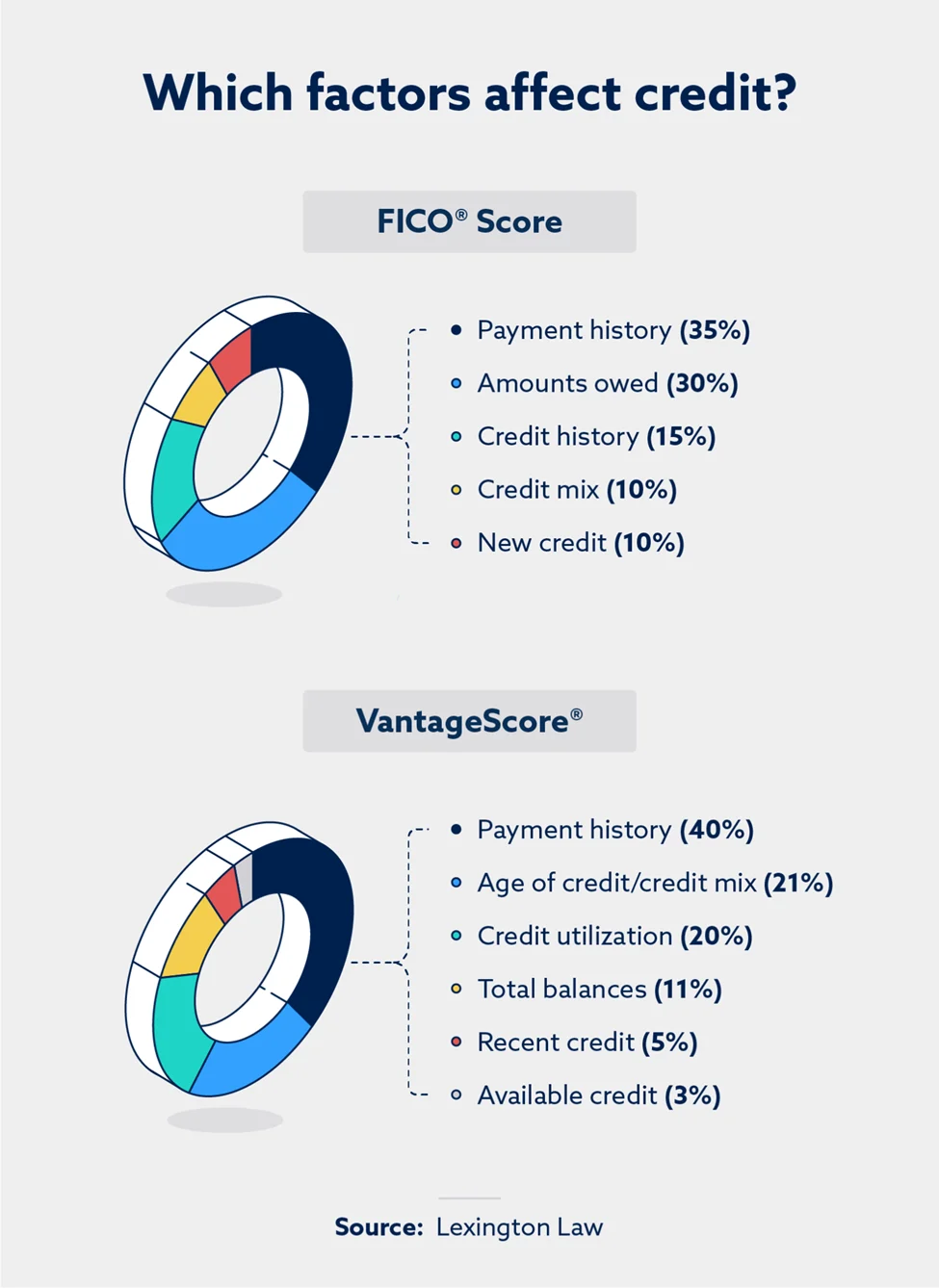
- Utilization Impact: Credit utilization ratios are calculated based on your total credit limit versus your total balance. A single large convenience check can spike your utilization from, for example, 10% to 50% overnight. This sudden increase is interpreted by credit scoring algorithms as a sign of financial distress, which can cause your credit score to drop significantly within a single reporting cycle.
- The "Double-Dip" Penalty: In cases involving "deferred interest" promotional offers, if you fail to pay off the entire balance by the end of the term, the issuer may retroactively apply interest to the entire amount borrowed, not just the remaining balance. This can result in a "balloon" payment that is impossible for the average consumer to absorb.
Official Industry Perspectives and Consumer Protections
Financial institutions maintain that convenience checks are a "service" designed to provide liquidity to consumers who lack traditional banking access or need to pay non-digital vendors. They argue that the disclosures are clear and provided in the accompanying literature (the "Schumer Box").

However, consumer advocacy groups note a glaring disparity: the Fair Credit Billing Act (FCBA), which protects consumers when a credit card purchase goes wrong (e.g., a merchant fails to deliver goods), does not apply to convenience checks. When you write a check, you are transferring funds directly. Once the check clears, the money is gone. If the contractor you paid performs substandard work, you cannot initiate a chargeback with your credit card company. You are essentially left with the same legal recourse as if you had paid with cash, leaving you vulnerable to fraud and service disputes.
Implications for Your Financial Health
The primary implication of relying on convenience checks is the erosion of one’s long-term financial security.
1. The Erosion of Savings
When consumers use these checks to solve short-term cash flow issues, they are often masking a lack of a "rainy day" fund. By borrowing at high interest rates, the consumer makes it even harder to build the very savings that would have rendered the check unnecessary in the first place.
2. Credit Score Volatility
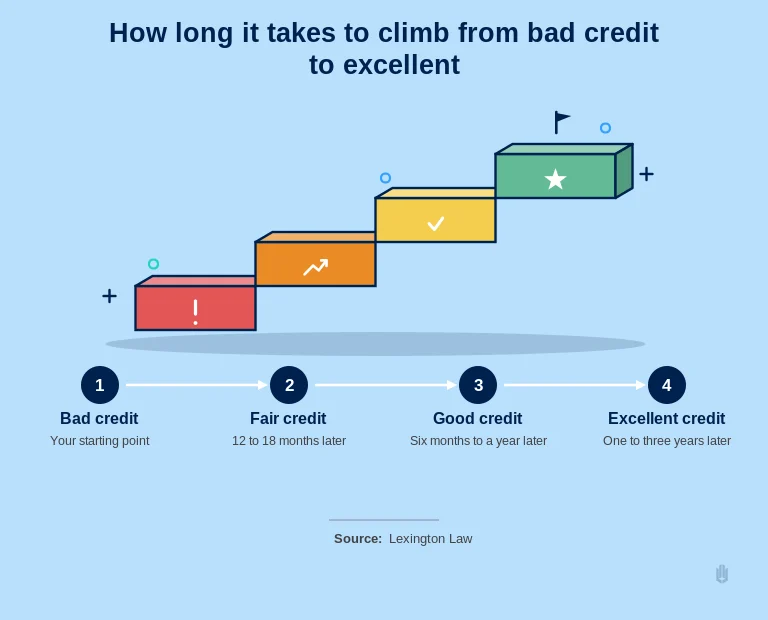
For those rebuilding credit, the sudden, sharp decline in their score due to high utilization can lead to higher interest rates on future loans, car insurance premiums, and even housing applications. The damage to your credit report is often disproportionate to the actual convenience of the check.

3. Security Risks
Physical checks are inherently less secure than digital transactions. They contain your account number, routing information, and signature. If a checkbook is stolen or lost, a bad actor has everything they need to commit identity theft or unauthorized account access.
Strategic Alternatives to Convenience Checks
Before reaching for that book of checks, consider these alternatives:
- Personal Loans: If you need a large sum of money for a home project, a personal loan often carries a lower, fixed interest rate and a structured repayment plan.
- Standard Balance Transfers: If the goal is debt consolidation, look for a traditional balance transfer offer that does not require a physical check. These are often processed digitally and are subject to stricter regulatory oversight.
- Emergency Fund Building: Even if you can only save $25 a week, prioritizing a liquid emergency fund is the only true way to avoid the "convenience trap."
Conclusion: Exercise Caution
Convenience checks are a specialized tool. In the narrowest of circumstances—such as a legitimate 0% interest promotional window where the savings on interest far outweigh the transaction fees—they can be a useful mathematical maneuver. However, for the vast majority of consumers, they are a high-risk financial instrument that should be treated with extreme skepticism.
If you have a stack of these checks in your desk, the most financially responsible action is to void them, shred them, and notify your credit card issuer that you wish to opt out of future mailings. Your financial health depends on your ability to distinguish between "convenience" and "cost." By choosing to avoid these checks, you protect your credit score, your wallet, and your peace of mind.
Disclaimer: The information provided in this article is for educational purposes only and does not constitute professional financial or legal advice. Every financial situation is unique, and readers should consult with a certified financial planner or credit counselor before making significant changes to their debt management strategy.