








The financial landscape for the average American household has become increasingly complex. According to the Federal Reserve Bank, total consumer debt in the United States surged to an unprecedented $17.29 trillion by the third quarter of 2023. While the frequency of accounts being sent to collections has seen a slight decline, the severity of individual debt burdens is rising; the average debt account now exceeds $1,600, a significant increase from $1,200 just one year prior.
For millions of Americans, the arrival of a notice from a debt collection agency is a source of immense anxiety. However, navigating this terrain requires more than just capital—it requires knowledge. By understanding the federal protections in place and the strategic options available, consumers can transition from a position of vulnerability to one of informed management.
The Regulatory Framework: Your Legal Shield
The debt collection industry is not a "wild west" of unregulated activity. It is governed by a robust framework of federal laws designed to prevent predatory behavior and ensure that consumers are treated with dignity and fairness.
The Fair Debt Collection Practices Act (FDCPA)
Enacted in 1977, the FDCPA remains the cornerstone of consumer protection in the financial sector. It prohibits third-party debt collectors from using abusive, deceptive, or unfair collection practices. Under the FDCPA, collectors are legally barred from:
- Using profane or threatening language.
- Misrepresenting the amount of debt owed.
- Threatening legal action that they do not intend to take or do not have the authority to initiate.
- Harassing consumers with repeated, high-frequency phone calls.
- Contacting consumers at unreasonable hours (before 8 a.m. or after 9 p.m.).
The Fair Credit Reporting Act (FCRA)
While the FDCPA governs how collectors talk to you, the FCRA governs how they talk about you to credit bureaus. This act mandates that all information reported to credit agencies must be accurate and verifiable. If you identify a discrepancy—such as a debt that has already been paid or a debt that does not belong to you—you have the legal right to dispute it. The reporting agency is then required to investigate; if the collector cannot validate the debt, the information must be corrected or deleted from your credit report.
Unfair or Deceptive Acts or Practices (UDAP)
Beyond specific debt laws, the Consumer Financial Protection Bureau (CFPB) enforces broader UDAP regulations. These rules ensure that financial service providers do not engage in "unfair, deceptive, or abusive" practices. This encompasses a wide range of behaviors, including falsely claiming to be an attorney, threatening arrest for non-payment (which is generally not possible for standard consumer debt), or attempting to collect interest rates or fees not stipulated in the original contract.

The Anatomy of Debt Collection: A Chronological Look
Understanding the lifecycle of a debt helps demystify the process and allows for better planning.
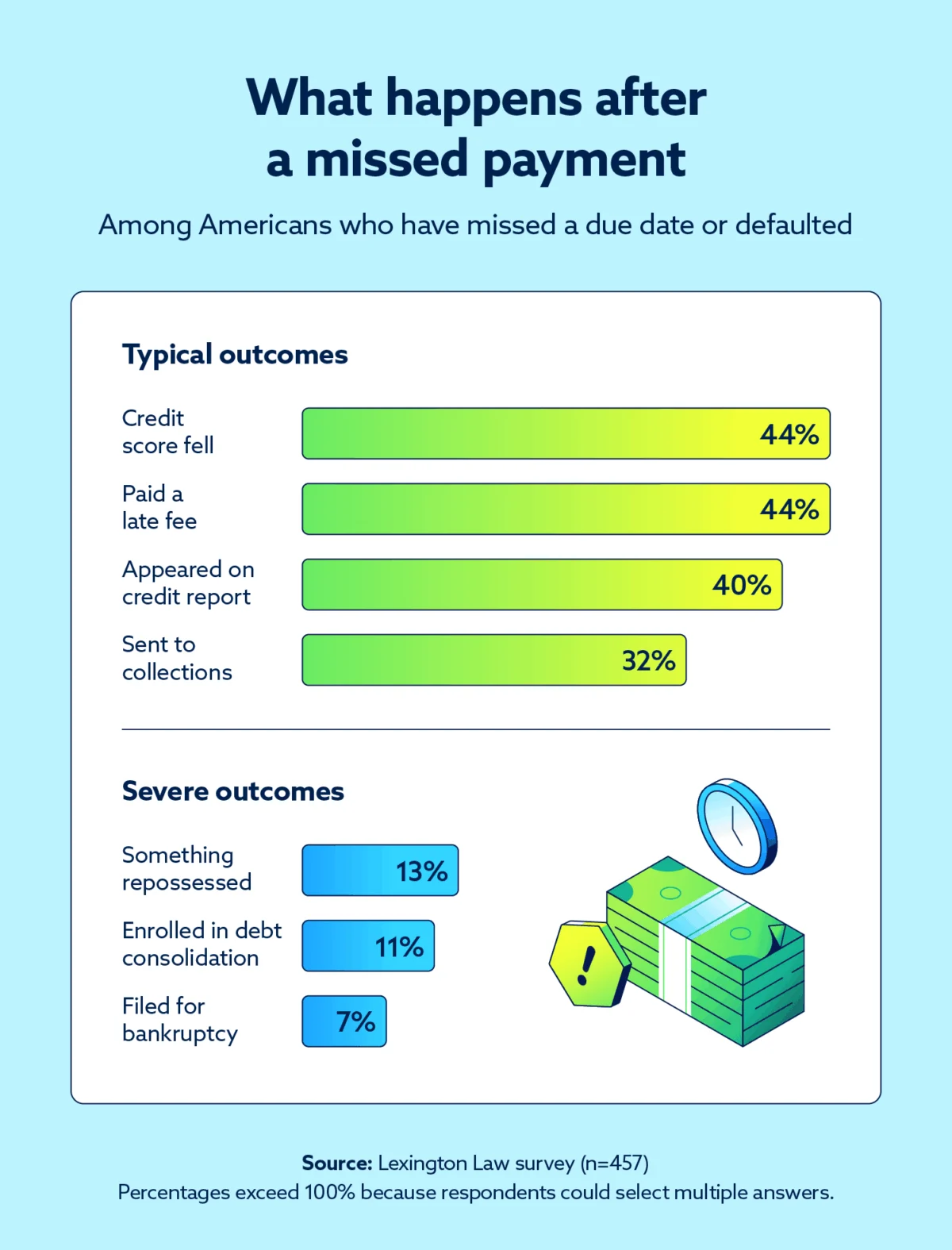
- The Default: A debt typically enters the collection phase shortly after a payment is missed. While some lenders offer a "grace period," once an account is officially considered delinquent, the creditor may assign it to an internal recovery team or sell the debt to a third-party agency for pennies on the dollar.
- The Initial Contact: Once the agency takes over, they are required by law to send a "validation notice" within five days of their first communication. This document must state the amount owed, the name of the original creditor, and your right to dispute the debt.
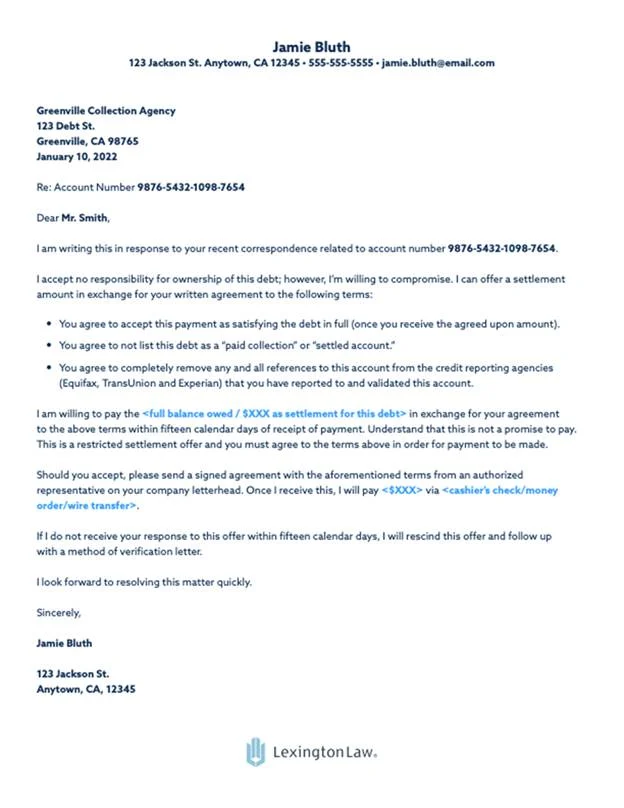
- The Negotiation Phase: If the debt is legitimate, this is the period where the consumer has the most leverage to negotiate a settlement, a payment plan, or a "pay-for-delete" arrangement.
- The Statute of Limitations: Every state has a "statute of limitations" on debt—a window of time during which a creditor can sue you to recover a balance. This clock usually starts at the time of your last payment or the date of the default. Caution: Making a partial payment on an old, "time-barred" debt can sometimes reset this clock, potentially exposing you to new legal risks.
Supporting Data and Economic Implications
The rise in average debt account balances reflects broader macroeconomic pressures. As inflation has persisted and interest rates have climbed, many households have turned to credit cards to bridge the gap between stagnant wages and rising costs of living.
Data from the New York Fed indicates that while the number of accounts in collection is shrinking—partly due to stricter lending standards—the volume of the debt being collected is higher. This suggests that while fewer people are falling into the cycle of debt, those who are already there are finding it increasingly difficult to climb out. The financial impact is not limited to the balance owed; it extends to credit scores, limiting access to affordable housing, auto loans, and even employment opportunities.
Strategic Responses: What to Do When Contacted
When a debt collector reaches out, the primary rule is: Don’t ignore it. Silence is often interpreted as an admission of validity.
- Request Validation: Send a written request asking for verification of the debt. The collector must prove that the debt exists and that they have the legal authority to collect it.
- Keep Detailed Records: Document every interaction. Note the date, the time, the name of the representative, and a summary of what was discussed. Save all correspondence.
- Communicate in Writing: Whenever possible, conduct your communication via certified mail. This creates a paper trail that is essential if you need to file a formal complaint or mount a legal defense.
- Do Not Admit Liability Prematurely: Be careful with your phrasing. Avoid saying "I will pay" until you have verified the debt and reviewed your budget.
Reporting Violations and Seeking Recourse
If a collector crosses the line—by calling your workplace after being told not to, using abusive language, or failing to honor a debt validation request—you have multiple avenues for recourse:
- The Consumer Financial Protection Bureau (CFPB): This is the primary federal body for filing complaints against financial companies.
- The Federal Trade Commission (FTC): You can report fraudulent or deceptive practices here.
- State Attorney General’s Office: Many states have stricter debt collection laws than the federal government. Your local AG’s office can provide information on state-specific consumer rights.
Debt Management: Settlement vs. Bankruptcy
If you find yourself in a position where the debt is legitimate but unaffordable, you have two primary paths to consider:

Debt Settlement
You may negotiate with the agency to pay a lump sum that is less than the total balance. Many collectors would prefer to receive 50% or 60% of the total than to receive nothing at all. Crucial: Ensure that any settlement agreement is finalized in writing before you release a single dollar.
Bankruptcy
This is a tool of last resort. Filing for Chapter 7 or Chapter 13 bankruptcy triggers an "automatic stay," which forces an immediate halt to all collection activity, including lawsuits and wage garnishments. While it provides a "fresh start," it also carries a long-term impact on your credit report—often remaining visible for up to 10 years. It should only be pursued after consulting with a qualified legal professional.
Implications for Your Future
Dealing with debt is not merely a financial task; it is a psychological hurdle. The stress of collections can impede your ability to make sound long-term decisions. By taking a proactive, documented, and legally informed approach, you can manage the situation without letting it define your financial future.
Remember, the presence of a debt collector does not strip you of your rights. Whether you choose to dispute the debt, negotiate a settlement, or seek professional counsel, your goal remains the same: to protect your assets, preserve your credit health, and regain control over your financial narrative.
Disclaimer: This article is provided for general informational purposes only and does not constitute legal, financial, or credit advice. Laws regarding debt collection vary by jurisdiction and are subject to change. Readers are encouraged to consult with a qualified attorney or financial advisor regarding their specific circumstances. Accessing this information does not create an attorney-client relationship.