









In an era where digital financial management is no longer a luxury but a necessity, free credit score apps have become the primary gatekeepers of personal fiscal awareness. For the average consumer, these tools offer more than just a three-digit number; they provide a window into how lenders perceive their creditworthiness, offering a roadmap for everything from securing a first mortgage to lowering interest rates on existing debt.
However, the sheer volume of available applications can be overwhelming. With varying scoring models, update frequencies, and data sources, choosing the right tool requires a clear understanding of the mechanics behind the credit reporting industry.
The Fundamentals: FICO vs. VantageScore
To understand why one app might show a different score than another, one must first understand the "scorecards" themselves. There are two dominant scoring models:
- FICO: Used by approximately 90% of top lenders, FICO is the industry standard. When you apply for a major loan, such as a mortgage or an auto loan, the lender is almost certainly looking at a version of your FICO score.
- VantageScore: Developed by the three major credit bureaus (Experian, Equifax, and TransUnion), this model is designed to be more inclusive and consistent across all three bureaus. While it is widely used for general tracking and credit card approvals, it is not always the metric used for high-stakes lending decisions.
Understanding this distinction is the first step in effective credit management. While a VantageScore provides a reliable trend line for your credit health, your FICO score remains the "gold standard" for critical loan applications.
Chronology of Credit Access
The democratization of credit data has undergone a significant evolution. Historically, consumers had to pay for their credit reports or wait for annual free disclosures. The rise of the digital economy changed this, forcing the financial industry to provide real-time, transparent access to credit data.
- Pre-2010s: Credit scores were largely opaque, accessible only through paid services or during the formal loan application process.
- 2010–2015: The rise of third-party aggregators like Credit Karma and Credit Sesame brought "free" credit scores into the mainstream, primarily as a lead-generation tool for financial products.
- 2015–Present: Major bureaus and banking institutions entered the fray, offering their own proprietary monitoring tools, effectively turning credit awareness into a standard consumer utility.
Top-Tier Tools for Credit Monitoring
1. Experian (The FICO Gold Standard)
Experian remains the only major bureau-direct app that provides an actual FICO score for free. Because lenders rely on FICO, this app is arguably the most "accurate" for those preparing for a major loan. The addition of Experian Boost—which allows users to include utility and rent payments in their file—provides a tangible pathway to score improvement.
2. myFICO
Operated by the Fair Isaac Corporation, the creators of the FICO model, this app is the primary source of truth. The free tier offers a monthly refreshed FICO Score 8 and an Equifax report. While the update cadence is slower than some third-party apps, the authority of the data is unparalleled.
3. Credit Snapshot with Lexington Law
Credit Snapshot serves a unique niche: it is designed for those who suspect their credit file contains inaccuracies. Rather than focusing on complex data visualization, it offers a clean, user-friendly interface that identifies potential red flags. Crucially, it provides a direct bridge to professional dispute services, allowing users to transition from observation to action seamlessly.
4. Credit Sesame
Known for the "Sesame Grade," this app is ideal for those who struggle with raw data. It translates credit factors into an easy-to-understand letter grade. While the free tier focuses on TransUnion data, it remains a favorite for its pedagogical approach to credit building.
5. WalletHub
For the data-hungry user, WalletHub offers the fastest update cadence in the industry: daily. If you are in a period of intense financial activity, such as paying down high-interest credit card debt, the ability to see the impact of your payments within 24 hours is invaluable.
6. Credit Karma
A market leader in coverage, Credit Karma provides scores from two bureaus (TransUnion and Equifax). It is the most popular "first step" for many consumers. However, users should be aware that their dispute center is limited; it acts as a relay to the bureaus rather than an advocate for the consumer.
7. NerdWallet
NerdWallet integrates credit monitoring into a broader financial management suite. It is highly recommended for users who want to manage their budget, cash flow, and credit score in a single interface.

8. SavvyMoney
Embedded within the banking apps of over 1,000 credit unions and banks, SavvyMoney is the "silent" monitor. By using it through your existing banking portal, you eliminate the need for another login, making it one of the most convenient options for regular check-ins.
9. LendingTree (Spring)
Spring by LendingTree uses a weekly update cycle to provide personalized insights. Its strength lies in its ability to match users with lenders, though this means the user experience is heavily influenced by financial product marketing.
10. Capital One CreditWise
CreditWise is a standout because it is available to the general public, not just Capital One customers. It provides a true FICO score and monitors two bureaus (Experian and TransUnion). Its dark web monitoring feature is a significant security value-add.
11. Chase Credit Journey
Like CreditWise, this is open to non-customers. It offers weekly updates on an Experian-based VantageScore. Its detailed breakdown of "factors moving your score" makes it an excellent educational tool for beginners.
Implications: When Monitoring Isn’t Enough
While these apps are excellent for "watching" your credit, they are not designed to "fix" it. There is a common misconception that if an item appears on a credit monitoring app, it must be accurate. In reality, credit bureaus process millions of data points daily, and errors—such as incorrect balances, unauthorized hard inquiries, or mixed files—are relatively common.
The Role of Professional Advocacy
If a monitoring app flags a debt or a late payment that you do not recognize, passive observation is insufficient. These negative items can drag down your score for years, potentially costing you thousands in higher interest rates or denial of housing and employment.
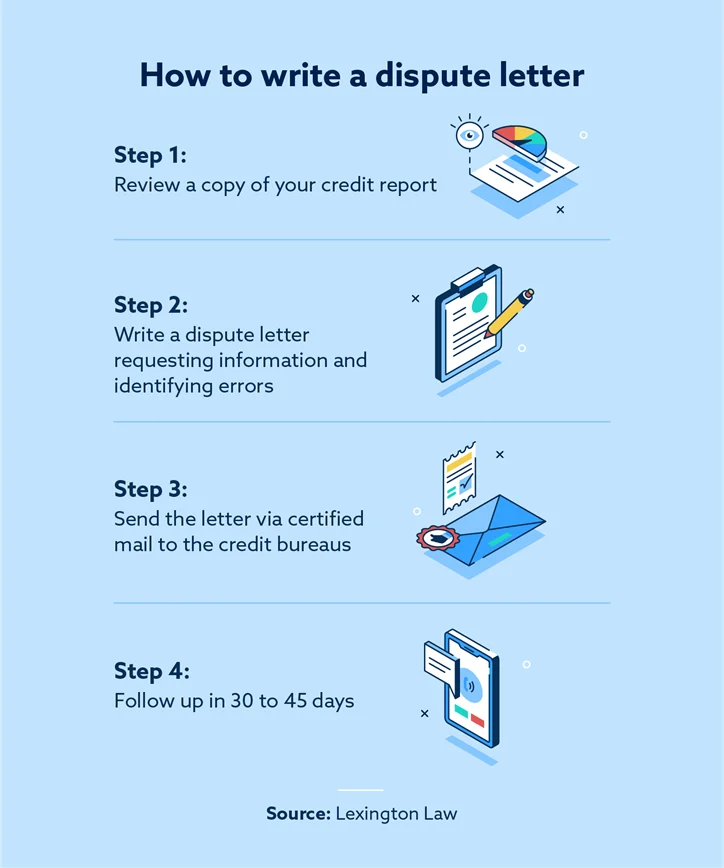
This is where the distinction between monitoring and legal advocacy becomes vital. Lexington Law Firm provides a specialized service: they do not just "track" your data; they review it for accuracy and fairness. When an error is identified, their advocates handle the complex, bureaucratic process of disputing those items with the bureaus and creditors.
Official Responses and Industry Standards
The Consumer Financial Protection Bureau (CFPB) has consistently emphasized that consumers have the right to accurate, fair, and substantiated credit reporting. Financial institutions are mandated by the Fair Credit Reporting Act (FCRA) to investigate disputed items.
The industry response to this has been the proliferation of these free apps, which represent a significant shift toward transparency. However, the CFPB cautions that consumers should remain vigilant regarding how their data is used, particularly regarding "product matching" and targeted marketing within these free apps.
Strategic Recommendations for Consumers
To effectively manage your credit, consider the following strategy:
- The "Triple Play": Since no single free app covers all three bureaus, use a combination. Pairing the Experian app (for your FICO score) with Credit Karma (for TransUnion and Equifax) provides a comprehensive view of your credit file across all three major reporting agencies.
- Monitor, Don’t Obsess: Check your scores monthly. Daily checking is only necessary if you are in the midst of a credit repair process or suspect identity theft.
- Understand the "Soft" vs. "Hard" Pull: Checking your own score via these apps is a "soft inquiry," which does not affect your score. Never fear checking your own data—the only time your score is impacted is during a "hard inquiry" triggered by a formal loan application.
- Prioritize Accuracy: If you see a discrepancy, don’t wait. Use your chosen app to flag the item, and if the issue persists, seek professional assistance to ensure the item is formally disputed and resolved.
Conclusion
The landscape of free credit score apps has reached a state of maturity that offers every American the ability to stay informed about their financial standing. Whether you prioritize the precision of a FICO score, the daily updates of WalletHub, or the advocacy-led approach of Lexington Law, the tools are at your fingertips.
Your credit score is more than just a number; it is a financial asset that requires maintenance, protection, and, when necessary, professional defense. By leveraging these digital tools alongside a proactive approach to dispute resolution, you can ensure that your credit file accurately reflects your true financial responsibility.